There's a particular kind of heat haze that shimmers off the screen in White Mischief, a visual echo of the moral fog enveloping its characters. It's the sort of film that, pulled from the shelf at the local video store back in the day, promised something exotic and perhaps a little dangerous. Directed by Michael Radford (who would later give us the much-loved Il Postino in 1994), this 1987 dive into the gin-soaked scandals of colonial Kenya isn't just a period piece; it’s a languid, beautifully shot autopsy of privilege curdling under the African sun.
Beyond the Pale
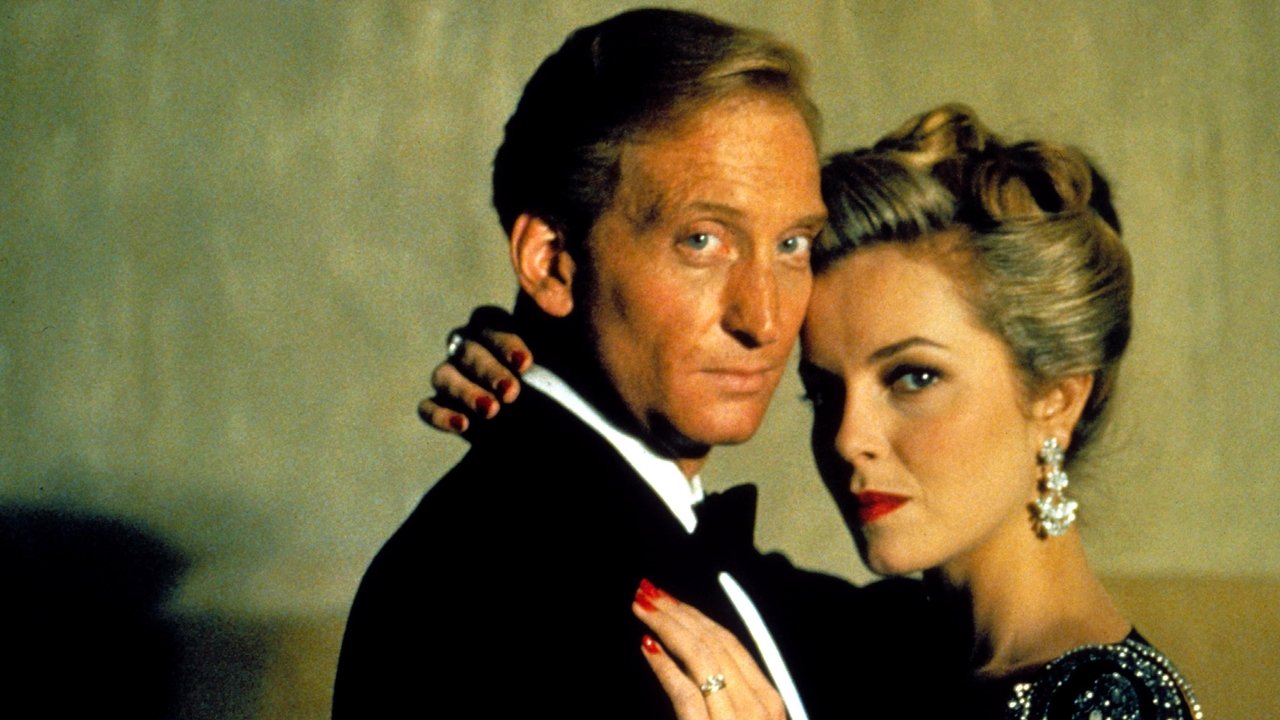
The setting is the infamous "Happy Valley" community in Kenya, circa 1940. While war rages elsewhere, a clique of wealthy, aristocratic British expatriates carry on a life of relentless parties, affairs, and casual cruelty. Into this simmering pot steps the stunning Diana Broughton (Greta Scacchi), the new, much younger wife of the established Sir Henry 'Jock' Delves Broughton (Joss Ackland). It doesn't take long for Diana's allure and the predatory charm of the notorious womaniser Josslyn Hay, Earl of Erroll (Charles Dance, radiating effortless caddishness), to ignite a fatal spark. When Erroll is found murdered in his car, the ensuing investigation and trial threaten to expose the rot at the heart of this entitled enclave.
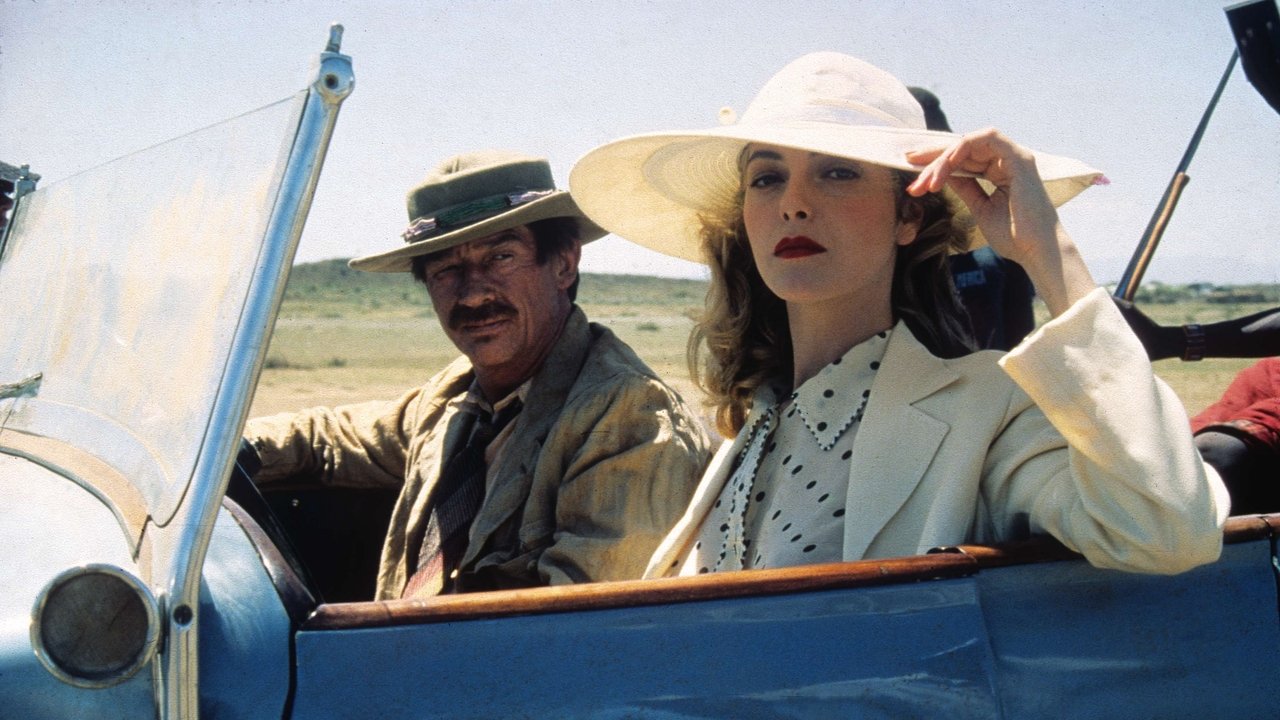
What Radford captures so brilliantly is the sheer, suffocating atmosphere of the place. It’s less a whodunit (though the central mystery remains officially unsolved to this day) and more an exploration of a specific kind of moral decay. Cinematographer Roger Deakins, even early in his stellar career, works magic here. The Kenyan landscapes are breathtaking – vast, sun-drenched plains and opulent colonial homes – but there's always a sense of something oppressive just beneath the surface. You can almost feel the sticky heat, smell the stale gin and expensive perfume mingling in the air. Watching it again now, perhaps on a format less forgiving than the crisp digital transfers we're used to, that slightly softer VHS image almost enhances the dreamlike, yet unsettling, quality of the visuals. It feels like a half-remembered, feverish dream.
A Rogues' Gallery Brought to Life
The performances are key to White Mischief's enduring power. Greta Scacchi is luminous as Diana, embodying a captivating blend of naiveté and knowing calculation. Is she a victim of circumstance or a manipulator playing a dangerous game? Scacchi keeps you guessing, her beauty a deceptive mask. Charles Dance, fresh off roles like Sergeant Guy Perron in The Jewel in the Crown (1984), perfectly captures Erroll's aristocratic arrogance and reptilian charm. He makes you understand why people might be drawn to him, even knowing he's trouble.
But perhaps the most affecting portrayal comes from Joss Ackland as Jock. He masterfully conveys the desperation and wounded pride of an older man utterly consumed by jealousy and inadequacy. His performance grounds the film's more lurid elements in a painful human reality. And we get memorable turns from a fantastic supporting cast, including a typically eccentric and watchable John Hurt as Gilbert Colvile, a neighbouring rancher observing the unfolding chaos, and the legendary Sarah Miles.


Echoes from Happy Valley
Adapting James Fox's meticulously researched non-fiction book of the same name was no small feat. The real-life story was a cause célèbre back in the 1940s, whispered about in London clubs and colonial outposts. Radford and co-writer Jonathan Gems manage to condense the sprawling narrative and complex relationships into a compelling cinematic experience, focusing tightly on the central love triangle and its fatal consequences. Filming on location in Kenya, using some of the actual places frequented by the Happy Valley set like the Muthaiga Country Club (though recreated elsewhere for filming interiors), lends an undeniable authenticity. It wasn't a huge box office smash – its reported $5 million budget wasn't recouped theatrically – but it found a devoted audience on home video, becoming something of a cult classic for those drawn to its stylish cynicism and historical intrigue.
One poignant piece of trivia is that White Mischief marked the final screen appearance of the great Trevor Howard, who plays Jack Soames, another figure within the decadent circle. He sadly passed away in January 1988, shortly before the film's wider release, adding a layer of melancholy to his scenes. It’s a fitting, if understated, final bow for an actor who defined a certain kind of British screen presence.
The Lingering Stain
Does the film offer easy answers? Absolutely not. The ambiguity surrounding Erroll's murder persists, both in history and in Radford's interpretation. What lingers isn't the solution to the crime, but the chilling portrait of a privileged class adrift, their boredom manifesting as cruelty and self-destruction. It forces us to consider the seductive nature of hedonism and the moral compromises people make when detached from consequence. What happens when the veneer of civilisation cracks under the pressure of unchecked desire and entitlement?
White Mischief isn't a feel-good movie, nor is it trying to be. It’s a sophisticated, sometimes chilly, but always absorbing drama that uses a real-life scandal to explore timeless human failings. Its deliberate pacing might test some viewers today, but for those willing to sink into its intoxicating, poisonous atmosphere, it remains a potent piece of filmmaking. It captures a specific moment of colonial history with unflinching clarity, leaving you with a sense of beauty intertwined with profound unease.
Rating: 8/10 - This score reflects the film's masterful evocation of atmosphere, superb performances (particularly from Scacchi, Dance, and Ackland), and its intelligent handling of complex, morally ambiguous material. While its deliberate pace might not suit all tastes, its visual beauty and thematic depth make it a standout period drama from the era, justifying its place as a cult favourite. It’s a film that truly earns its haunting quality.
That lingering question of who really pulled the trigger is almost secondary; the more profound mystery is the darkness lurking within the human heart, laid bare under the unforgiving African sky.