There's a certain quiet hum that lingers after some films, a residue of atmosphere that settles deeper than explosions or punchlines. Aki Kaurismäki's The Match Factory Girl (1990) leaves exactly that kind of stillness – profound, unsettling, and strangely resonant, even decades after its initial, likely limited, run in those video stores stacked high with louder fare. It wasn't the tape box you grabbed for a Friday night thrill ride, was it? But finding it, perhaps tucked away in a "Foreign Films" section that felt like uncharted territory, could lead to an experience that stuck with you far longer.
The Weight of Silence
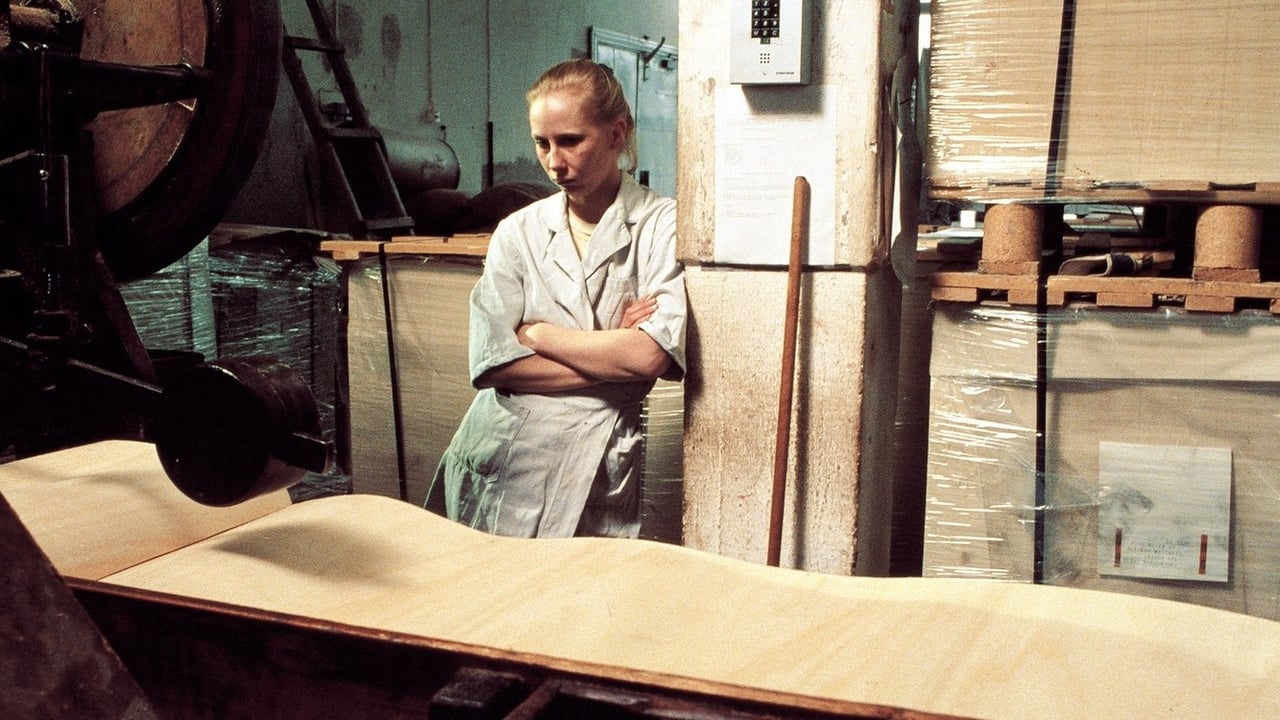
The film introduces us to Iris (Kati Outinen), a young woman trapped in a life of soul-crushing routine. Her days are spent at a match factory, a place of mechanical monotony, and her nights under the indifferent, borderline cruel, gaze of her mother (Elina Salo) and stepfather (Esko Nikkari). Her existence is painted in muted colours, defined by isolation and the yearning for something – anything – more. Kaurismäki, known for his work depicting the Finnish working class, particularly in his "Proletariat Trilogy" (of which this is the third part, following Shadows in Paradise (1986) and Ariel (1988)), masterfully establishes this oppressive atmosphere not through lengthy exposition, but through precise visuals and a profound lack of dialogue. We feel Iris's loneliness in the long takes of her working the machines, eating dinner in silence, or seeking fleeting escape in romance novels and the cinema.
A Performance Beyond Words
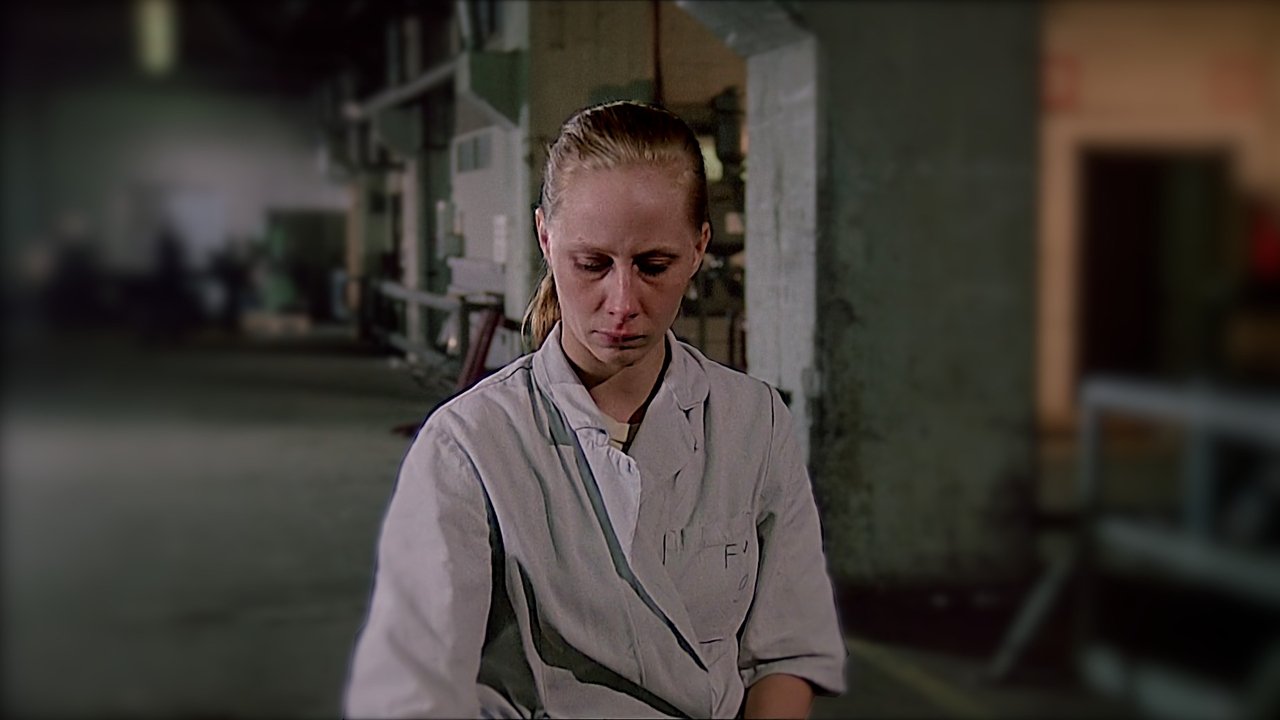
So much of the film's devastating power rests on the shoulders of Kati Outinen. Her performance as Iris is a masterclass in minimalism. In a landscape often filled with demonstrative acting, Outinen achieves something remarkable: she conveys oceans of hurt, longing, and eventually, chilling resolve, with barely a flicker of outward expression. It’s all there in her eyes – often downcast, sometimes wide with a fragile hope that’s inevitably crushed, and later, unnervingly blank. When she finally endures a profound betrayal, the shift isn't marked by tears or screams, but by a subtle, almost imperceptible hardening. You see the exact moment something vital switches off inside her, replaced by a cold, methodical purpose. It’s a portrayal of suppressed emotion so authentic it's almost uncomfortable to watch, reminding us how much can be communicated in stillness. The performances of Salo and Nikkari as the parents are equally effective in their brusque indifference, perfectly embodying the lack of warmth in Iris's world.
The Kaurismäki Touch
This film is pure, distilled Kaurismäki. His directorial hand is evident in every frame: the static camera that observes rather than intrudes, the deliberately drab production design that underscores the bleakness of Iris's environment, the deadpan presentation of events that somehow amplifies their emotional weight. He employs music with characteristic irony – often upbeat, sentimental Finnish tangos or rockabilly tunes playing over scenes of quiet despair or impending doom. It’s a technique that throws the viewer off balance, creating a unique blend of pathos and dark, almost imperceptible humour. Interestingly, Kaurismäki is known for his efficiency – often favouring minimal takes, believing the first or second capture holds the most truth. This approach likely contributes to the film’s raw, unvarnished feel. And at a runtime of just around 70 minutes, there isn't an ounce of fat; its brevity makes its final act hit with the force of a sledgehammer.
An Unlikely VHS Gem
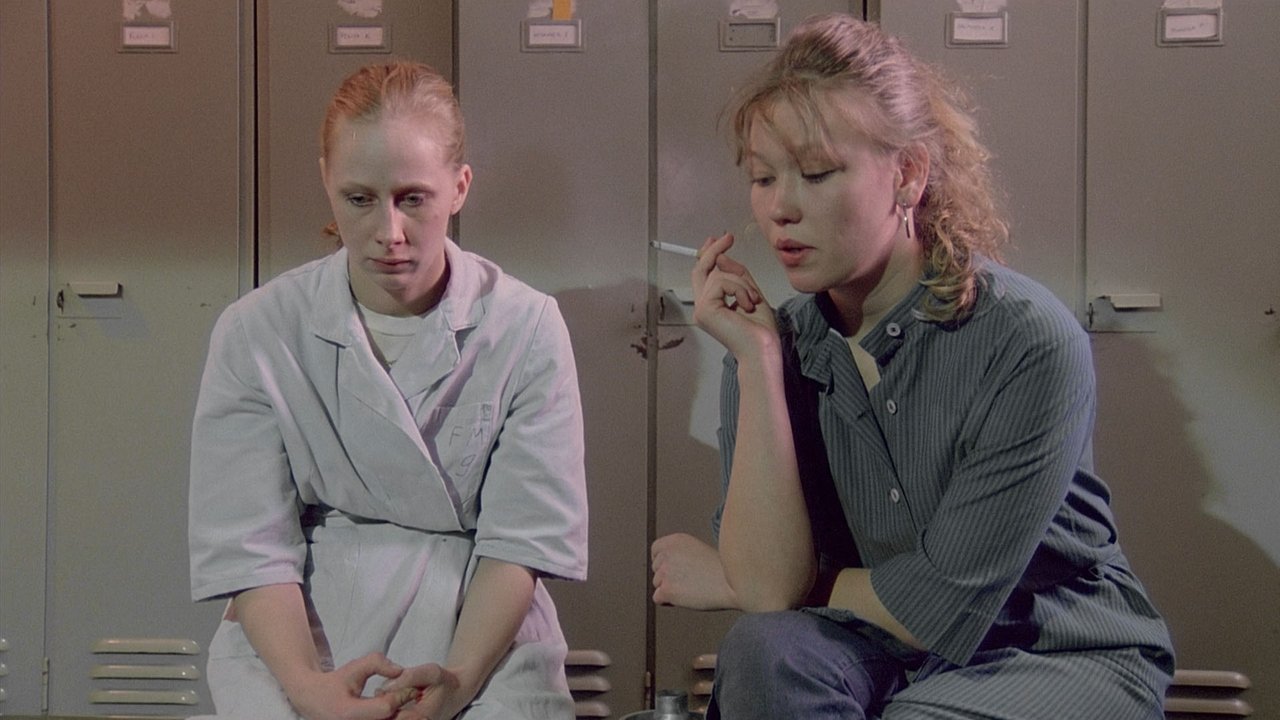
Finding The Match Factory Girl back in the day felt different. It wasn't the colourful cover art promising aliens or car chases. It was plainer, maybe a bit mysterious. Renting it was often an act of cinematic curiosity. I recall a particular video store near me that had a small, dusty shelf labelled "World Cinema," and discovering films like this felt like uncovering a secret. It wasn't always an easy watch – this film certainly isn’t – but it expanded horizons. It showed that movies could be quiet, observant, and still deliver an emotional knockout punch. It stood in such stark contrast to the prevailing Hollywood winds of the early 90s, offering a different kind of power – the power of understatement and unflinching realism.
A Quiet Devastation
The Match Factory Girl isn't a film about grand gestures or heroic arcs. It’s a stark, unflinching look at the consequences of dehumanisation, the quiet desperation of the ignored, and the chilling emptiness that can follow profound disillusionment. It examines, with surgical precision, what happens when someone with nothing left to lose decides to stop absorbing the pain and start reflecting it back onto the world. The film doesn't ask for sympathy for Iris's final actions, but it meticulously shows us the path that led her there.
Rating: 9/10
This score reflects the film's near-perfect execution of its bleak, minimalist vision. Kati Outinen's central performance is unforgettable, and Aki Kaurismäki's direction is masterfully controlled, creating a work of profound and chilling artistry. It's a demanding film, certainly not a casual watch, but its stark beauty and quiet power are undeniable. Its brevity enhances its impact, leaving a lasting impression that justifies its high rating as a masterpiece of minimalist cinema.
It's a film that sits with you, heavy and silent, long after the VCR whirred to a stop – a quiet testament to the devastating potential hidden beneath the surface of the mundane.