One moment, you're a tourist snapping photos across the pond, the next you're tackling an armed man lunging at British royalty. That jarring, brutal intrusion of violence into the mundane sets the chilling tone for Patriot Games (1992), a film that traded the submerged tension of its predecessor for a far more personal, visceral kind of dread. This wasn't the cerebral Cold War chess match of The Hunt for Red October (1990); this was about the wolves coming right to your door.
### The Reluctant Hero Returns... Differently
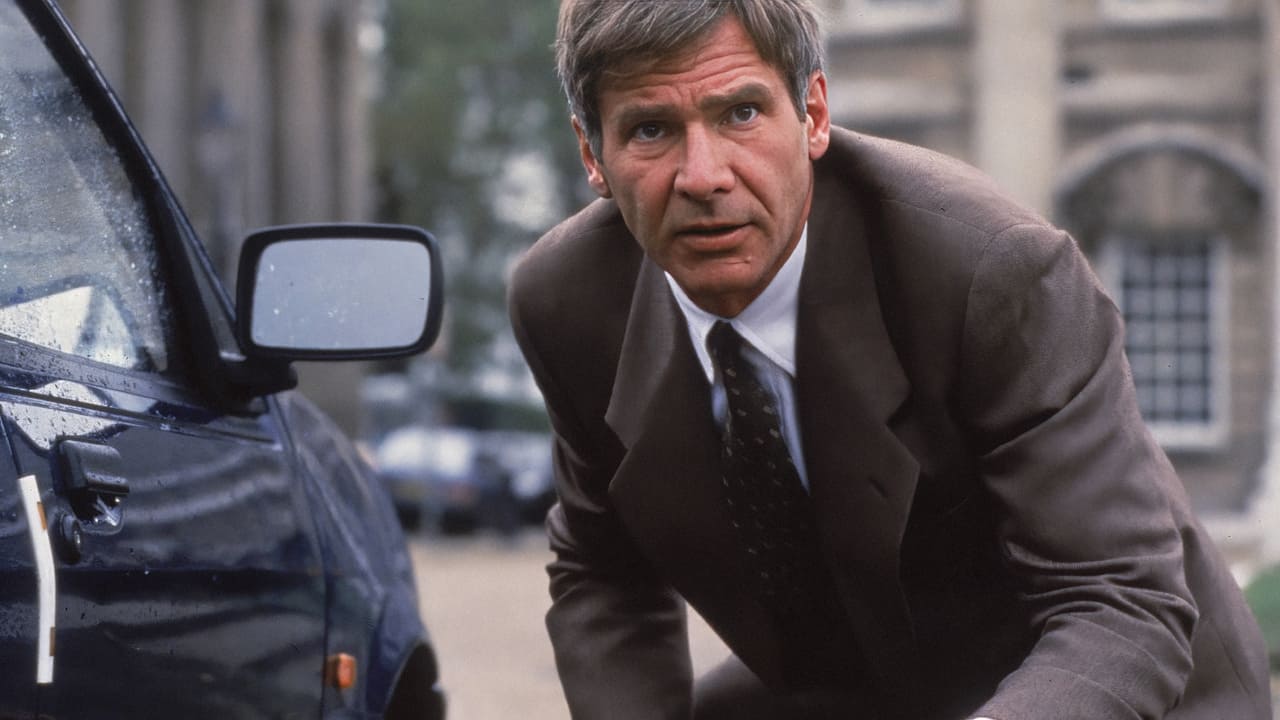
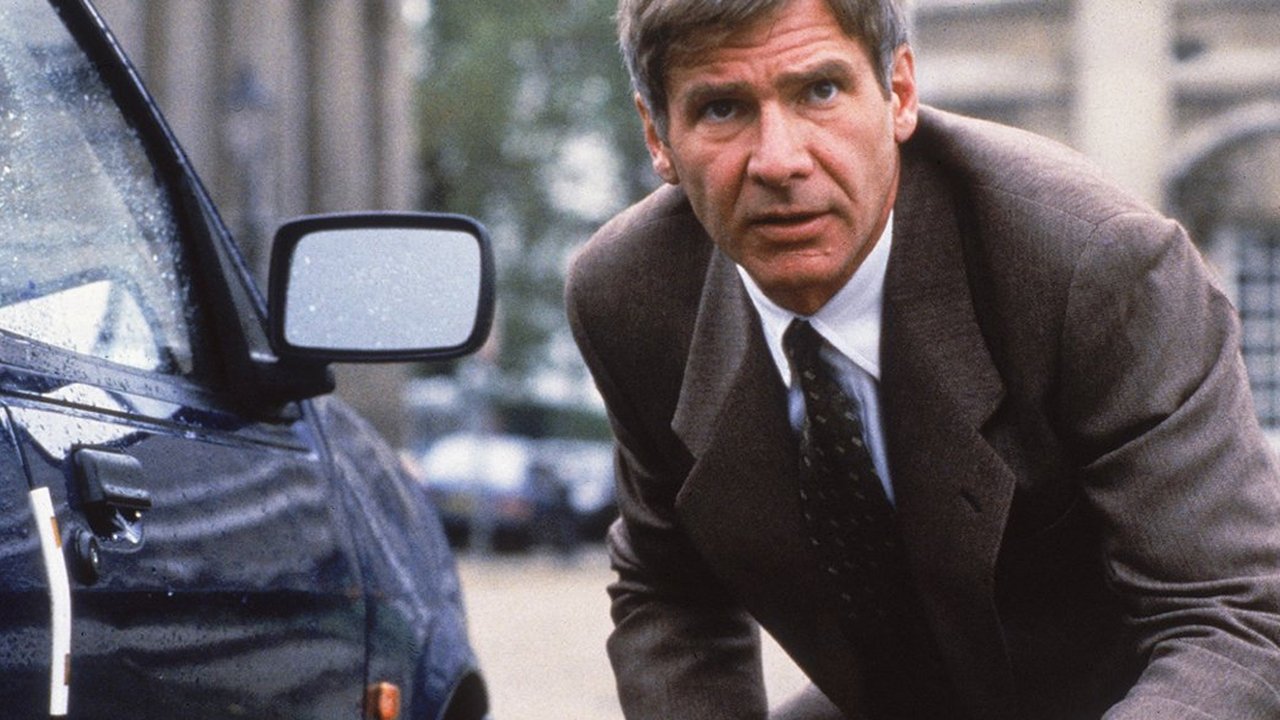
Stepping into the analyst's shoes previously filled by Alec Baldwin, Harrison Ford brings a different energy to Jack Ryan. Ford's Ryan isn't the keen, slightly green analyst we met before; he's older, wearier, a family man seemingly content in academia, reluctantly pulled back into the C.I.A.'s orbit not by global strategy, but by pure, protective instinct. The casting change itself was a minor behind-the-scenes drama, with scheduling conflicts and reported salary disputes paving the way for Ford – a move that arguably reshaped the character into the action-oriented figure audiences embraced throughout the 90s. Ford embodies the quiet desperation of a man whose single act of bravery paints a target on his family, his simmering anger and fear feeling intensely palpable through the screen. Remember watching him, the everyman hero we loved from Indiana Jones, suddenly looking genuinely vulnerable, hunted?
Opposite him, Anne Archer as Dr. Cathy Ryan is thankfully more than just the "worried wife," conveying her own terror and resilience. The chemistry between Ford and Archer sells the stakes; their vulnerability becomes ours. We feel the violation when their home, their sanctuary, is breached.
### A More Personal Vendetta
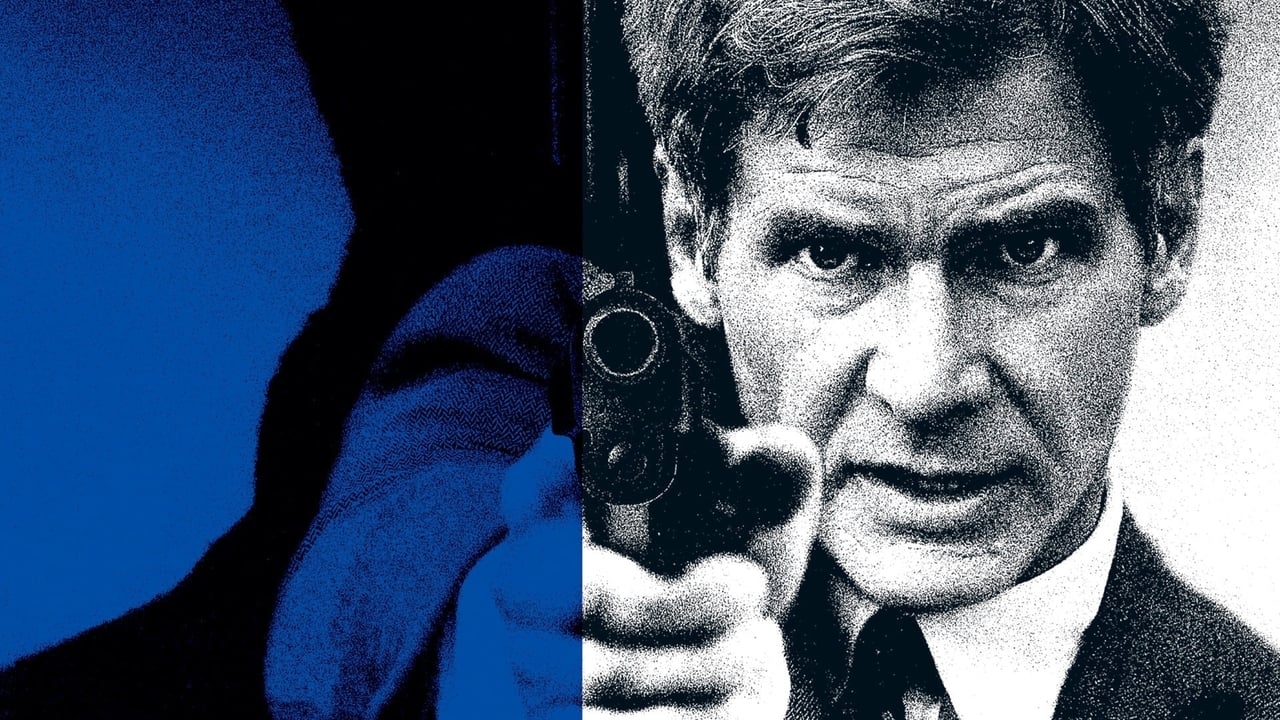
Director Phillip Noyce, who would return for the equally strong Clear and Present Danger (1994), crafts a thriller that feels grounded and immediate. He ditches the submarine claustrophobia for suburban paranoia and expertly staged bursts of action. The film courted controversy for its portrayal of a radical IRA splinter group, led by the chillingly focused Sean Miller (Patrick Bergin). Miller isn't a geopolitical foe; he's driven by vengeance, a fanatic whose brother Ryan killed in that opening London melee. Bergin plays him with icy conviction, a stark contrast to Ford's simmering anxiety. And who could forget a young, intense Sean Bean as Miller's fiercely loyal compatriot? Even back then, you just knew things probably wouldn't end well for his character, right?
The shift in focus from geopolitical maneuvering to personal revenge was a significant departure from Tom Clancy's source novel, a change that famously irked the author. Clancy even requested his name be removed from promotional materials initially. The filmmakers streamlined the plot, focusing tightly on the escalating conflict between Ryan and Miller, making it a lean, mean machine of suspense rather than a complex espionage tale. This adaptation choice, while controversial for book purists, arguably made for a more cinematic and immediately gripping experience on screen.
### Tension in the Details
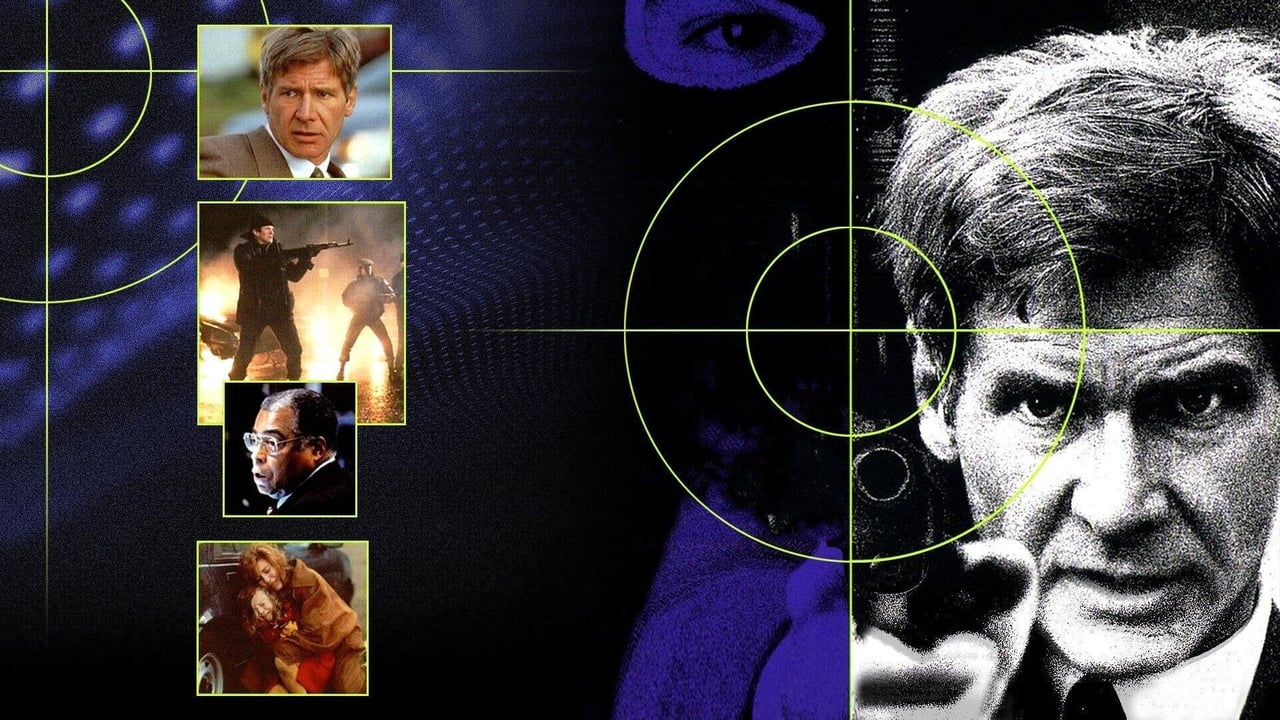
Noyce builds atmosphere not just through action, but through quiet moments of unease. The score by the legendary James Horner (whose work on Aliens (1986) still gives us chills) is a masterclass in tension, blending traditional thriller cues with haunting Celtic undertones that underscore the conflict's roots. The cinematography by Donald McAlpine captures both the stately halls of power and the intimate terror of a family under siege. Remember that satellite surveillance sequence? Watching Ryan guide operatives via thermal imaging felt incredibly high-tech and thrilling back on a CRT screen, a tense, voyeuristic hunt from miles above. It required considerable technical effort at the time, blending real satellite capabilities with movie magic to create a standout moment.
The action sequences, when they erupt, are brutal and efficient. The attack on the Ryans' car on the highway remains a jolt, sudden and chaotic. The climactic confrontation during a storm-lashed night is pure, distilled 90s thriller goodness – dark, desperate, and deeply personal. Shot partly on location at the US Naval Academy in Annapolis and featuring impressive practical stunt work (especially in the boat chase finale), the film aimed for a gritty realism that resonated. Made for around $45 million, its $178 million worldwide gross proved audiences were ready for this more grounded, action-focused Jack Ryan.
### Enduring Legacy
Patriot Games solidified Harrison Ford's status as a thinking man's action hero for the 90s and successfully pivoted the Jack Ryan franchise towards a different kind of thriller. While perhaps less complex than Red October, its tight pacing, relatable stakes, and focus on personal threat gave it an immediacy that still holds up. It tapped into anxieties about terrorism hitting home, a theme that would sadly become even more resonant in the years to follow. It’s a film that reminds you how quickly peace can shatter, how vigilance becomes a necessity, and how far one man will go when his family is threatened. Doesn't that core protective instinct still feel intensely relevant?
VHS Heaven Rating: 8/10
This score reflects a tightly directed, superbly acted thriller with genuine suspense and memorable set pieces. Ford owns the role, Noyce delivers taut pacing, and the personal stakes feel incredibly real. It loses a point for streamlining Clancy's complexities perhaps a bit too much for some, and another for adhering slightly predictably to the 90s action-thriller formula in its final act, but it remains a highly effective and rewatchable entry in the genre.
Final Thought: More than just a sequel, Patriot Games redefined Jack Ryan for a new decade, proving that sometimes the most terrifying threats aren't hiding in the shadows of global politics, but waiting just outside your own front door.