Alright, let's blow the dust off this one. Remember the mid-90s? The hum of the VCR, the slightly fuzzy picture on the tube TV? And smack dab in the middle of it, John McClane came roaring back onto our screens, looking decidedly worse for wear but ready for another unbelievably bad day. We're talking Die Hard: With a Vengeance (1995), a sequel that wisely decided to ditch the confined spaces and take the mayhem city-wide.

### Not Your Brother's Terrorist Plot
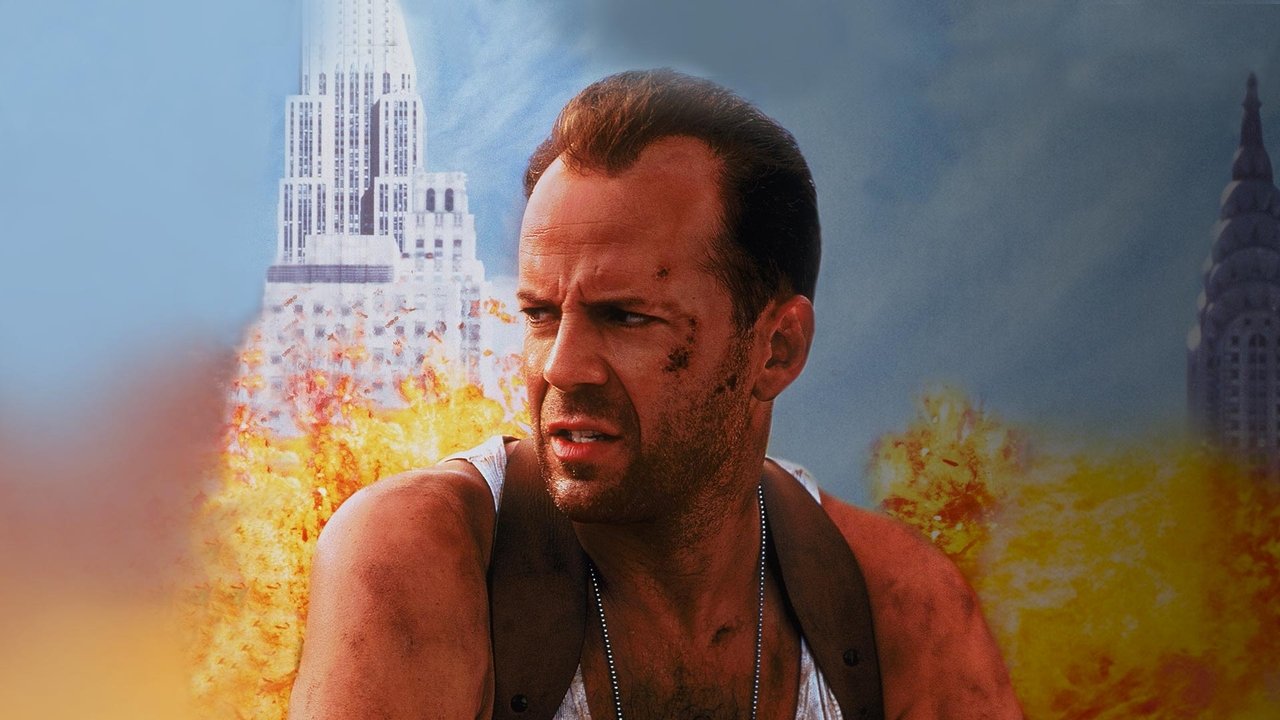
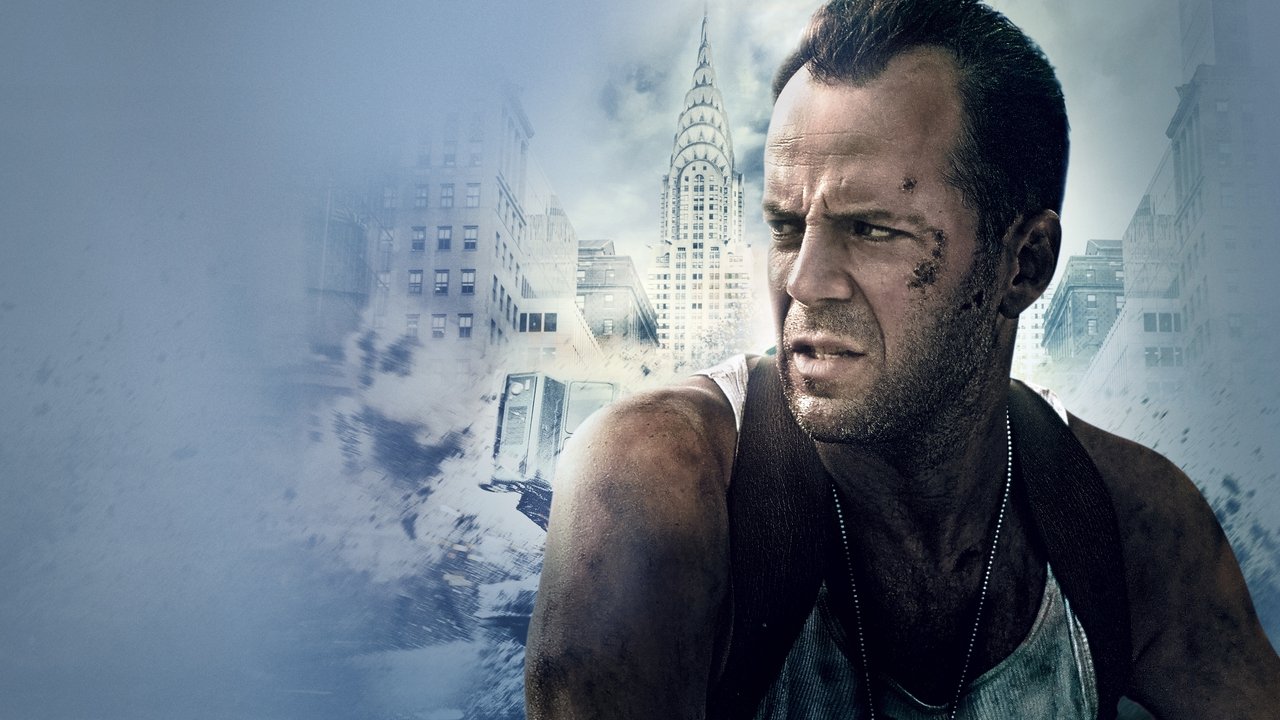
Forget Nakatomi Plaza, forget Dulles Airport. This time, New York City itself is the hostage. And our introduction to the new McClane? Hungover, suspended, and forced to wear that sign in Harlem. It's a jarring, brilliant re-entry that immediately tells you this isn't just Die Hard 2 again. This feels dirtier, hotter, more sprawling. The engine driving this chaos is a mysterious bomber calling himself "Simon," played with gleeful, almost theatrical menace by the incomparable Jeremy Irons. Simon's got a personal vendetta against McClane, forcing him into a twisted game of "Simon Says" involving riddles and bombs scattered across the sweltering summer streets of NYC.
What elevates this beyond a simple cat-and-mouse game is the reluctant, spark-filled partnership between McClane (Bruce Willis, embodying weary resilience) and Zeus Carver (Samuel L. Jackson, radiating righteous fury and instant charisma). Their forced alliance, born from Simon’s cruel games, becomes the absolute core of the film. Their bickering, their gradual respect, their shared navigation of near-death experiences – it crackles with an energy that few action movie pairings have ever matched. You absolutely believe these two guys, thrown together by fate, could actually survive this madness. It’s a testament to both actors and the sharp dialogue from writer Jonathan Hensleigh. Retro Fun Fact: Hensleigh's original script, titled Simon Says, wasn't even intended as a Die Hard film! It was retrofitted for McClane, which explains the different feel and why McClane sometimes feels like he's reacting to events rather than driving them in the early stages.

### McTiernan Brings the Grit Back
After the slicker, somewhat less grounded Die Hard 2, the return of original Die Hard director John McTiernan (the maestro behind Predator as well) felt like a homecoming. And boy, did he deliver. With a Vengeance feels visceral. The New York summer heat practically radiates off the screen. McTiernan uses the city not just as a backdrop, but as an active participant in the chaos. The sense of scale is immense, but the focus remains tight on McClane and Zeus scrambling to keep up.
This film arrived at the glorious peak of practical effects-driven action, just before CGI started smoothing all the rough edges away. Remember that insane taxi ride through Central Park? Real car, real park (mostly!), real stunt driving that felt genuinely dangerous. The subway derailment wasn't just pixels; you felt the impact, the twisted metal, the sheer destructive force – achieved through incredible miniature work and practical explosions. And the aqueduct sequence! Water flooding tunnels, trucks smashing through barriers... it all felt heavy and real because, well, it largely was. Retro Fun Fact: Filming such explosive sequences in the heart of New York City was a logistical nightmare. Production even reportedly caused a brief panic near the Wall Street set due to concerns about a real bomb after the 1993 World Trade Center bombing – life imitating art a little too closely.
### The City Under Siege
While the first film was a masterclass in contained tension, With a Vengeance excels in sprawling, adrenaline-fueled spectacle. Jeremy Irons makes Simon Gruber a worthy successor to his brother Hans (the legendary Alan Rickman). He's less overtly physical but arguably more psychologically cruel, manipulating the entire city's infrastructure for his elaborate heist hidden beneath the revenge plot. His cool, calculated pronouncements over the phone are the perfect counterpoint to McClane's frantic desperation. Supporting players like Graham Greene as a fellow cop and Larry Bryggman as the beleaguered Inspector Cobb add welcome texture to the chaos engulfing the NYPD.
The pacing is relentless. From the opening department store blast to the frantic race to defuse a bomb in an elementary school, the film rarely pauses for breath. Even the quieter moments between Willis and Jackson are charged with urgency. Was it as tightly constructed as the original? Perhaps not. Does the final act on the container ship feel slightly tacked on compared to the intricate city-wide game? Maybe. Retro Fun Fact: There was actually a significantly different ending originally filmed where Simon escapes, involving a tense confrontation and a rocket launcher, which test audiences reportedly didn't like as much as the more explosive, definitive climax we got.
### The Verdict
Die Hard: With a Vengeance was a monster hit back in '95, becoming the highest-grossing film worldwide that year, proving audiences were more than ready for McClane's return. It delivered exactly what fans wanted: bigger stakes, incredible chemistry between the leads, a cunning villain, and action sequences that felt tangible and thrillingly dangerous. It captured that mid-90s blockbuster energy perfectly – loud, explosive, and built on practical stunt work that still impresses today.
Watching it now, maybe on a worn-out tape if you're lucky, it's a potent reminder of how good mainstream action could be. The reliance on real explosions, real car crashes, and performers genuinely interacting with their environment gives it a weight that’s often missing in today’s more polished, CG-heavy spectacles.
Rating: 9/10
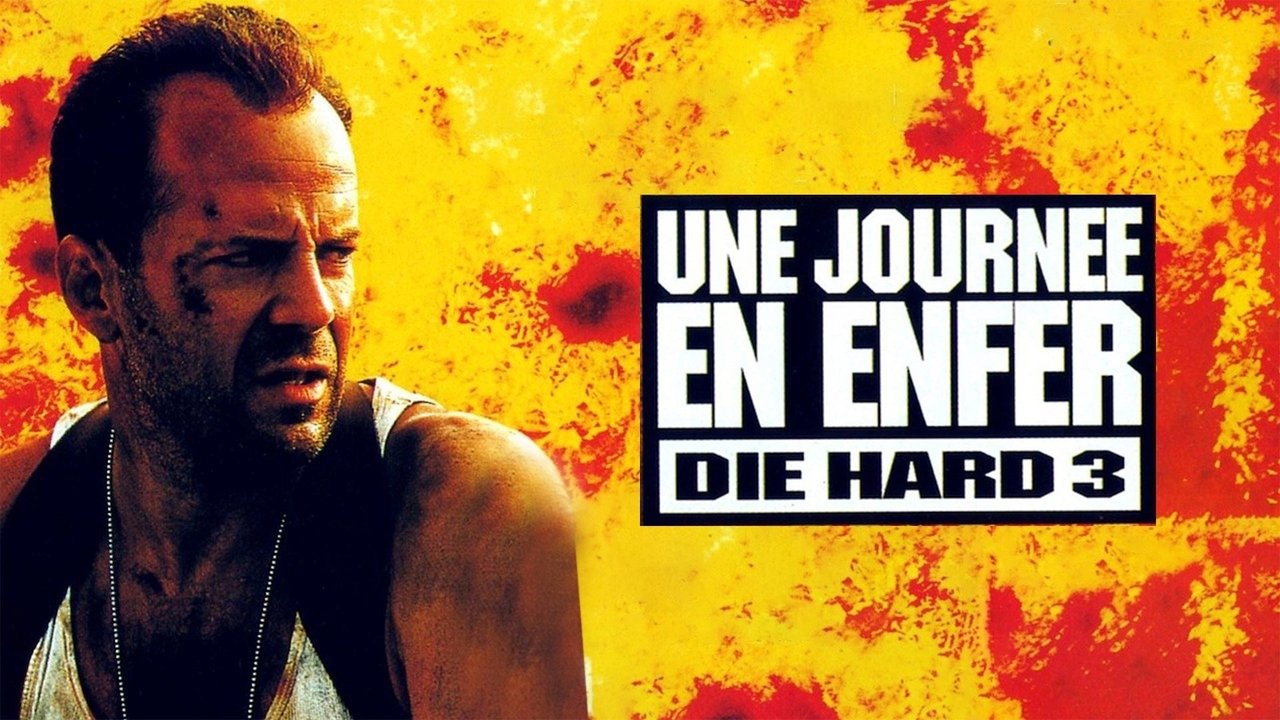
This score reflects its standing as a top-tier action sequel that recaptured the spirit of the original while expanding the canvas significantly. The incredible chemistry between Willis and Jackson, Irons' perfect villainy, McTiernan's masterful direction of practical action, and the sheer relentless energy make it a standout. It’s pure, unadulterated 90s action filmmaking at its finest.
Final Thought: It might be the last truly great old-school Die Hard – a glorious symphony of explosions, wisecracks, and gritty, practical mayhem that reminds you why sometimes, blowing things up for real just feels better. Yippee-ki-yay indeed.