Okay, picture this: the year 2000. The Y2K bug was a bust, the future felt shiny and chrome, and the Mission: Impossible franchise, fresh off Brian De Palma’s twisty, Hitchcockian 1996 original, decided to pull a stylistic 180. Forget the cerebral spy games for a moment. Enter Hong Kong action legend John Woo, fresh off Hollywood hits like Broken Arrow (1996) and the gloriously bonkers Face/Off (1997), ready to inject his signature brand of operatic, slow-motion mayhem directly into Ethan Hunt's veins. The result? Mission: Impossible II – a film that felt less like a sequel and more like Hunt had wandered onto the set of a high-budget music video directed by the god of cinematic doves. And you know what? Popping that slightly worn rental tape into the VCR back then felt like pure, unadulterated blockbuster adrenaline.
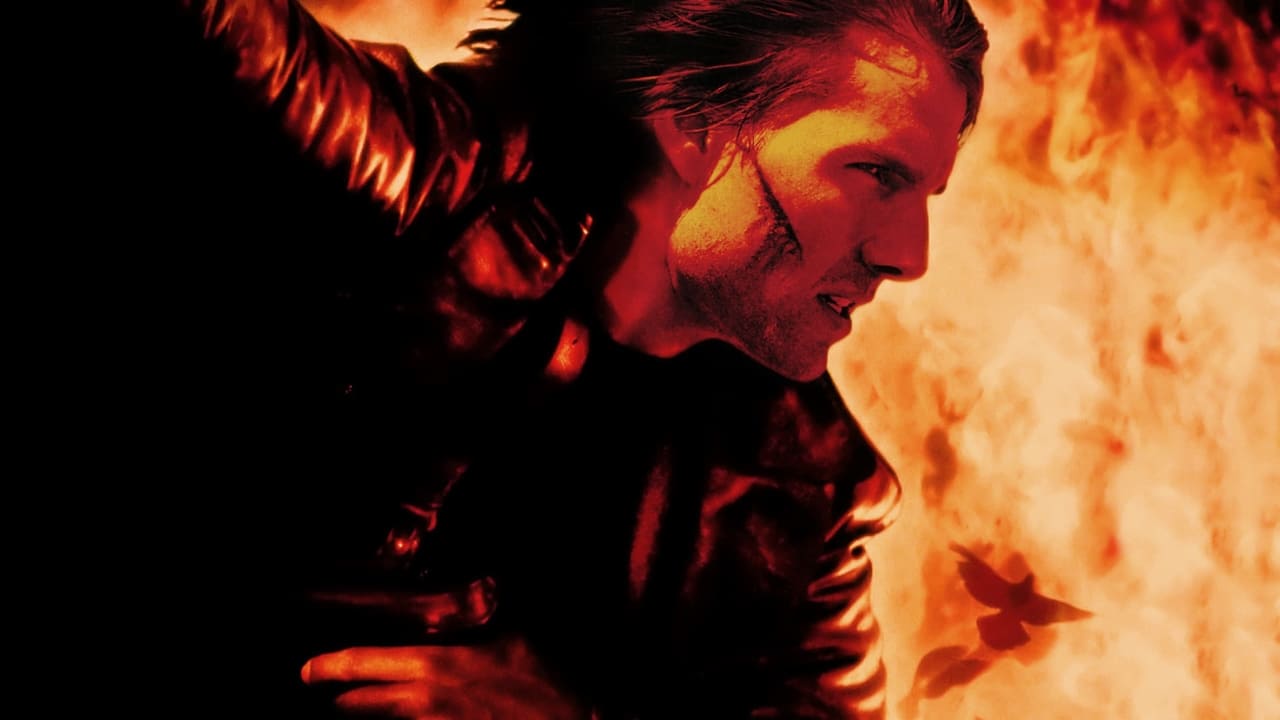
Woo-Tang Clan Ain't Nothin' to Mess With
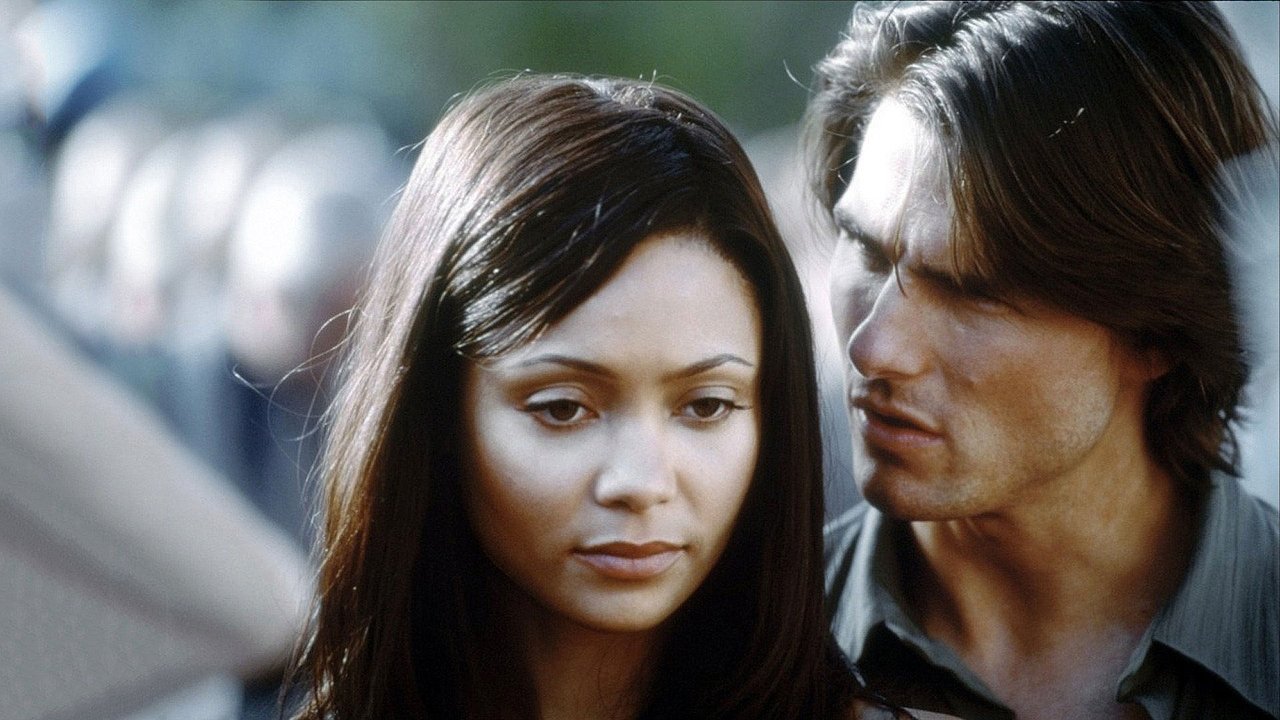
Let's be honest, the plot, penned by the legendary Robert Towne (yes, the writer of Chinatown!), feels almost secondary here. It involves a deadly genetically engineered virus called Chimera, its antidote Bellerophon, a disgruntled former IMF agent Sean Ambrose (Dougray Scott, radiating smarmy menace), and the skilled, beautiful thief Nyah Nordoff-Hall (Thandiwe Newton, then credited as Thandie Newton), who becomes both the key to the mission and Hunt's love interest. It’s serviceable, moving pieces around the globe from Spain to Sydney, but the real story is John Woo being given a massive budget (around $125 million – a hefty sum back then!) and carte blanche to do his thing. And boy, did he ever.
This isn't the intricate mask-pulling and carefully planned infiltrations of the first film. This is Ethan Hunt as a leather-clad, motorcycle-riding superhero. Remember that opening rock climbing sequence? That was largely Tom Cruise himself, dangling precariously (albeit with safety wires cleverly edited out) – a commitment to practical stunts that feels almost quaint, yet incredibly visceral, compared to today's green-screen reliance. It immediately establishes a different kind of impossible mission, one driven by sheer physical prowess and impossible cool.
Ballet of Bullets and Burning Rubber
Where M:I-2 truly earns its stripes, especially viewed through our VHS Heaven lens, is in its action sequences. Woo brings his unique Hong Kong sensibilities – the slow-motion, the dual-wielding pistols, the almost poetic compositions of chaos. The attack on the Biocyte facility feels like pure Woo, culminating in Hunt sliding on his knees, guns blazing. It's theatrical, bordering on absurd, but undeniably cool.
And that motorcycle chase towards the end? It's a masterclass in practical stunt work and kinetic energy. Real bikes, real riders (including Cruise for much of it), performing increasingly physics-defying maneuvers, culminating in that iconic mid-air collision and subsequent beach fight. Forget CGI-smoothed perfection; this had grit. You felt the impact, the danger. Remember how utterly nail-biting that knife-near-the-eye moment felt? Knowing Tom Cruise insisted on doing it practically, with the blade measured precisely (though attached to a safety cable), adds a layer of real-world tension you just don't get from digital trickery. It's raw, tangible action filmmaking.
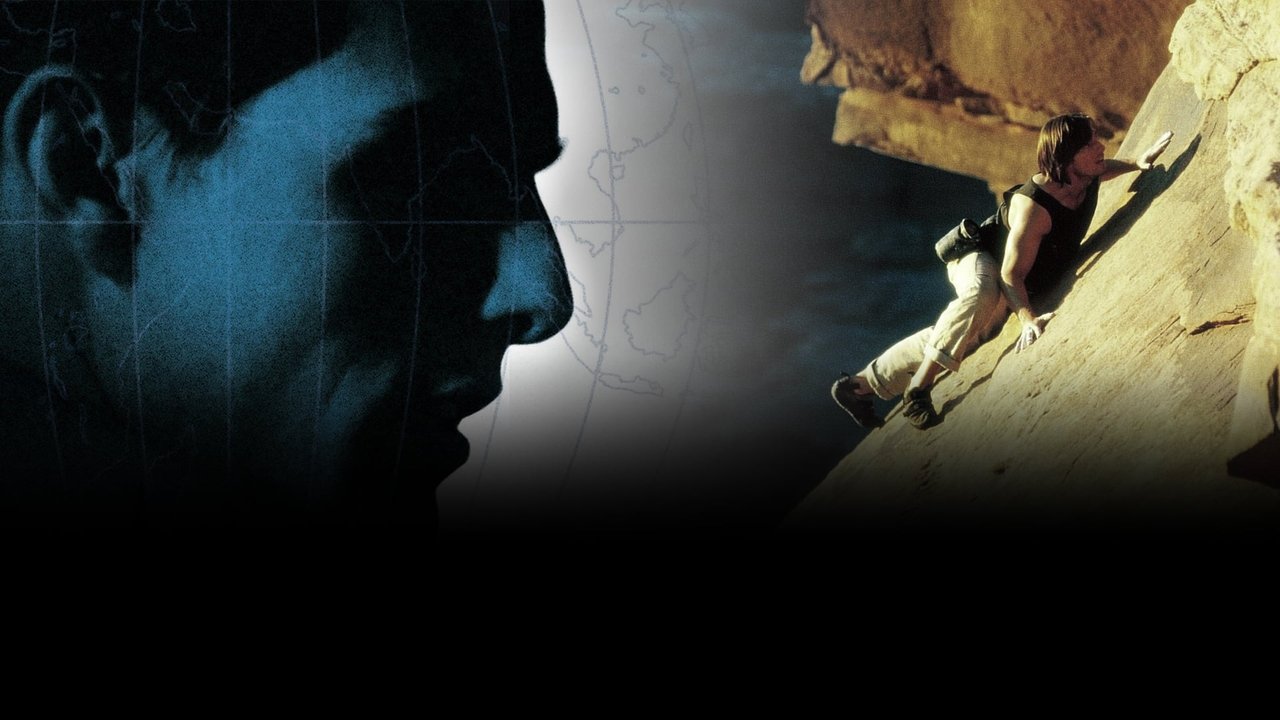
Of course, Woo’s trademarks are dialed up to eleven. The doves make their requisite appearance, fluttering dramatically through explosions. The slow-motion is everywhere, turning gunfights into elaborate ballets. It’s a style that definitely marks it as a product of its time – that late 90s/early 2000s action excess – but it’s executed with such conviction and visual flair that it’s hard not to get swept up in it. The pulsing Hans Zimmer score, infamously incorporating Limp Bizkit's take on the theme tune, further cements its Y2K-era identity.
Legacy of the Rogue Agent
Critically, M:I-2 was divisive. Some found the plot thin and the style overwhelming compared to De Palma's taut thriller. Audiences, however, turned up in droves, making it a massive global hit (grossing over $546 million worldwide). It proved the franchise had legs and could adapt different directorial flavours. It also cemented Tom Cruise as not just a star, but an action daredevil willing to put his body on the line. Fun fact: Dougray Scott was famously cast as Wolverine in the first X-Men (2000) film, but production delays on M:I-2 forced him to drop out, paving the way for Hugh Jackman. Talk about a sliding doors moment in action movie history!
While later Mission: Impossible films (like the brilliant Fallout or Rogue Nation, directed by Christopher McQuarrie) found a more consistent blend of practical action and intricate plotting, M:I-2 remains a fascinating outlier. It’s the most stylistically unique entry, a pure John Woo action symphony wrapped in an IMF mission structure.
Rating: 7/10
Justification: The plot is undeniably flimsy compared to its predecessor and some later entries, and the sheer Woo-ness can feel over-the-top. However, the practical stunt work is spectacular, Tom Cruise's commitment is electrifying, and John Woo's signature action choreography delivers genuinely thrilling, visually stunning sequences that were peak blockbuster excitement back in 2000. It's pure style over substance, but oh, what style!
Final Take: A glorious blast of turn-of-the-millennium action extravagance. It might lack the narrative depth of other missions, but for sheer visual flair and high-octane, practically-achieved thrills (plus impossible hair physics), M:I-2 remains a wildly entertaining ride, best enjoyed loud, preferably with a slightly fuzzy picture. Accept this mission again sometime soon.