There's a particular chill that settles in long after the VCR clicks off, a disquiet that certain films leave behind. It’s not the jump-scare jolt of horror, nor the adrenaline residue of action, but something more profound, a subtle shifting of perspective. Edward Yang’s 1986 masterpiece, Terrorizers (original title: Kǒngbù Fènzǐ), is precisely that kind of film – a haunting mosaic of urban lives brushing against each other in Taipei, sometimes glancingly, sometimes with shattering force. Forget the neon glow often associated with 80s cinema; this is the stark fluorescence of isolation under the surface of a bustling metropolis.

Threads in a City's Fabric
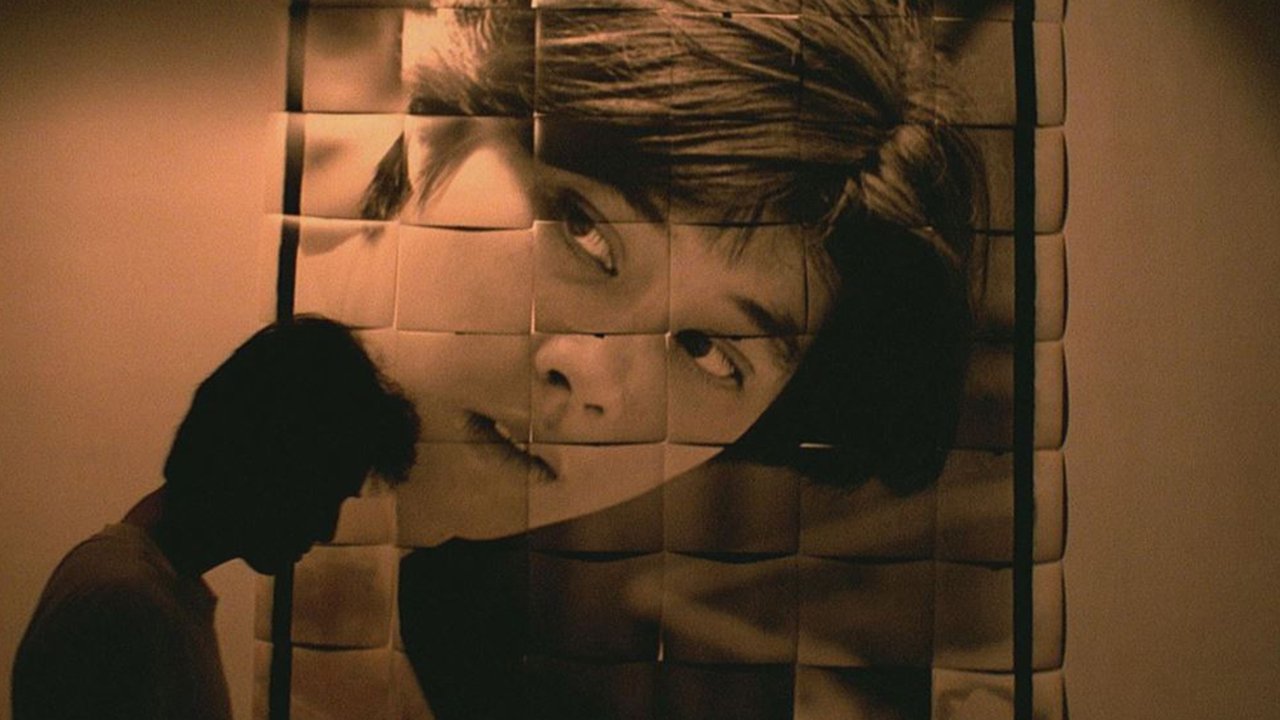
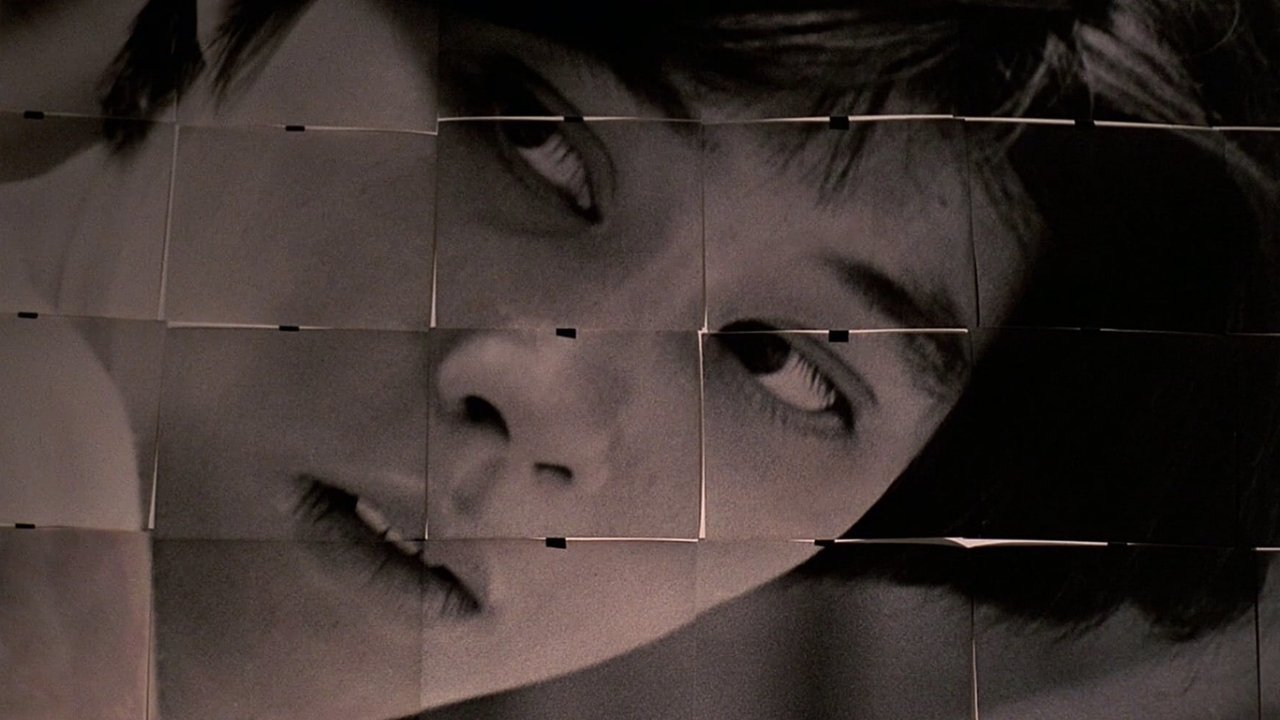
Terrorizers doesn’t offer a straightforward plot so much as it weaves together disparate narrative threads. We meet a novelist, Zhou Yufen (Cora Miao), struggling with writer's block and trapped in a decaying marriage to Li Lizhong (Li Li-chun), a frustrated medical technician desperate for promotion. Elsewhere, a young, troubled woman known only as "White Chick" (Wang An) escapes a life of petty crime with her boyfriend, inadvertently setting off a chain reaction after a prank phone call. Watching from the periphery is a disillusioned young photographer (Chin Shih-chieh) who captures a fleeting image of White Chick fleeing a crime scene, an image that becomes both obsession and catalyst. These lives, initially separate, begin to intersect and unravel through chance encounters, misunderstandings, and acts of quiet desperation.
Yang, a pivotal figure in the Taiwanese New Wave alongside contemporaries like Hou Hsiao-hsien (A City of Sadness, 1989), paints a portrait of Taipei that feels both specific and universal. It's a city teeming with life, yet the characters drift through it like ghosts, disconnected even from those closest to them. The apartments feel like sterile boxes, the workplaces like labyrinths of bureaucratic indifference. There's a palpable sense of ennui hanging heavy in the air, a modern malaise that feels eerily prescient decades later. Doesn't this echo the subtle alienations we navigate even now, surrounded by technology meant to connect us?
The Weight of Observation
Central to the film's power are the acts of watching and creating. The photographer captures moments, freezing reality, yet his obsession isolates him further. Zhou, the novelist, mines her own disintegrating life and the fabricated drama instigated by White Chick's phone call for her fiction, blurring the lines between lived experience and narrative exploitation. Edward Yang, who famously studied engineering before turning to film, directs with an almost chilling precision. His compositions are meticulous, often using doorways, windows, and reflections to frame characters, emphasizing their confinement and separation. Long takes force us to sit with the characters in their uncomfortable silences, observing the mundane details that mask simmering turmoil. There’s a story, perhaps apocryphal but fitting, that Yang would meticulously plan every shot, leaving little room for improvisation, reflecting the sense of inescapable fate that permeates the film. This wasn't fast-paced entertainment; it was cinematic architecture, carefully constructed to elicit a specific, unsettling mood.
Performances of Quiet Truth
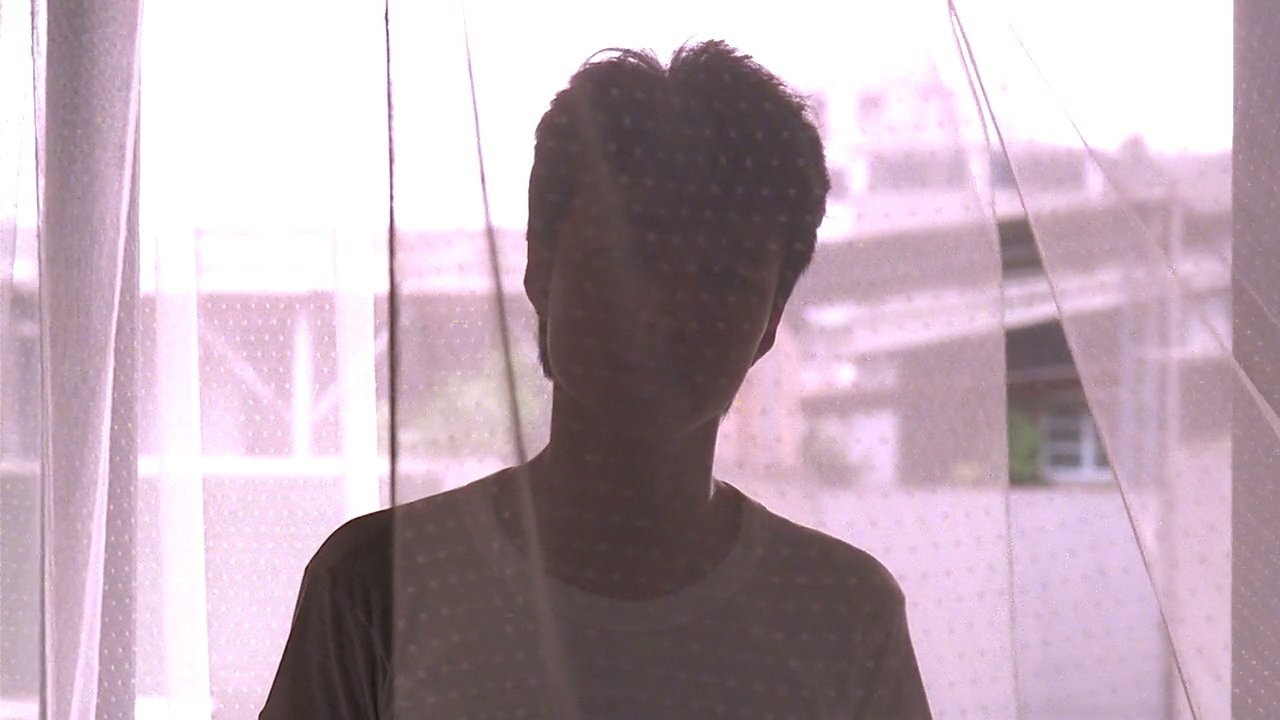
The acting throughout Terrorizers is remarkable for its restraint and authenticity. Cora Miao, a celebrated actress often seen in Hong Kong cinema, delivers a nuanced portrayal of Zhou's quiet desperation and intellectual detachment. Her weariness feels bone-deep, her eventual creative surge both unsettling and cathartic. Li Li-chun, as her husband, masterfully conveys the frustration of a man whose professional ambitions and personal life are slowly eroding. His suppressed anger and moments of vulnerability are heartbreakingly real. And Chin Shih-chieh embodies the aimless searching of the young photographer, his lens capturing the city's surfaces while he remains detached from its soul. Even Wang An as the impulsive White Chick brings a raw energy that disrupts the carefully controlled lives around her. These aren't performative roles; they feel like glimpses into genuinely troubled lives, making the eventual convergences all the more impactful.
A Hidden Gem From the Era
Finding a film like Terrorizers back in the video store days felt like uncovering a secret. It likely wasn't on the main display alongside the latest Schwarzenegger epic or John Hughes comedy. This was something different, tucked away perhaps, discovered through a discerning clerk's recommendation or a curious browse through the "Foreign Films" section, often a treasure trove if you knew where to look. While it garnered significant acclaim in Taiwan, winning Best Feature Film at the prestigious Golden Horse Awards, its intricate structure and demanding tone meant it wasn't typical VHS rental fare in the West. Yet, its power is undeniable. It lacks easy answers or neat resolutions, forcing viewers to confront uncomfortable questions about responsibility, consequence, and the invisible threads that connect us all in the urban sprawl. Who, ultimately, are the "terrorizers"? The petty criminals? The detached observers? Or the societal pressures that push individuals to their breaking points?
The film’s stark opening – a sudden burst of violence during a police raid – sets a tone that lingers. It’s a reminder that beneath the surface of everyday life, chaos can erupt without warning. The sound design, often minimalist, emphasizes the ambient noise of the city, punctuated by moments of jarring silence or sudden intensity, further amplifying the feeling of unease.
Rating and Final Reflection

Terrorizers is a challenging, complex, and deeply rewarding film, a cornerstone of Taiwanese cinema and a testament to Edward Yang's singular vision. It dissects modern urban life with surgical precision and profound empathy.
Rating: 9/10 - This score reflects the film's masterful direction, outstanding performances, thematic depth, and enduring relevance. It's a near-perfect execution of a challenging concept, hampered only slightly for some viewers by its deliberate pacing and potentially alienating coolness – though these are arguably integral to its artistic success.
What lingers most powerfully after watching Terrorizers isn't a specific scene, but the cumulative weight of its observations – the quiet desperation in a glance, the gulf between people sharing the same space, the chilling realization of how easily lives can be derailed by unseen forces. It’s a film that doesn’t just entertain; it burrows under your skin, a haunting echo from the past that speaks volumes about the present. A true, if perhaps less-heralded, titan of 80s world cinema.