It often starts with an image, doesn't it? For Sidney Lumet's Power (1986), it might be the frantic energy of a campaign trail, the cool glow of a television studio, or perhaps the calculated intensity in Richard Gere's eyes. Here's a film that arrived packaged like a slick political thriller, yet beneath the surface hums a quieter, more troubling question: what happens to the soul when manipulating perception becomes your entire world? It wasn't a box office smash – far from it, pulling in just $3.7 million against a $6 million budget (that's about $10.3 million gross against $16.7 million spend today) – but revisiting it now, on that imaginary worn VHS tape from the back shelf, reveals a surprisingly resonant, if sometimes uneven, exploration of media, ethics, and the seductive nature of control.
The Image Makers
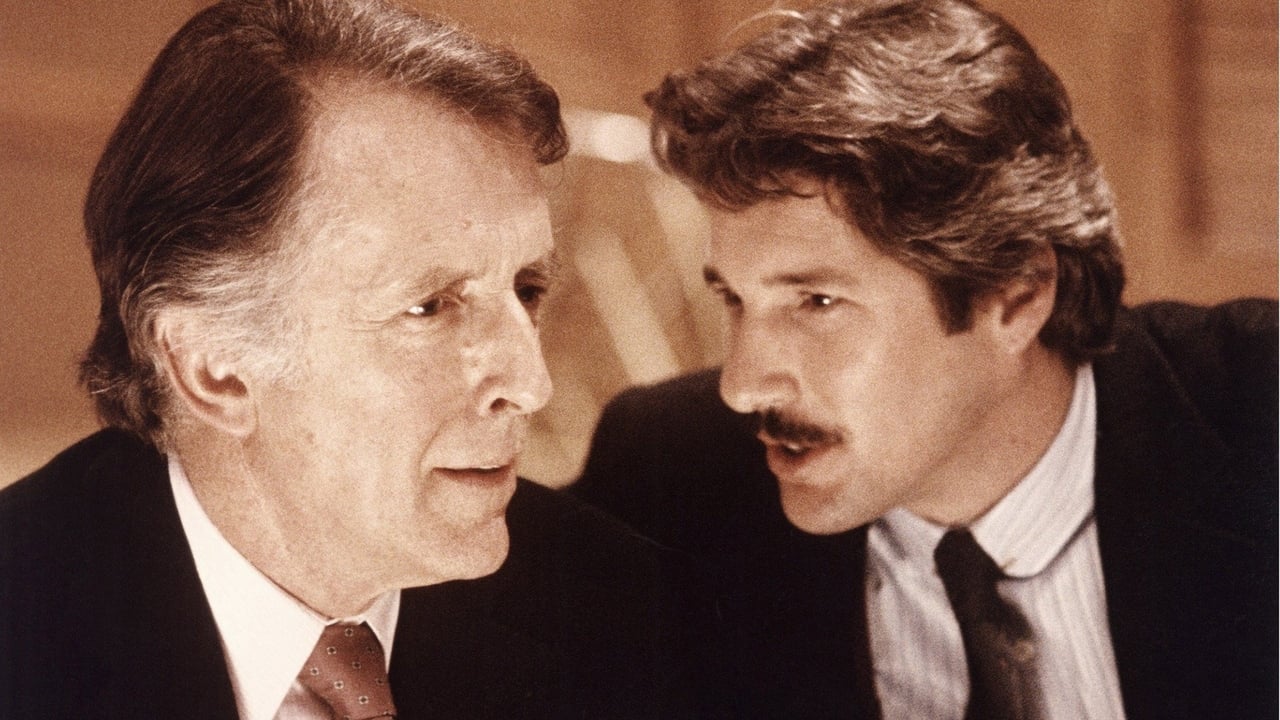
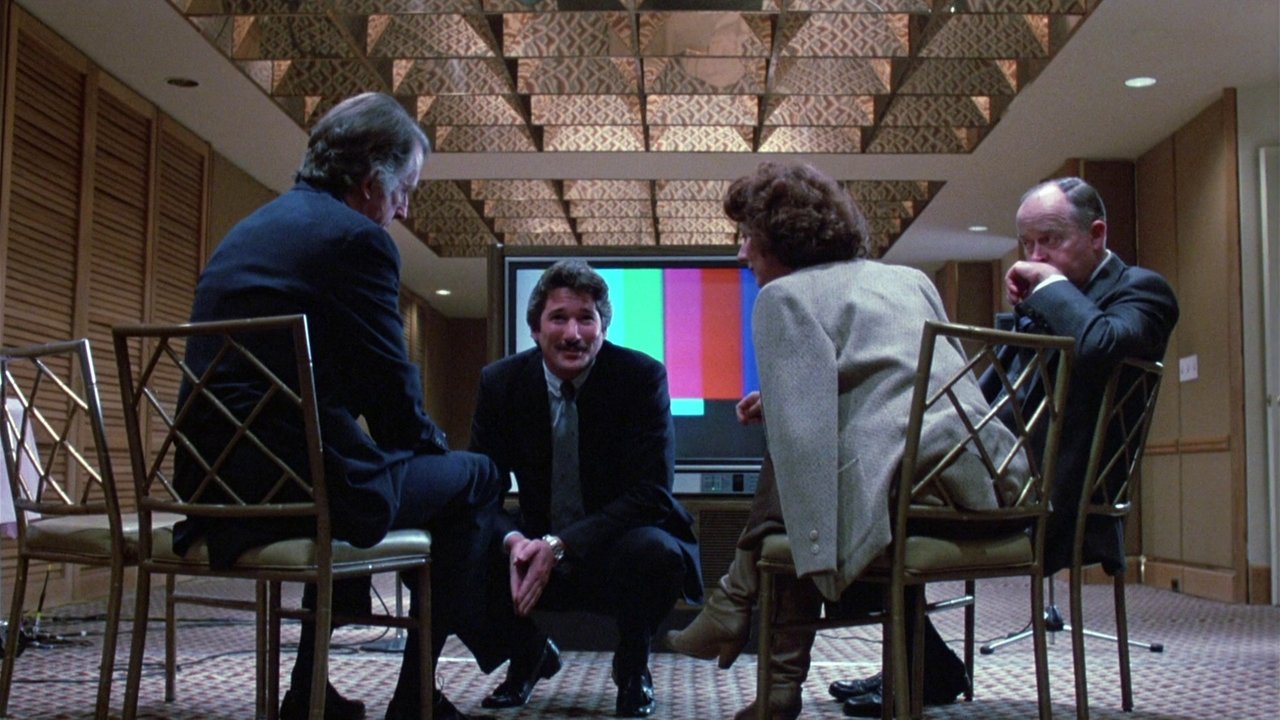
At the heart of Power is Pete St. John (Richard Gere), a high-flying media consultant who crafts political candidates like products. He’s brilliant, charismatic, ruthless – a maestro of the soundbite and the staged event. Gere, then arguably at the peak of his leading man status following hits like An Officer and a Gentleman (1982), embodies St. John's slick professionalism but also hints at the hollowness beneath. He sells candidates across the political spectrum, seemingly indifferent to their actual beliefs, focusing only on the win. His process is fascinatingly depicted – the polling, the focus groups, the ruthless pruning of authenticity in favour of electability. It’s a world that felt cutting-edge in '86, inspired by the real-life rise of consultants who were reshaping American politics. Screenwriter David Himmelstein tapped into something very current, a behind-the-scenes exposé that felt both cynical and necessary.
Lumet's Lens on Corruption
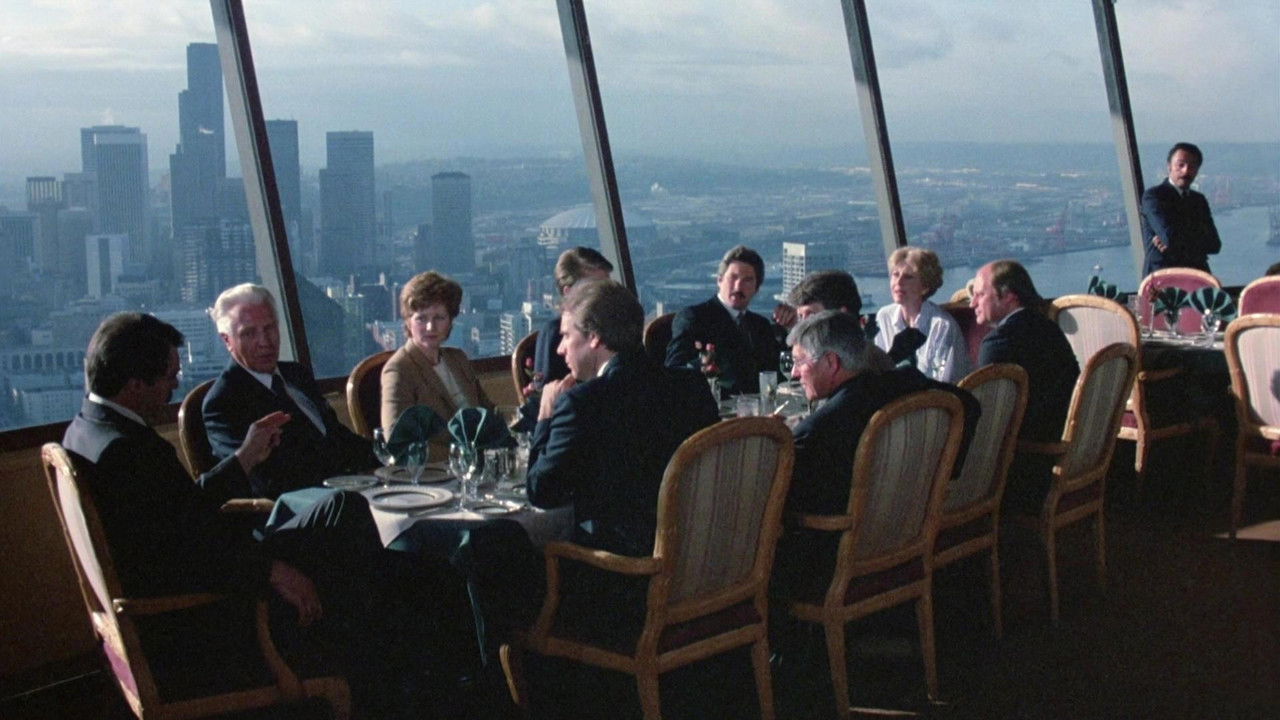
Director Sidney Lumet, a master of dissecting institutional rot and moral compromise in films like Network (1976) and Dog Day Afternoon (1975), brings his characteristic grounded realism to the proceedings. There’s little stylistic flash here; instead, Lumet focuses on the characters and the mechanics of St. John's operation. He lets the inherent drama of the situation – the ethical tightrope walks, the personal compromises – speak for itself. Cinematographer Andrzej Bartkowiak (who shot several Lumet films, including Prince of the City) captures the contrasting worlds St. John navigates: the glossy artificiality of campaign ads and the often drab reality of hotel rooms and back offices across locations like Seattle, New York, and Washington D.C.
The film gains considerable weight from its supporting cast. Julie Christie, bringing her signature intelligence and quiet strength, plays Ellen Freeman, St. John’s journalist ex-wife. Their relationship provides an emotional anchor and a moral counterpoint. Freeman represents the principled journalism St. John seemingly left behind, and Christie makes her concern feel genuine, not just a plot device. Their scenes together crackle with the history of a shared past and divergent paths. Is there still a connection, or have their worlds become irrevocably incompatible?
The Weary Mentor

And then there's Gene Hackman as Wilfred Buckley, St. John's former mentor, now a disillusioned alcoholic operating on the fringes. Hackman is, as always, magnificent. Buckley is the ghost of politics past, a reminder of a time (perhaps mythical) when substance mattered more than style. He sees the dangerous game St. John is playing, the soullessness of reducing ideals to marketable images. Hackman delivers his lines with a weary gravity that suggests deep wounds and profound disappointment. His presence elevates the film significantly, providing the necessary perspective on St. John's trajectory. It's a performance that feels lived-in, authentic, a perfect contrast to Gere's calculated polish.
More Relevant Than Ever?
Watching Power today is an interesting experience. Some elements feel distinctly '80s – the chunky computers, the specific political references – but its core themes are startlingly contemporary. The obsession with image over substance, the manipulation of media narratives, the ethical vacuums in political campaigning... sound familiar? The film poses questions about the responsibility of those who shape public perception, questions that loom even larger in our current hyper-mediated age. What happens when the "selling" of a candidate overshadows any genuine connection with the electorate?
While Power is intelligent and features strong performances, it’s not without its flaws. The plot, involving conspiracies and conflicting campaigns, can feel a little convoluted at times, and perhaps it tries to cover too much ground. It lacks the sheer dramatic punch of Lumet’s greatest works; it’s more of a slow burn, a character study wrapped in thriller clothing. Its commercial failure might suggest audiences in 1986 weren't quite ready for its brand of political cynicism, or perhaps the marketing, with taglines like "It seduces. It corrupts. It consumes.", didn't quite capture its more nuanced tone.
Rating: 7/10
Power earns a solid 7. It's a well-acted, thoughtfully directed film that tackles significant themes with intelligence. Gere delivers a compelling performance as the slick consultant on the edge, Christie provides the necessary moral grounding, and Hackman is simply outstanding as the cautionary tale. Lumet's assured direction keeps the focus tight, even if the script occasionally meanders. While it might not have set the box office alight or achieved the iconic status of some of Lumet's other masterpieces, its critique of media manipulation feels sharper and more relevant now than ever.
It remains a fascinating snapshot of a turning point in political communication, a cautionary tale whose echoes reverberate strongly in the static-filled noise of our own times. What lingers most isn't necessarily the plot twists, but the unsettling feeling of watching ideals get packaged, polished, and sold to the highest bidder.