There's a specific kind of chill that settles in the air when watching a well-crafted Alan J. Pakula thriller. It’s not the jump-scare variety, but a deeper, more unsettling unease – the sense that unseen eyes are watching, that powerful forces are moving just beyond the frame. Watching The Pelican Brief again, decades after first sliding that familiar black cassette into the VCR, that feeling rushes right back. It begins not with a bang, but with the quiet, almost academic intensity of a young law student uncovering a truth too dangerous to exist.
A Theory Too Close to Home
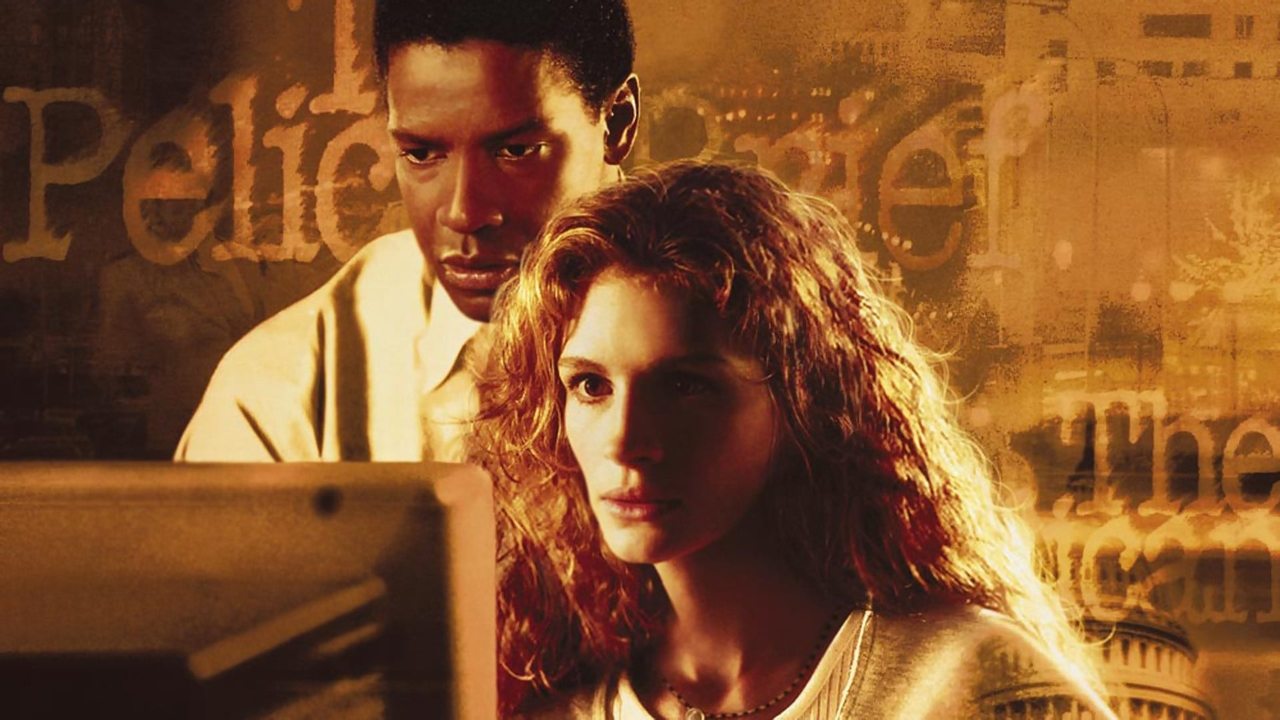
The premise, adapted from John Grisham’s runaway bestseller, feels almost quaintly complex by today's standards, yet utterly gripping. When two Supreme Court justices are assassinated, Tulane law student Darby Shaw (Julia Roberts) crafts a speculative legal brief – the titular "Pelican Brief" – theorizing who might be behind it and why. It’s intended as a mental exercise, a flight of fancy shared only with her professor and lover, Thomas Callahan (Sam Shepard, bringing his signature weathered gravitas to a tragically brief role). But when her theory proves unnervingly accurate, the brief falls into the wrong hands, Callahan is killed in a targeted bombing meant for her, and Darby finds herself the target of shadowy figures with seemingly limitless reach. Her only potential ally? Investigative journalist Gray Grantham (Denzel Washington) of the Washington Herald.
What unfolds is less an action-packed chase and more a masterclass in escalating paranoia. Alan J. Pakula, who gave us the definitive conspiracy thrillers Klute (1971) and All the President's Men (1976), understood intrinsically how to build tension through stillness, through glances held a second too long, through the sudden emptiness of a street or the impersonal menace of a darkened parking garage. He doesn’t rely on frantic editing or bombastic scores (though James Horner provides a suitably tense one); instead, he uses space, silence, and the expressive faces of his actors to convey the tightening net around Darby.
Stars Aligning Under Pressure
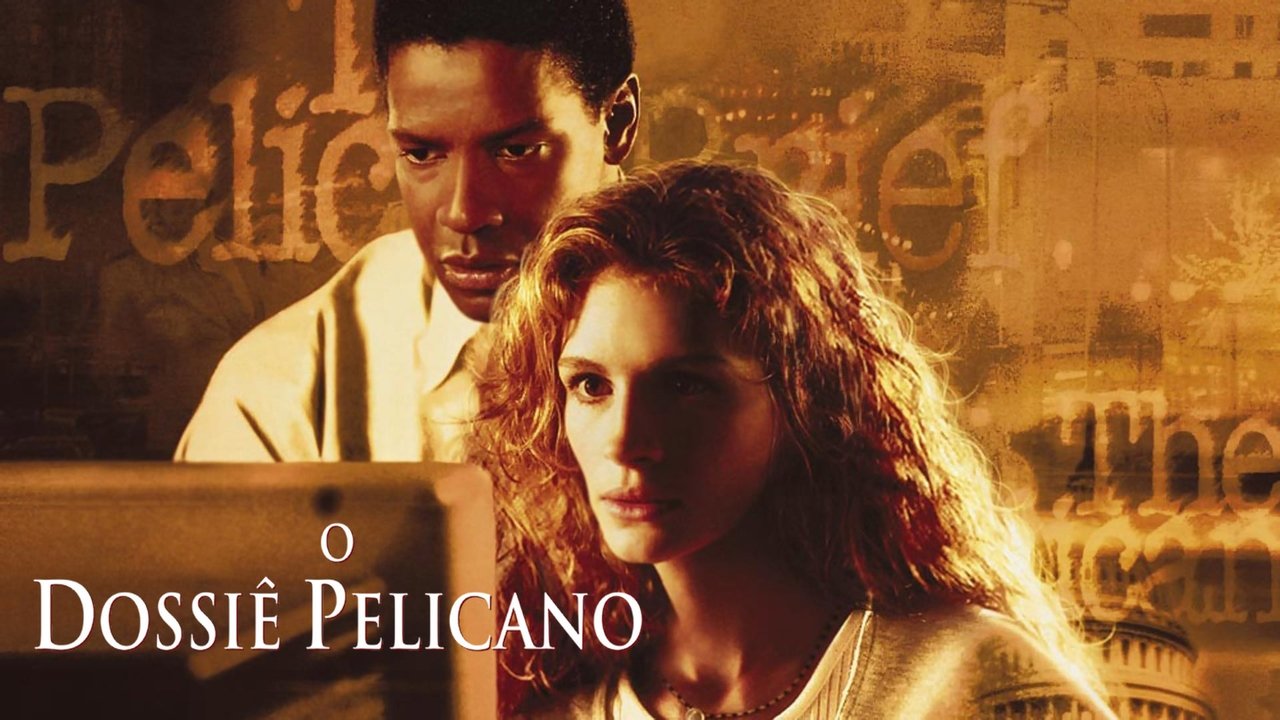
The casting here was a masterstroke, wasn't it? Julia Roberts, arguably at the peak of her global stardom following Pretty Woman (1990) and Sleeping with the Enemy (1991), sheds the easy charm for something far more compelling: raw intelligence mixed with palpable fear. You see the sharp mind working behind the terrified eyes. Reportedly, Roberts was so keen on the role that she agreed to a lower salary ($8 million instead of her then-standard $10M+) just to play Darby Shaw – a testament to the strength of the character and the allure of working with Pakula.
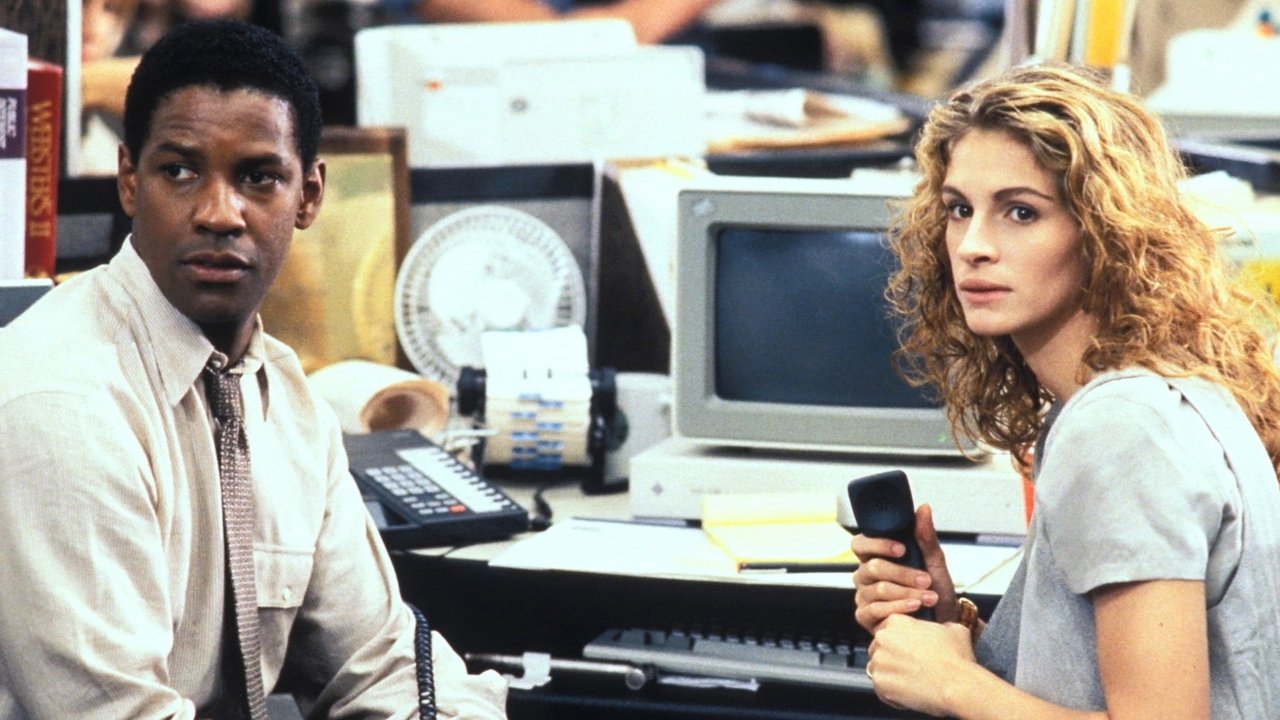
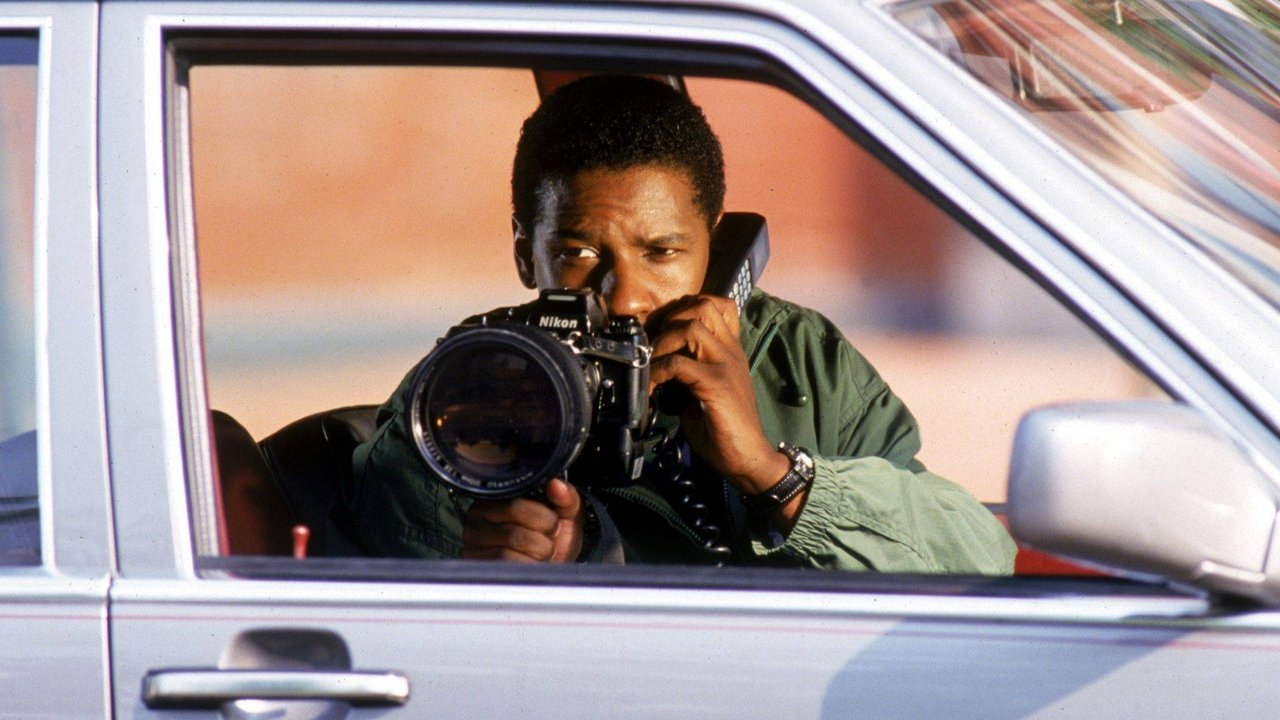
And then there’s Denzel Washington. Fresh off his Oscar win for Glory (1989) and solidifying his leading man status, he embodies Gray Grantham with a weary integrity and cool professionalism that perfectly complements Roberts' frayed vulnerability. Interestingly, Washington initially hesitated, feeling the character wasn't fully fleshed out in the script. It took persuasion from Pakula and Roberts, along with expansions to the role, to bring him aboard. Their on-screen chemistry is remarkable precisely because it isn't overtly romantic. It’s a partnership forged in mutual desperation and a shared commitment to uncovering the truth, a connection built on trust rather than attraction, which feels refreshingly mature.
Pakula's Pursuit of Realism
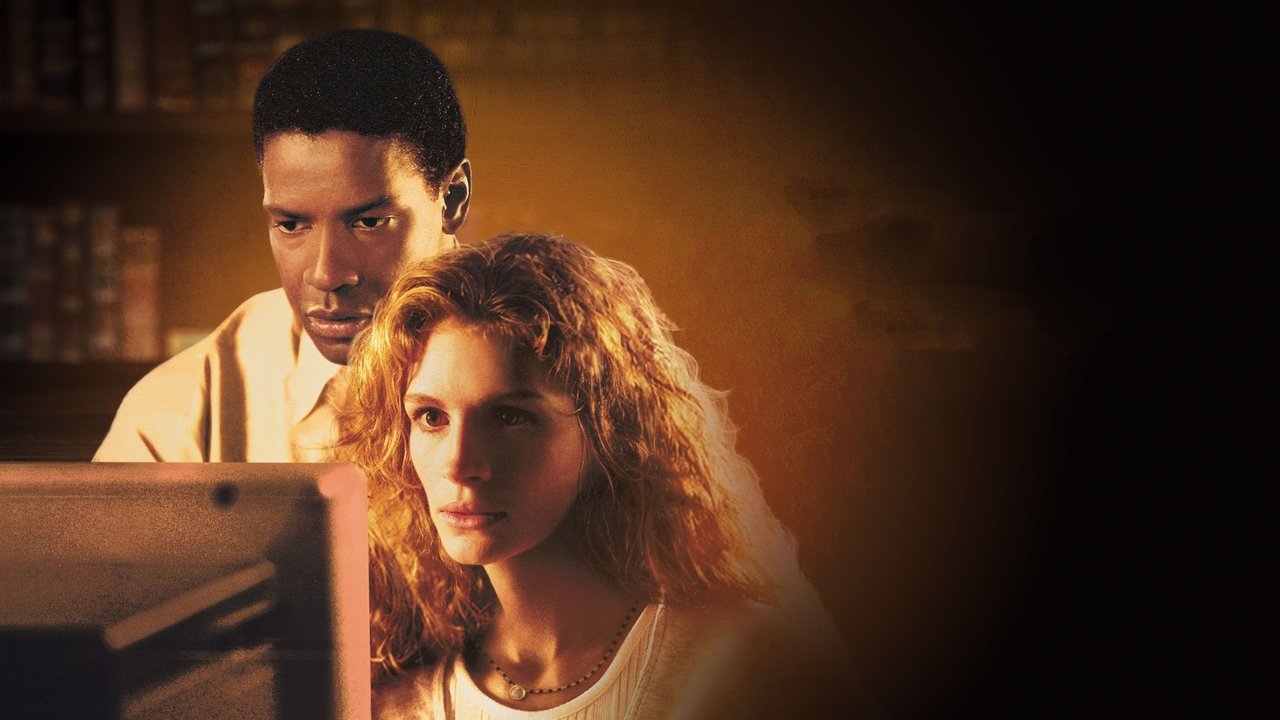
Pakula’s dedication to authenticity grounded the film’s more labyrinthine plot points. He co-adapted the screenplay himself and insisted on a level of realism that elevates it beyond a standard potboiler. A fascinating tidbit: Pakula secured permission to film scenes inside the actual Library of the Supreme Court of the United States – a rare privilege that adds an undeniable layer of verisimilitude. You feel the weight of the institutions involved. This pursuit of realism, combined with the tight timeframe (the film hit screens barely a year after the novel's publication), contributes to the film's urgent, ripped-from-the-headlines feel, even now. The film certainly connected with audiences, turning its substantial (for the time) $45 million budget into a global haul of nearly $200 million – Pakula’s biggest box office success.
Echoes in the Political Fog
Watching The Pelican Brief in the early 90s felt significant. It tapped into a post-Cold War unease, shifting anxieties from foreign enemies to corruption festering within the halls of power – a theme Grisham explored repeatedly. The plot, involving environmental exploitation in Louisiana wetlands and corporate greed reaching the highest levels of government, feels perhaps even more relevant today. Doesn't the central question – how can one individual stand against entrenched, corrupt systems? – still resonate deeply?
The supporting cast, including John Heard, Tony Goldwyn, Stanley Tucci (as the chillingly efficient assassin Khamel), John Lithgow, and the venerable Hume Cronyn, all add layers to the conspiracy, making the threat feel pervasive and inescapable. Pakula uses them expertly, often in brief scenes that maximize their impact.
While some might find the plot’s intricate web of connections a bit dense, requiring close attention (perhaps easier on a rewind-friendly VHS than a streaming click), the payoff is a thriller that engages the mind as much as it quickens the pulse. It relies on intelligence, deduction, and nerve, rather than just firepower.
***
VHS Heaven Rating: 8/10
Justification: The Pelican Brief stands as a prime example of the high-quality, star-driven adult thriller that Hollywood excelled at in the 90s. Pakula's masterful direction creates palpable suspense, Roberts and Washington deliver charismatic and intelligent performances with genuine chemistry, and the complex plot, while demanding attention, feels satisfyingly intricate. It's grounded by a commitment to realism and tackles themes of corruption and individual courage that remain potent. It might lack the raw grit of Pakula's 70s masterpieces, but it’s a slick, supremely well-crafted studio picture that holds up remarkably well.
Final Thought: More than just a star vehicle, this film is a reminder of Alan J. Pakula’s unique talent for making paranoia feel palpable on screen, leaving you wondering who might be listening, even after the tape stopped rolling.