What happens when the line between admiration and deception blurs so completely that reality itself seems to bend? This isn't the setup for a high-concept sci-fi thriller, but the strange, true heart of Abbas Kiarostami's extraordinary 1990 film, Close-Up (Persian: Nema-ye Nazdik). Finding this film back in the day, perhaps tucked away in the "World Cinema" section of a particularly adventurous video store, felt like uncovering a secret – a cinematic experience unlike anything else on the shelves, radiating a quiet intensity that stays with you long after the tape rewound.
A Truth Stranger Than Fiction
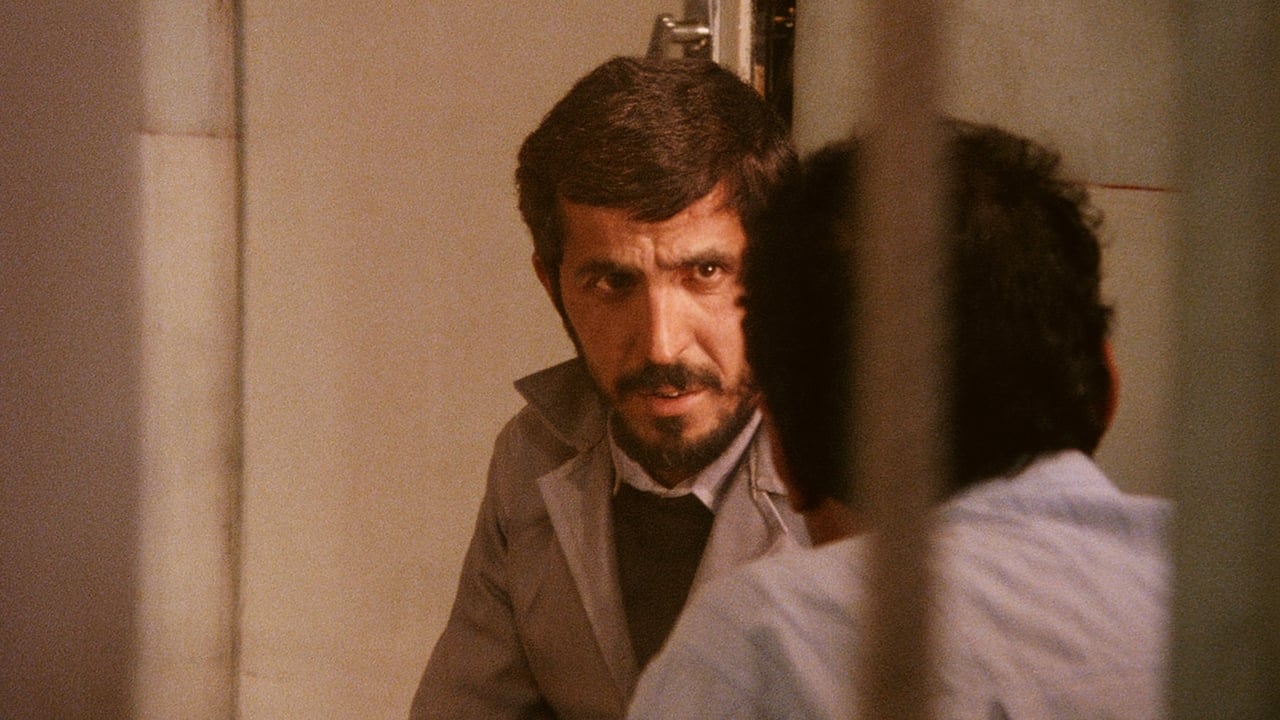
The premise alone is captivating enough to sound like pure invention. An unemployed print-shop worker and devoted cinephile, Hossain Sabzian, finds himself impersonating the acclaimed Iranian filmmaker Mohsen Makhmalbaf (director of films like The Cyclist (1987) and later Kandahar (2001)). He doesn't do it for money or malice, but seemingly out of a deep-seated love for cinema and a desire for the respect and connection he feels lacking in his own life. He insinuates himself into the lives of the Ahankhah family, promising them roles in his next film, discussing art, and basking in their admiration. Eventually, suspicion grows, the deception unravels, and Sabzian is arrested for fraud.
Here's where Close-Up diverges from any conventional narrative. Kiarostami, having read about the incident in a magazine, saw something profound in Sabzian's story. He gained permission to film the actual court proceedings and, crucially, convinced the real individuals involved – Sabzian, the Ahankhah family, and even Makhmalbaf himself – to re-enact key moments leading up to the arrest. The result is a mesmerizing hybrid, a docu-fiction experiment where the boundaries dissolve entirely. Is Sabzian acting now, performing his past self for Kiarostami's camera, or is this simply who he is?
The Face of Empathy
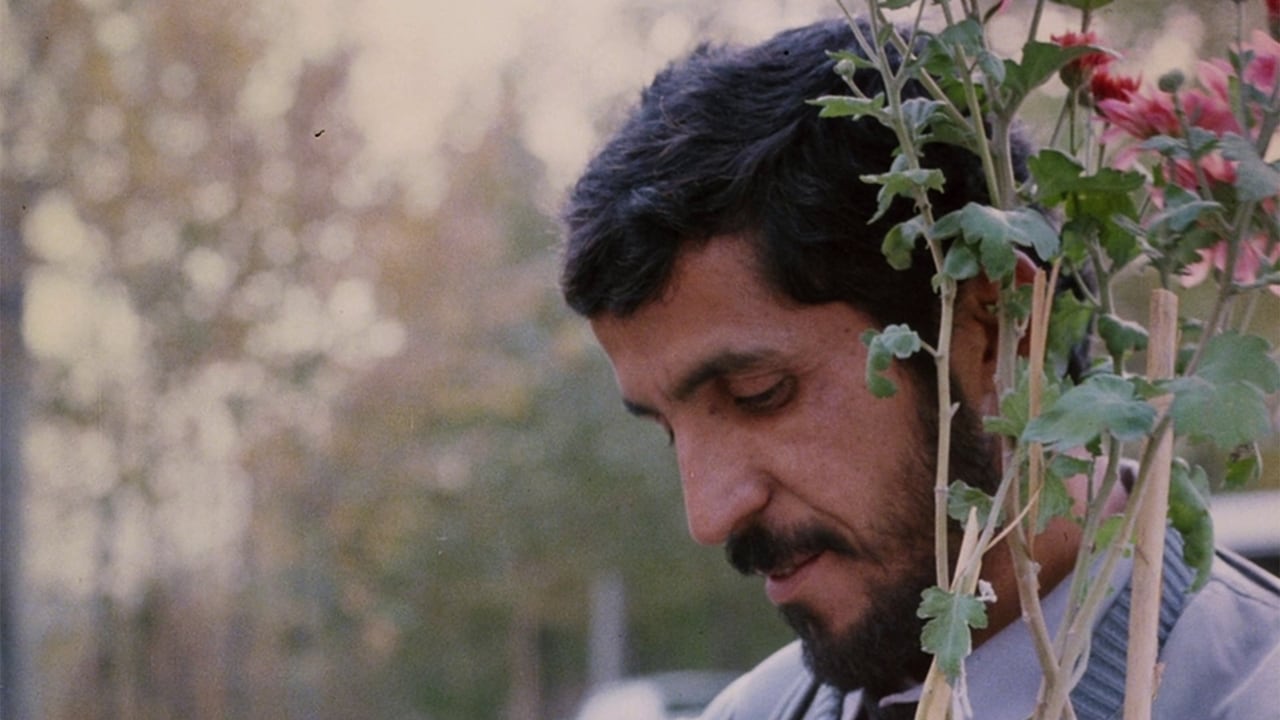
The film hinges on the performance – or perhaps, the being – of Hossain Sabzian. Playing himself, he presents a figure of immense complexity. He's not portrayed as a simple conman. Kiarostami's camera lingers on his face, capturing his vulnerability, his shame, his moments of surprising eloquence about the power of film, and the quiet desperation that drove his actions. We see the trial not just as a legal procedure, but as a forum for understanding. The judge, the family, even Makhmalbaf when he appears, grapple with Sabzian's motivations. What does it mean to identify so strongly with an artist, with cinema itself, that you feel compelled to embody it?
Kiarostami, known for his patient, observational style (later seen in masterpieces like Taste of Cherry (1997)), employs it masterfully here. The long takes, particularly during the trial and the re-enactments, force us to confront the situation alongside the participants. There's a raw intimacy, stripped of dramatic scoring or manipulative editing. The grainy 16mm footage used for the re-enactments contrasts subtly with the video footage of the trial, further playing with layers of reality and representation. It’s a technique Kiarostami reportedly employed partly out of necessity, working quickly and with limited resources, but it becomes integral to the film's texture and meaning.

More Than Just a Movie About Movies
While Close-Up is deeply self-reflexive, meditating on the nature of cinema, identity, and the relationship between filmmaker and subject, it transcends being merely an intellectual exercise. It's profoundly human. We witness the Ahankhah family grappling with their feelings – the initial excitement, the betrayal, but also a growing sense of empathy for the man who deceived them. The film asks us difficult questions: Where does fandom end and obsession begin? Can art provide solace or escape, and at what cost? How much of our own identity is a performance?
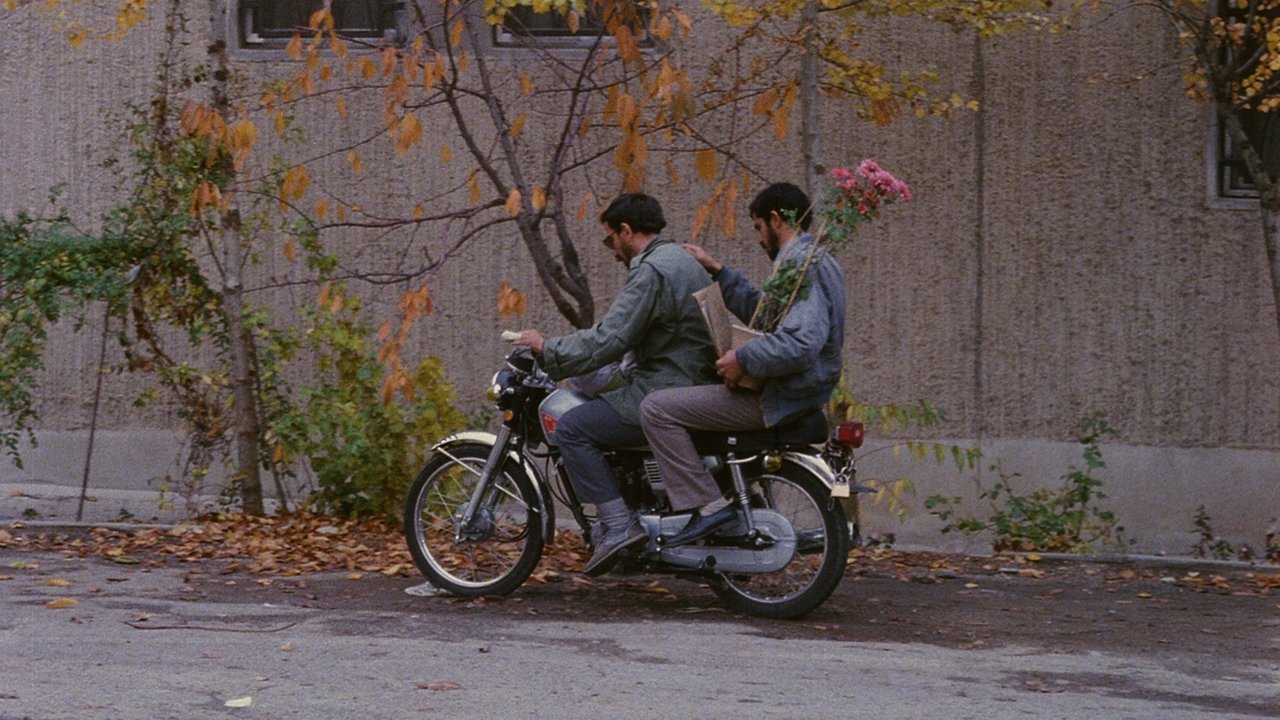
One of the most fascinating "behind-the-scenes" aspects is the film itself – Kiarostami's ethical tightrope walk, persuading real people involved in a pending legal case to participate in a film about that very case. It's a testament to his reputation and persuasive powers. The film culminates in a moment of extraordinary grace, arranged by Kiarostami, where Sabzian finally meets his idol, Makhmalbaf, under unexpected circumstances. It's a sequence layered with genuine emotion, blurred realities, and the undeniable power of cinematic connection. Apparently, Kiarostami even engineered a brief "technical fault" with the sound recording during this meeting, preserving a layer of privacy for the raw, potentially overwhelming exchange between the two men, further highlighting his sensitive approach.
Legacy of a Quiet Masterpiece
Close-Up wasn't a blockbuster, certainly not by 80s/90s standards. It found its audience among cinephiles, critics, and those willing to seek out challenging, unconventional world cinema. Its reputation has only grown over time, recognized as a landmark film that elegantly explores complex themes with profound humanity. It reminds us that sometimes the most compelling stories aren't found in explosions or car chases, but in the quiet desperation and yearning reflected in a human face, captured up close.

Rating: 9/10
This near-perfect score reflects the film's sheer uniqueness, its profound empathy, and Abbas Kiarostami's masterful execution of a daring concept. It seamlessly blends documentary and fiction to explore deep questions about identity, art, and human connection. The performances, particularly Hossain Sabzian playing himself, are utterly compelling in their raw authenticity. While its deliberate pace and contemplative nature might not appeal to everyone seeking straightforward entertainment, its intellectual and emotional resonance is undeniable. It loses a single point only because its very nature makes it less universally accessible than more conventional narrative films.
Close-Up is a film that invites contemplation, a rare gem that proves truth can indeed be stranger, and far more moving, than fiction. It’s a quiet testament to the idea that sometimes, the greatest cinematic journeys are the ones that look inward.