There are certain performances that don't just anchor a film; they are the film. They radiate such intensity, such chilling authenticity, that everything else seems to orbit around them. Watching Ben Gazzara in Giuseppe Tornatore's 1986 debut feature, The Professor (originally Il camorrista), is precisely that experience. From the moment he appears on screen, Gazzara embodies the chilling charisma and calculated brutality of the eponymous crime boss, pulling you into a world as bleak as it is undeniably magnetic. Forget the sun-drenched nostalgia Tornatore would later master in Cinema Paradiso (1988); this is a raw, brutal introduction to a major directorial talent, forged in the fires of Italian crime cinema.
From Prison Cell to Power Broker
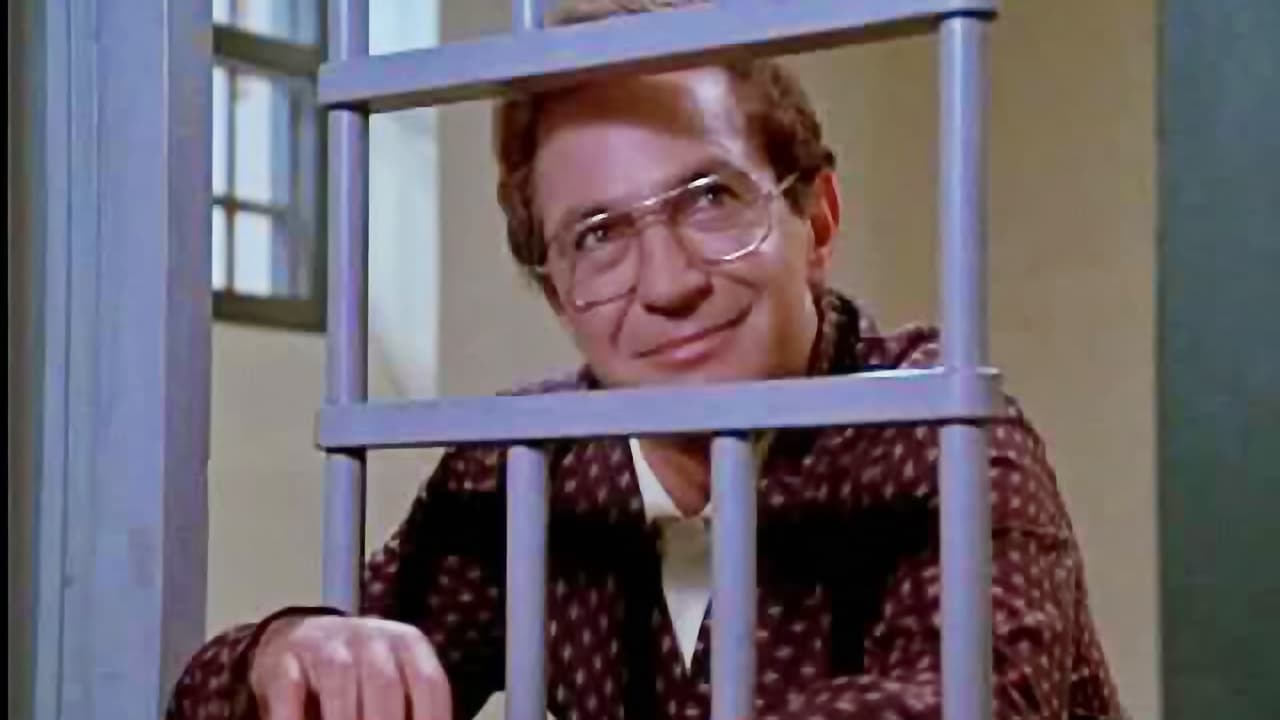
Based on the non-fiction book by Giuseppe Marrazzo detailing the life of notorious Camorra boss Raffaele Cutolo, The Professor charts the relentless rise of its central figure. Initially imprisoned for murder, Gazzara’s character – never explicitly named Cutolo but clearly based upon him – methodically builds a powerful criminal organisation, the Nuova Camorra Organizzata (NCO), from behind bars. He’s intelligent, educated (hence the nickname), and utterly ruthless, orchestrating murders, drug trafficking, and political corruption with chilling precision. The film doesn't shy away from the explosive violence inherent in this world, depicting gang wars, assassinations, and the pervasive fear that grips Naples during his reign. It’s a sprawling, often grim narrative, less a traditional gangster epic and more a portrait of power's corrupting force wielded by a disturbingly compelling individual.
Gazzara: A Force of Nature
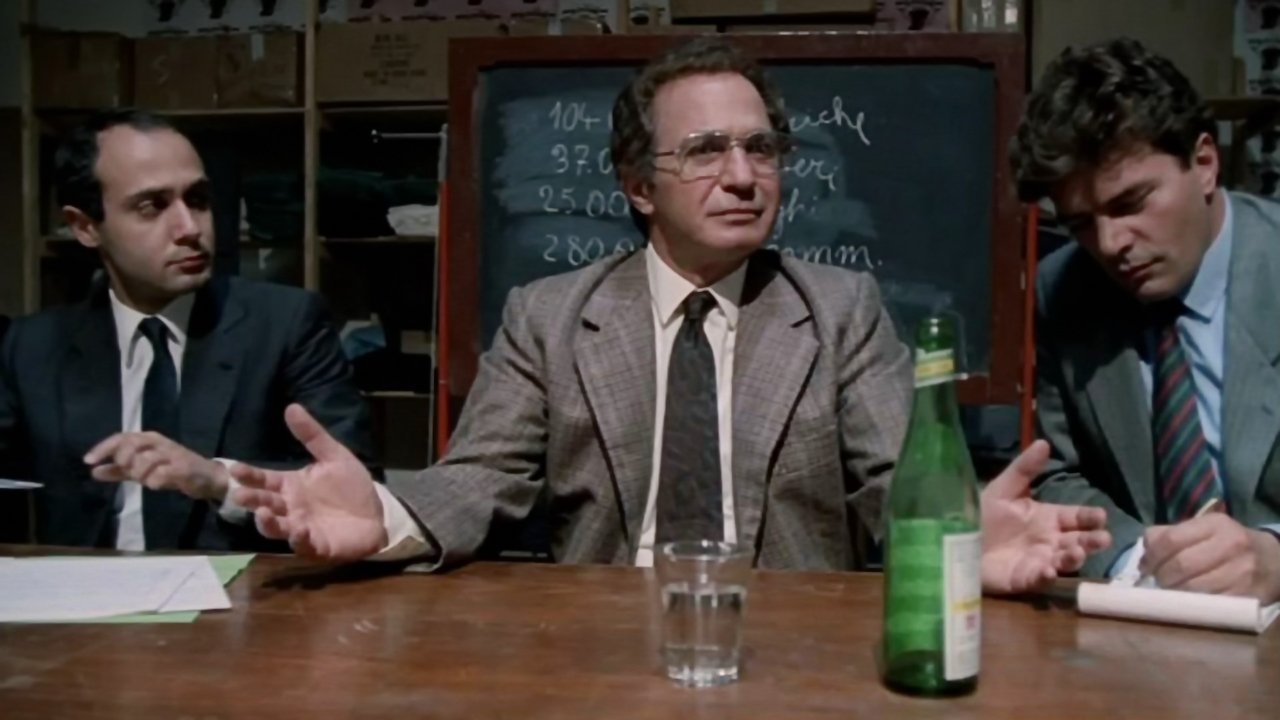
Let's be clear: Ben Gazzara is phenomenal here. Known for his intense, naturalistic work with John Cassavetes (Husbands, The Killing of a Chinese Bookie), Gazzara brings a simmering volcano of controlled rage and intellectual superiority to the role. His Professor isn't a screaming maniac; he's often quiet, watchful, his eyes conveying more menace than any outburst could. There's a terrifying logic to his actions, even at their most barbaric. He seduces, manipulates, and eliminates threats with the same unnerving calm. It’s a performance built on nuance – the slight curl of a lip, the unwavering stare, the sudden shift from intellectual discourse to cold-blooded command. It feels disturbingly real, anchoring the sometimes complex plotting and large cast of characters. Supporting players like Laura del Sol as his devoted sister and Leo Gullotta as a key commissioner are effective, but this is Gazzara’s show through and through. Doesn't his contained intensity often feel more threatening than overt aggression in characters like this?
Tornatore's Confident, Gritty Debut
Remembering this was Giuseppe Tornatore's first feature film is staggering. There's a confidence and visual flair here that belies his newcomer status. The direction is assured, capturing the claustrophobia of prison life and the chaotic energy of the Neapolitan streets with equal skill. He employs stark lighting and deliberate pacing, allowing the tension to build unbearably before erupting in violence. It lacks the warmth of his later work, certainly, but possesses a raw energy and unflinching gaze appropriate for the subject matter. It feels like a film forged in the tradition of Italian crime classics (poliziotteschi) but elevated by its psychological depth and focus on character.
A Controversial Gem Unearthed on VHS
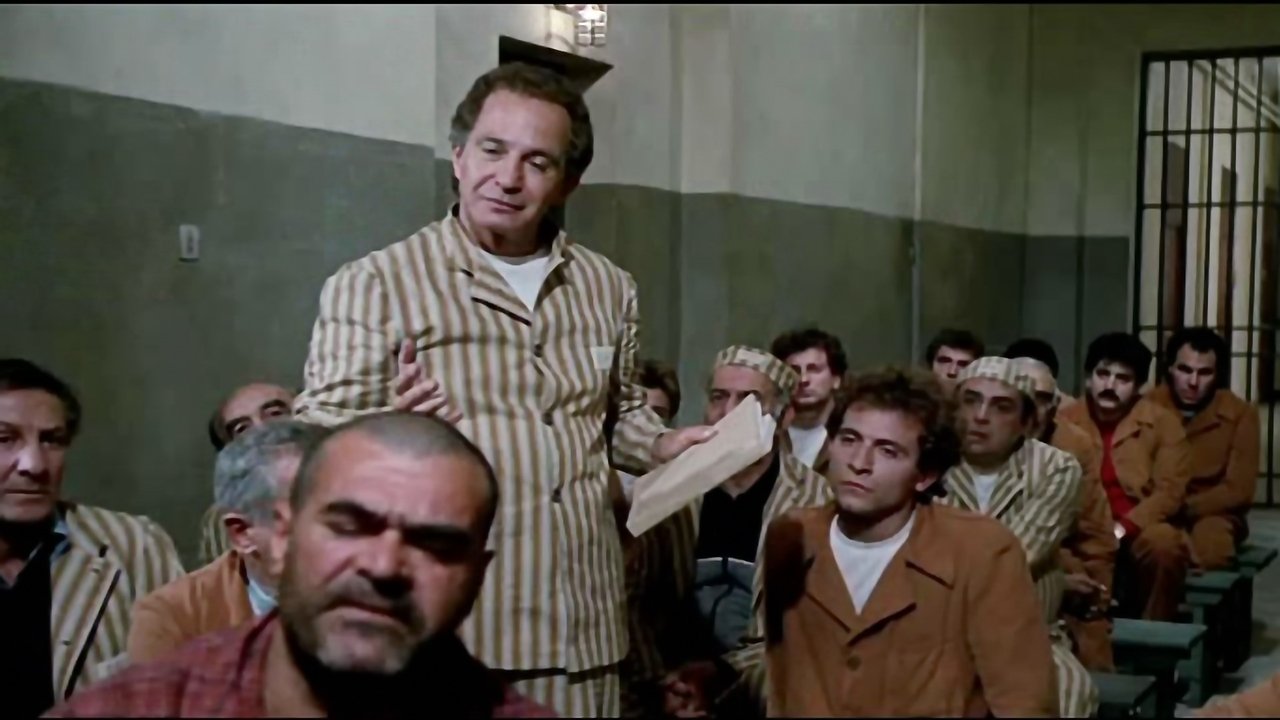
Finding The Professor on VHS back in the day often felt like uncovering something slightly illicit, a feeling amplified by its history. This wasn't your typical Hollywood gangster flick. For starters, the film faced significant controversy and distribution hurdles in Italy upon its release, reportedly due to its sensitive subject matter hitting too close to home regarding real-life figures and ongoing criminal investigations. It was briefly pulled from circulation, making its availability on tape feel even more like a rare find. Adding to its slightly mythical status is the existence of a much longer, five-hour version originally made for Italian television, which delved even deeper into the intricacies of the NCO's operations and Cutolo's influence. While the roughly two-and-a-half-hour theatrical cut available on VHS is dense, knowing an even more expansive version existed added to its allure for dedicated cinephiles browsing the shelves. I distinctly remember the stark cover art hinting at the darkness within, a far cry from the bright colours of the era's blockbusters.
Enduring Power, Uncomfortable Truths
The Professor isn't an easy watch. It's violent, complex, and offers few concessions to audience comfort. Yet, it’s a powerful piece of filmmaking anchored by one of Ben Gazzara's finest, most commanding performances. It explores the seductive nature of power, the intricate webs of corruption that can entangle society, and the chilling charisma that can mask profound monstrosity. It reminds us how Tornatore, even at the start of his career, possessed a remarkable grasp of cinematic language, capable of crafting something far grittier than the films he would become famous for. It makes you ponder, doesn't it, how figures like 'The Professor' manage to exert such control, even from behind bars?
Rating: 8/10
This score reflects the film's undeniable strengths: Gazzara's tour-de-force performance, Tornatore's incredibly assured direction for a debut, and the gripping, atmospheric portrayal of a dark chapter in Italian history. It's a challenging but rewarding watch, perhaps losing a point or two only for its density and unrelentingly bleak tone, which might not resonate with all viewers seeking lighter fare.
The Professor remains a potent, unsettling experience – a stark reminder found on a worn VHS tape of the darkness charismatic figures can command, and the raw talent evident in a master filmmaker's first foray onto the big screen. It lingers long after the static hiss begins.