There's a particular chill that settles deep in your bones when watching Sergei Solovyov's Assa (1987). It’s not just the stark beauty of the snow-dusted Yalta setting, a place usually synonymous with summer holidays, but the film's pervasive sense of transition, of an old world cracking under the pressure of something new and defiant. It landed like a cultural artifact smuggled out of time, a Molotov cocktail of artistic expression lobbed into the final years of the Soviet Union. For many of us encountering it perhaps years later on a grainy VHS, maybe sourced from a specialty store or a copied tape passed between enthusiasts, Assa felt like tuning into a frequency previously jammed – a broadcast from a reality adjacent to, yet profoundly different from, the Western pop culture landscape we knew.
Crime, Love, and Rock 'n' Roll in a Frozen Resort
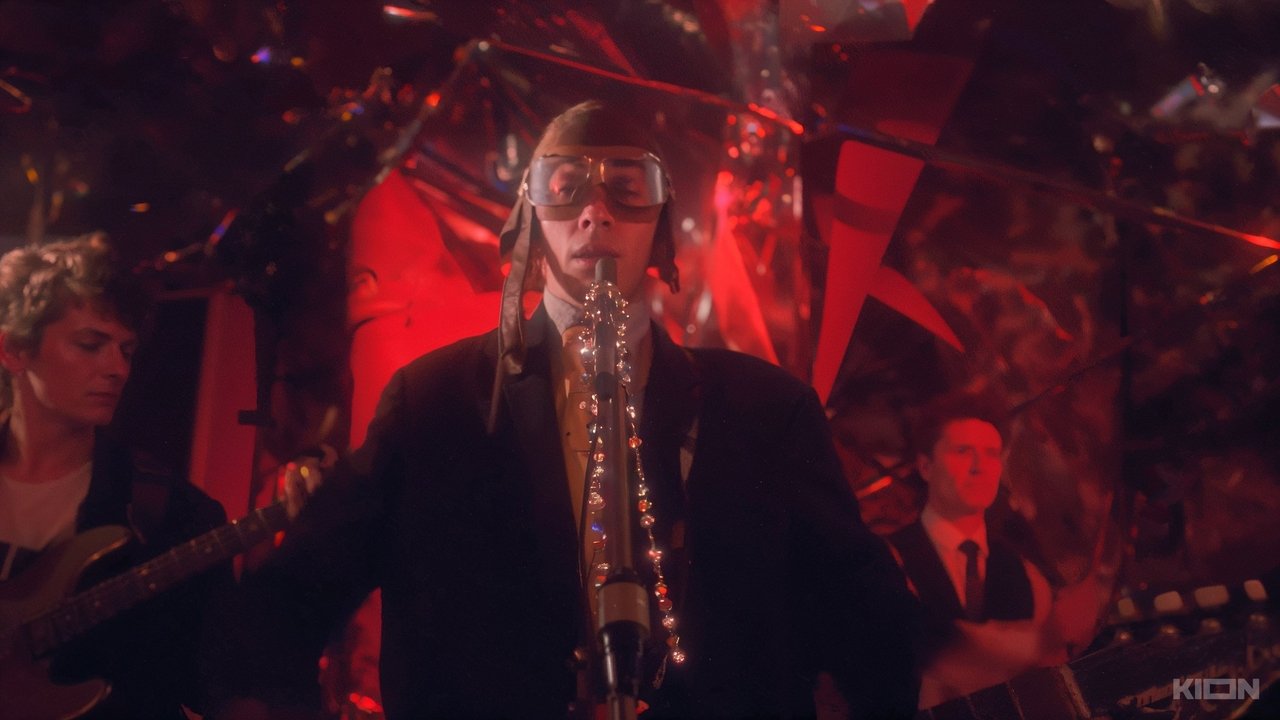
At its heart, Assa weaves together seemingly disparate threads. We have Alika (Tatyana Drubich, Solovyov's frequent collaborator and then-wife, delivering a performance of watchful stillness), the young mistress of the considerably older, powerful, and quietly menacing crime boss Krymov (Stanislav Govorukhin, himself a notable director known for The Meeting Place Cannot Be Changed). They arrive in wintry Yalta, expecting a discreet stay. Instead, Alika crosses paths with Bananan (Sergei 'Afrika' Bugaev, an avant-garde artist and musician in real life), a wonderfully eccentric underground rock musician whose bohemian lifestyle and naive idealism represent everything Krymov's world seeks to control or crush.
The narrative drifts, almost dreamlike, between their tentative connection, Krymov’s increasingly dangerous criminal dealings, and surreal inserts featuring historical reenactments about the assassination of Tsar Paul I. It sounds like a bizarre concoction, and frankly, it is. Yet, under Solovyov's assured, almost improvisational direction, it coalesces into something hypnotic. The film famously eschews a traditional, tightly plotted structure, favouring atmosphere and character moments over narrative expediency. It feels less like a story being told to you and more like a series of captured moments, observations from a society on the cusp of seismic change.
The Soundtrack of a Generation Finding Its Voice
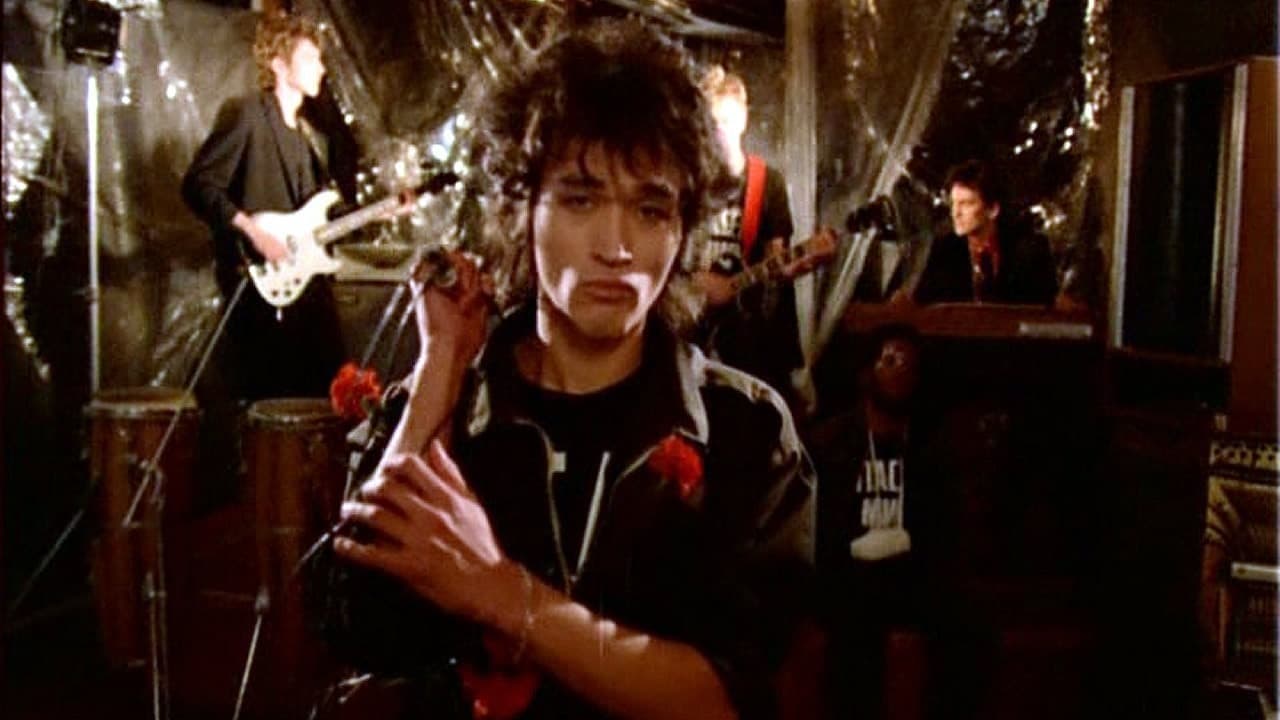
You simply cannot discuss Assa without acknowledging its groundbreaking soundtrack, a character in its own right. Featuring legendary Leningrad rock bands like Aquarium (whose frontman Boris Grebenshchikov composed much of the score), Bravo, Soyuz Kompozitorov, and crucially, Kino, the music isn't just background noise; it’s the film’s vibrant, rebellious soul. Bananan’s impromptu performances, often whimsical and seemingly nonsensical (the title "Assa" itself is one of his Dadaist exclamations), capture the spirit of underground art thriving despite official disapproval.
Finding artists like Sergei Bugaev, who wasn't a professional actor but embodied the Leningrad counter-culture scene, was a stroke of genius. His portrayal of Bananan feels authentic because, in many ways, it was authentic. There's a fascinating anecdote that Solovyov initially struggled to find his Bananan, eventually discovering Bugaev through the vibrant Leningrad rock circles. This casting choice lends the film an almost documentary-like quality in its depiction of the youth movement.
A Glimpse Behind the Iron Curtain
Making Assa in 1987 was a bold move. While Mikhail Gorbachev's policies of Glasnost and Perestroika were beginning to loosen the state's grip, depicting organized crime alongside officially sanctioned narratives and showcasing a burgeoning, Western-influenced rock scene was still provocative. The film’s production wasn't without hurdles; securing permissions and navigating the lingering bureaucracy of the Soviet film industry (Goskino) required navigating a complex landscape. Yet, its very existence felt like a declaration. The reported budget was modest, forcing creative solutions, but the film's visual style, capturing both the faded grandeur of Yalta and the claustrophobia of Krymov's world, is remarkably effective.
The inclusion of the Tsar Paul I subplot, initially baffling to some viewers, acts as a strange historical echo, perhaps commenting on the arbitrary cruelty of power across different eras. It adds another layer to the film's deliberate fragmentation, forcing the audience to draw their own connections.
The Unforgettable Finale
Spoiler Alert!
No discussion of Assa is complete without mentioning its staggering conclusion. After the narrative threads converge tragically, the film pivots entirely. We cut to Viktor Tsoi, the charismatic frontman of Kino, working as a boiler room attendant (a common "day job" for unofficial artists). He’s asked to perform. What follows is electrifying: Tsoi walks onto a massive concert stage and launches into "Khochu Peremen!" ("I Want Change!"). Thousands of real concert-goers raise lighters and sing along. It's not just a scene; it's an anthem captured on film, a moment where the movie transcends its fictional boundaries and becomes a powerful document of its time. This sequence, filmed at the Green Theatre in Moscow's Gorky Park, wasn't just staged for the movie; it captured the raw energy and yearning of a generation. Tragically, Tsoi would die in a car crash just three years later, cementing his legendary status and adding another layer of poignancy to this iconic cinematic moment.
Legacy of a Soviet Cult Classic
Assa became a phenomenon in the Soviet Union, a defining film for the Perestroika generation. Its blend of art-house sensibility, rock music, and crime drama elements created something entirely unique within Soviet cinema. It wasn't widely distributed in the West during the VHS era, making it a rarer find, often discovered through word-of-mouth or articles discussing the explosion of Russian culture in the late 80s. Watching it now evokes a strange kind of nostalgia – not just for the era, but for a specific cultural moment pregnant with hope and uncertainty. The film’s influence echoed through subsequent Russian cinema, and its soundtrack remains iconic. It didn’t neatly fit into genre boxes then, and it still doesn't now, which is part of its enduring power.
Rating: 8.5/10
This score reflects Assa's cultural significance, its bold artistic vision, its incredible soundtrack, and the power of its key performances, particularly Drubich, Govorukhin, and the unforgettable cameo by Viktor Tsoi. Its unconventional structure might challenge some viewers, and the pacing is deliberately meditative, but these qualities are integral to its unique identity. It's not just a movie; it's a time capsule, a piece of history infused with the raw energy of rock 'n' roll rebellion.
Assa remains a haunting, essential piece of late Soviet cinema – a film that feels both deeply rooted in its specific moment and strangely timeless in its exploration of freedom, oppression, and the enduring power of art to demand change. What lingers most is the echo of Tsoi's voice, a call for transformation reverberating from a world on the verge.