Okay, pop that tape in, ignore the tracking lines for a second, and let's talk Beverly Hills Cop II. If the first film was the lightning strike – the unexpected, hilarious culture clash that took everyone by surprise – then this 1987 sequel is the thunder that followed: louder, slicker, and drenched in that unmistakable Tony Scott neon haze. Forget the gritty realism of Martin Brest's original; this is Axel Foley stepping into the high-gloss world of the director who just gave us Top Gun (1986), and the results are pure, unfiltered 80s excess.
### Scott Takes the Wheel
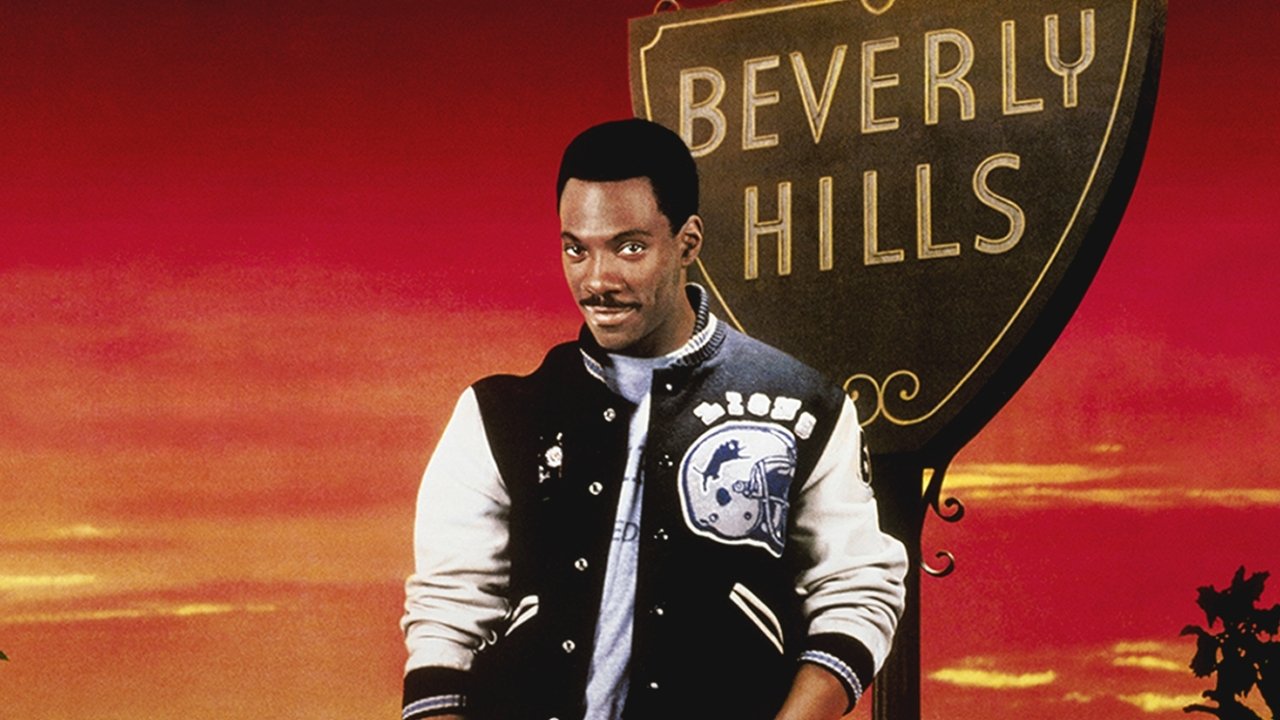
You feel the difference immediately. Where the original Beverly Hills Cop felt grounded, almost documentary-like at times in its depiction of Detroit-meets-LA, Tony Scott paints with a different brush. Everything is stylish, atmospheric, often bathed in smoke or dramatic shafts of light. Scott brought his regular Director of Photography, Jeffrey L. Kimball, fresh off Top Gun, and it shows. This Beverly Hills feels less like a real place and more like a hyper-stylized playground for explosions and witty banter. It was a deliberate shift, backed by a significantly larger budget – reportedly jumping from the original's $14 million to somewhere north of $20 million – and every dollar feels like it's up there on screen, probably glistening under a California sunset filter.
### Axel Reloaded, Taggart & Rosewood Armed
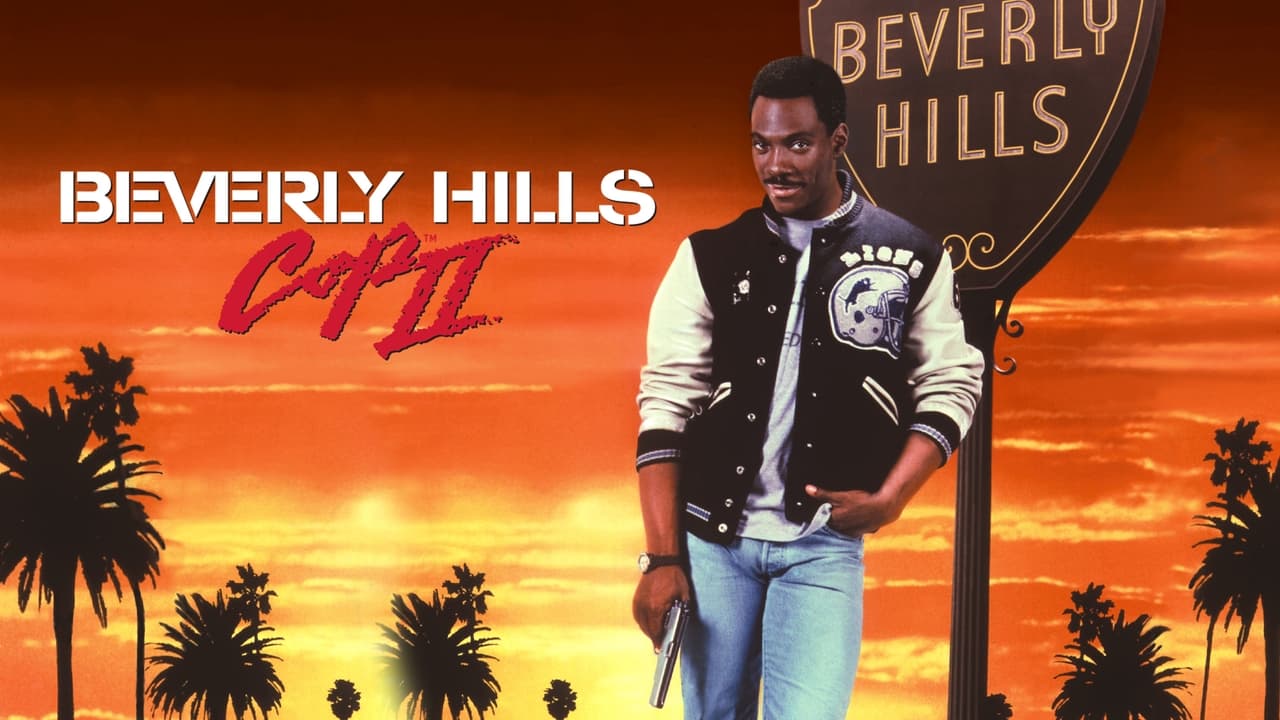
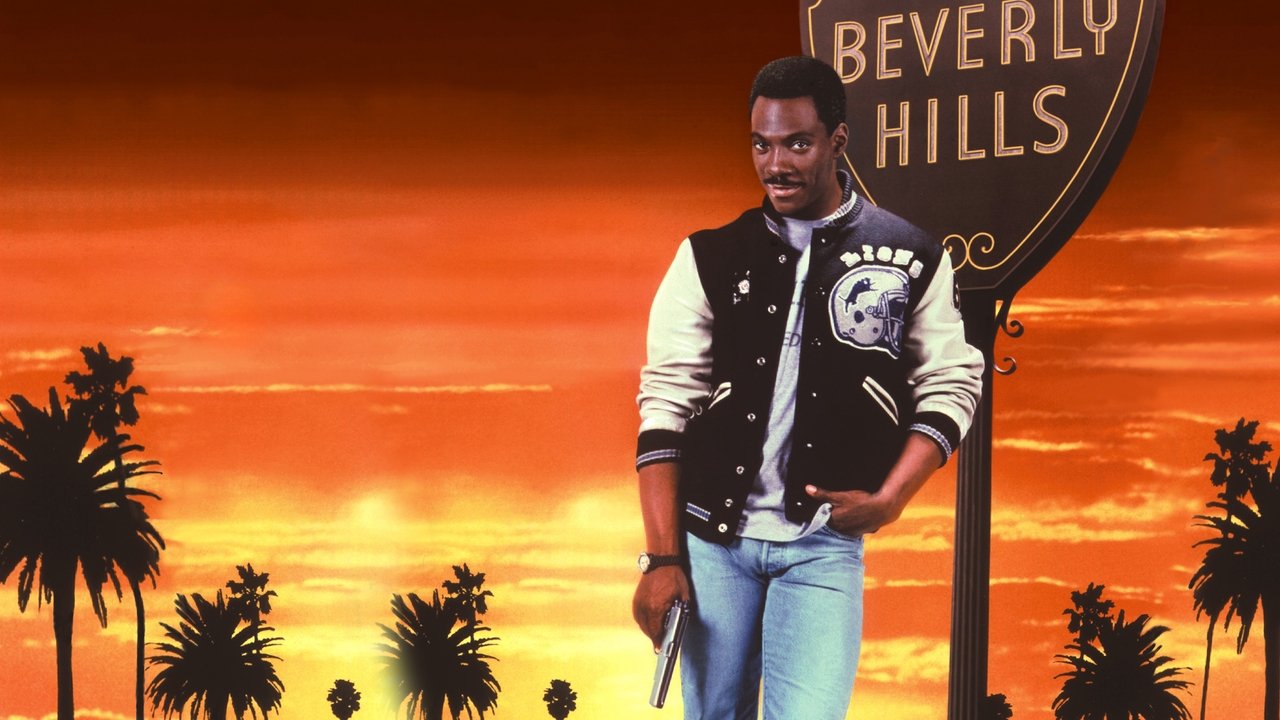
Eddie Murphy returns as Axel Foley, and the superstar wattage is cranked to eleven. Riding high on his stratospheric fame, Murphy feels even more confident, more in control this time. Maybe too in control for some fans of the original's underdog charm? Foley feels less like a fish out of water and more like a shark who happens to enjoy cracking jokes while circling his prey. While the script, credited to Larry Ferguson and Warren Skaaren (with story input from Murphy himself and Robert D. Wachs), gives him plenty of classic Foley moments and disguises, the focus shifts noticeably towards action heroics. Interestingly, Murphy reportedly had significant input, aiming to shape the sequel into something faster and funnier, reflecting his own comedic sensibilities at the peak of his powers.
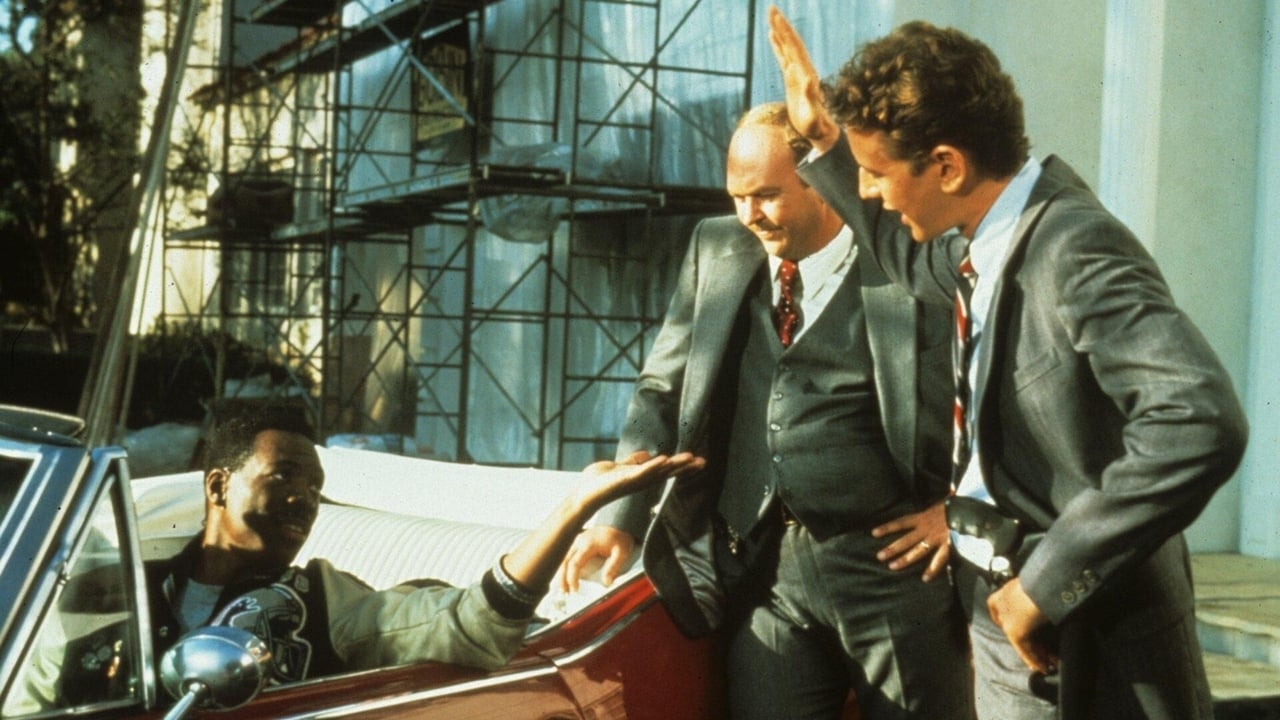
Of course, Axel wouldn't be Axel in LA without Billy Rosewood (Judge Reinhold) and John Taggart (John Ashton). Their chemistry remains a highlight, the perfect bewildered counterpoint to Foley's whirlwind energy. Rosewood's burgeoning arsenal, escalating from the first film's quiet enthusiasm to full-blown home weaponry obsession, is one of the sequel's most memorable running gags. Remember that rocket launcher reveal? Pure gold. Reinhold and Ashton nail the loyal, slightly-out-of-their-depth partnership that audiences loved.
### The Alphabet Crimes and Euro-Villains
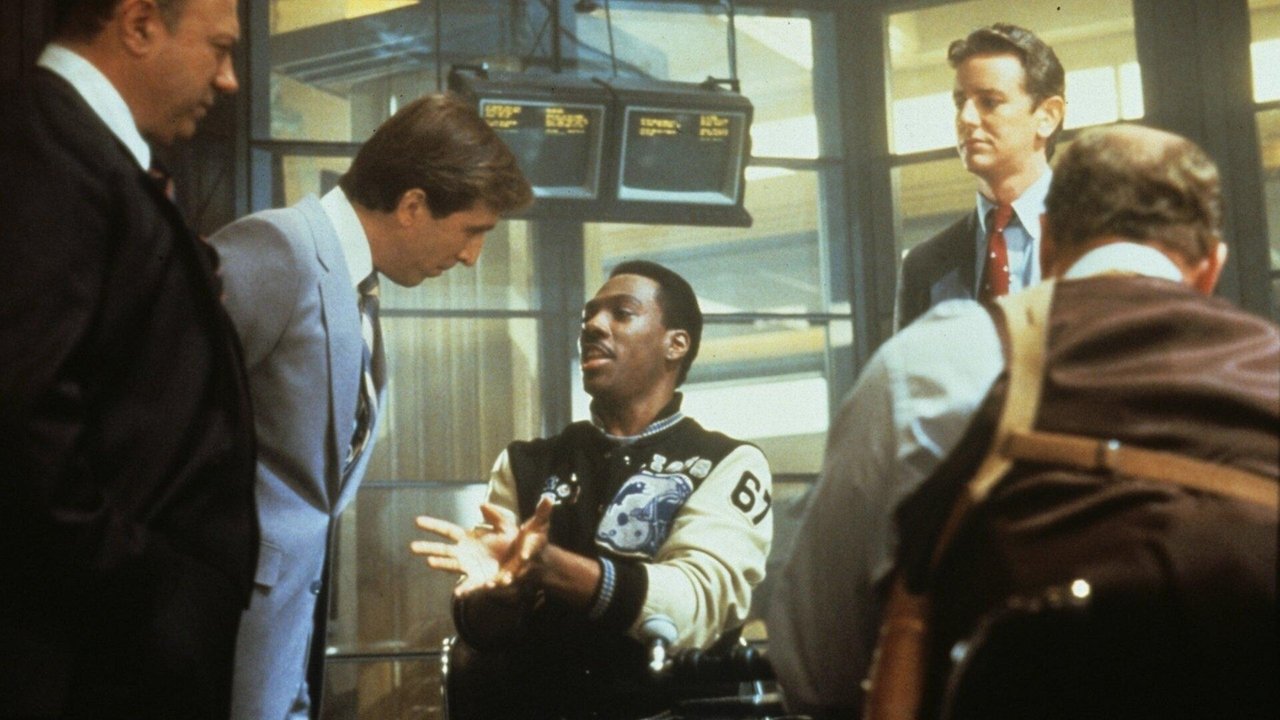
The plot revolves around the "Alphabet Crimes," a series of high-tech, ruthlessly executed robberies masterminded by a suitably statuesque and menacing crew. Brigitte Nielsen cuts an imposing figure as Karla Fry, the chief enforcer, bringing a cold, statuesque presence that was very much in vogue for 80s action villains. Her then-recent marriage to Sylvester Stallone made her a major tabloid fixture, adding a layer of off-screen buzz to her casting. Alongside her are Jürgen Prochnow (fresh off Das Boot) as the smooth, calculating Maxwell Dent, and Dean Stockwell as the twitchy weapons dealer Charles "Chip" Cain. They’re less complex characters than Victor Maitland from the first film, perhaps, serving more as stylish obstacles for Foley to outsmart and out-shoot, but they perfectly fit the sequel's heightened, almost comic-book reality.
### Feel the Heat: Practical Mayhem Done Right
Let's talk action, because Beverly Hills Cop II delivers it in spades, executed with that glorious, pre-CG physicality. Tony Scott knew how to stage vehicular chaos and explosive set pieces. The cement truck chase? The chaotic shootout at the oil field? The climactic confrontation? These sequences felt huge back on VHS, filling the screen with genuine fireballs, shattering glass, and incredible stunt work. You felt the impact in a way that slicker, smoother digital effects sometimes struggle to replicate. Remember how real those bullet hits looked, sparking off metal with satisfying pings? That's the beauty of practical effects – there's a tangible sense of danger, a weight to the destruction that grounds the action, even amidst the high style. It wasn't just about seeing the explosion; you almost felt the heat radiating off your CRT screen.
Adding to the pulse-pounding vibe is the music. Harold Faltermeyer returns, giving his iconic "Axel F" theme a turbo boost, layering in harder-edged synths and driving percussion that perfectly complements Scott's visuals. And who could forget the soundtrack's other massive hit, Bob Seger's "Shakedown"? It became synonymous with the film, blasting out of radios all summer long and cementing the movie's place in the 80s pop culture landscape.
### Nostalgia Overload
Watching Beverly Hills Cop II today is like mainlining pure 1987. The fashion, the tech (or lack thereof by today's standards), the unapologetic excess – it's all there. While critics at the time were somewhat divided, often comparing it unfavorably to the tighter original, audiences didn't care. The film was a box office behemoth, raking in roughly $300 million worldwide against its ~$20-28 million budget – a testament to Eddie Murphy's star power and the undeniable appeal of its high-octane formula. It might lack some of the original's heart and nuanced character work, trading intimate stakes for broader spectacle, but it fully commits to its vision of a slick, explosive action-comedy sequel. Seeing Hugh Hefner pop up in the Playboy Mansion sequence is another one of those "only in the 80s" moments that sparks instant recognition (and maybe a raised eyebrow today).
---
VHS Heaven Rating: 7.5/10
Justification: While it doesn't quite recapture the perfect blend of comedy, action, and heart of the original, Beverly Hills Cop II succeeds spectacularly on its own terms as a quintessential piece of 80s blockbuster filmmaking. Tony Scott's slick direction, Eddie Murphy's megawatt charisma, the solid supporting cast, and the commitment to thrilling, practical action make it incredibly entertaining. It’s louder, brasher, and maybe a bit shallower than its predecessor, but the sheer energy and style are undeniable. The rating reflects its status as a highly enjoyable, visually distinct sequel that leans heavily into the action, even if it loses some of the original's charm in the process.
Final Rewind: It's the cinematic equivalent of putting chrome rims and a spoiler on a classic car – undeniably flashier, maybe not better, but a whole lot of fun to take for a spin. Pure, high-octane VHS comfort food.