It starts with the silence, doesn't it? The echoing quiet of hallways that should be bustling, replaced by the low hum of neglect and decay. That’s the image that often comes back to me when thinking about Lean on Me (1989) – the stark visual representation of Eastside High School in Paterson, New Jersey, before the storm arrives. And what a storm he was.
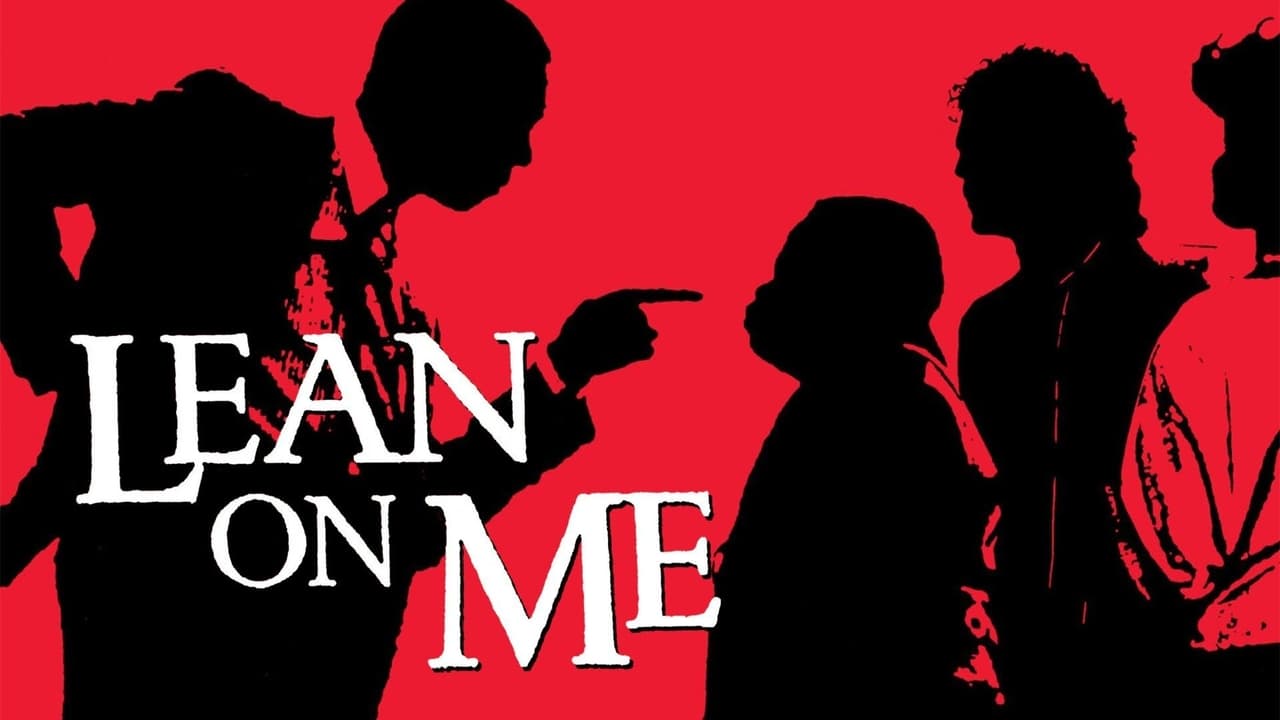
Based on a true, and controversial, story, the film throws us headfirst into a situation that feels almost apocalyptic. Eastside High is a warzone of graffiti, drug dealing, and violence, teetering on the brink of being taken over by the state government. The students are lost, the teachers are overwhelmed, and hope seems like a foreign concept. Into this chaos steps Joe Clark, played with career-defining ferocity by Morgan Freeman, a former teacher from the school's better days, brought back as principal with a mandate: turn the school around, raise the basic skills test scores above the minimum threshold in one year, or lose everything.
A Bullhorn and a Baseball Bat
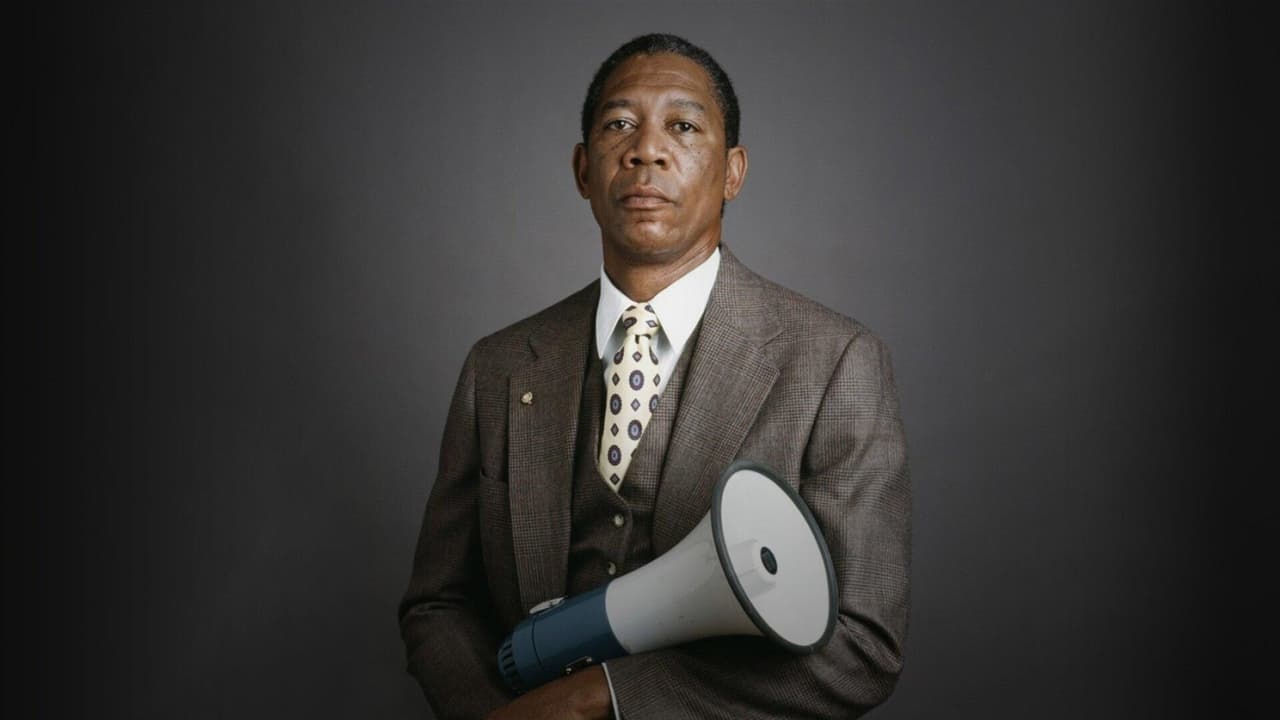
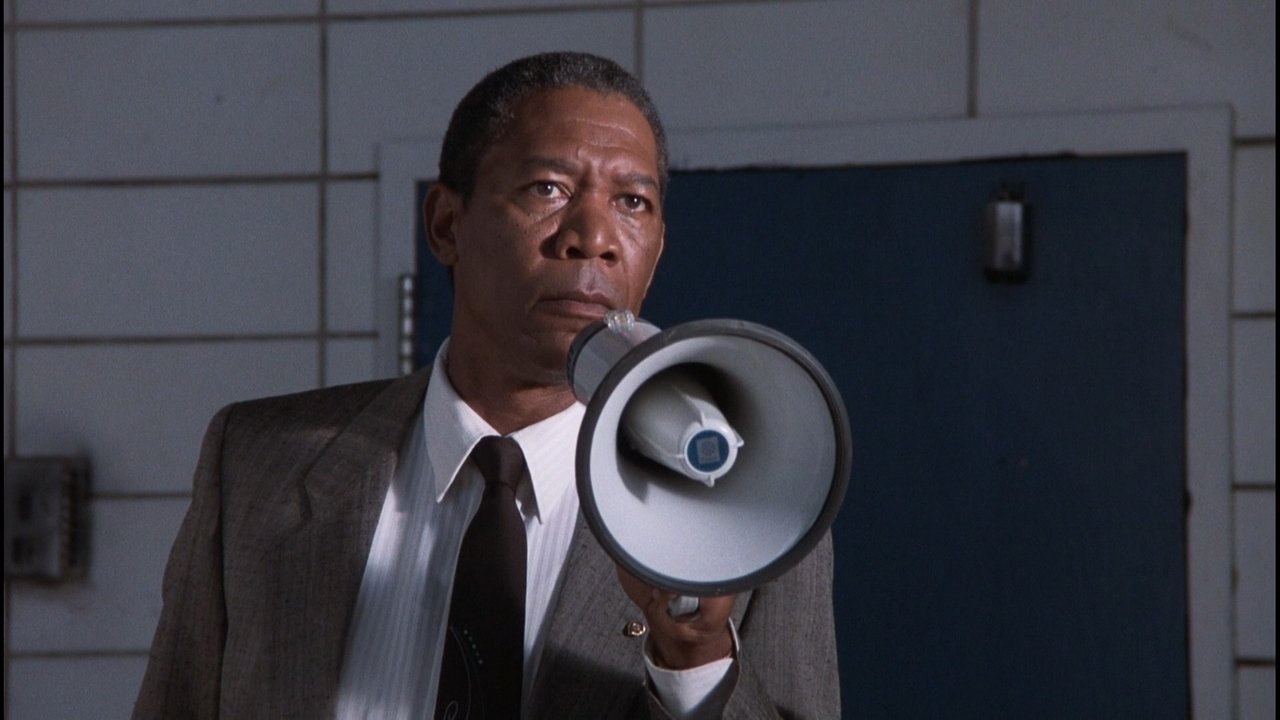
What makes Lean on Me lodge itself so firmly in memory isn't just the premise, familiar from other "inspirational teacher" films, but the sheer force of its central figure. Clark, famously dubbed "Crazy Joe," arrives not with gentle encouragement but with a bullhorn, a baseball bat, and an uncompromising attitude. He immediately expels 300 students deemed disruptive influences, chains the doors shut against drug dealers (a move that ignites fiery debate both in the film and mirrored the real-life controversy), and demands discipline with an iron fist.
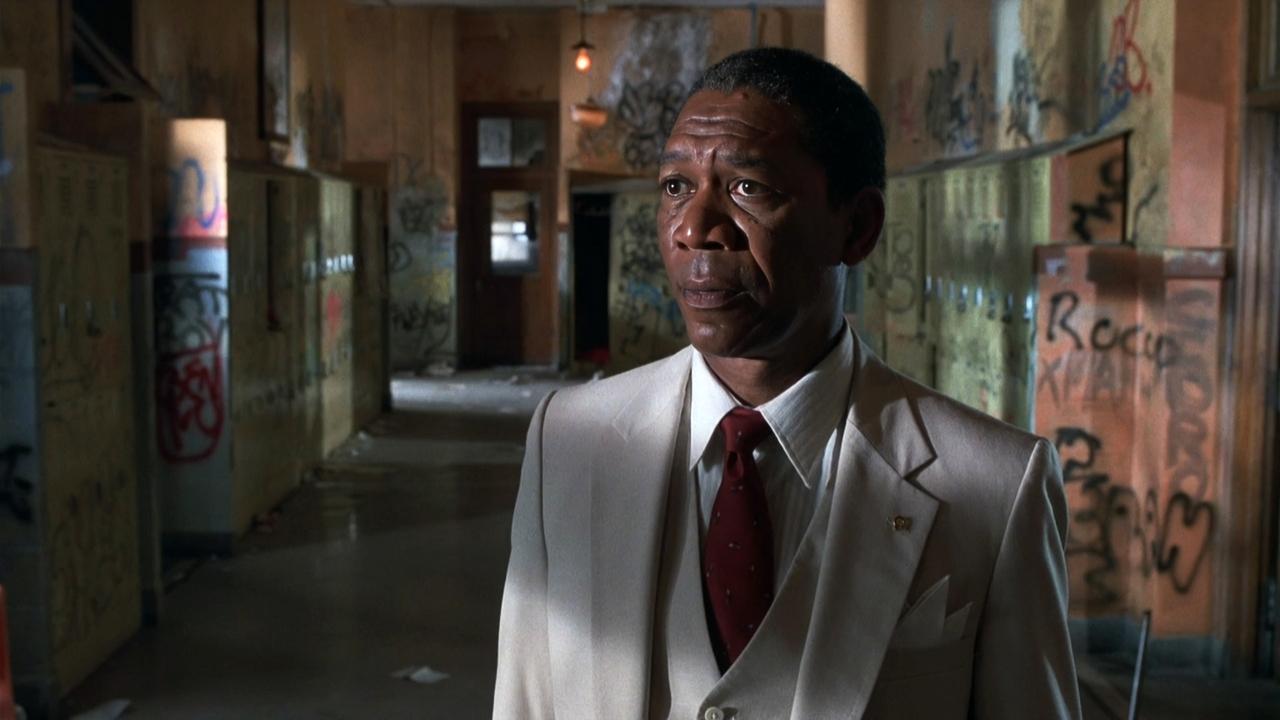
It's Morgan Freeman's performance that anchors the film and elevates it beyond simple melodrama. This wasn't the serene, wise narrator voice we'd become so accustomed to later in his career. This was Freeman raw, volatile, and utterly commanding. He embodies Clark's contradictions – the authoritarianism bordering on tyranny, yet underscored by a palpable, desperate love for the students he believes are salvageable. He's bullying, intimidating, yet somehow, you understand the desperation driving him. He saw potential buried under layers of systemic failure and societal neglect, and his methods, however questionable, stemmed from a belief that radical action was the only recourse left. Remember, Freeman initially turned down the role, feeling Clark's methods were too harsh, but was eventually persuaded by director John G. Avildsen. It's hard now to imagine anyone else wielding that bat with such conviction.
More Than Just One Man
While Freeman dominates, the film wisely surrounds him with characters who challenge and humanize him. Beverly Todd as Ms. Levias, the Vice Principal, provides a crucial counterpoint – representing a more measured, compassionate approach, often clashing with Clark but sharing his ultimate goal. Her quiet dignity is the necessary foil to Clark's explosive energy. Robert Guillaume, perhaps best known then for the sitcom Benson, brings gravitas as Dr. Frank Napier, the school superintendent and Clark's friend who gambles his own career by bringing him back. Their relationship adds layers, suggesting the political and personal pressures surrounding Clark's controversial tenure.
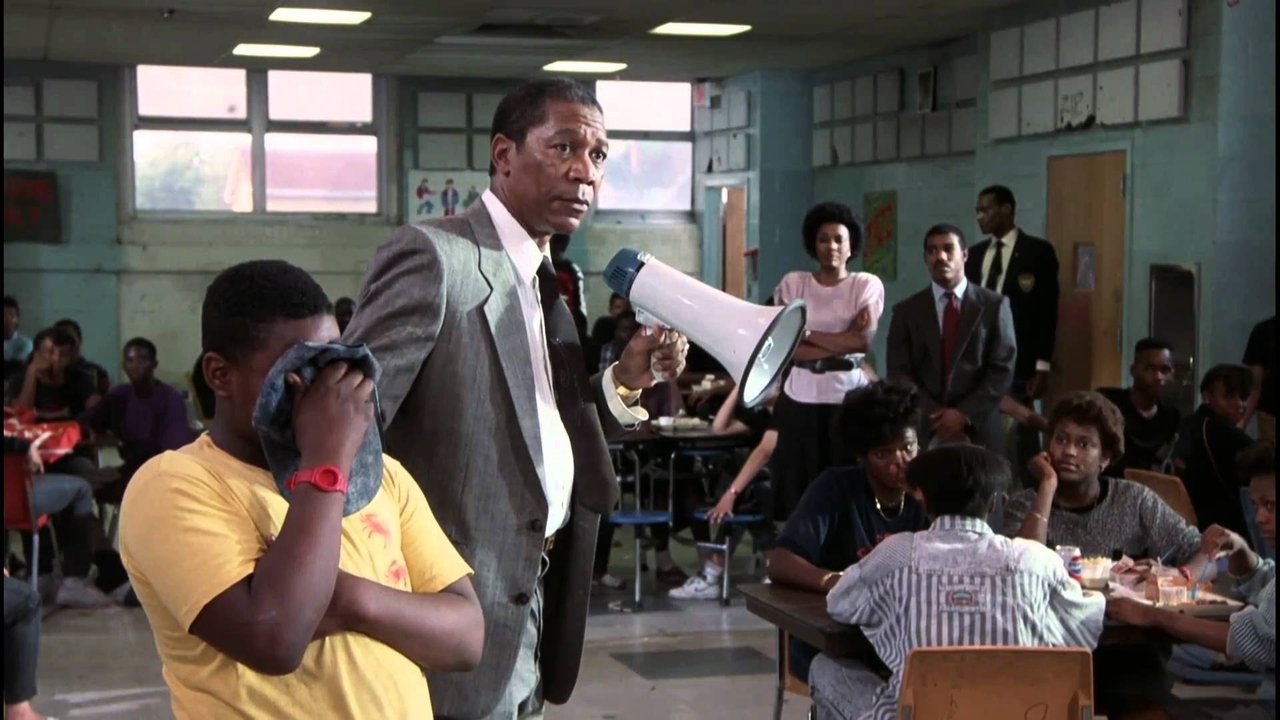
John G. Avildsen, no stranger to underdog stories having directed Rocky (1976) and The Karate Kid (1984), brings a grounded, almost documentary-like feel to the school's chaos before Clark's arrival, then ramps up the energy to match his protagonist's intensity. Avildsen actually shadowed the real Joe Clark for weeks to capture his mannerisms and the school environment authentically. While the film undeniably takes liberties for dramatic effect (the climactic test score scene is pure Hollywood invention; the real results came months later), the core struggle felt real, visceral. Filming even took place partially at the actual Eastside High, adding another layer of authenticity.
The Echo of Controversy
It’s impossible to discuss Lean on Me without acknowledging the ethical questions it raises. Were Clark's methods justified? Did the ends – improving the school and offering students a chance – justify the means, which included public humiliation and arguably trampling on individual rights? The film presents Clark as a flawed hero, a necessary force in desperate times, but it doesn't entirely shy away from the discomfort his actions provoke. That tension is what makes it stick. It forces us to ask: what would we do in such a situation? How far is too far when fighting for kids written off by society?
Interestingly, the real Joe Clark, while supportive of the film overall, felt it downplayed the academic improvements and focused perhaps too much on the discipline aspect. The film was a solid success, earning over $31 million at the box office against a roughly $14 million budget (that's about $75 million adjusted for inflation today!), proving audiences resonated with its potent mix of grit and inspiration. That famous, slightly incongruous use of Guns N' Roses' "Welcome to the Jungle" during an early chaotic sequence? Reportedly a late addition, meant to instantly signal the school's dire state to the audience.
Rating: 8/10
This rating is earned primarily through Morgan Freeman's towering performance and the film's raw, confrontational energy. It tackles difficult themes with unusual directness for a mainstream movie of the era, capturing a specific moment of urban struggle and educational crisis. While it occasionally veers into formula and simplifies complex issues for dramatic impact (particularly in the final act), its core message about belief, discipline, and fighting against the odds resonates powerfully. It doesn't offer easy answers, reflecting the messy reality it depicts.
Lean on Me remains a potent piece of late-80s cinema – a film that grabbed you by the collar, much like its protagonist, and demanded your attention. It wasn't always comfortable, but it felt vital, leaving you wrestling with its implications long after the credits rolled and the VCR ejected the tape. What lingers most, perhaps, is the uncomfortable truth that sometimes, changing the world – or even just one broken school – requires methods that don't fit neatly into inspirational posters.