Some films arrive like a whispered rumour from the video store shelves, their stark cover art hinting at something deeper, heavier, than the usual neon-drenched fare of the 80s. Mario Camus’s The Holy Innocents (Spanish: Los santos inocentes, 1984) was one such film. It wasn't an easy watch then, often discovered tucked away in the 'World Cinema' section, and it certainly hasn't become one with time. Yet, its power, like the parched Spanish earth it depicts, endures, leaving an indelible mark long after the VCR’s tracking has faded.
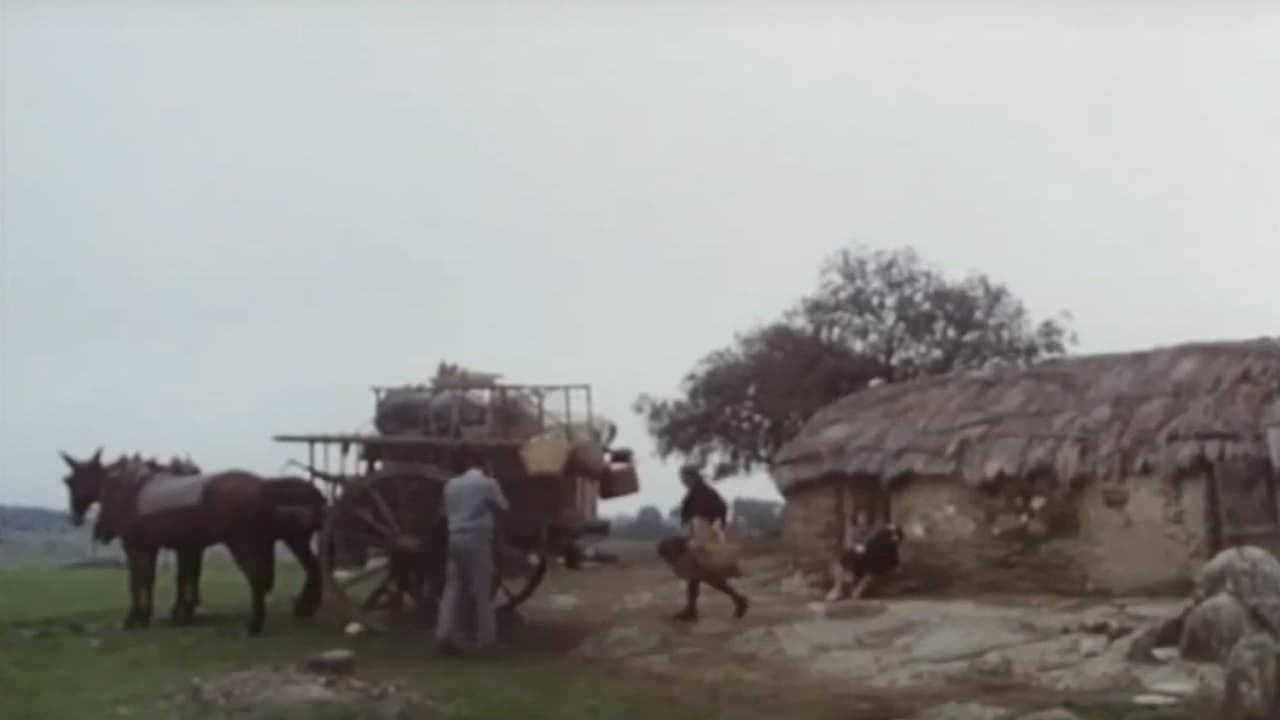
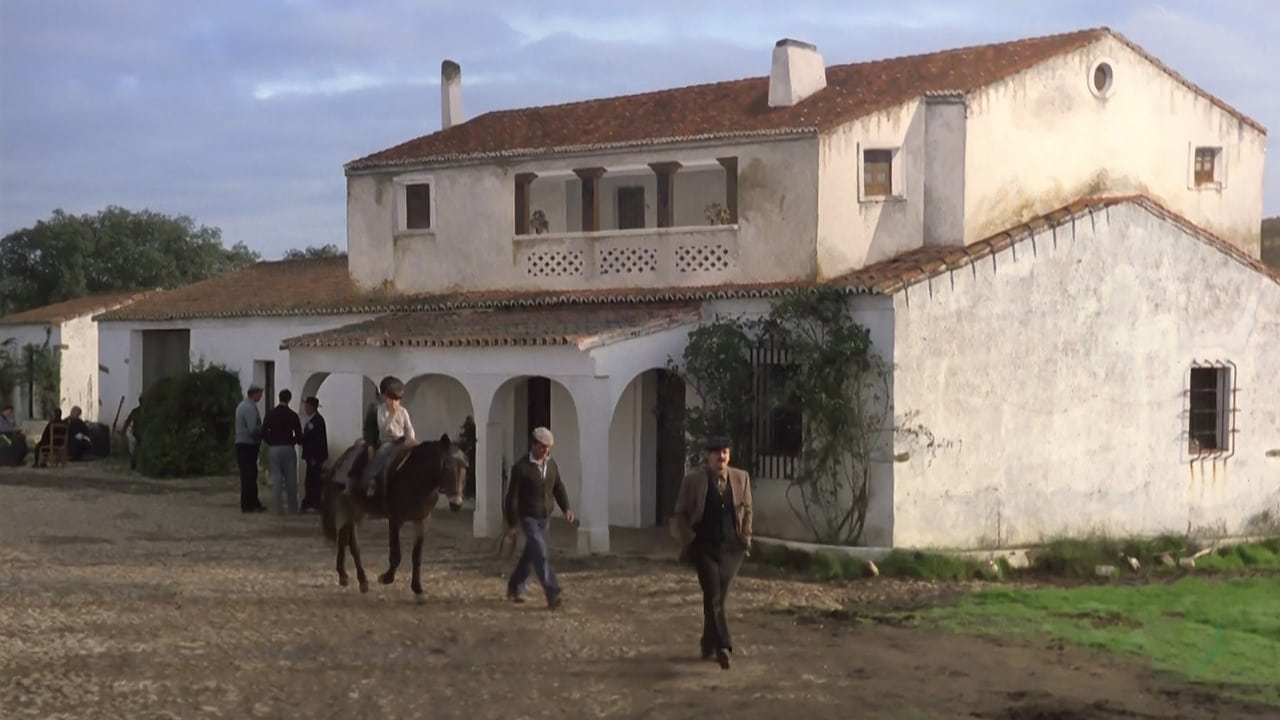
Based on the acclaimed novel by Miguel Delibes, the film transports us to the vast, sun-baked estate of a wealthy Marquess in rural Extremadura, Spain, sometime in the Franco era. It's a world seemingly untouched by modernity, governed by near-feudal hierarchies where the landowners hold absolute power over the lives of their peasant workers. This isn't a film about grand events, but about the crushing weight of daily existence under such a system.
### The Weight of Servitude
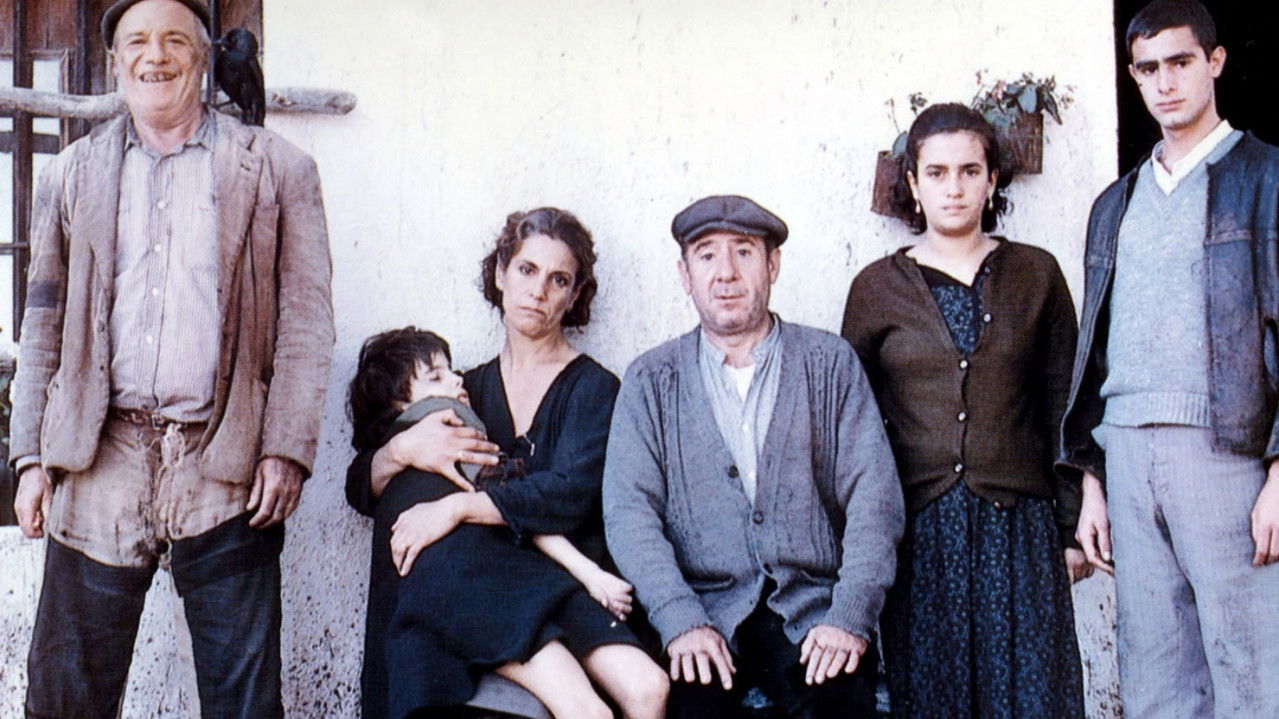
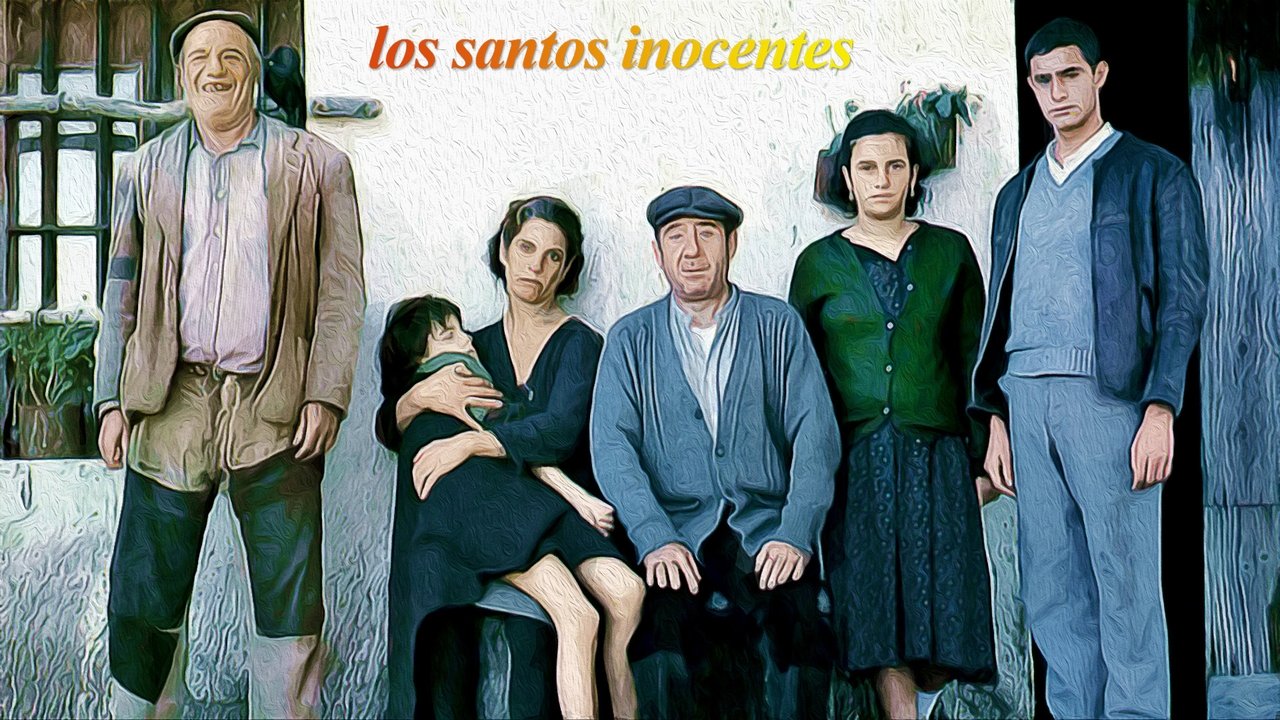
We follow Paco (Alfredo Landa) and his family – his stoic wife Régula (Terele Pávez), their disabled daughter Nieves, their ambitious son Quirce, and their mentally handicapped youngest daughter. They live to serve the 'señoritos', the landowner's family, their lives dictated by the whims and casual cruelties of their masters. Paco, ever eager to please, forces smiles and endures constant humiliation, hoping his subservience will grant his children opportunities he never had. There's a scene where he breaks his leg demonstrating his hunting skills for the masters, and their indifference is chilling – he is less than a valued animal. Landa, a Spanish screen legend often known for comedic roles prior to this, is devastatingly effective. His portrayal of Paco isn't just about suffering; it's about the internalised degradation, the desperate hope flickering within a man conditioned to believe he is inherently lesser. You see the spirit straining against the chains of his social station.
### Innocence in a Cruel World
Into this already bleak environment comes Régula's brother, Azarías (Francisco Rabal), dismissed from a neighbouring estate. Azarías is simple-minded, finding solace and connection only with nature, particularly his beloved pet owl chick, "Milana bonita" (pretty kite). Rabal, another giant of Spanish cinema (known internationally perhaps for Luis Buñuel's Viridiana (1961) or later in Pedro Almodóvar's Tie Me Up! Tie Me Down! (1989)), delivers a performance of staggering authenticity. He embodies an innocence that the harsh world around him cannot comprehend, let alone tolerate. His repetitive call of "Milana bonita!" becomes a haunting refrain, a symbol of pure affection in a landscape defined by exploitation.
It’s almost unbelievable, but both Landa and Rabal shared the Best Actor award at the 1984 Cannes Film Festival for their work here. It’s a testament not just to their individual brilliance, but to how their performances intertwine, representing different facets of humanity struggling under oppression – Paco’s desperate conformity and Azarías’s guileless detachment. It’s said Delibes himself was deeply moved by their portrayals, feeling they had perfectly captured the essence of his characters.
### A Landowner's Indifference
The 'señoritos' are portrayed not as moustache-twirling villains, but perhaps more disturbingly, as casually entitled and utterly lacking in empathy. Iván (Juan Diego), the Marquess's son-in-law, is obsessed with hunting and sees the peasants merely as tools for his sport. His cruelty isn’t necessarily intentional malice, but the byproduct of a profound inability to see those beneath him as fully human. Juan Diego masterfully embodies this aristocratic arrogance, his boredom punctuated by acts of petty tyranny that have devastating consequences. The stark contrast between the landowners' leisurely pursuits and the back-breaking labour of the workers is a constant, silent indictment.
### Camus's Unflinching Gaze
Director Mario Camus, who also co-wrote the screenplay with Antonio Larreta and Delibes, directs with a deliberate, almost documentary-like stillness. There are no flashy techniques, no manipulative scoring trying to tell us how to feel. The camera observes, often holding on faces, allowing the actors' performances and the stark reality of the environment to convey the film's emotional weight. The landscape itself – arid, expansive, unforgiving – becomes a character, mirroring the social structure that traps the family. Released less than a decade after Franco's death, the film resonated deeply in Spain, seen as a powerful critique of lingering social injustices and the deep scars left by the dictatorship's rigid class system. Its success, both critically (beyond Cannes, it swept Spain's Goya Awards) and commercially within Spain, spoke volumes about its timeliness and impact.
### Enduring Echoes
Watching The Holy Innocents today, perhaps on a format far removed from that slightly worn VHS tape rented decades ago, its themes feel disturbingly relevant. The dehumanisation born from extreme inequality, the casual cruelty of unchecked power, the struggle for dignity in the face of systemic oppression – these aren't relics of a bygone era. The film forces us to confront uncomfortable questions about complicity, resilience, and the breaking point of the human spirit. What happens when the 'innocents' are pushed too far?
Spoiler Alert! The film culminates in an act of shocking, almost primal retribution after Iván carelessly shoots Azarías's beloved "Milana". It’s a moment that feels both inevitable and deeply tragic, a release born not of malice, but of a pain so profound it bypasses reason. It doesn't offer easy catharsis, but rather a quiet, devastating finality.
***
Rating: 9/10
This score reflects the film's undeniable power, its exceptional performances (particularly Landa and Rabal, who are simply unforgettable), and its unflinching portrayal of social injustice. Mario Camus crafts a masterpiece of realist cinema, finding profound humanity amidst bleakness. It loses a point only because its deliberate pacing and harrowing subject matter make it a demanding, rather than conventionally 'entertaining', watch – essential viewing, but one that requires emotional fortitude.
Final Thought: The Holy Innocents is more than just a film; it's a stark reminder, etched onto celluloid, of the quiet dignity and devastating cost of being unseen and unheard. It stays with you, a somber echo of "Milana bonita" in the vast, indifferent landscape.