Some films don't hit you over the head; they seep into you, quiet and steady, like rain soaking into parched earth. Robert Benton's Places in the Heart (1984) is one such film. Watching it again after all these years, far removed from the flickering glow of a rented VHS tape on a bulky CRT, its power hasn't diminished. If anything, the passage of time has only deepened the resonance of its portrayal of resilience against staggering odds, set against the dusty backdrop of Waxahachie, Texas, during the Great Depression. It’s a film that asks profound questions about community, prejudice, and the quiet strength it takes just to endure.
Against the Odds in Depression-Era Texas
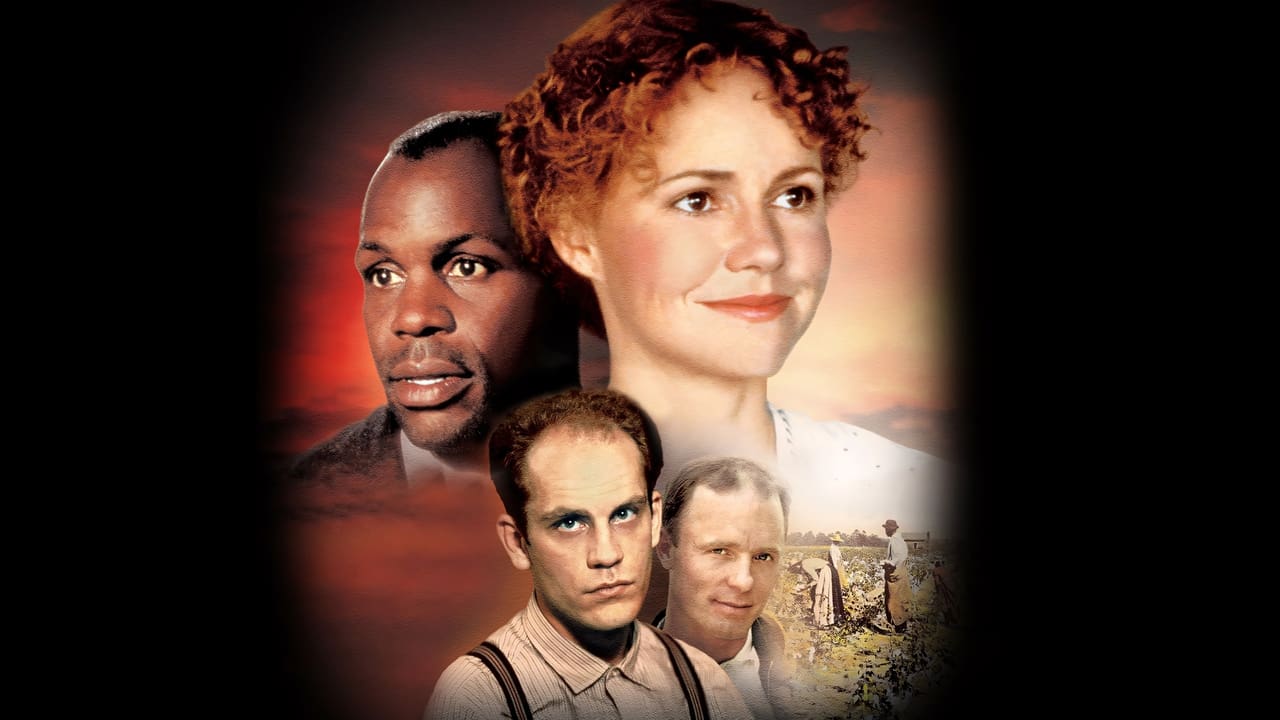
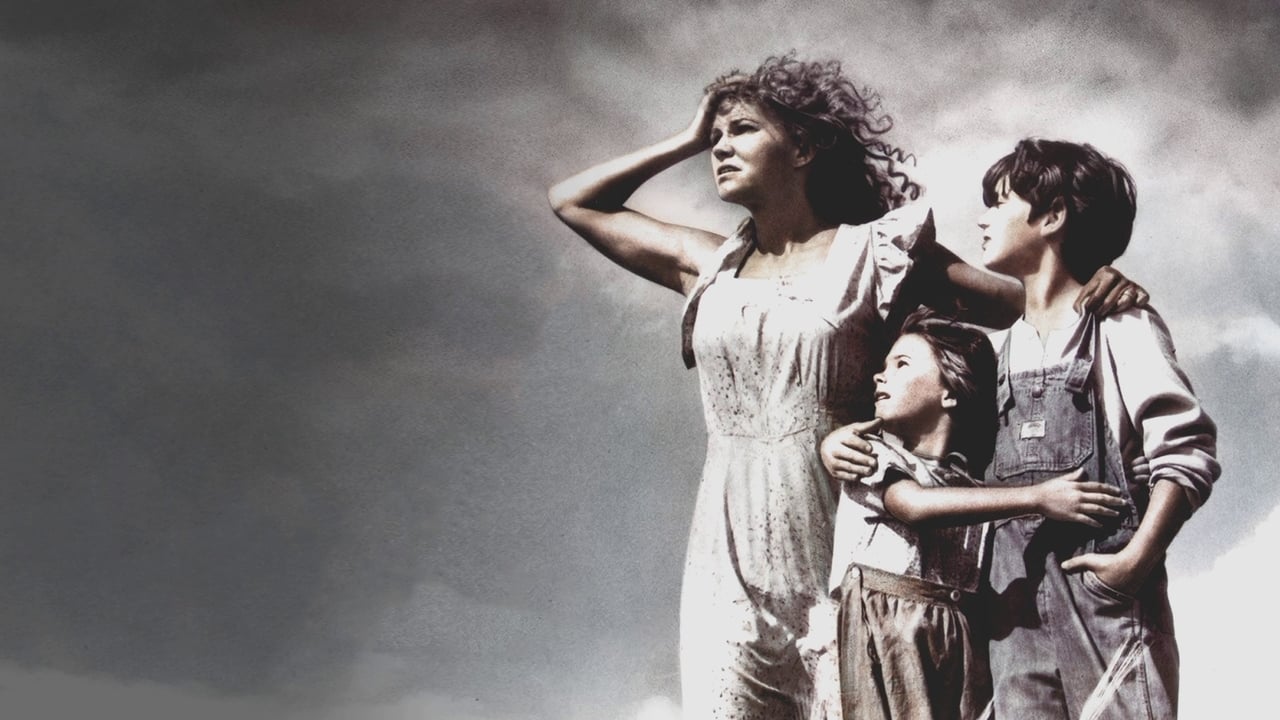
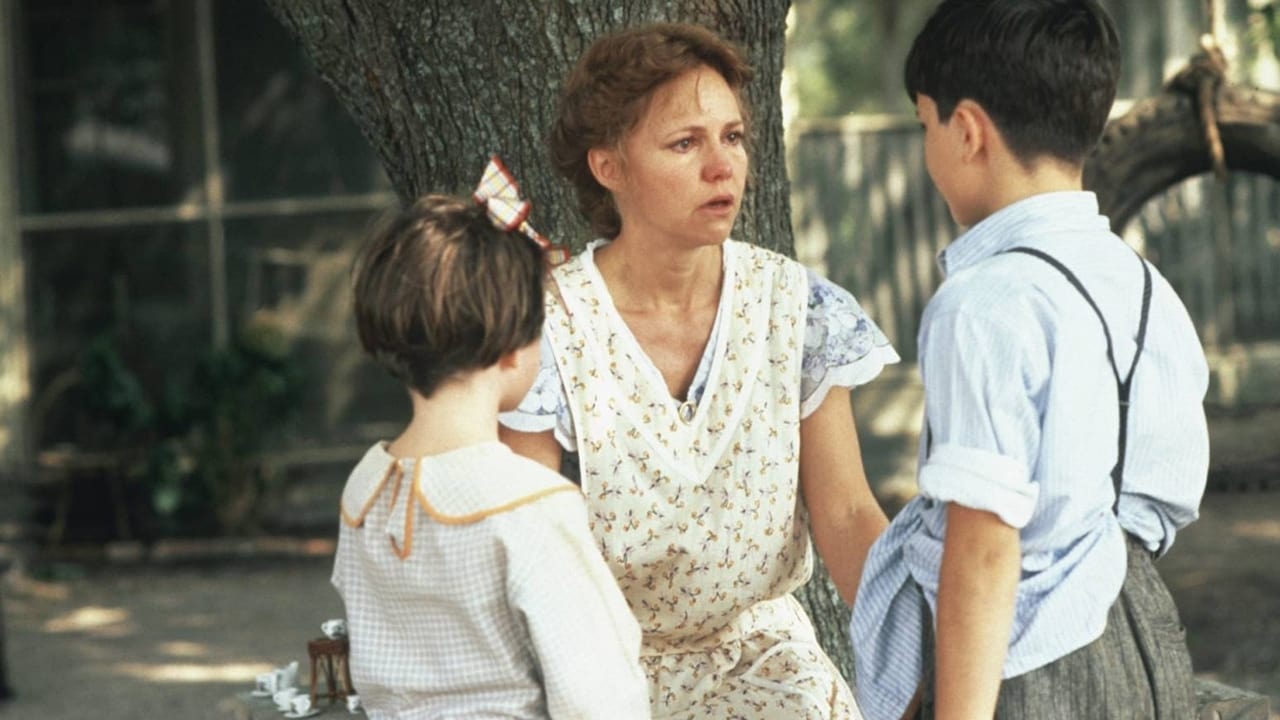
The story, drawn from Benton's own family history (a detail that lends the film an almost palpable authenticity), throws us immediately into crisis. Edna Spalding (Sally Field) finds her world shattered when her husband, the sheriff, is accidentally killed. Left with two young children, a farm drowning in debt, and the looming threat of foreclosure, her situation seems hopeless. This isn't a tale of grand Hollywood heroism, but of quiet, desperate necessity. What choice does she have but to try? The decision to plant cotton, a crop she knows nothing about, feels less like a plan and more like the only straw she can grasp.
It’s this grounded desperation that makes the arrival of Moze (Danny Glover), a Black drifter seeking work, and Mr. Will (John Malkovich), a blind boarder needing refuge, feel less like plot contrivances and more like lifelines thrown by fate. The hesitant formation of this unlikely household becomes the film’s core, a microcosm of tentative trust being built across lines of race, disability, and social standing in a time and place where such connections were fraught with danger and suspicion. Doesn't this forced interdependence speak volumes about how adversity can sometimes forge the most unexpected bonds?
Performances Forged in Truth
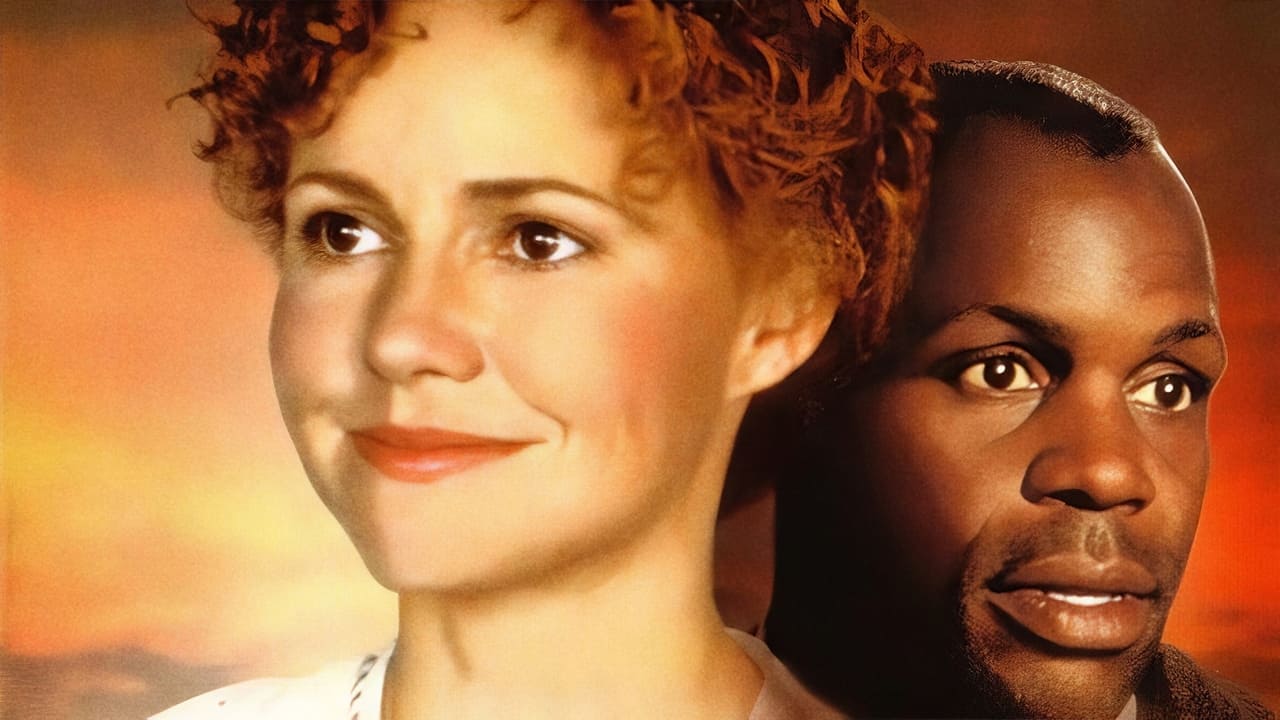
The acting in Places in the Heart is simply extraordinary, rooted in a profound sense of truth. Sally Field, in the role that earned her a second Best Actress Oscar, is magnificent. She embodies Edna not as a saint, but as a woman pushed to her absolute limit, discovering reserves of strength she never knew she possessed. There's a steeliness beneath her vulnerability, a practical determination that makes her struggle utterly compelling. We all remember her famous acceptance speech – "You like me! Right now, you like me!" – and watching her performance here, you understand the depth of commitment that earned that outpouring of affection and respect. Field reportedly learned to handle a period tractor and pick cotton, immersing herself fully in the physical reality of Edna's world.
Equally powerful is Danny Glover as Moze. In a role that truly announced his arrival as a major talent, Glover brings immense dignity and quiet wisdom to a character navigating the treacherous landscape of Southern racism. Moze knows the risks he takes just by existing, let alone helping a white woman run her farm, yet his inherent decency shines through. The scenes where he patiently teaches Edna the rhythms of farm work are filled with understated grace.
And then there's John Malkovich as the blind boarder, Mr. Will. It’s a performance of quiet intensity, capturing the guarded nature of a man reliant on others yet fiercely protective of his own independence. His initial prickliness slowly gives way to a grudging respect and belonging within the Spalding household. Malkovich earned a Supporting Actor nomination, and it's easy to see why; his presence is magnetic, even in stillness. The supporting cast, including Lindsay Crouse as Edna's conflicted sister and Ed Harris as her adulterous husband, add further layers of complexity to the community's tapestry.
Benton's Heartfelt Craftsmanship
Robert Benton, who also won an Oscar for his original screenplay, directs with a sensitive, observant eye. Having previously helmed the emotionally resonant Kramer vs. Kramer, he demonstrates a deep understanding of human relationships under pressure. He lets the story unfold naturally, resisting melodrama in favor of authentic moments. The film's look, beautifully captured by the legendary cinematographer Néstor Almendros (known for his work with Terrence Malick and François Truffaut), utilizes natural light to create an atmosphere that feels both timeless and deeply rooted in its specific era. The heat, the dust, the vastness of the Texas sky – it all feels incredibly real.
Retro Fun Facts: From Family History to Film History
- The film's genesis truly lay in Robert Benton's roots. He based Edna Spalding on his own great-grandmother, and the story reflects events from his family's past in Waxahachie, Texas. The actual house used for filming was located near where Benton grew up, adding another layer of personal connection.
- Finding funding wasn't easy. Benton's deeply personal, character-driven story was initially turned down by several studios before Tri-Star Pictures took a chance on it – a gamble that paid off handsomely, earning over $40 million on a budget under $10 million.
- Waxahachie itself became something of a star. Thanks to Benton's films (Places in the Heart and later Nadine), the town became a sought-after location for period pieces, its preserved architecture offering an authentic glimpse into the past.
- The tornado sequence, a moment of terrifying spectacle, was achieved through meticulous practical effects, a testament to the ingenuity of filmmakers in the pre-CGI era. It feels visceral and genuinely threatening.
Enduring Questions and Lingering Images
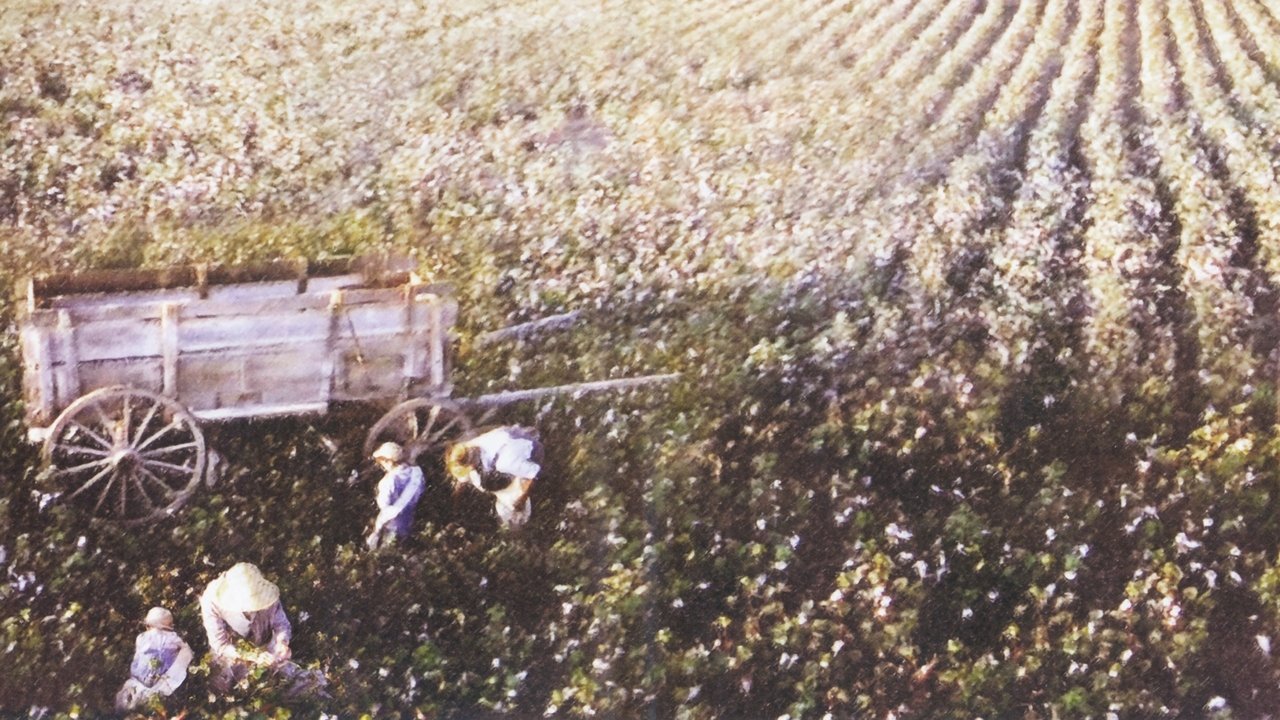
The film doesn't shy away from the harsh realities of the time – the casual, brutal racism Moze endures, the suffocating social constraints on women, the hypocrisy lurking beneath the surface of small-town life, particularly evident in the subplot involving Ed Harris and Amy Madigan. Yet, it counters this darkness with moments of profound grace and resilience. The sequence of the community coming together to help bring in the cotton harvest is deeply moving, a temporary truce declared against shared hardship.
Perhaps the most discussed, and initially confounding, element is the film's final scene: a church communion where characters living and dead, virtuous and flawed, share the bread and wine together. It’s a moment of startling, transcendent forgiveness and reconciliation that lifts the film beyond mere realism into something more symbolic, a prayer for healing and unity. What does this final image suggest about grace, memory, and the possibility of redemption, even across the divide of life and death? It’s a question that stays with you long after the credits roll.
Rating: 9/10
Places in the Heart earns a strong 9/10. Its power lies in its unwavering commitment to emotional honesty, brought to life by exceptional performances, particularly from Sally Field, Danny Glover, and John Malkovich. Robert Benton's deeply personal script and sensitive direction create a film that is both specific to its time and place, yet universal in its exploration of human endurance, prejudice, and the fragile, essential nature of community. While the pacing is deliberate, reflecting the rhythms of life it portrays, the emotional payoff is immense and profoundly moving.
This isn't just a nostalgic look back; it's a film that reminds us of the quiet battles fought daily for survival and dignity, battles that echo through generations. It remains a testament to the strength found not in grand gestures, but in the simple, determined act of placing one foot in front of the other, even when the path ahead is uncertain. A true gem from the heart of the 80s cinematic landscape.