The silence before the echo – that’s what lingers from David Lean’s final film, A Passage to India (1984). Not just the literal echo within the infamous Marabar Caves that triggers the story's central crisis, but the resonating silence that follows shattered assumptions, broken connections, and the vast, unbridgeable spaces between cultures under the suffocating heat of the British Raj. Fourteen years after the cool reception of Ryan's Daughter seemingly drove him from the director’s chair, Lean returned not with a whisper, but with this visually sumptuous, emotionally complex adaptation of E. M. Forster's celebrated novel. It felt like an event, even on a rented VHS tape back in the day – a reminder of cinema’s power to transport and provoke.
### Seeking the 'Real' India
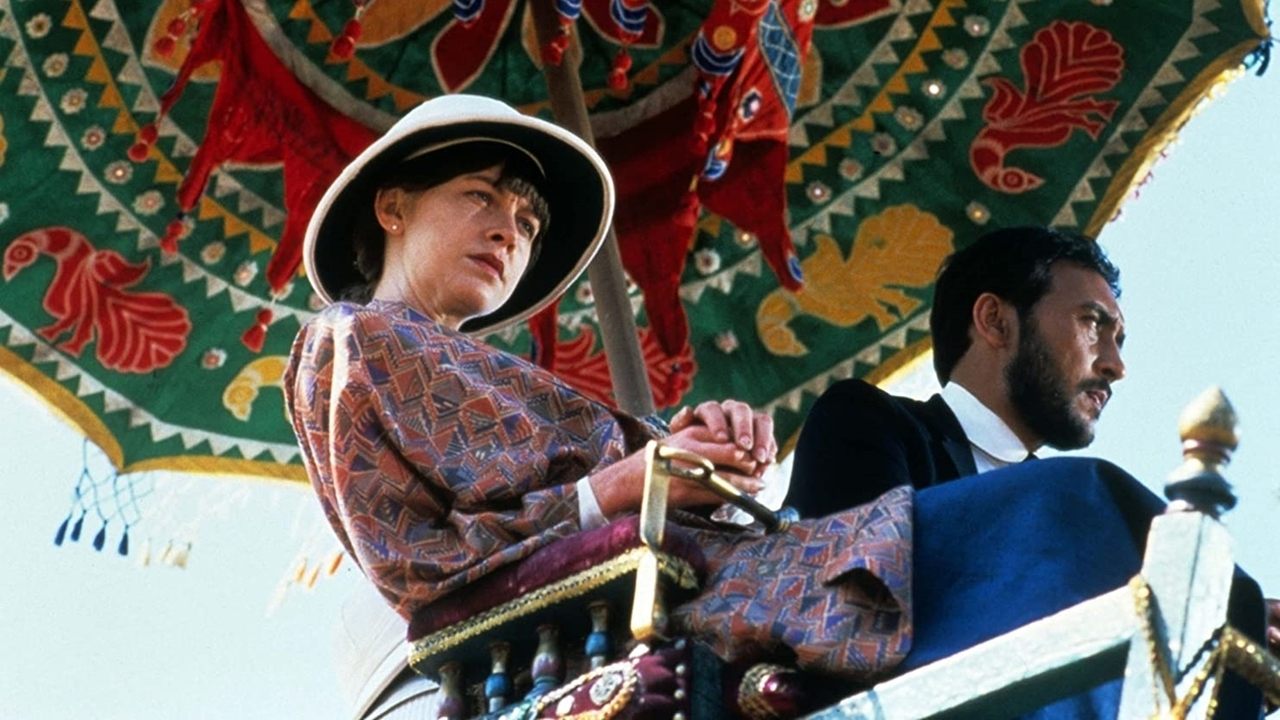
The story invites us into the world of Chandrapore through the eyes of two Englishwomen: the inquisitive, somewhat naive Adela Quested (Judy Davis) and the older, more spiritually attuned Mrs. Moore (Peggy Ashcroft). Travelling to visit Adela’s fiancé, the stolid city magistrate Ronny Heaslop (Nigel Havers), both women yearn to experience an India beyond the manicured lawns and rigid social protocols of the British enclave. Their desire for authentic connection leads them to Dr. Aziz (Victor Banerjee), a charming, educated Indian doctor, and Richard Fielding (James Fox), the principled, independent-minded schoolmaster who navigates the treacherous waters between the ruling British and the local populace. It’s a world simmering with politeness layered thinly over prejudice, a delicate balance easily upset.
### An Echo and Its Aftermath

The film pivots, as does the novel, on the ill-fated expedition to the mysterious Marabar Caves. Arranged by Dr. Aziz with earnest enthusiasm, the trip is meant to be a gesture of friendship, a bridge across the divide. But inside the suffocating darkness of the caves, something happens – or perhaps doesn't happen – involving Adela. What follows is an accusation that rips through the fragile social fabric, exposing the raw nerves of colonial power dynamics, racial bias, and the dangerous ambiguity of human perception. Lean masterfully builds the tension, not just of the subsequent trial, but of the internal landscapes of his characters. He forces us, like the characters themselves, to grapple with uncertainty. What truly transpired in that cave? The film, like the book, wisely offers no easy answers, focusing instead on the devastating consequences of the accusation itself.
### Performances of Profound Truth
While Lean’s epic canvas is breathtaking – the cinematography by Ernest Day captures both the grandeur and the dust of India magnificently – it’s the performances that truly anchor the film. Judy Davis, in a star-making turn, embodies Adela’s journey from eager curiosity to bewildered panic and eventual, painful self-awareness. It's a portrait of repressed anxieties and cultural dislocation made flesh. Victor Banerjee is simply outstanding as Dr. Aziz. He charts the character’s arc from open-hearted warmth and eagerness to please, through the humiliation and injustice of the accusation, to a final, hardened disillusionment. You feel his pride, his pain, his ultimate withdrawal.
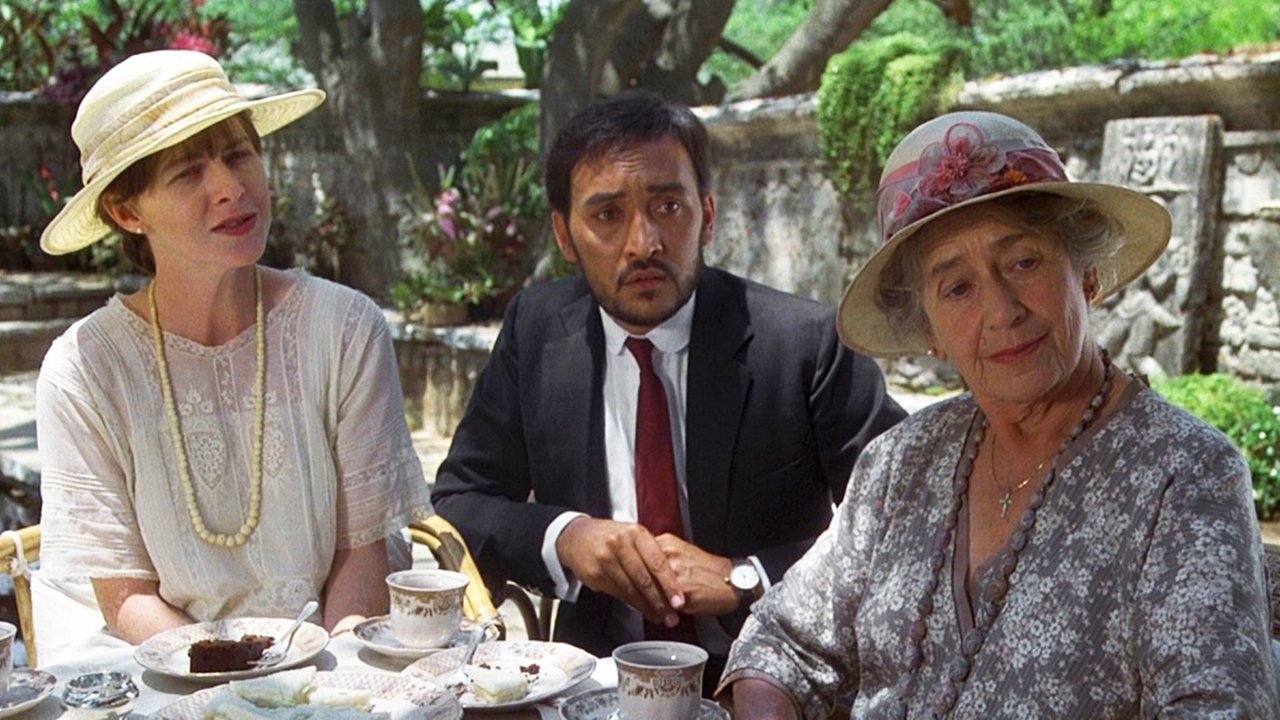

And then there is Peggy Ashcroft. Her portrayal of Mrs. Moore is a masterclass in quiet wisdom and weary empathy. She sees through the colonial facade, feels the deeper vibrations of India, and experiences a profound, unsettling spiritual encounter in the caves that leaves her detached from the ensuing drama. It’s a performance of immense presence and subtlety, a portrayal that feels less acted than lived. It’s no wonder it earned Ashcroft a richly deserved Academy Award for Best Supporting Actress at the age of 77, a fitting tribute to an extraordinary career. Even Alec Guinness, a frequent Lean collaborator (The Bridge on the River Kwai, Lawrence of Arabia), delivers a memorable, if perhaps questionably cast by today's standards, turn as the detached Hindu scholar Professor Godbole.
### Lean's Last Testament
Adapting Forster's dense, multi-layered novel was never going to be easy. Some critics felt Lean softened the book’s more ambiguous edges or perhaps simplified its complex engagement with Hinduism. Yet, what Lean achieved is remarkable. He crafted a film that honours the spirit of Forster while being undeniably cinematic. This is grand-scale filmmaking with an intimate focus, exploring potent themes of prejudice, the search for meaning, the impossibility of true understanding across imposed divides, and the lingering trauma of colonialism. The magnificent score by Maurice Jarre, another Lean regular who also won an Oscar for his work here, perfectly complements the visuals, amplifying both the epic scope and the personal turmoil.

Lean’s return after his 14-year hiatus was triumphant in many ways. Made for around $17 million, A Passage to India performed respectably at the box office and garnered 11 Oscar nominations. It proved that Lean hadn't lost his touch for orchestrating vast narratives while still probing the complexities of the human heart. Watching it again now, it feels like a poignant farewell from one of cinema's great directors – a thoughtful, visually stunning exploration of themes that sadly remain all too relevant. Doesn't the struggle for understanding across cultural divides still resonate profoundly today?
Rating: 8/10
This score reflects the film's undeniable strengths: David Lean's masterful direction, the breathtaking cinematography, Maurice Jarre's evocative score, and particularly the powerhouse performances from Ashcroft, Banerjee, and Davis. While perhaps a slightly streamlined version of Forster's novel, it remains a deeply intelligent, visually arresting, and emotionally resonant piece of epic filmmaking that absolutely earned its place on the discerning shelf of any 80s video rental store. It leaves you contemplating not just the mysteries within the story, but the enduring mysteries of human connection itself.