There's a certain kind of weight that settles over you when watching Mark Rydell's The River (1984), a feeling as heavy and persistent as the Tennessee humidity that seems to cling to every frame. It’s not just the looming threat of the water, that ever-present, indifferent force of nature, but the crushing weight of economic hardship pressing down on a family fighting tooth and nail for a life perpetually on the brink. This wasn’t your typical 80s escapism; renting this tape often meant signing up for an evening of quiet contemplation rather than explosive action.

Against the Current
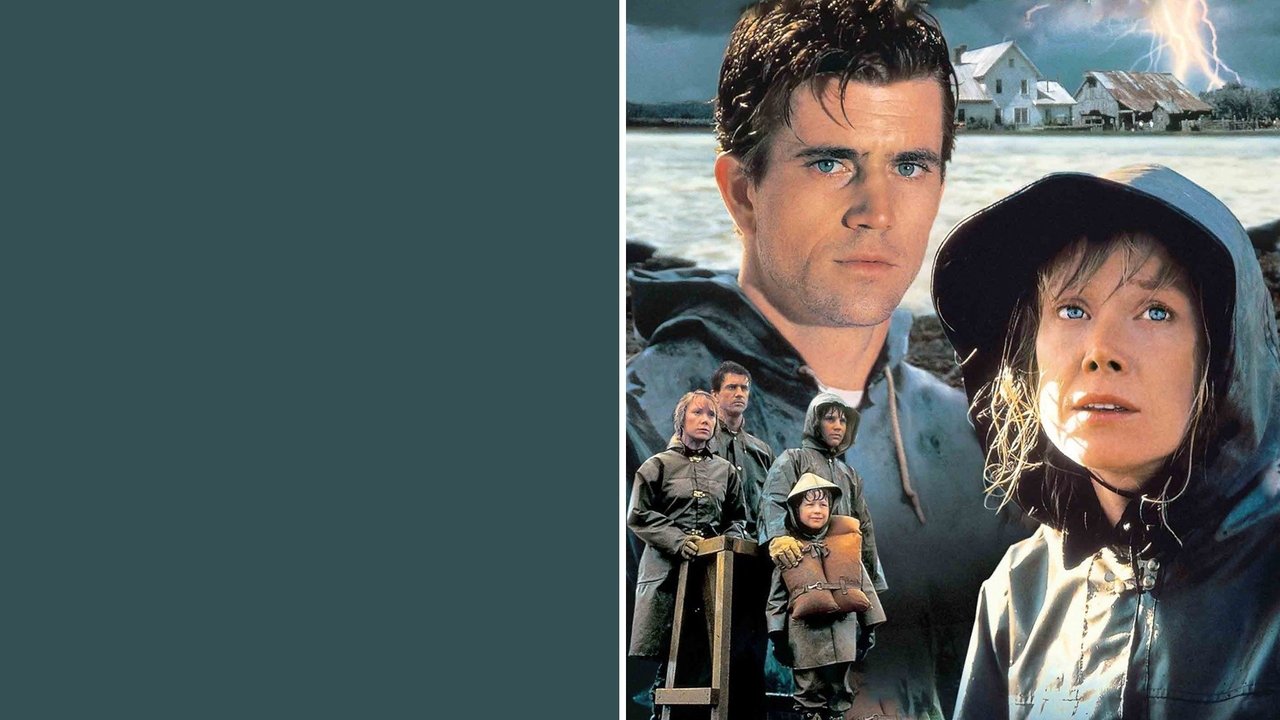
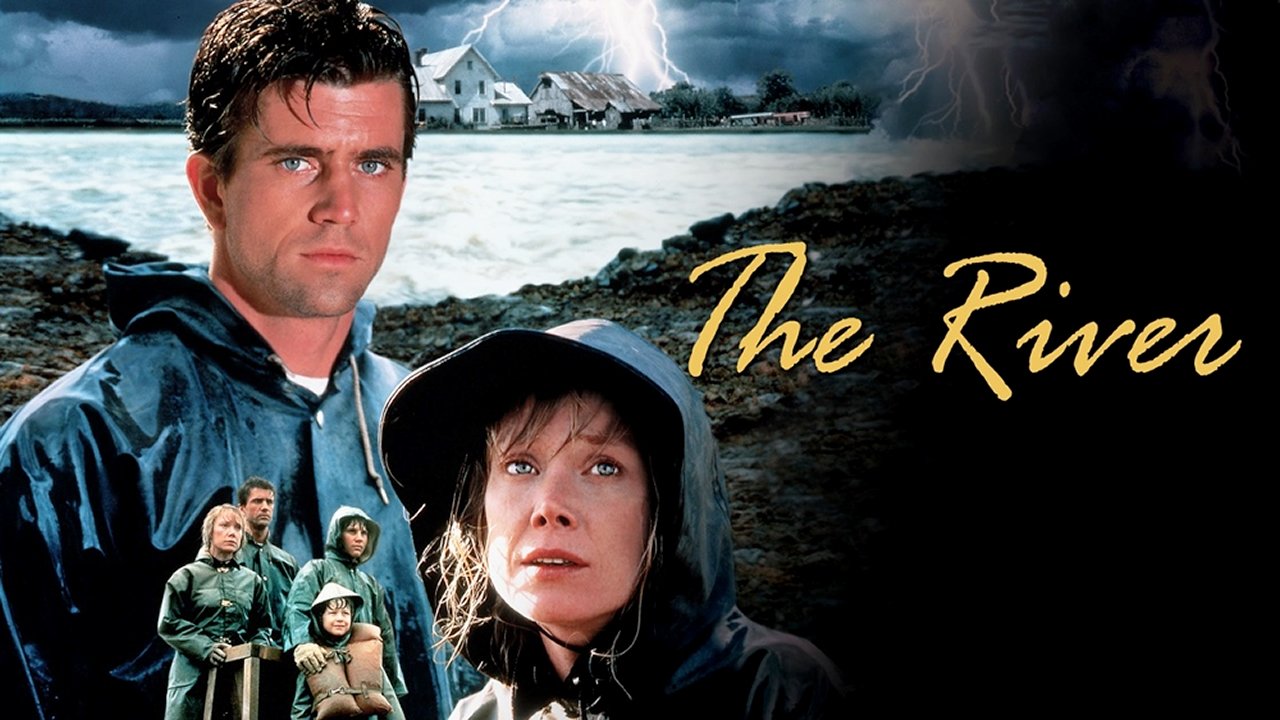
Set against the backdrop of struggling rural America, the film introduces us to the Garvey family: Tom (Mel Gibson), Mae (Sissy Spacek), and their children Lewis (Shane Bailey) and Beth (Becky Jo Lynch). They are tenant farmers, clinging desperately to a patch of land nestled precariously beside a river prone to violent flooding. Their adversary isn't just the water, but also Joe Wade (Scott Glenn), a local power broker who sees the valley's potential for hydroelectric power – a potential that requires flooding the very farms the Garveys and their neighbors depend on. It’s a simple premise, almost archetypal: the resilient family versus the uncaring forces of nature and progress.
What elevates The River beyond a mere hardship narrative is the palpable sense of place and the grounded authenticity of its central performances. You feel the mud squish underfoot, the strain in Tom's shoulders as he wrestles with failing machinery, the fierce love and quiet desperation in Mae's eyes. Rydell, known for drawing nuanced work from his actors (think On Golden Pond (1981)), lets the environment and the characters breathe. The narrative unfolds with a deliberate, almost unhurried pace, mirroring the rhythms of farm life itself – long periods of toil punctuated by sudden crises.
The Heart of the Homestead
The film truly belongs to Sissy Spacek. Coming off acclaimed roles like Coal Miner's Daughter (1980), she embodies Mae Garvey with an astonishing blend of vulnerability and steely resolve. There's a scene where Mae confronts Wade, her voice trembling but her gaze unwavering, that encapsulates the film's core strength. It's a masterclass in conveying inner turmoil and fierce maternal protection without resorting to histrionics. Spacek earned a well-deserved Oscar nomination for this role, holding her own in what became informally known as Hollywood's "Year of the Farm," competing against similar themes in Country (starring Jessica Lange, who reportedly turned down the Mae Garvey role first) and Places in the Heart.
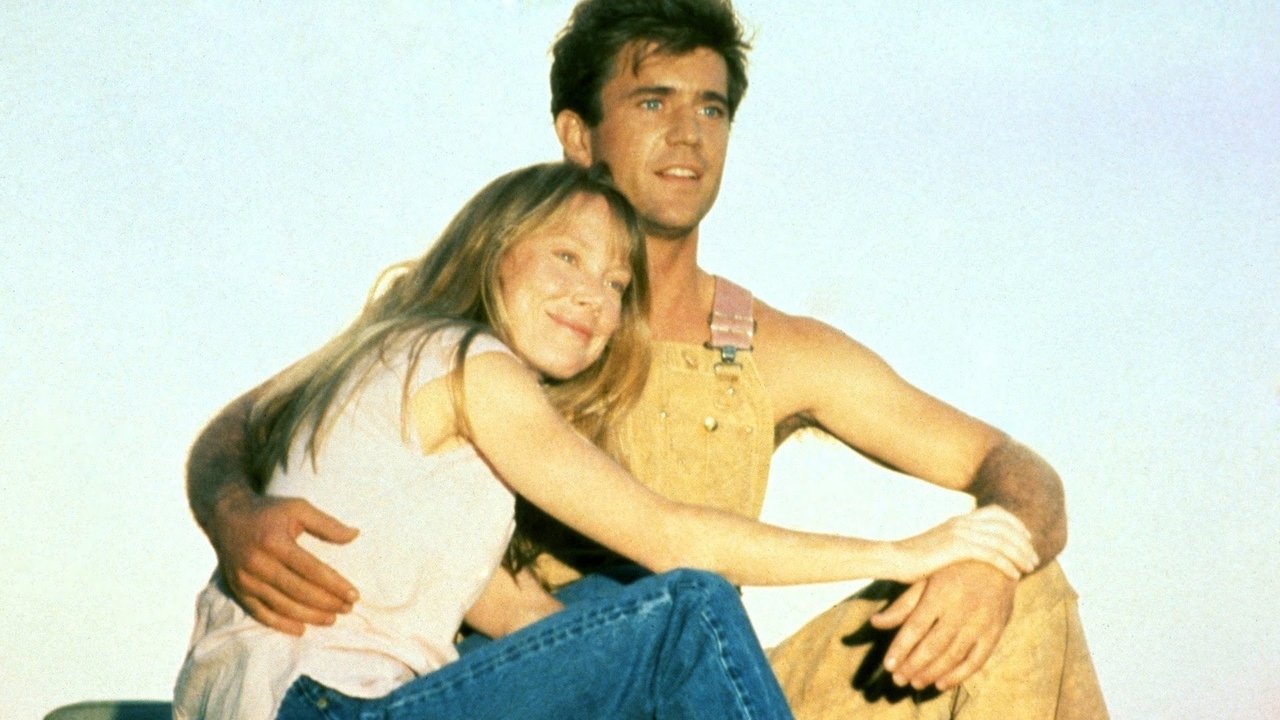
Mel Gibson, still relatively early in his transition from action roles like Mad Max (1979) to more dramatic fare, delivers a performance simmering with frustration and stubborn pride. Tom Garvey is a man pushed to his limits, sometimes making questionable decisions born of desperation, but Gibson makes his struggle relatable. His chemistry with Spacek feels lived-in, weathered, anchoring the film's emotional core. Their arguments feel real, their moments of tenderness earned. And Scott Glenn, as the 'villain' Wade, brings a necessary complexity; he's not cartoonishly evil, but rather represents the impersonal march of economic interests, adding another layer to the Garveys' plight.
Forging the Flood
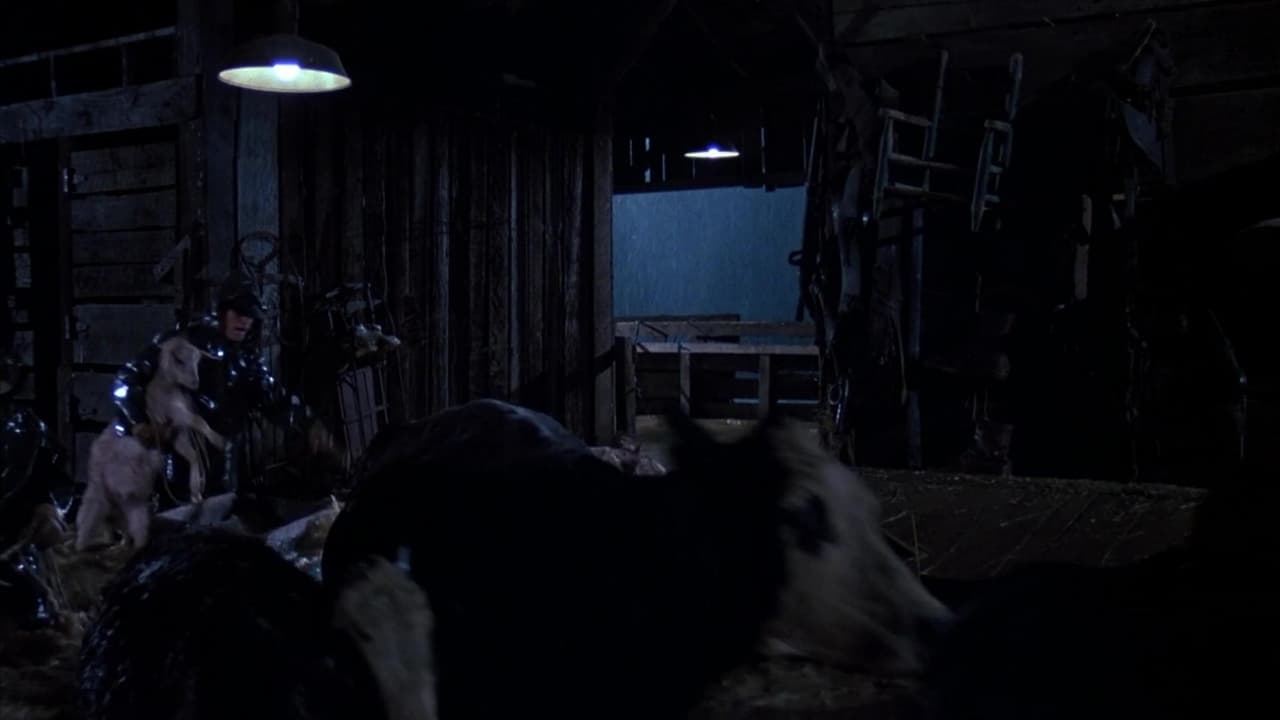
The film’s production itself mirrored the Garveys' battle against the elements. Shot primarily in the vicinity of Kingsport, Tennessee, the crew essentially built the Garvey farmstead from the ground up. Legendary cinematographer Vilmos Zsigmond (Close Encounters of the Third Kind (1977), The Deer Hunter (1978)) captures both the pastoral beauty and the menacing power of the landscape. His lensing makes the river itself a character – sometimes serene, sometimes a raging beast. The climactic flood sequence remains a visceral piece of practical filmmaking. Reportedly, achieving the deluge involved a complex system using eleven massive pumps, capable of moving an astonishing 65,000 gallons of water per minute. Feeling that raw power, achieved practically, hits differently than modern CGI – it carries a tangible threat that underscores the family's desperate fight to hold back the tide with sandbags and sheer will.
Despite its craft and powerful performances, The River wasn't a commercial success, earning only $11.5 million against its estimated $18 million budget. Critically, it was often compared, sometimes unfavorably, to its thematic siblings released the same year. Perhaps its stark portrayal of hardship, underscored by a subtly moving score from the great John Williams, felt a little too real, a little too bleak for audiences seeking lighter fare.
The Lingering Silt
Watching The River today, decades removed from the specific economic anxieties of the early 80s farm crisis, its themes still resonate. Doesn't the struggle against overwhelming forces – be they economic, environmental, or societal – feel perpetually relevant? What endures is the film's powerful depiction of resilience, the quiet dignity in fighting for one's home and family against seemingly insurmountable odds. It doesn't offer easy answers, nor does it shy away from the immense cost of that fight. It’s a film that stays with you, like the damp chill after a storm, prompting reflection on the ties that bind us to the land and to each other. I remember renting this one, expecting maybe a bit more action given Gibson's presence, but finding something much deeper, more contemplative. It felt like a grown-up movie, even back then.
Rating: 7/10
While perhaps not as celebrated as Places in the Heart or as raw as Country, The River earns its 7 for the sheer power of Spacek's performance, Zsigmond's evocative cinematography, and its unflinching look at the human cost of economic and environmental struggle. It might move a bit slowly for some, and the narrative beats can feel somewhat predictable, but its emotional authenticity and visual strength make it a significant piece of 80s drama well worth revisiting.