Here we are again, fellow travellers through the magnetic tape maze. Sometimes, digging through those dusty stacks at the back of the rental shop – or perhaps stumbling upon a recommendation whispered between cinephiles – unearthed something truly unexpected. Not a blockbuster, not a familiar slasher, but something...else. Something that stuck in your mind long after the VCR clicked off, leaving you to ponder its strange beauty or unsettling truths. Alex van Warmerdam's 1992 Dutch oddity, De Noorderlingen (or The Northerners as it was known on those rare international tapes), is precisely that kind of film.
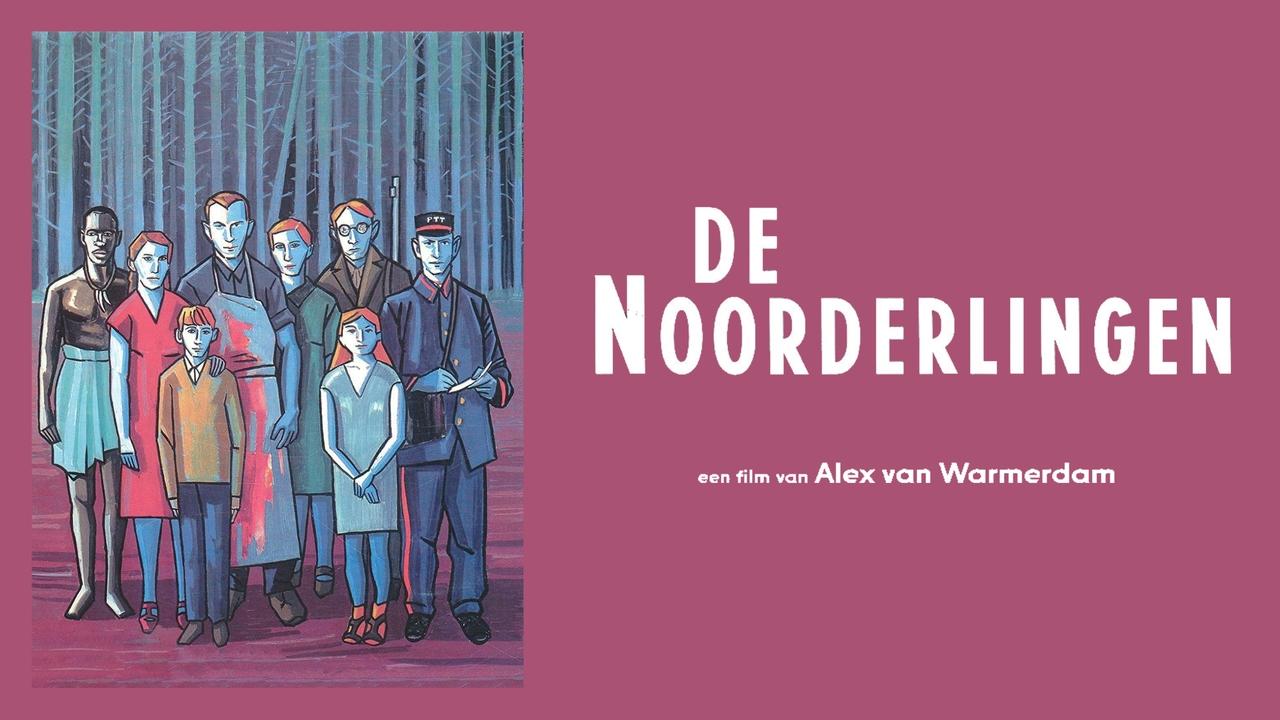
What strikes you first, and perhaps lingers longest, is the film's stark, almost alien landscape. Imagine a brand-new housing development dropped unceremoniously into the flat Dutch countryside in the 1960s. The streets are laid out, the identical houses stand waiting, but much of it remains unfinished, unpopulated. Civilization abruptly ends, literally abutting a dense, dark forest. It's within this peculiar limbo, this surgically placed slice of suburbia against the wild, that the film unfolds its quietly unsettling, darkly comedic drama. It's a setting that feels less like a real place and more like a meticulously constructed stage for observing human folly.
A Neighbourhood Watch of a Different Kind
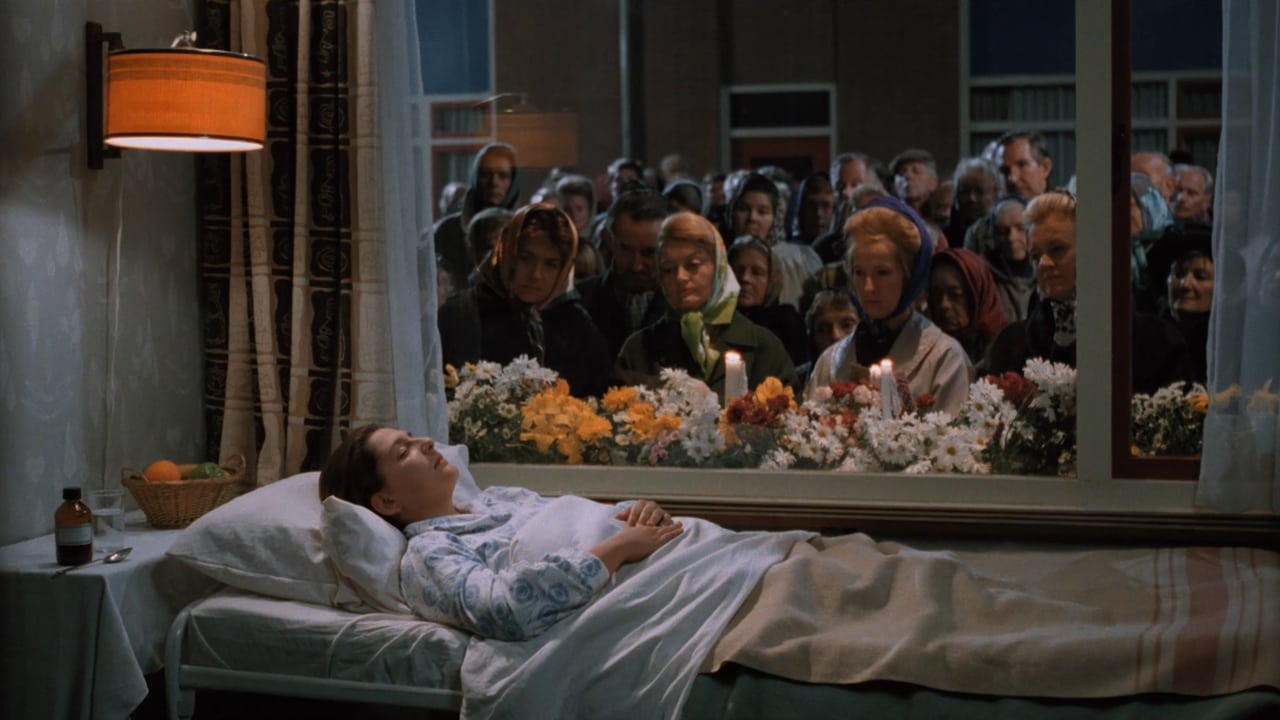
The story, such as it is, drifts between the few families inhabiting this strange new world. There's Jacob (Jack Wouterse), the butcher, whose simmering sexual frustration is palpable beneath his outwardly stoic demeanor. His wife, Martha (Annet Malherbe, van Warmerdam's real-life spouse and frequent collaborator), endures his advances and the suffocating quiet with a brittle tension. Their young son, Thomas, becomes our wide-eyed viewpoint character, observing the bizarre adult world around him with a mixture of curiosity and confusion. And then there's the forester, Anton (Rudolf Lucieer), a gaunt figure who literally lives in the woods bordering the development, spending his days peering through binoculars at the lives unfolding just metres away. Voyeurism isn't just a theme here; it's practically the neighbourhood's primary occupation.
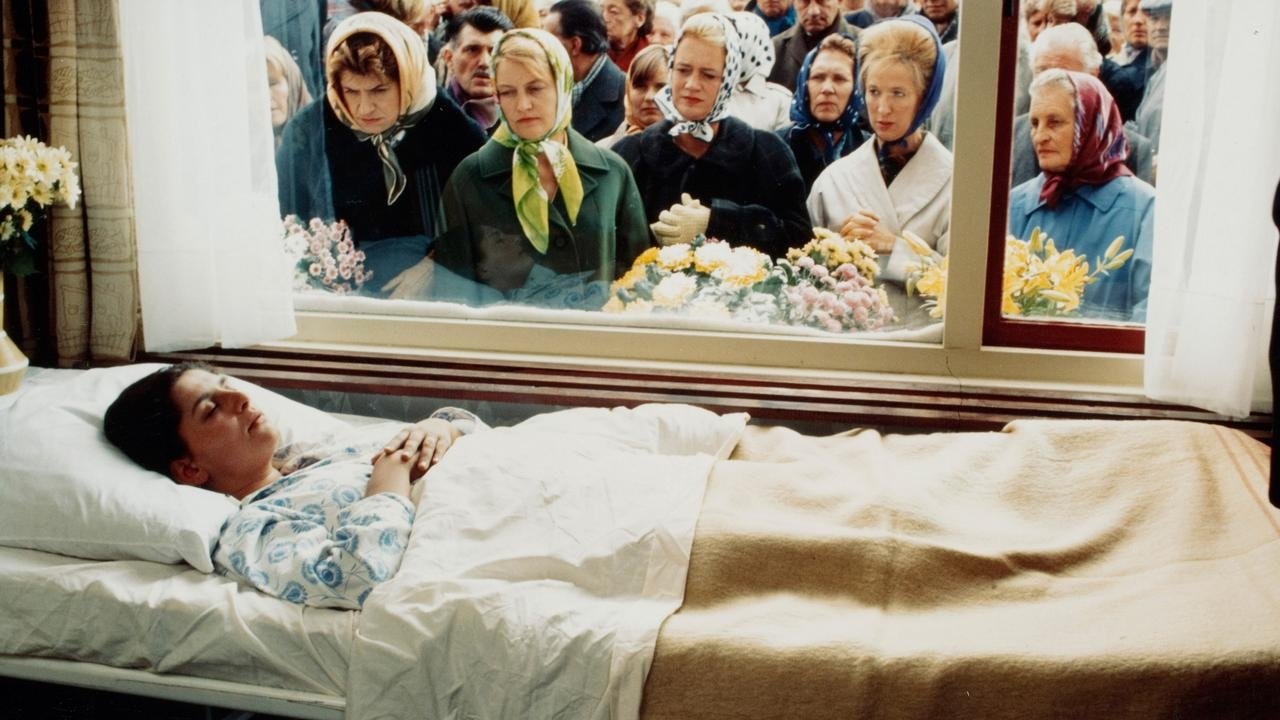
The performances are key to the film's unique power. Under Alex van Warmerdam's typically precise direction (he also wrote the screenplay, continuing a multi-hyphenate career that began with films like 1986's Abel and would later give us the chilling Borgman in 2013), the actors deliver masterclasses in deadpan intensity. Wouterse perfectly embodies the coiled spring of repressed masculinity, while Malherbe conveys volumes with just a flicker of her eyes or a tightening of her lips. Lucieer's forester is less a character and more an unsettling presence, a silent observer whose motives remain disturbingly ambiguous. There's a deliberate lack of overt emoting, which paradoxically makes the undercurrents of desire, violence, and absurdity feel even stronger.
Life on the Edge of Nowhere
The Northerners isn't driven by a conventional plot. Instead, it presents vignettes, moments that capture the strange rhythms of life in this isolated enclave. News reports about escalating global crises filter through crackling radios, ignored by residents consumed by their own small dramas. Religious fervor clashes with base instincts. The arrival of new neighbours, black citizens in this starkly white community, briefly ripples the surface before being absorbed into the general weirdness. Van Warmerdam uses static camera shots, often framed like slightly skewed paintings, enhancing the feeling of observing specimens in a terrarium. The humour is bone-dry, arising from the sheer absurdity of situations played completely straight – a confrontation over hedge trimming that feels seismic, the casual integration of the Peeping Tom forester into daily life.
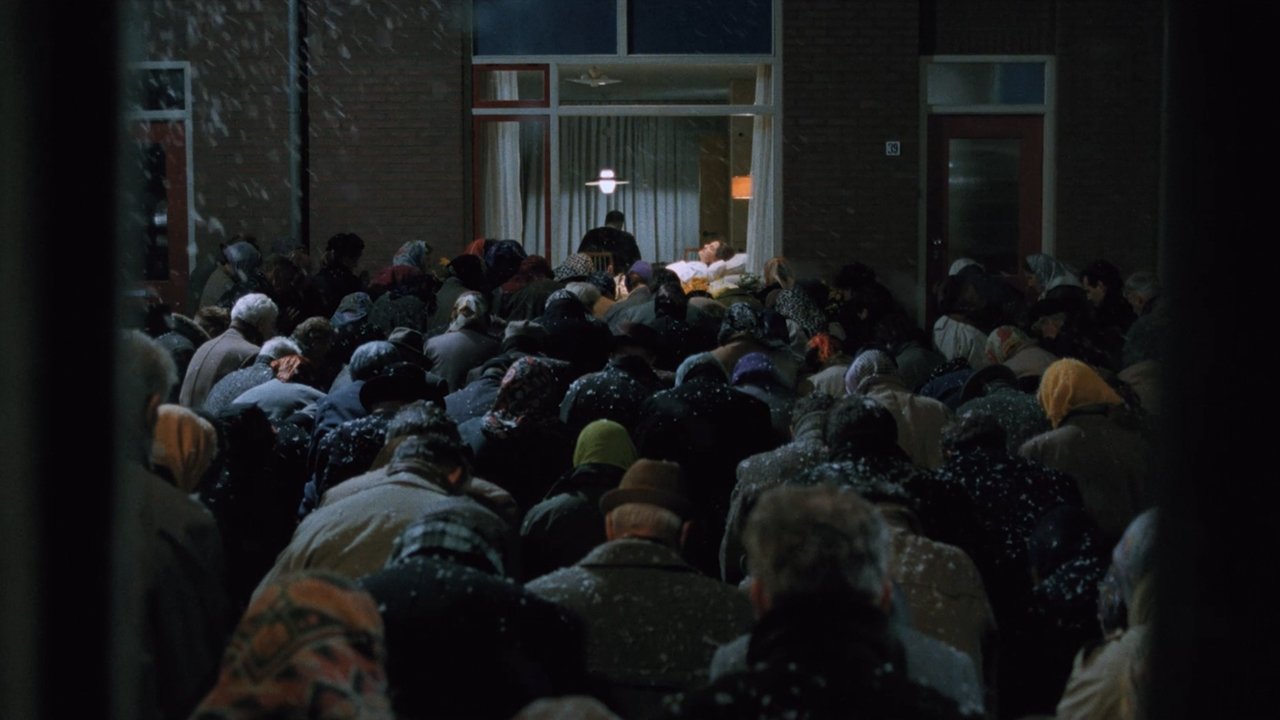
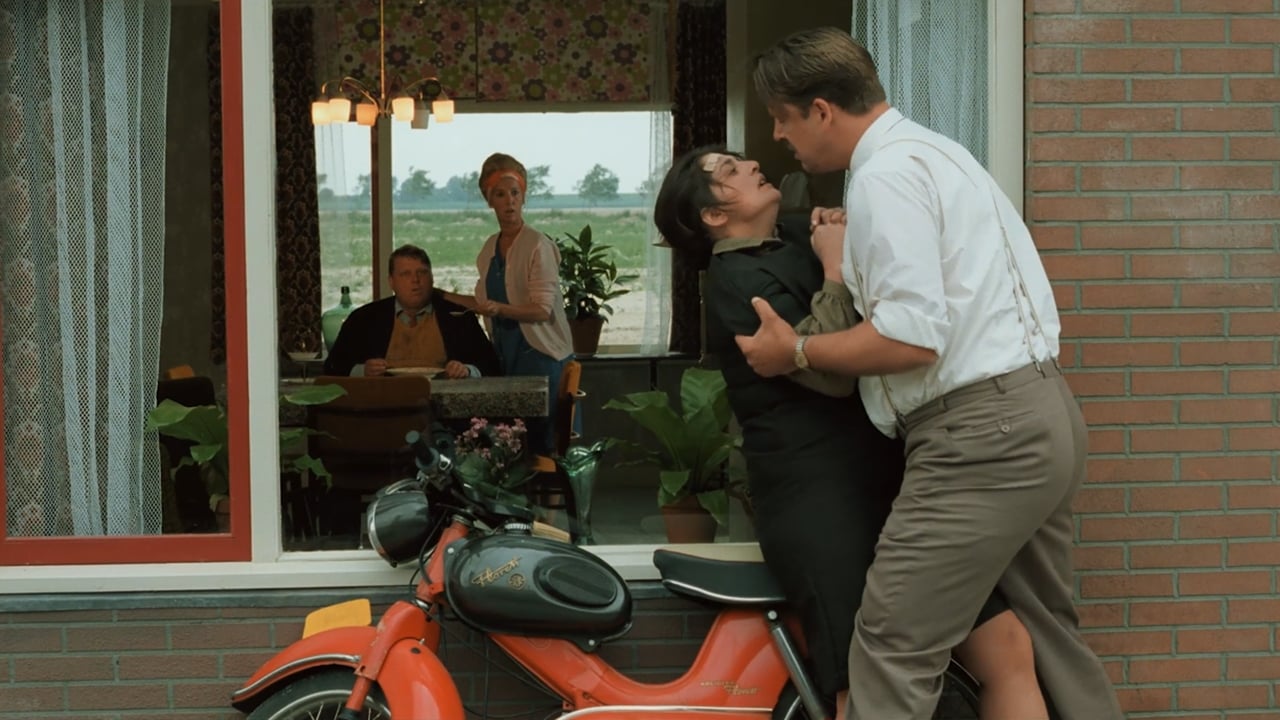
Finding specific production details on a film like this from the era can be a challenge, but knowing it was largely filmed in Almere adds another layer. Almere is a Dutch city famously built on reclaimed land, essentially created from nothing in the latter half of the 20th century. Doesn't that just perfectly underscore the film's sense of artificiality, of a community forcibly imposed onto a landscape? It’s not just a new development; it’s built on ground that arguably shouldn't even be there, mirroring the manufactured nature of the social interactions within it. Critically lauded in Europe, winning the European Film Award for Best Young Film, The Northerners likely remained a cult discovery on VHS elsewhere – the kind of tape you might have hesitantly picked up based on its bizarre cover art or a cryptic description, unsure what journey you were embarking on.
The Lingering Chill
It’s a film that explores the thin veneer of civilization and the strange impulses that lurk beneath monotonous surfaces. The meticulously planned community, meant to represent order and progress, instead becomes a pressure cooker for loneliness, lust, and latent aggression. What happens when societal norms are stripped away, leaving only the bare structures of houses and the watchful eyes of neighbours (and the man in the woods)? The Northerners doesn't offer easy answers, but it poses its questions with a unique, unforgettable style. It’s a stark reminder that sometimes the most unsettling landscapes are the ones we build ourselves.
Rating: 8/10
This score reflects the film's undeniable artistic vision, its masterful control of tone, and its potent, unsettling atmosphere. The performances are pitch-perfect within its stylized world, and van Warmerdam's direction is confident and distinct. It earns an 8 for being a truly original, thought-provoking piece of cinema that achieves exactly what it sets out to do, even if its deliberate pace and bleak absurdism won't connect with every viewer. It’s a film that rewards patience and a taste for the bizarre.
The Northerners is one of those films that burrows under your skin – a strange, static-filled transmission from a slightly skewed reality, leaving you pondering the quiet desperation that can hide behind even the neatest curtains. A true gem for those willing to venture off the beaten path of the video store aisle.