### The Weight of a Stolen Kiss: Reflecting on Kieślowski's Decalogue VII
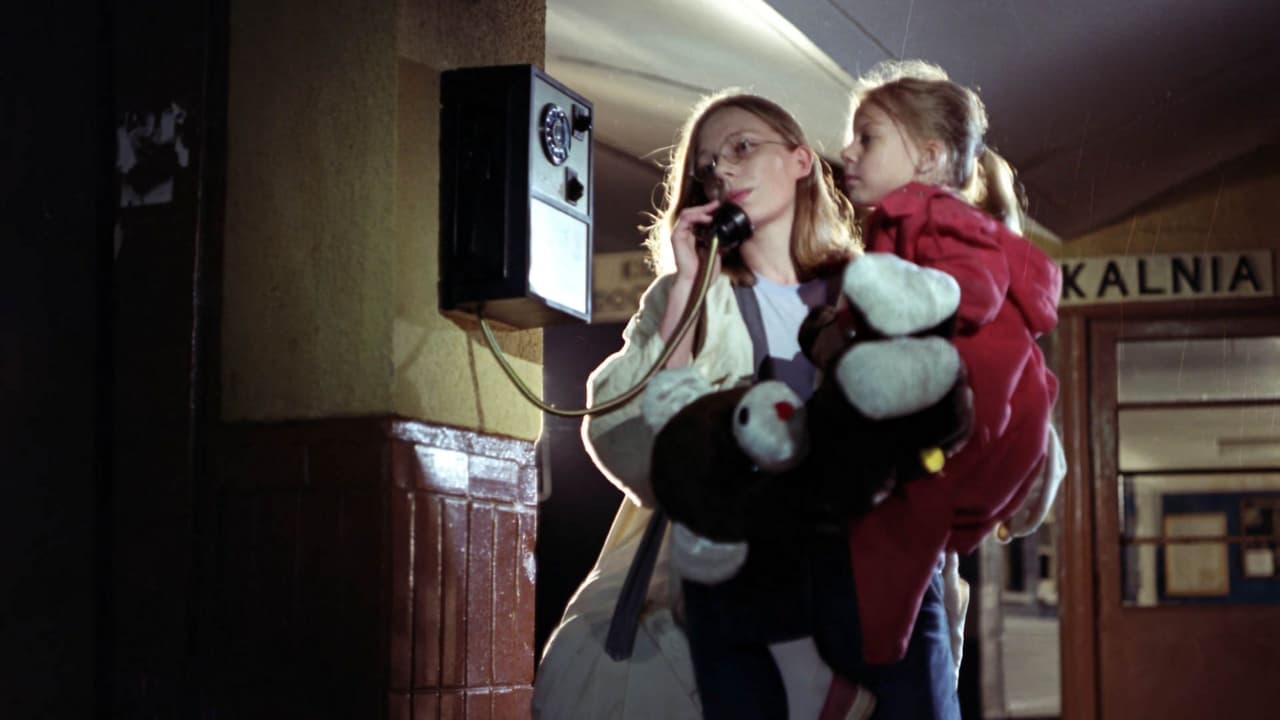
What truly belongs to us? Is it something we possess, something we create, or perhaps something forged in the crucible of love and sacrifice? These aren't easy questions, and Krzysztof Kieślowski, in the seventh installment of his monumental 1989 television series Decalogue, offers no simple answers. Decalogue VII, ostensibly exploring the Seventh Commandment ("Thou shalt not steal"), plunges us not into a world of petty theft, but into the desperate heart of a young woman who steals her own child – a child raised as her sister. Watching it again, decades after first encountering Kieślowski's work likely on a slightly worn library or rental VHS, the raw, unsettling power remains undimmed.
A Tangled Web of Relations
The premise itself is a knot of emotional complexity. Majka (Maja Barełkowska) is a young woman haunted by a past mistake – a relationship with a teacher that resulted in a daughter, Ania. To avoid scandal, Majka's mother, Ewa (Anna Polony), a stern school principal, adopted Ania and raised her as Majka's younger sister. Majka, trapped in this suffocating lie, watches her own daughter call her mother "sister," a daily erosion of her maternal identity. The theft, when it comes, feels less like a calculated crime and more like an explosion of long-suppressed pain and a desperate bid for truth. Kieślowski and his indispensable writing partner Krzysztof Piesiewicz crafted a scenario where the commandment isn't about objects, but about lives, identities, and the very definition of motherhood. It’s a profound twist, typical of their approach throughout the Decalogue cycle, which used the biblical tenets as springboards for exploring the labyrinthine moral landscapes of ordinary Polish lives in the late 1980s.
Performances Forged in Silence and Sorrow
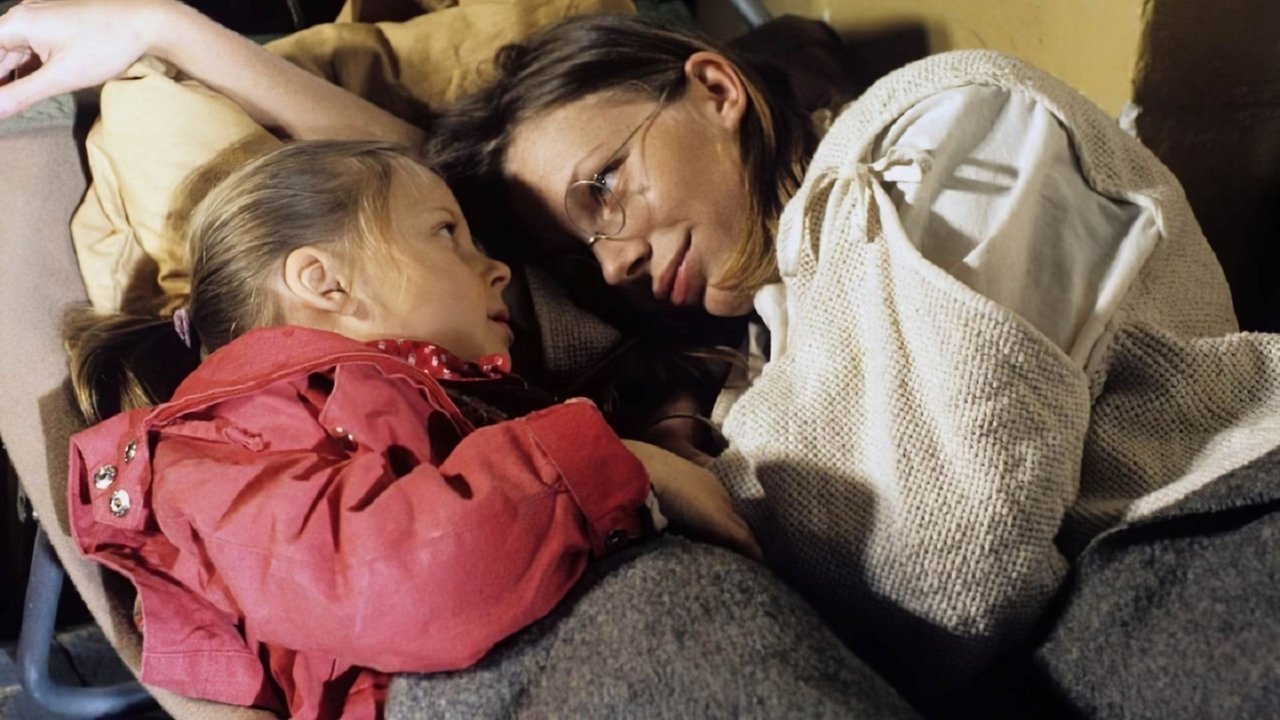
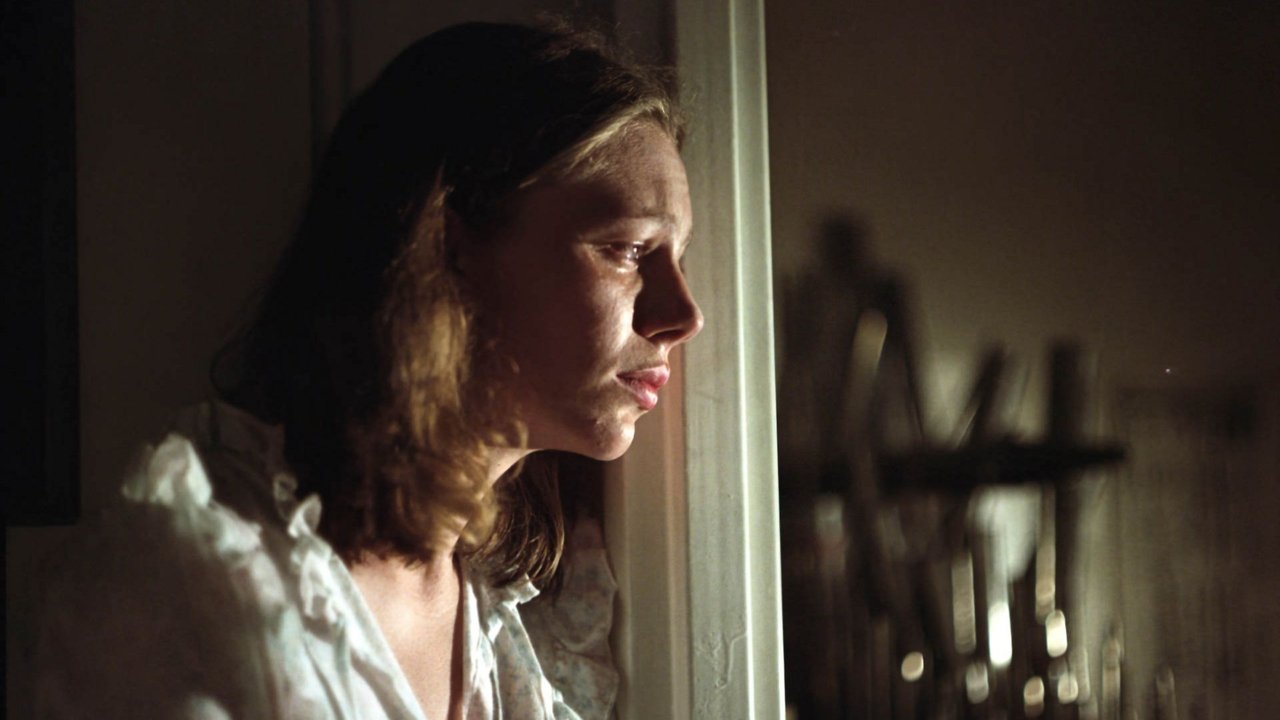
The film rests heavily on the shoulders of its two central actresses. Maja Barełkowska, in a performance of heartbreaking vulnerability, conveys Majka's desperation simmering beneath a surface of forced compliance. Her eyes, often wide with a kind of stunned anguish, tell volumes. We see the flicker of hope when she reconnects, however briefly, with Ania's biological father, Wojtek (Bogusław Linda, a major Polish star even then, known for grittier roles, here playing a man seemingly adrift), and the crushing weight of despair as her impulsive plan unravels.
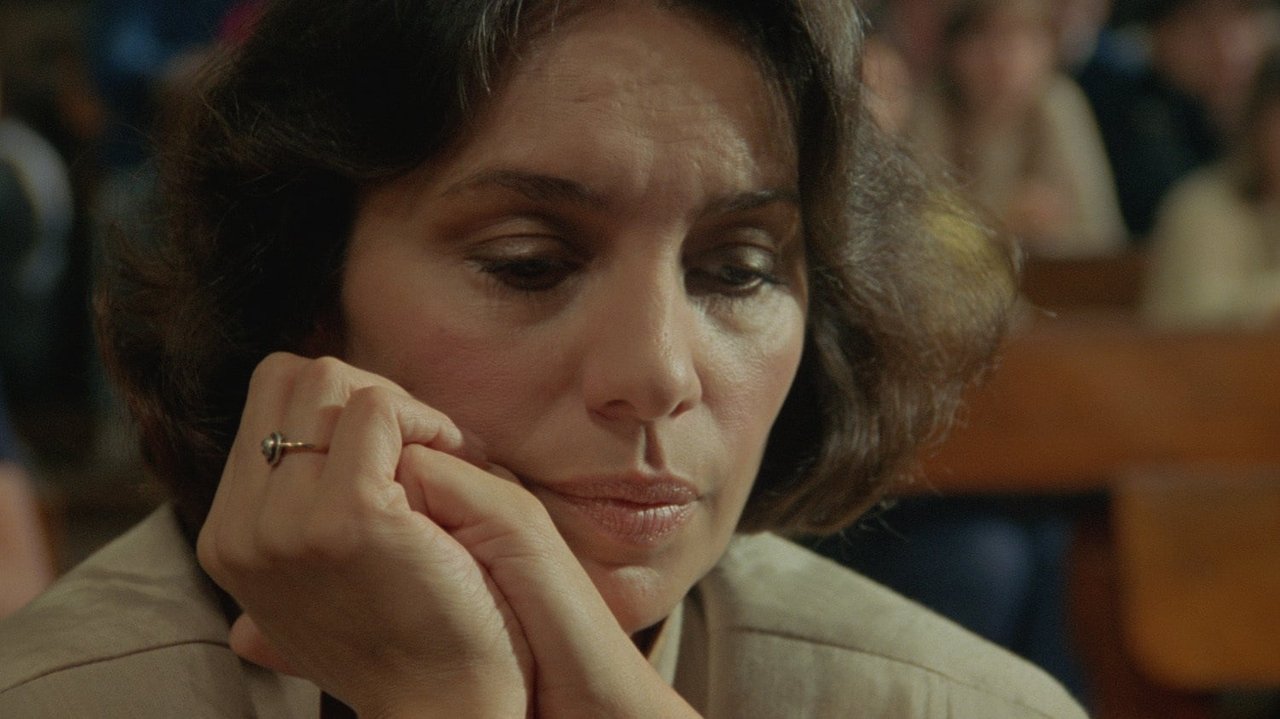
Opposite her, Anna Polony is nothing short of formidable as Ewa. She embodies a cold, pragmatic control that masks, perhaps, her own complex motivations – shame, possessiveness, maybe even a warped form of protection. Polony, a distinguished theatre actress, brings an unnerving stillness to Ewa; her authority isn't loud, but it's absolute, suffocating the life out of Majka. The confrontations between them are charged with years of unspoken resentment and manipulation. Kieślowski, known for his minimalist guidance, clearly trusted his actors immensely, allowing the intricate power dynamics to unfold through subtle gestures and loaded silences rather than overt exposition.
Kieślowski's Observational Eye
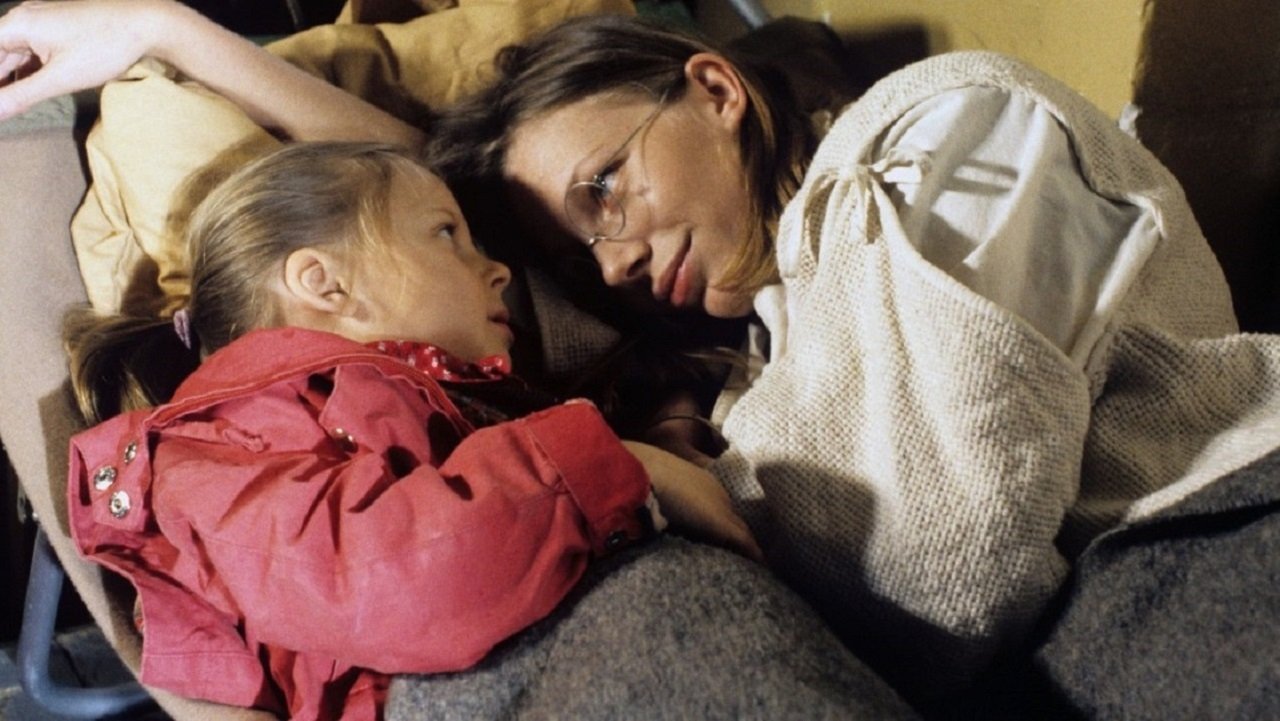
As with the entire Decalogue, Kieślowski employs a restrained, observational style. There are no flashy camera moves, no manipulative scoring cues demanding an emotional response. Instead, the camera often lingers on faces, capturing the micro-expressions that betray inner turmoil. The settings – the drab apartment interiors, the institutional feel of the school, the starkness of a provincial theatre where Majka seeks refuge – reflect the emotional confinement of the characters. Filmed on location in Warsaw, often under challenging conditions typical of late-communist Poland, the Decalogue series had a sense of grounded reality that made its moral explorations even more potent. It’s worth remembering this entire ten-hour project, tackling profound philosophical themes, was made for television, a remarkable feat demonstrating Kieślowski's ambition and the unique cultural space Polish television occupied at the time. It found a significant afterlife on VHS, bringing these complex Polish stories to a global audience hungry for thoughtful cinema beyond Hollywood gloss.
The Unspoken Theft
What makes Decalogue VII so resonant, even haunting, is its ambiguity. Who is the real victim here? Majka, robbed of her motherhood? Ania, denied the truth of her parentage? Or even Ewa, trapped by the consequences of her own controlling decision? The film doesn't offer judgment. Instead, it forces us to confront the devastating consequences that ripple outwards from a single act of deception, fueled by societal pressure and personal weakness. The 'theft' isn't just the physical act of taking Ania; it's the theft of truth, the theft of identity, the theft of a chance for genuine connection. Doesn't this resonate with the hidden compromises and buried truths that can fracture any family, in any era?
The series, though conceived as ten separate films, contains subtle interconnections – characters might briefly appear across episodes, or thematic echoes might ripple through. While VII stands powerfully on its own, knowing it's part of this larger tapestry adds another layer to its richness, a sense that these individual moral struggles are part of a universal human condition Kieślowski was so adept at exploring.
---
Rating: 9/10
Decalogue VII is emotionally taxing, morally complex, and utterly compelling filmmaking. While lacking the immediate genre hooks of some other VHS-era favourites, its power lies in the authenticity of its performances, particularly from Barełkowska and Polony, and Kieślowski’s unflinching gaze into the human heart. The direction is masterful in its restraint, allowing the devastating weight of the situation to speak for itself. It earns its high rating through its profound thematic exploration, nuanced characterisations, and the lingering questions it leaves viewers grappling with long after the credits roll.
This isn't a film you watch for escapism; it's one you experience, one that burrows under your skin. It reminds us that sometimes the most profound 'thefts' are not of material things, but of intangible truths and essential human connections. What are we left with, Kieślowski seems to ask, when the very foundation of family is built on a lie?