It often starts with a question, doesn't it? A calculation. A simple inquiry directed at the silicon heart of a machine, seeking certainty in a world that offers precious little. In Krzysztof Kieślowski's Decalogue I (1989), the first haunting chapter of his monumental television series exploring the Ten Commandments through the lens of modern Polish life, that question hangs heavy in the chilly Warsaw air, posed by a young boy to the computer his rationalist father trusts implicitly. The answer it gives feels absolute, logical, safe. And that, perhaps, is the most chilling part.
### Beyond the Blockbuster Aisle
Finding Decalogue nestled amongst the action heroes and slasher flicks on the video store shelves back in the day felt like uncovering a secret. These weren't typical VHS fodder; they were something denser, quieter, demanding more from the viewer. Originating as a Polish television series, its arrival on tape internationally, championed by critics and filmmakers like Stanley Kubrick (who wrote a glowing foreword for the published screenplays), marked it as significant. Decalogue I, tackling the first and second commandments ("Thou shalt have no other gods before me" and "Thou shalt not take the name of the Lord thy God in vain," though Kieślowski preferred viewers connect the themes themselves), sets a tone that resonates throughout the series: observational, deeply humane, and unflinchingly honest about life's brutal ambiguities. Shot on location in a sprawling, slightly anonymous Warsaw apartment complex – a setting that becomes a character in itself across the ten films – there's an immediate sense of grounded reality, a stark contrast to the escapism often sought on a Friday night rental run.
### The Certainty of Numbers
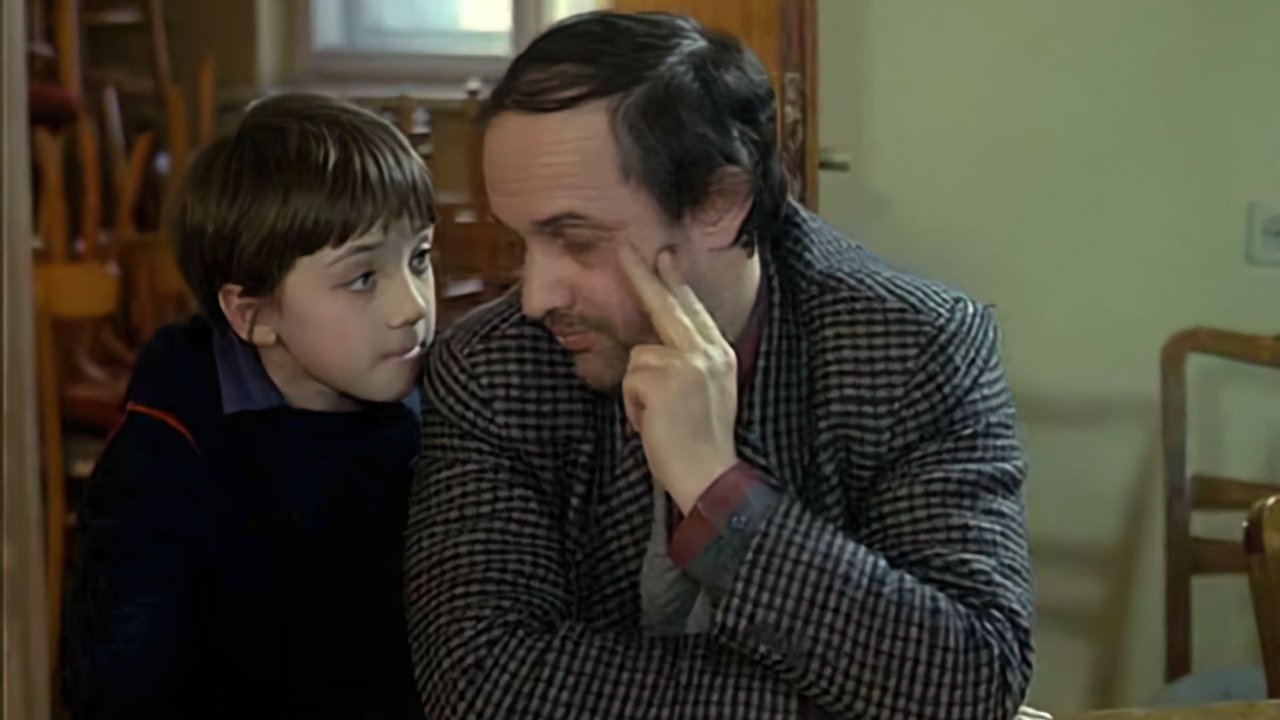
At the heart of Decalogue I is Krzysztof (Henryk Baranowski), a university lecturer who places his faith entirely in reason, logic, and the infallible power of his home computer, affectionately nicknamed "Aleksander." He shares this meticulously ordered world with his bright, inquisitive son, Paweł (Wojciech Klata), teaching him the wonders of mathematics and the predictive capabilities of technology. Their bond is palpable, built on shared intellectual curiosity. Baranowski embodies Krzysztof not as a cold automaton, but as a loving father whose certainty stems from a desire to understand and control the world, perhaps to protect his son from its randomness. His trust in calculation is his personal commandment. We see Paweł asking the computer complex questions, even about the essence of dreams, seeking quantifiable answers in a world brimming with the unquantifiable.
Contrast comes in the form of Irena (Maja Komorowska), Krzysztof's sister and Paweł's aunt. She represents a different way of knowing – one rooted in faith, intuition, and an acceptance of mystery. Komorowska, a legendary figure in Polish theatre and cinema, brings a quiet warmth and deep-seated spiritual conviction to the role. The discussions between her and Krzysztof about God, about belief, are never didactic; they are gentle explorations of opposing worldviews, highlighting the inherent tension without offering easy resolutions. A seemingly minor incident – an ink bottle inexplicably breaking, staining Krzysztof's papers – feels like a subtle crack in the logical facade, a foreshadowing that some things defy neat explanation.
### When Logic Fails (Warning: Vague spoilers ahead regarding the film's central tragedy)
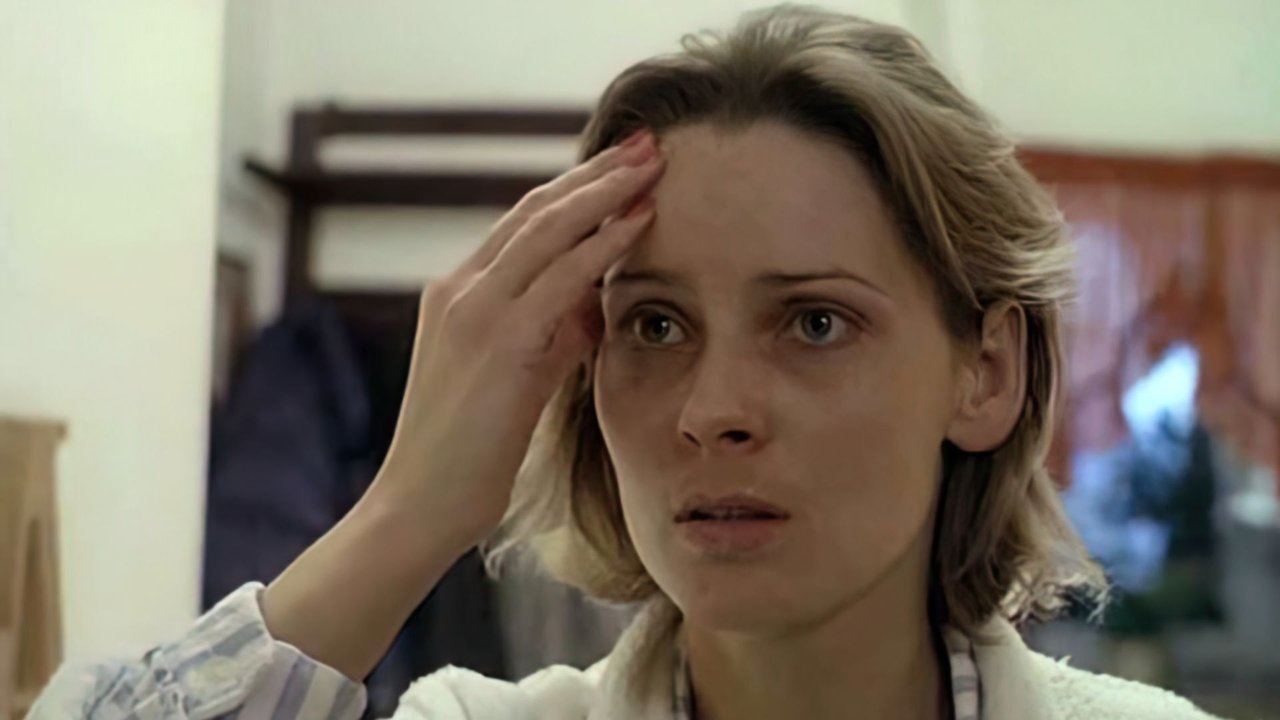
The narrative hinges on Paweł's desire to try out his new ice skates on a nearby lake. Krzysztof, ever the rationalist, consults meteorological data, performs calculations on his computer, and assures his son the ice is thick enough, strong enough. Safe. The computer confirms it. It's a moment built on the bedrock of Krzysztof's entire worldview.
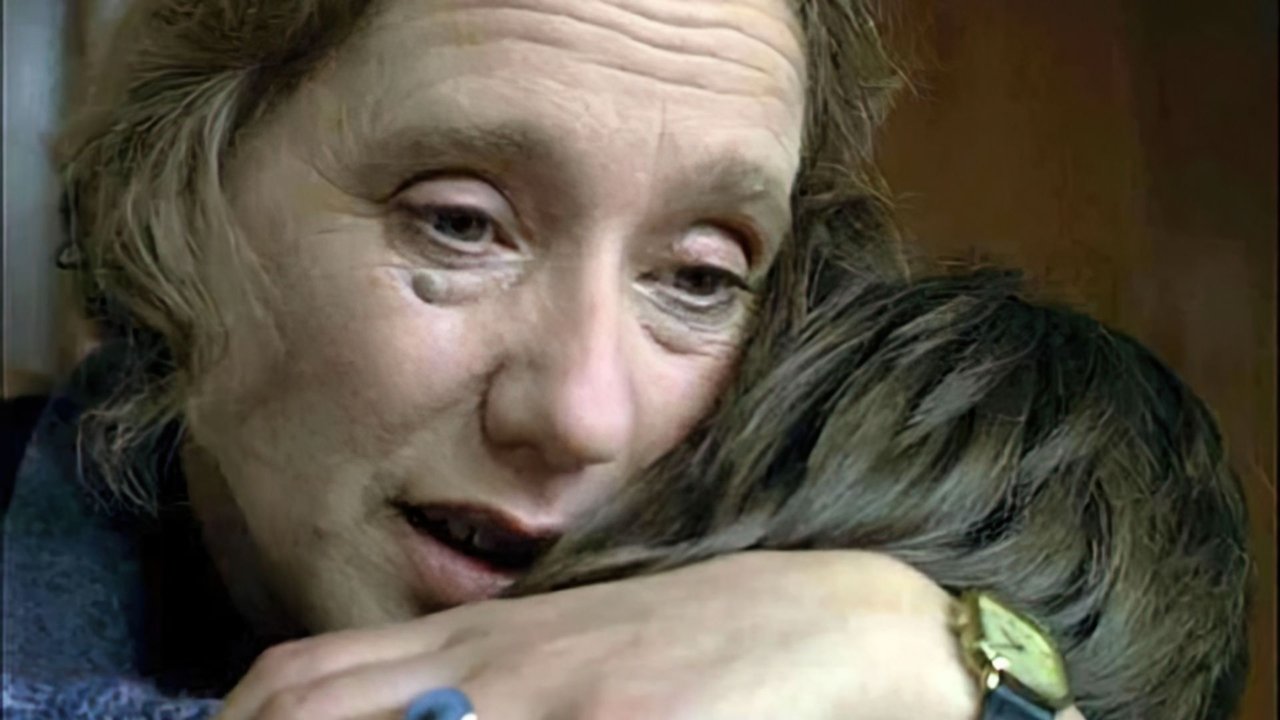
What follows is devastating, precisely because Kieślowski presents it with such restraint. There's no melodrama, just the quiet, horrifying unfolding of events and the raw, shattering impact on those left behind. The scene where Krzysztof discovers the computer's earlier calculations, the stark numbers glowing on the screen, now mocking his certainty, is utterly heartbreaking. His subsequent primal rage, directed not just at the machine but at the entire edifice of logic that failed him, culminating in a desperate act within a church he previously dismissed, speaks volumes about the breaking point of human reason when confronted with unbearable loss. Henryk Baranowski's performance in these final scenes is staggering in its authenticity – a portrait of grief so profound it feels almost unbearable to watch. Young Wojciech Klata, too, is remarkable as Paweł, possessing a natural screen presence and conveying a child's earnest curiosity with touching realism. His performance makes the subsequent events even more impactful.
### The Kieślowski Touch
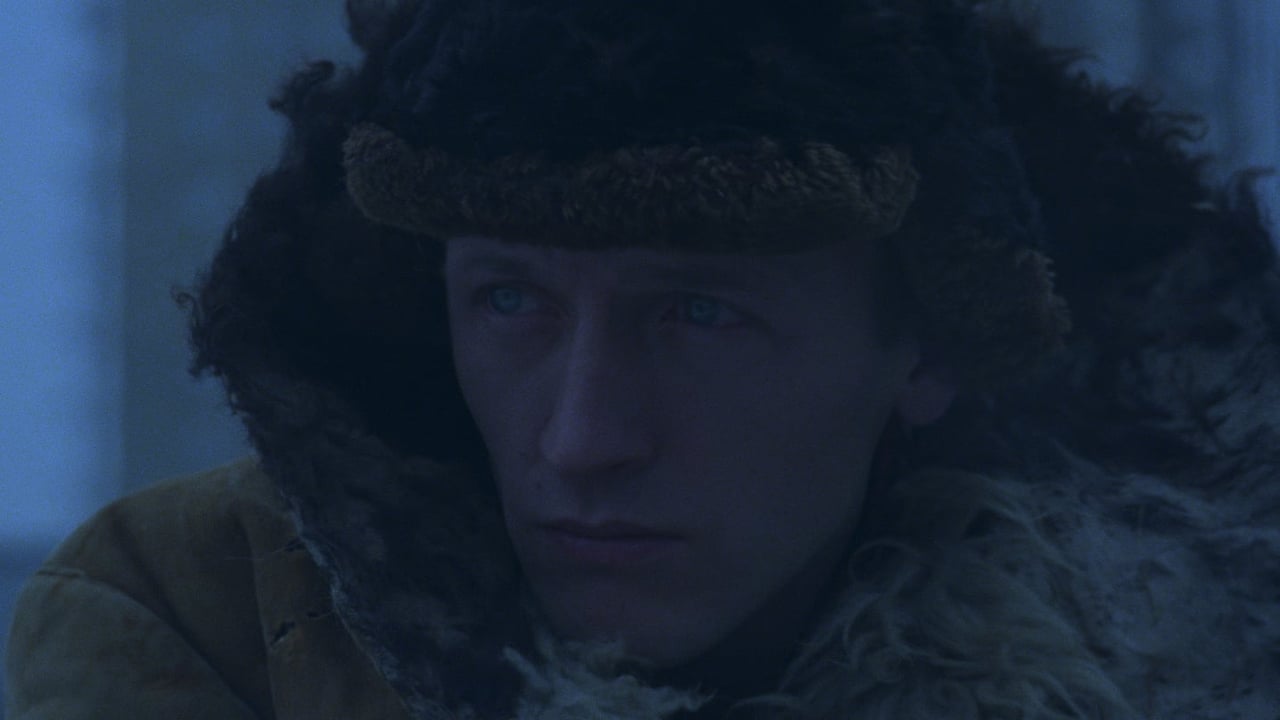
Working with his long-time writing partner Krzysztof Piesiewicz, Kieślowski crafts a narrative that feels both specific and universal. His directorial style here is characteristic: muted colours, patient pacing, an observant camera that often lingers on faces or seemingly mundane details, imbuing them with significance. The stark winter landscape mirrors the emotional desolation. There's also the recurring appearance of a mysterious young man (played by Artur Barciś), often seen observing pivotal moments throughout the Decalogue series. Here, he sits by a fire near the lake, a silent witness. Is he an angel? Fate? A representation of the unblinking gaze of the universe? Kieślowski leaves it open, adding another layer of haunting ambiguity. It's a testament to the power of visual storytelling, achieving profound emotional depth without resorting to sentimentality. The relatively modest budget for the series arguably forced a focus on character and atmosphere over spectacle, resulting in a more intimate and impactful experience.
### The Lingering Chill
Decalogue I isn't an easy watch, and it certainly wasn't the kind of film you'd pop in for casual entertainment back in the VHS days. But its power is undeniable. It forces us to confront uncomfortable questions about faith, reason, and the limits of human understanding. What do we worship? Where do we place our ultimate trust? And what happens when that trust is irrevocably broken? The film doesn't offer answers, only the quiet, profound resonance of human experience laid bare. It reminds us that even in an era increasingly defined by technology, some forces remain stubbornly, perhaps terrifyingly, beyond our calculation.
Rating: 9.5/10
Justification: A masterful, emotionally shattering piece of filmmaking. The performances are pitch-perfect, particularly Baranowski's devastating portrayal of grief. Kieślowski's direction is subtle yet immensely powerful, creating an atmosphere thick with philosophical weight and human vulnerability. It loses perhaps half a point only because its deliberate pacing and bleakness might test some viewers, but its artistic achievement and lingering impact are undeniable.
Final Thought: Decades later, the image of that computer screen, glowing with fatally flawed certainty, remains etched in the mind – a stark reminder from the dawn of the home computing age about the fragile line between knowledge and hubris.