It wasn't always about the explosions or the one-liners back in the video store days, was it? Sometimes, amidst the colourful covers promising adventure or laughs, you'd find something stark, something that felt… heavier. A plain cover, maybe, a title that didn't scream escapism. Krzysztof Kieślowski's A Short Film About Killing (1988) was often one of those tapes. Finding it felt less like picking up entertainment and more like discovering a profound, unsettling question captured on magnetic tape, smuggled out from a bleaker reality than the one usually flickering on our CRTs.
### An Unflinching Gaze
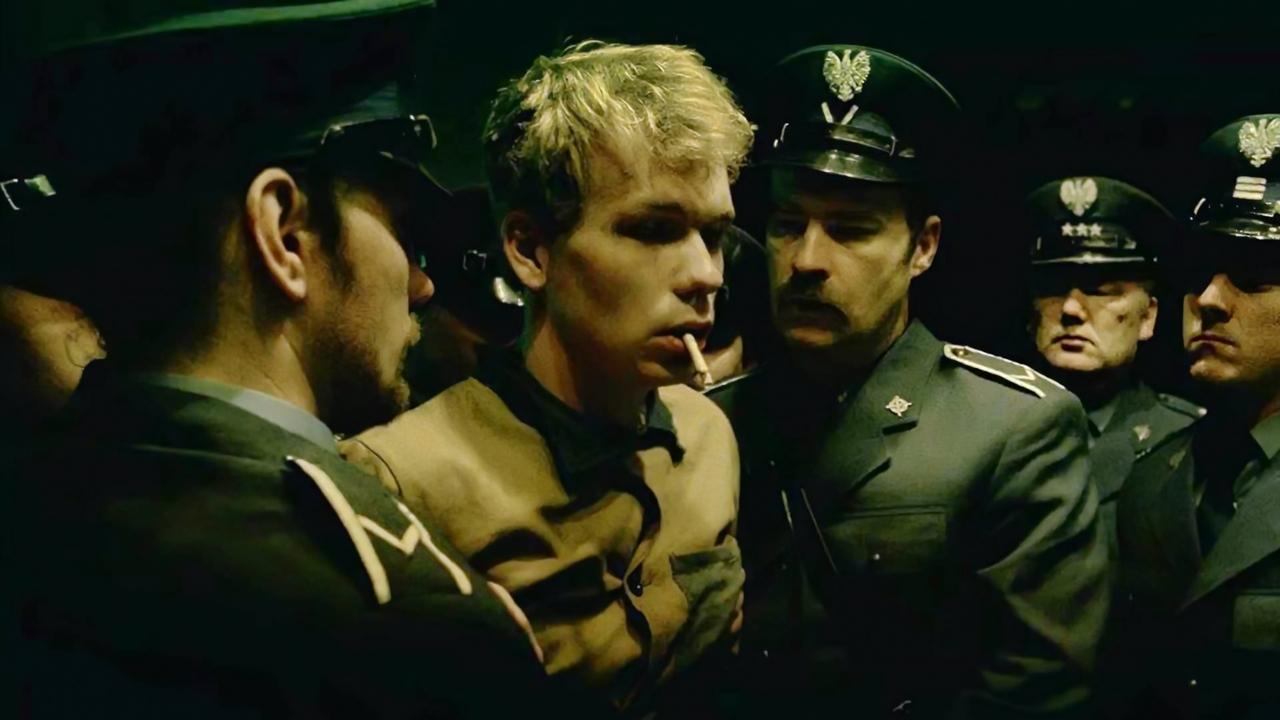
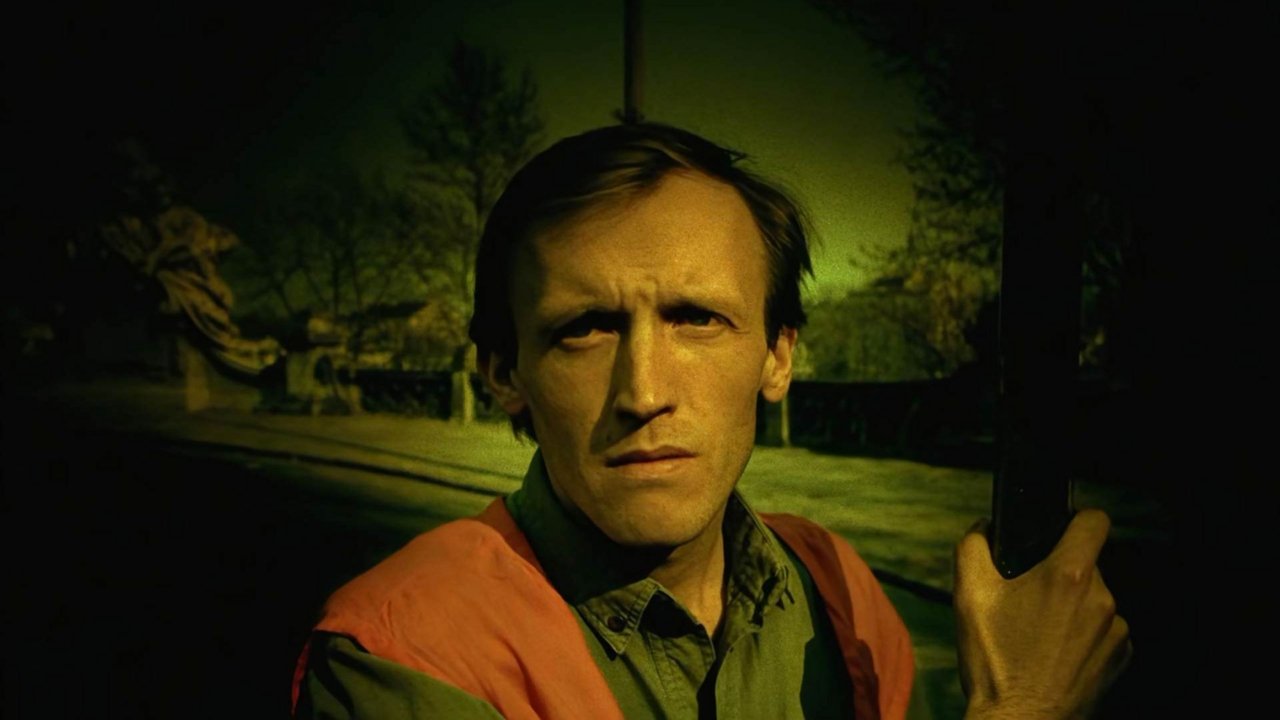
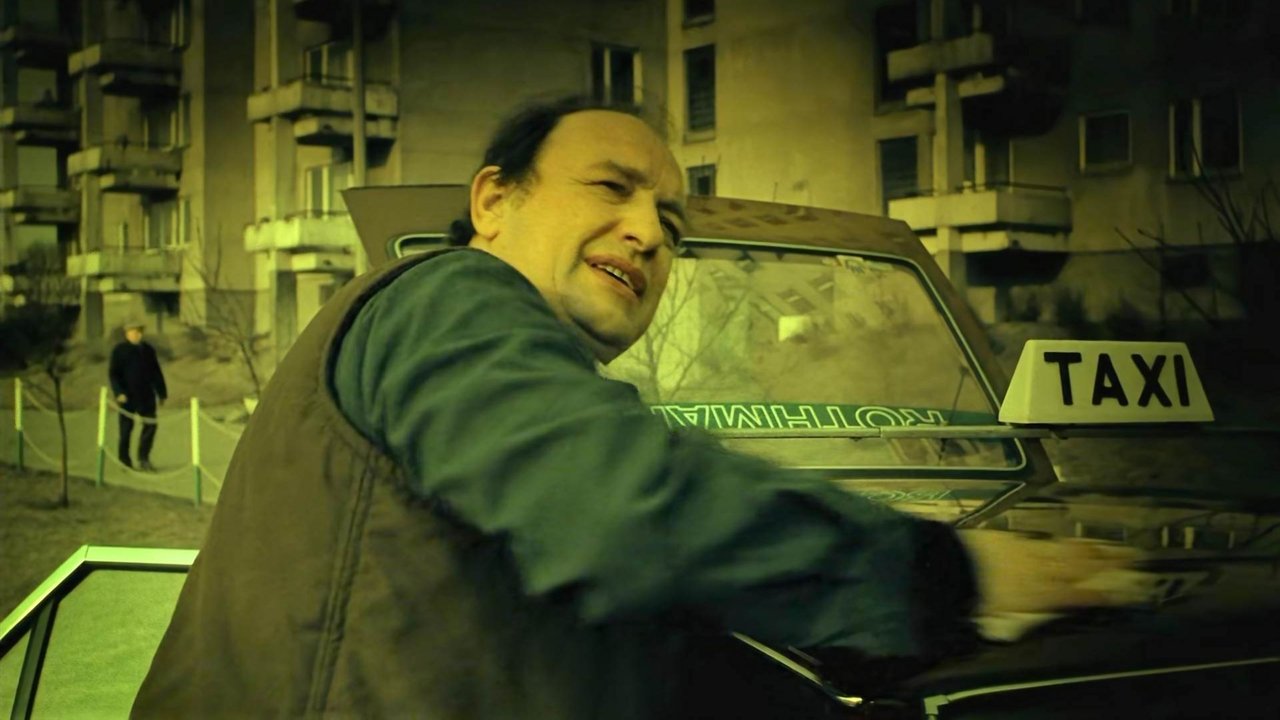
Derived from the fifth commandment ("Thou shalt not kill") segment of his monumental television series Dekalog, Kieślowski expands the story here into a feature that confronts the act of killing with an almost unbearable directness. The film doesn't flinch, and it forces us not to, either. It follows three characters in Warsaw: Jacek (Mirosław Baka), a disaffected youth drifting aimlessly towards violence; Waldemar (Jan Tesarz), a taxi driver whose callousness makes him Jacek's eventual victim; and Piotr (Krzysztof Globisz), an idealistic young lawyer preparing for his first case. Their paths are destined to cross in ways that expose the raw, brutal mechanics of taking a life – first through Jacek's senseless, agonizing murder of the taxi driver, and later, through the cold, methodical execution of Jacek by the state.
Kieślowski, alongside his regular co-writer Krzysztof Piesiewicz, presents these two killings as mirrors, reflecting the same ugly truth. There's no cinematic glamour here, no catharsis, just the grim, protracted horror of extinguishing a human life. The murder of the taxi driver is notoriously difficult to watch – clumsy, desperate, and prolonged. It feels sickeningly real, stripping away any notion of movie violence as spectacle. Then, the state-sanctioned execution, carried out with bureaucratic efficiency, is shown with equal, chilling detail. The leaky ceiling in the execution chamber, the hangman meticulously checking the rope – these mundane details amplify the horror. Doesn't the film force us to ask: is one form of killing truly more civilized than the other?
### The Weight of Witnessing
What makes A Short Film About Killing lodge itself so deeply in the mind is Kieślowski's detached, observational style. The camera, often employing sickly green and sepia filters courtesy of cinematographer Sławomir Idziak (who would later bring a similar unsettling palette to Ridley Scott's Black Hawk Down), doesn't seem to judge Jacek, even in his monstrous act. It simply watches, forcing us into the uncomfortable position of witnesses. We see Jacek's seemingly random acts of minor cruelty earlier in the day – throwing a rock, frightening pigeons – hinting at a simmering, purposeless rage, but never offering a simple explanation. The film resists easy answers about motive or psychology.
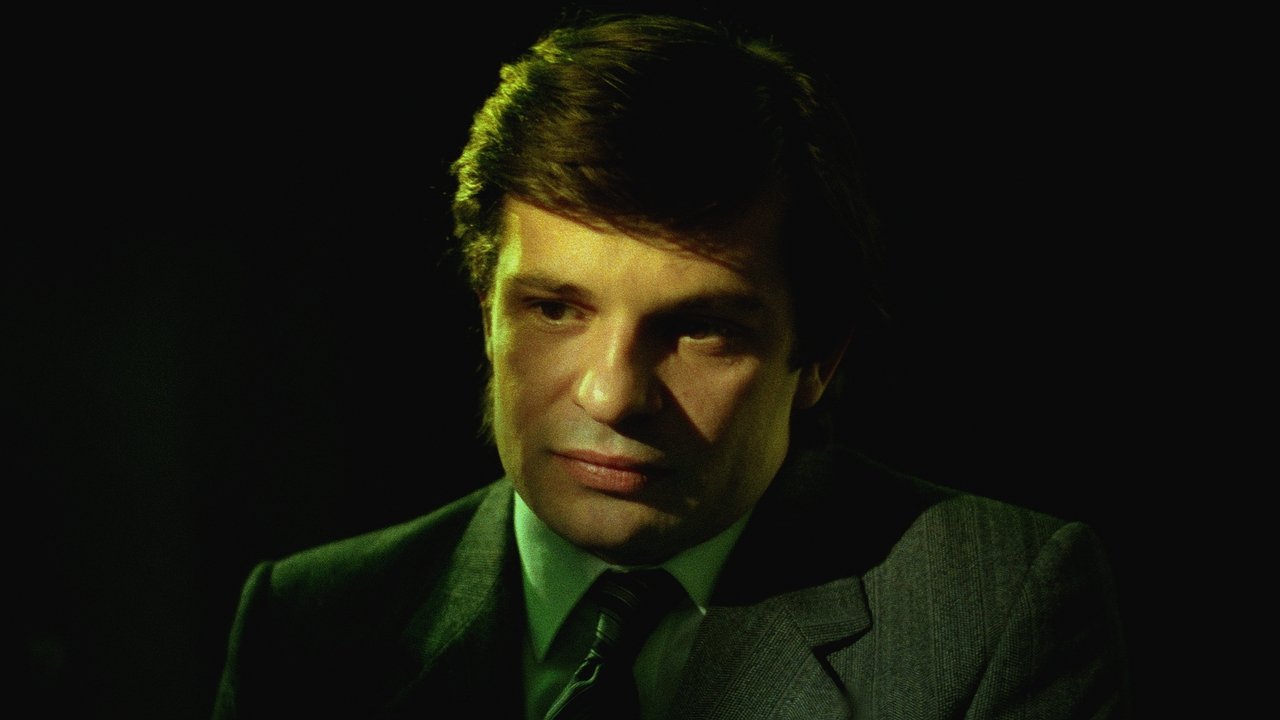
The performances are shattering in their authenticity. Mirosław Baka embodies Jacek not as a simple monster, but as a lost, damaged soul, capable of horrific violence yet also, in his final moments, terrified and childlike. His fear before the execution is palpable, stripping away the earlier brutality to reveal a broken human being. Equally compelling is Krzysztof Globisz as Piotr. His journey from idealistic lawyer arguing against capital punishment in the abstract to a man forced to witness its concrete reality is heartbreaking. His final conversation with Jacek, where layers of societal roles peel away to reveal shared humanity and despair, is one of the most powerful sequences Kieślowski ever filmed.
### Echoes Beyond the Screen
It's hard to overstate the impact this film had, particularly in Poland. Released just before the fall of Communism, its stark portrayal of capital punishment is widely credited with contributing to the public debate and the eventual moratorium and abolition of the death penalty there in the years following. It wasn't just a movie; it was a potent piece of social commentary that resonated deeply. It swept the board at the Polish Film Awards and won major prizes at the Cannes Film Festival, signalling Kieślowski's arrival as a major force in world cinema, paving the way for international successes like The Double Life of Véronique (1991) and the Three Colours trilogy (1993-1994). Finding this on VHS, perhaps after hearing whispers of its controversial power, felt like accessing something important, something that transcended typical movie-night fare. It was a reminder that cinema could be more than entertainment; it could be a vital, urgent conversation.
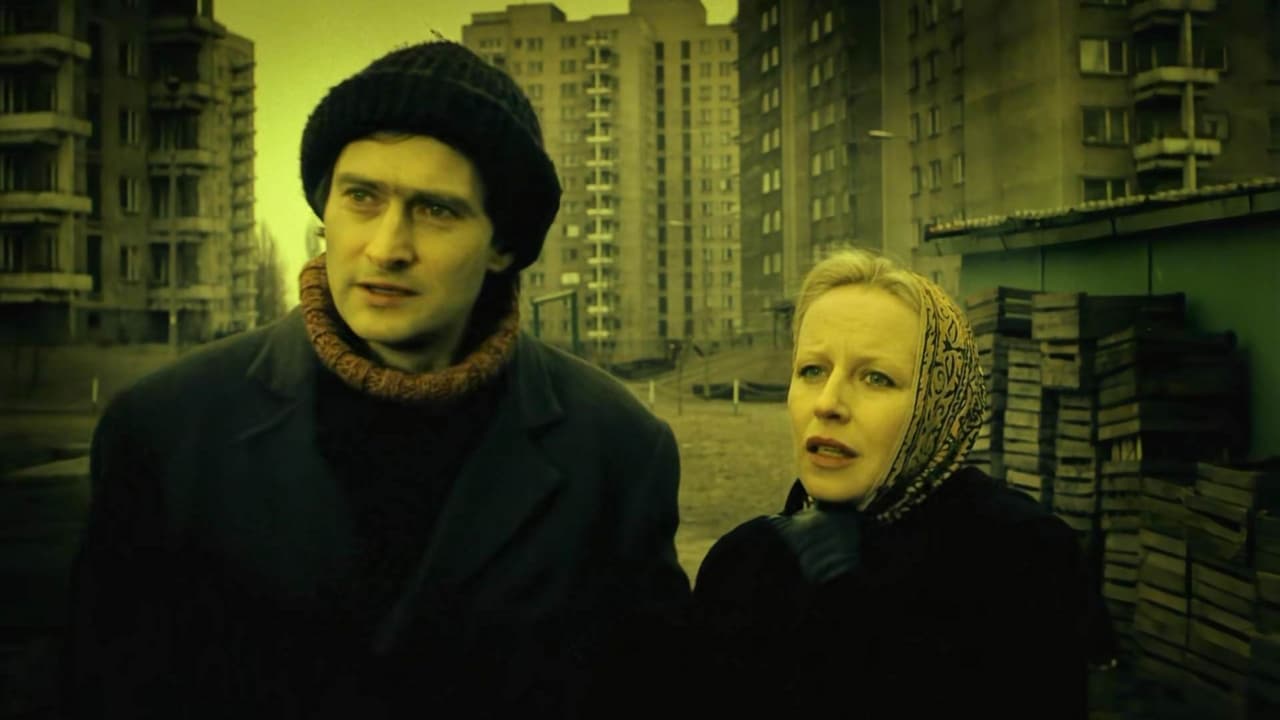
This wasn't the kind of tape you'd rewind and immediately watch again for fun. It was the kind you might sit with in silence after the credits rolled, the bleak images seared into your memory, the difficult questions echoing long after the VCR clicked off. It demanded reflection.
Rating: 9/10
This near-perfect score reflects the film's undeniable power, masterful direction, unforgettable performances, and significant real-world impact. It's a challenging, often harrowing watch, lacking the escapism we often sought on VHS, but its artistic integrity and the profound questions it forces us to confront make it an essential piece of late 20th-century cinema. It doesn’t entertain; it confronts, and its stark truths about the nature of violence – both personal and institutional – remain chillingly relevant. It stays with you, a sombre echo from a different kind of screen memory.