What happens when the carefully constructed narrative of a life is suddenly, irrevocably punctured by a ghost from the past? Not a literal spectre, but something perhaps more unsettling: a living embodiment of a past decision, a choice made under duress that has nonetheless cast a long, cold shadow. This is the uncomfortable territory meticulously explored in Krzysztof Kieślowski’s Decalogue VIII, a piece that resonates with a quiet, devastating power long after the tape hiss fades.
Part of the monumental Decalogue series – ten hour-long films loosely inspired by the Ten Commandments, originally made for Polish television in 1989 – this eighth instalment tackles "Thou shalt not bear false witness against thy neighbour." It doesn't unfold with courtroom drama or overt deception, but rather delves into the tangled aftermath of a lie told decades earlier, during the horrors of the Nazi occupation of Warsaw.
A Quiet Reckoning
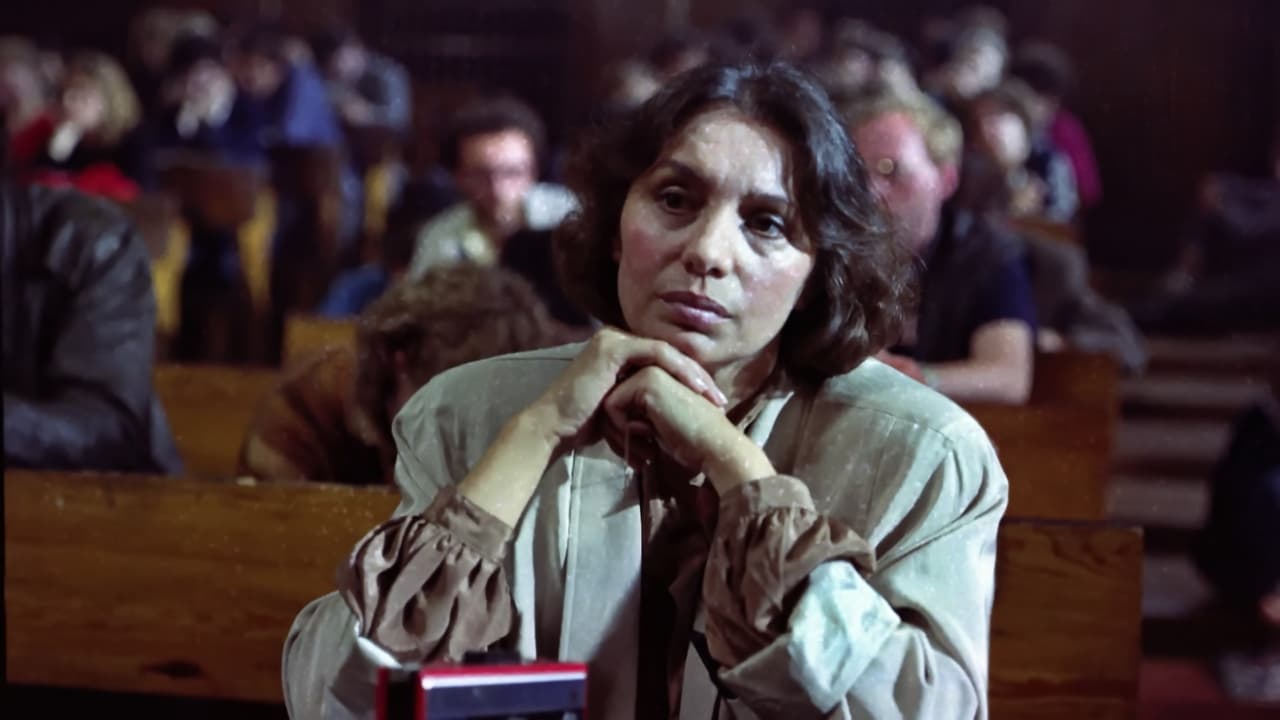
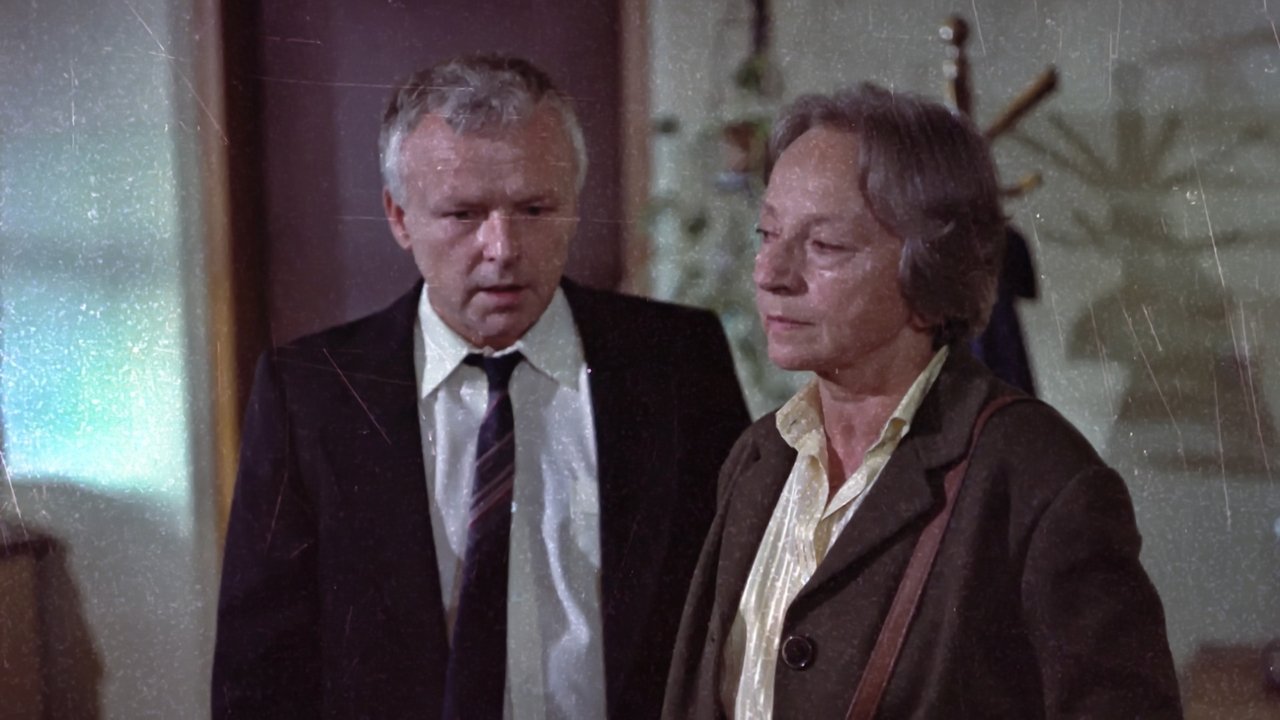
We meet Zofia (Maria Kościałkowska), an esteemed university ethics professor, leading a class discussion on moral responsibility. Her world is ordered, intellectual, seemingly secure. Into this academic calm steps Elżbieta (Teresa Marczewska), a thoughtful woman visiting from New York, who translates Polish literature and audits Zofia's class. The atmosphere shifts almost imperceptibly at first, but the tension coils tighter when Elżbieta shares a story during the seminar – a thinly veiled account of her own childhood experience as a Jewish girl seeking refuge during the war, only to be turned away by potential Catholic godparents who invoked a fabricated danger concerning the child's safety.
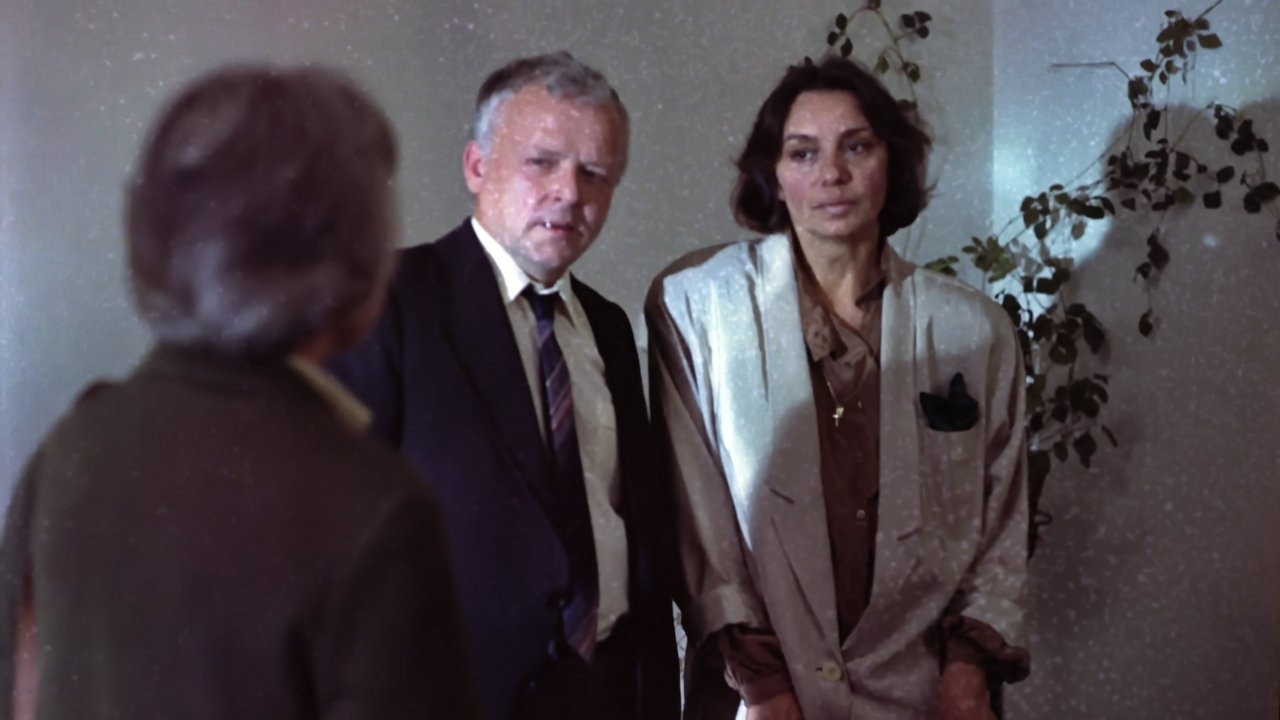
The story hangs heavy in the air. Later, Elżbieta confronts Zofia directly: Zofia was one of those potential godparents. The polite academic distance shatters, replaced by the raw, unavoidable weight of shared history and the profound consequences of Zofia's wartime decision. What follows is not a shouting match, but a series of intense, soul-searching conversations as the two women revisit that moment and the diverging paths their lives took because of it.
Performances That Speak Volumes
The film rests almost entirely on the shoulders of its two lead actresses, and they deliver performances of extraordinary depth and restraint. Maria Kościałkowska as Zofia embodies the complexities of a woman who has lived with her choice for decades. Is it guilt? Justification? A pragmatic acceptance of impossible circumstances? Kościałkowska conveys it all through flickering expressions, the careful modulation of her voice, the subtle tension in her posture. We see a woman forced to confront not just her past actions, but the ethical framework she has built her life upon.
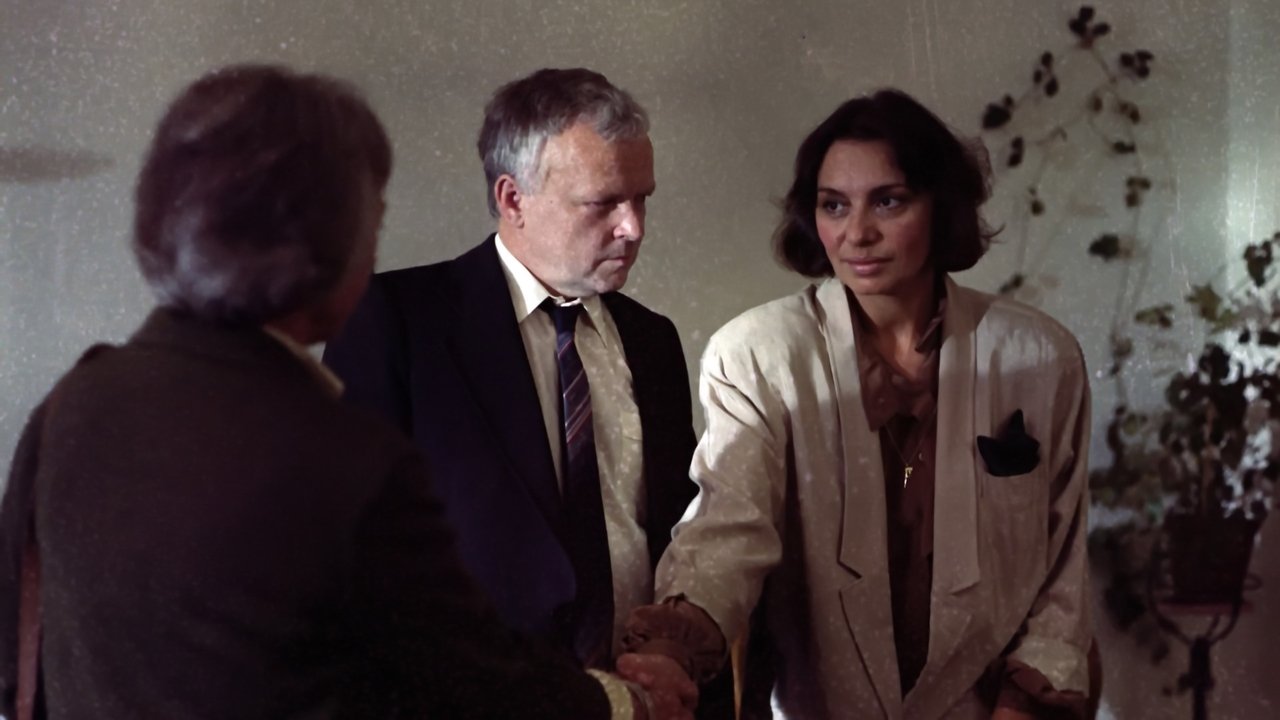
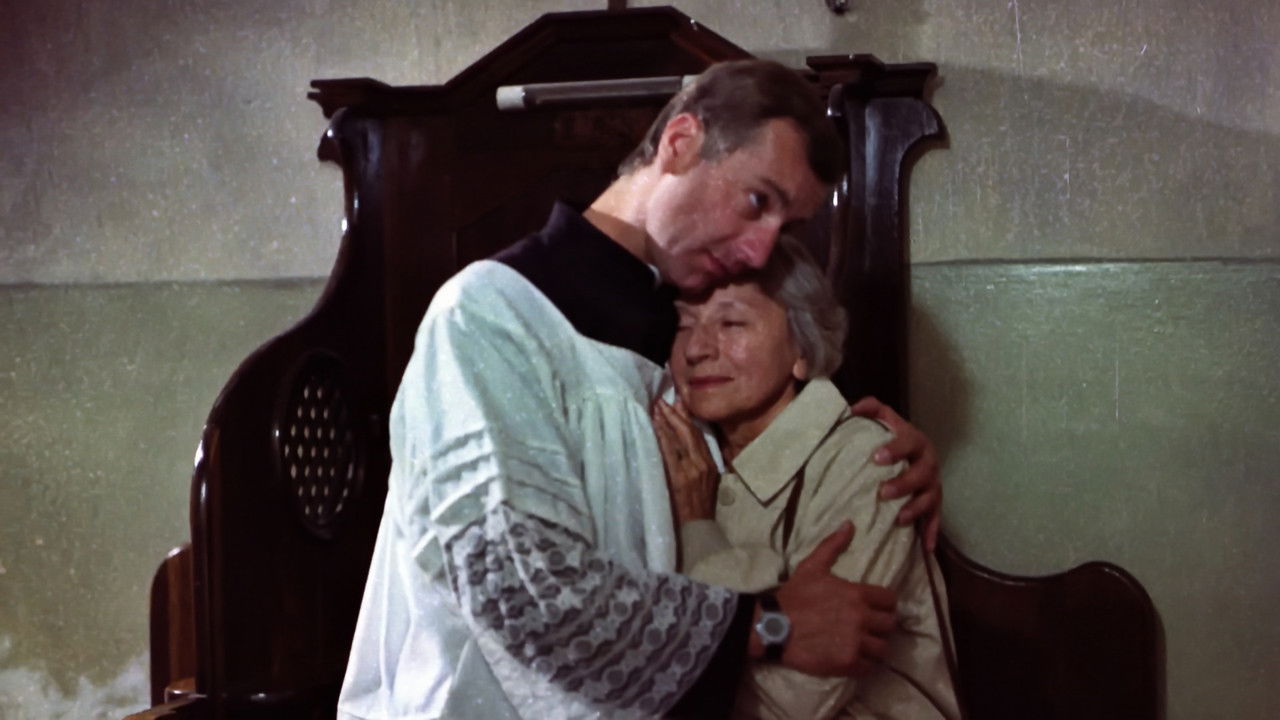
Teresa Marczewska is equally compelling as Elżbieta. She carries the burden of that childhood abandonment not with overt anger, but with a profound, searching sadness and a quiet determination to understand. Her presence is a catalyst, forcing Zofia – and the viewer – to grapple with the human cost of moral compromises made under extreme pressure. Their dialogue, penned by Kieślowski and his regular collaborator Krzysztof Piesiewicz, is intricate and layered, revealing character and history without resorting to exposition dumps. It feels achingly real.
Kieślowski's Moral Compass
Like the other entries in the Decalogue, Kieślowski, who would later gain wider international fame with The Double Life of Véronique (1991) and the Three Colors trilogy (1993-1994), isn't interested in easy answers or clear villains. He presents the situation with profound empathy for both women. Zofia’s reasons for her actions during the war are revealed, rooted in legitimate fears within the Polish resistance network, adding layers of complexity rather than simple excuses. Was the "false witness" the lie told to the child, or a necessary deception in a time of unimaginable peril? The film doesn't judge; it invites contemplation.
The sheer ambition of the Decalogue project remains staggering, especially considering its television origins and budget constraints. Kieślowski and Piesiewicz crafted ten distinct narratives exploring universal moral dilemmas within the specific context of late-communist Warsaw. Filming across the city, often using stark, lived-in locations, grounded these profound questions in everyday reality. Adding to the atmosphere is the evocative, recurring score by Zbigniew Preisner, subtly weaving through each episode. And keep an eye out for Artur Barciś, the enigmatic figure who appears silently in nearly every Decalogue film, his presence here a quiet observation of this moment of reckoning. What does his recurring appearance signify across the series? Kieślowski, ever the master of ambiguity, leaves that question hauntingly open.
The Enduring Echo
Finding something like Decalogue VIII nestled amongst the action blockbusters and horror flicks at the video store back in the day was always a bit startling. It demanded a different kind of attention – patient, thoughtful, emotionally engaged. It wasn't escapism; it was an immersion into the difficult, often unresolvable complexities of human behaviour and the enduring impact of history. The film doesn't offer catharsis in a traditional sense, but rather leaves you pondering the nature of truth, the weight of memory, and the courage it takes to confront the narratives we tell ourselves about our pasts. Can we ever truly understand the choices made by others in times we can barely comprehend?
Rating: 9/10
This near-perfect score reflects the film's masterful direction, profound script, and absolutely riveting performances. Decalogue VIII is emotionally draining but intellectually and ethically bracing. It avoids sentimentality, offering instead a stark, compassionate, and unforgettable look at the lingering consequences of bearing false witness, demanding reflection long after the screen goes dark. It’s a powerful reminder of Kieślowski's unique genius and the enduring power of cinema that dares to ask the hardest questions.