Here we are again, digging through the stacks, past the explosions and one-liners, sometimes landing on something... different. Something that settles in the quiet spaces long after the VCR whirs to a stop. Today, it’s a journey back to late 80s Poland, specifically to a single, stark entry in a monumental television project: Krzysztof Kieślowski's Dekalog: Two (1989). This isn't your typical Friday night rental fodder, but for those of us who found these tapes, perhaps tucked away in the 'Foreign Films' section, they offered something profound.
### A Question of Life and Death
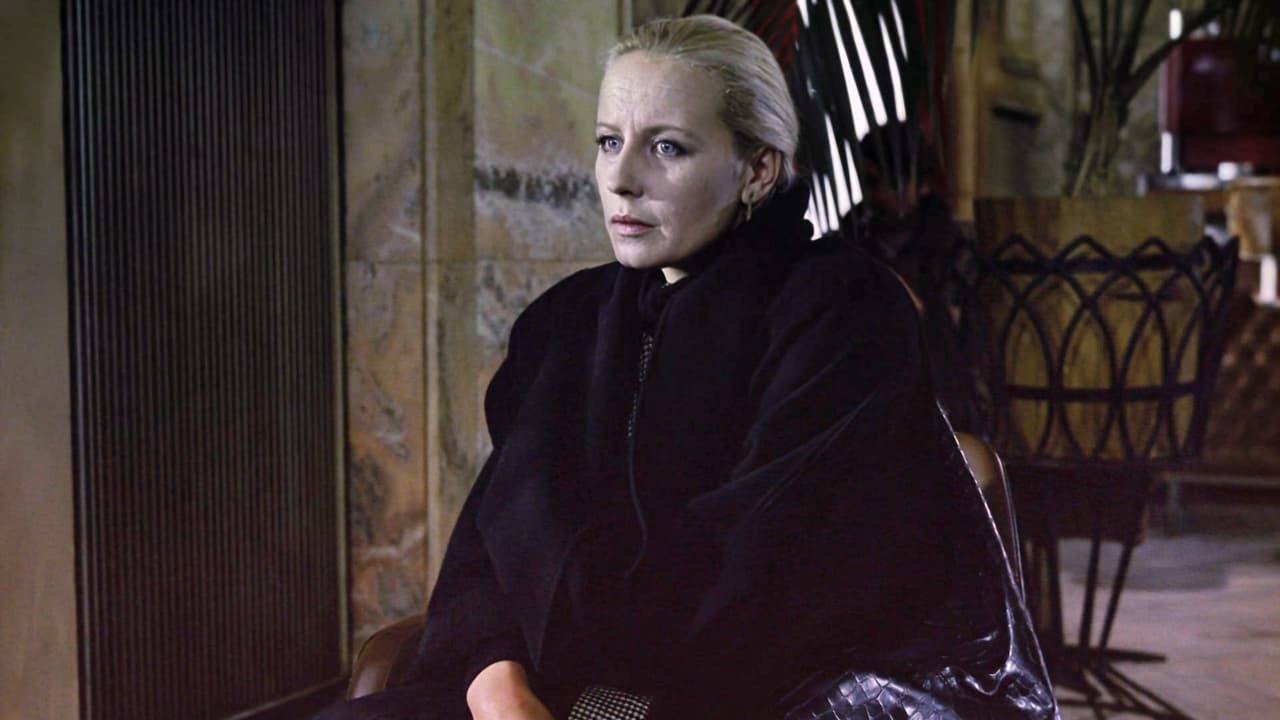
Dekalog: Two presents a scenario stripped bare to its ethical bones. We meet Dorota (Krystyna Janda, unforgettable in Andrzej Wajda's Man of Iron), a violinist whose husband, Andrzej (Olgierd Łukaszewicz), lies critically ill in a nearby hospital. Dorota carries a secret: she is pregnant, but not by her husband. Her future hinges entirely on Andrzej's fate. She confronts the elderly head doctor (Aleksander Bardini), a man seemingly weathered by decades of impossible decisions, with a chilling ultimatum: tell her definitively if her husband will live or die. If he lives, she will terminate the pregnancy; if he dies, she will carry the child to term.
The film, part of a ten-part series loosely inspired by the Ten Commandments (this one touching on "Thou shalt not take the name of the Lord thy God in vain," reinterpreted as the burden of playing God), doesn't rely on grand pronouncements or dramatic score swells. Instead, Kieślowski, alongside his frequent collaborator Krzysztof Piesiewicz, crafts an atmosphere thick with unspoken anguish and moral weight. The setting – the sterile chill of the hospital corridors, the impersonal concrete facade of the apartment block shared by many Dekalog characters – feels less like a backdrop and more like a physical manifestation of the characters' isolation and the gravity of their situation.

### The Weight on the Doctor's Shoulders
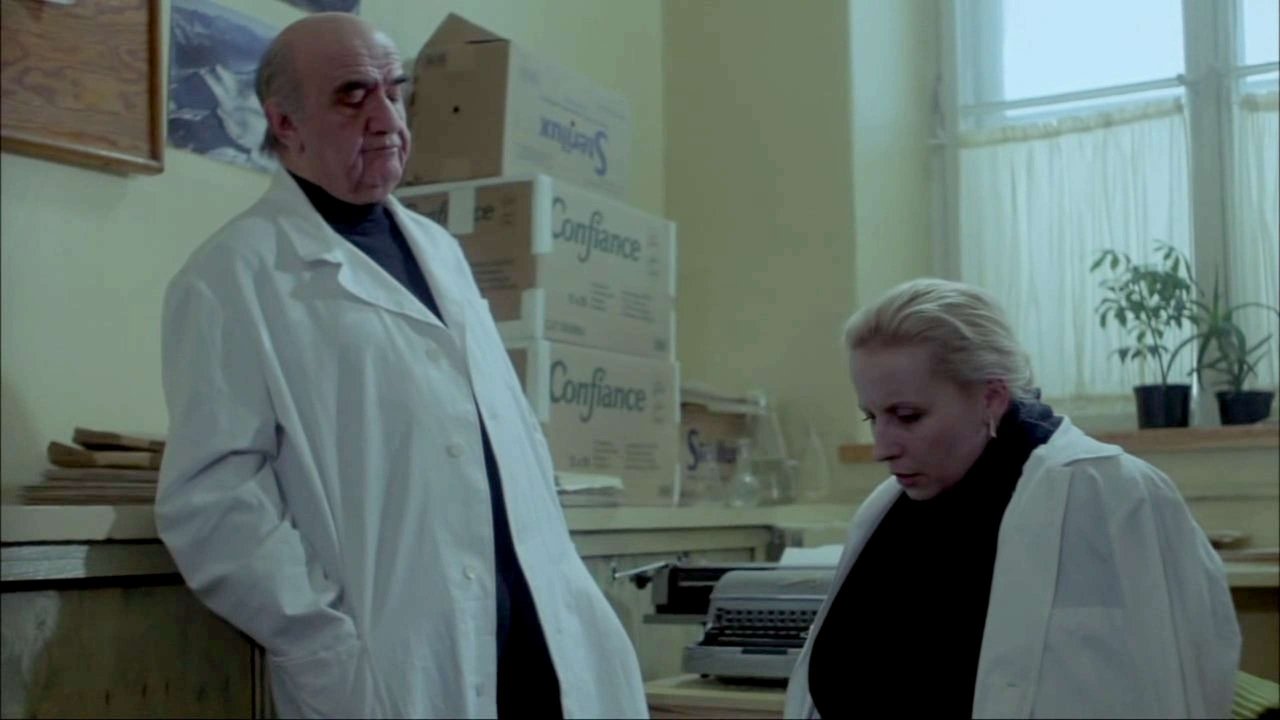
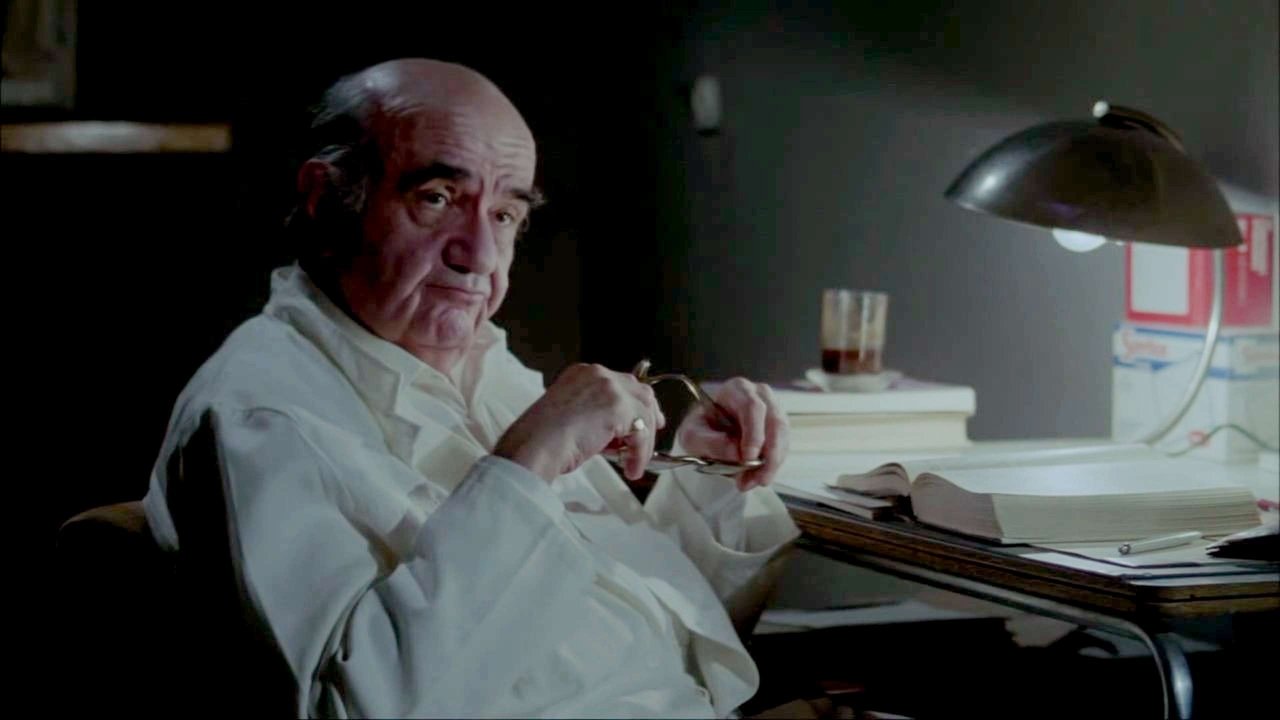
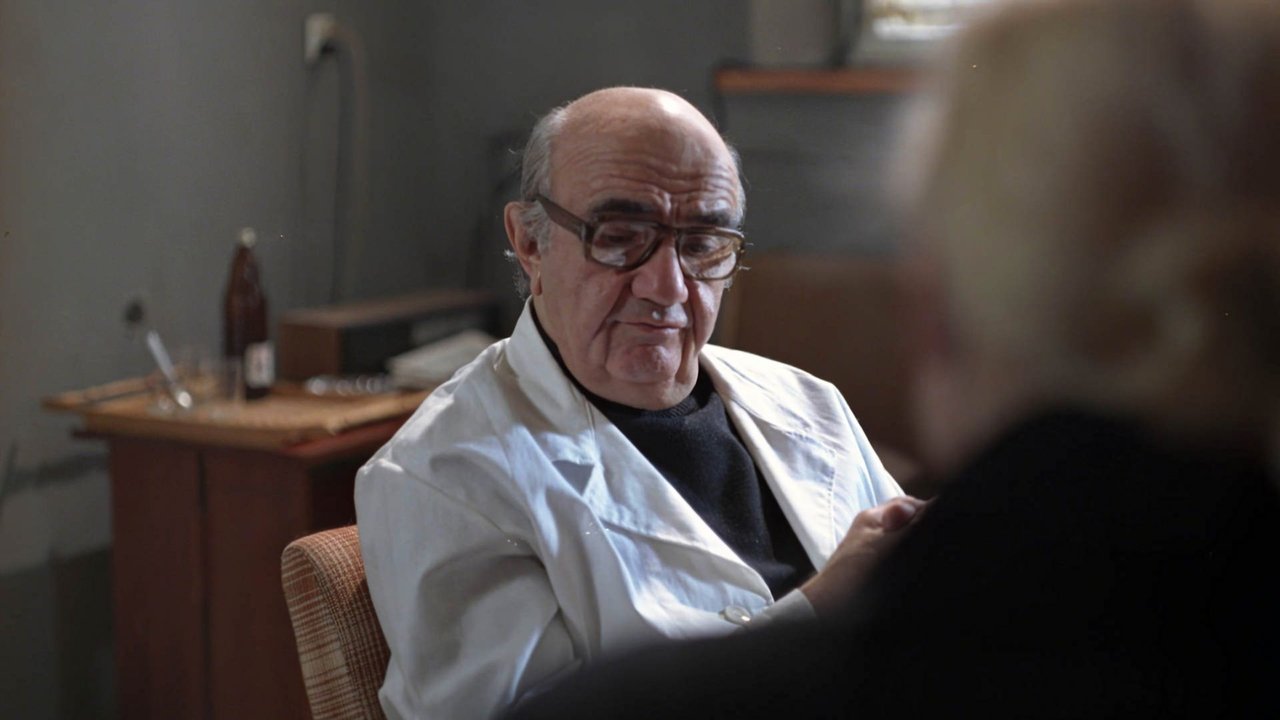
While Janda portrays Dorota's desperate certainty with a fierce, almost brittle intensity, it's Aleksander Bardini's performance as the doctor that anchors the film's profound melancholy. His face is a landscape etched with the weariness of knowing too much, of having held life and death in his hands countless times, perhaps losing his own family along the way (a detail hinted at with devastating subtlety). He initially dismisses Dorota's demand, citing the inherent uncertainties of medicine. But her persistence forces him into an ethical crucible. Does he tell her the prognosis as he sees it? Does he manipulate the truth to achieve what he perceives as the 'right' outcome? What is the right outcome here?
There’s a quiet power in how Kieślowski observes the doctor’s solitude – tending to his plants, the small routines that punctuate a life defined by immense responsibility. It’s in these moments, away from the direct confrontation, that the film allows the central question to resonate most deeply. What right do we have to make such definitive pronouncements, to effectively decide the course of multiple lives based on fallible knowledge? The film doesn’t offer easy answers; it forces us, alongside the doctor, to sit with the discomfort of that uncertainty.
### A Masterclass in Restraint
Filmed for Polish television on a modest budget, the genius of Dekalog lies partly in its masterful use of limitations. Kieślowski doesn't need elaborate effects or sweeping vistas. His focus is intimate, almost claustrophobic. The camera often lingers on faces, capturing the flicker of doubt in the doctor’s eyes or the hard set of Dorota’s jaw. The colour palette is muted, reflecting the bleakness of the Polish winter setting and the somber nature of the story. It’s filmmaking stripped down to its essentials: character, dilemma, atmosphere.
One fascinating aspect of the Dekalog series, something easy to miss on a first watch back in the day unless you rented multiple tapes, is the subtle interconnectedness. Characters from one story might appear fleetingly in the background of another, all residents of the same Warsaw housing complex. It creates a sense of a shared human landscape where profound moral struggles unfold behind ordinary doors, suggesting these ethical quandaries aren't abstract hypotheticals but lived realities.
### Enduring Questions
Watching Dekalog: Two today, perhaps on a format far removed from the worn VHS tape I first saw it on, its power hasn't diminished. If anything, in a world often saturated with noise and quick judgments, its quiet insistence on the complexity of moral choices feels even more relevant. How do we navigate situations where any choice seems to cause harm? What responsibility do we bear for the information we hold, especially when it carries such weight?
The film leaves you with a feeling of profound empathy, not just for Dorota’s desperate gamble, but for the immense burden placed upon the doctor. It’s a heavy watch, no doubt – this isn’t background viewing. It demands your attention, your contemplation. But the reward is a piece of cinema that resonates with uncommon depth and humanity.
Rating: 9/10
Justification: Dekalog: Two earns this high mark for its masterful restraint, profound thematic depth, and exceptional performances, particularly Aleksander Bardini's. It tackles a complex ethical dilemma with nuance and emotional honesty, creating a deeply affecting and thought-provoking piece of cinema that transcends its specific time and place. Its power lies in its quiet intensity and refusal to offer easy answers.
Final Thought: A quiet gut-punch of a film, reminding us that sometimes the heaviest burdens are carried in silence, behind the eyes of those forced to weigh the unweighable.