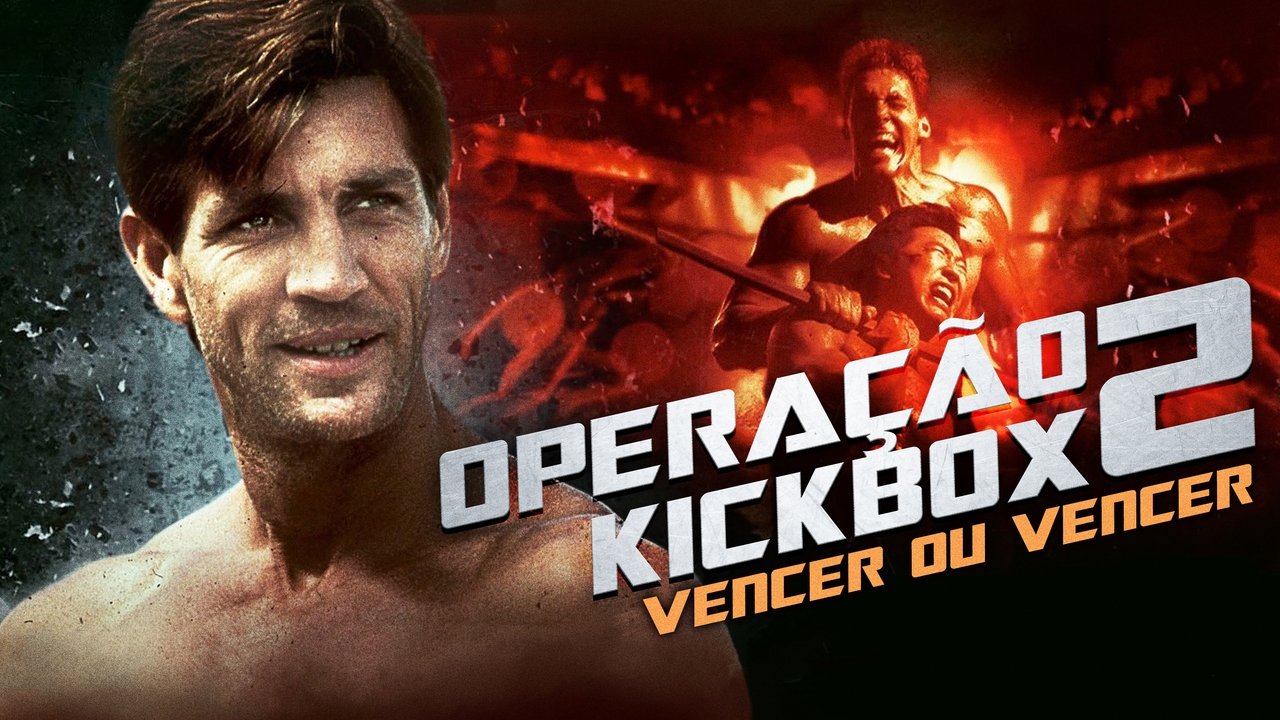
Okay, let's cue this one up. Remember the feeling? You'd finished Best of the Best, maybe wiped away a tear or two at that surprising sportsmanship finale, feeling pretty good about honour and international understanding through the magic of Tae Kwon Do. Then, sometime later, you spot the sequel on the rental shelf. Familiar faces – Eric Roberts, Phillip Rhee, Chris Penn – grinning back at you. You think, "Great, more inspiring tournament action!" You pop it in the VCR, adjust the tracking... and suddenly you're plunged into a world of illegal death matches run by a mountain of muscle in a subterranean fight club called the Coliseum. Talk about a hard left turn.
### From Tournament Tears to Underground Terror
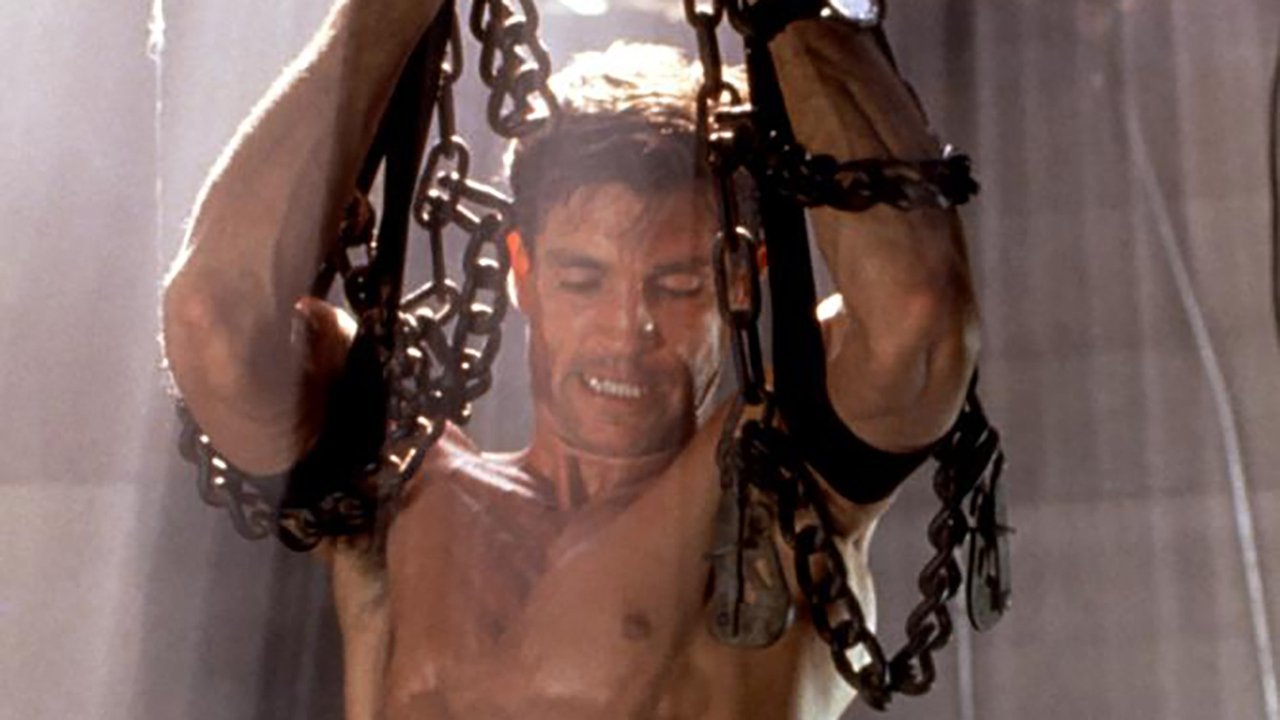
Best of the Best 2 doesn't just continue the story; it kicks the door down, throws the original premise into a back alley, and stomps on it with steel-toed boots. Gone is the relatively wholesome framework of international competition. Instead, director Robert Radler (returning from the first film, ensuring some continuity) and his writing team throw our heroes – Alex Grady (Roberts), Tommy Lee (Rhee), and the lovably loud Travis Brickley (Penn) – into the deep end of early 90s action tropes. The catalyst? Travis, ever the impulsive one, gets himself killed competing in the notorious underground fighting ring run by the ridiculously named and even more ridiculously sculpted Brakus (Ralf Moeller, a former Mr. Universe who certainly looked the part). This forces Alex and Tommy to seek revenge the only way 90s action heroes knew how: by infiltrating the very place that killed their friend.
It's a jarring shift, yes, but let's be honest, wasn't part of the thrill of finding these sequels on the video store shelf seeing how they'd escalate things? The first film had heart; this one has sheer, unadulterated B-movie vengeance fuelling its engine. And while it might lack the emotional core of its predecessor, it delivers a different kind of satisfaction – the raw, unfiltered spectacle of bone-crunching fight choreography.

### Rhee Takes Centre Stage (Literally)
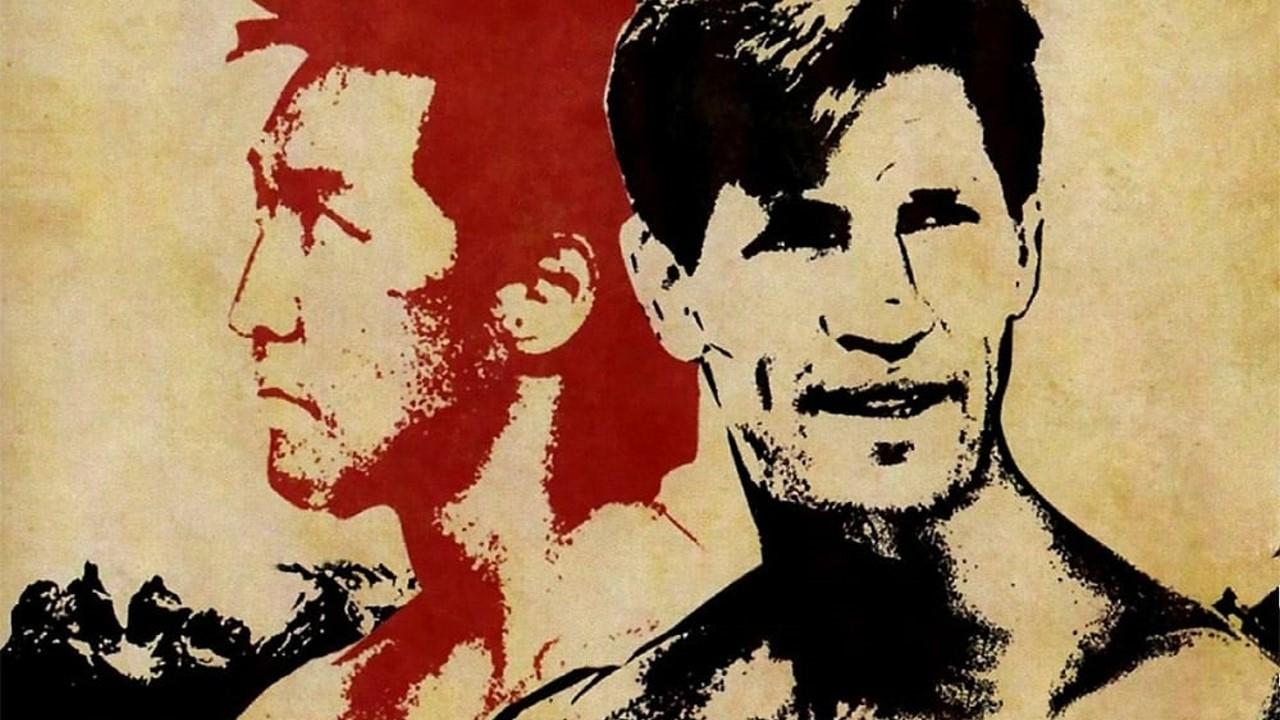
While Eric Roberts brings his signature intensity as Alex, grappling with his own past fighting demons and the responsibility of protecting Tommy's son, this sequel undeniably becomes Phillip Rhee's showcase. A legitimate martial arts master (holding high ranks in Tae Kwon Do, Hapkido, and Kendo), Rhee didn't just star; he co-wrote and produced, pouring his expertise into the action sequences. You can feel the difference. The fights, particularly Tommy's bouts in the Coliseum, have a weight and authenticity often missing from the era's more wire-fu heavy competitors. Rhee moves with incredible speed and precision, and the choreography emphasizes impactful strikes over flashy acrobatics. Remember those lightning-fast spinning kicks? That wasn't camera trickery; that was Rhee's genuine skill, honed over decades. It’s fascinating that Rhee, initially hesitant about even making a sequel unless the story was right, ended up being so central to its creation, steering it towards this harder-edged action territory.
And let's pour one out for Chris Penn as Travis. While his screen time is tragically limited (spoiler: he doesn't make it past the first act), Penn injects his trademark energy and humour. His ill-fated fight against Brakus sets the stakes immediately. It's brutal, maybe surprisingly so, and establishes Ralf Moeller's Brakus as a genuinely imposing physical threat, even if his dialogue rarely ventures beyond generic villain pronouncements. Penn’s departure gives the film its driving motivation, but you do miss his charisma for the remaining runtime.
### Welcome to the Coliseum
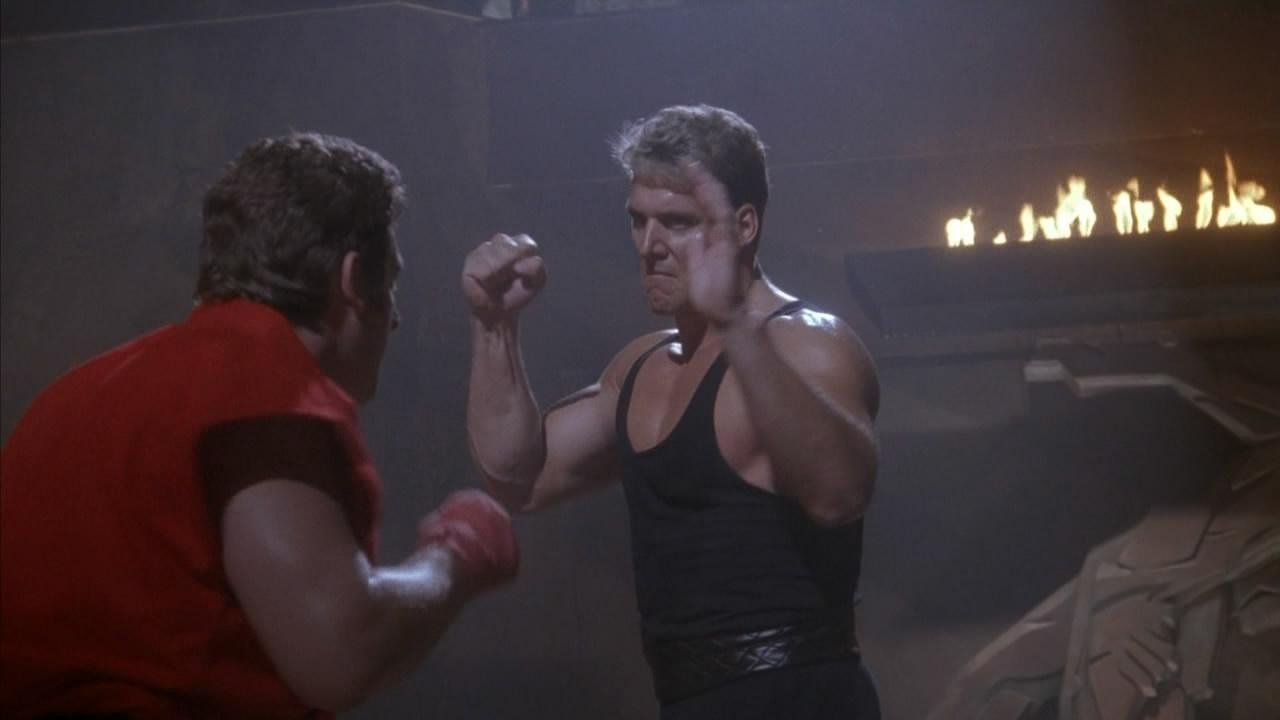
The film’s centrepiece is undoubtedly the Coliseum. This underground fight club, depicted as a grimy, neon-lit pit filled with bloodthirsty gamblers, feels like something ripped straight from a contemporary video game or comic book. Interestingly, some of the filming for these brutal sequences took place within the decaying grandeur of the Ambassador Hotel in Los Angeles – a location already steeped in a dark history (it was the site of Robert F. Kennedy's assassination). Knowing this adds an unintentional layer of grim atmosphere to the proceedings. Other scenes utilized the iconic Vasquez Rocks, a location familiar to anyone who's watched, well, seemingly half the sci-fi and westerns ever filmed!
The action within the Coliseum, overseen by stunt coordinator Wayne Hubbard (who worked on numerous action staples), is relentless. It’s pure 90s direct-to-video aesthetics: gritty, hard-hitting, and favouring practical stunts over optical illusions. You see the sweat, you practically feel the impact of the blows. When Tommy Lee finally confronts Brakus, the clash feels earned, a culmination of raw physicality rather than digital wizardry. Compare this to modern CGI-heavy fight scenes – there's a tactile quality here, a sense of real bodies colliding, that often gets lost today. Sure, some of the editing might feel choppy by modern standards, and the villains bordering on caricature, but the impact? That still lands.
### Delivering a Different Kind of Best
No, Best of the Best 2 doesn't recapture the earnest, slightly naive charm of the original. It traded international camaraderie for blood feuds and back-alley brawls. Its $5-6 million budget (roughly $11-13 million today) didn't exactly set the box office ablaze, grossing only around $6.6 million domestically, but you can bet it found its real audience on VHS and cable, becoming a staple of late-night viewing. It knew its audience: fans who wanted less talk, more rock 'em sock 'em action, anchored by a genuinely skilled martial artist. The plot is functional at best, serving primarily to ferry our heroes from one confrontation to the next. But sometimes, that's exactly what you wanted from a Friday night rental.
Rating: 6/10
Justification: This rating reflects the film's undeniable success as a B-action movie sequel but acknowledges its significant departure and simplification from the original. The +6 comes from Phillip Rhee's outstanding martial arts performance and choreography, the enjoyably menacing presence of Ralf Moeller, Chris Penn's memorable (if brief) contribution, and the sheer commitment to delivering brutal, practical fight sequences that were a hallmark of the era. Points are deducted for the thin plot, lack of the original's emotional depth, and some undeniably cheesy 90s action movie dialogue and tropes. It's a fun, visceral ride, but undeniably a step down in narrative ambition from the first film.
Final Thought: Forget the medals and anthems; Best of the Best 2 is the sound of knuckles cracking in a dimly lit, vaguely dangerous basement club – pure, unpretentious 90s action comfort food, best served with the tracking slightly fuzzy.