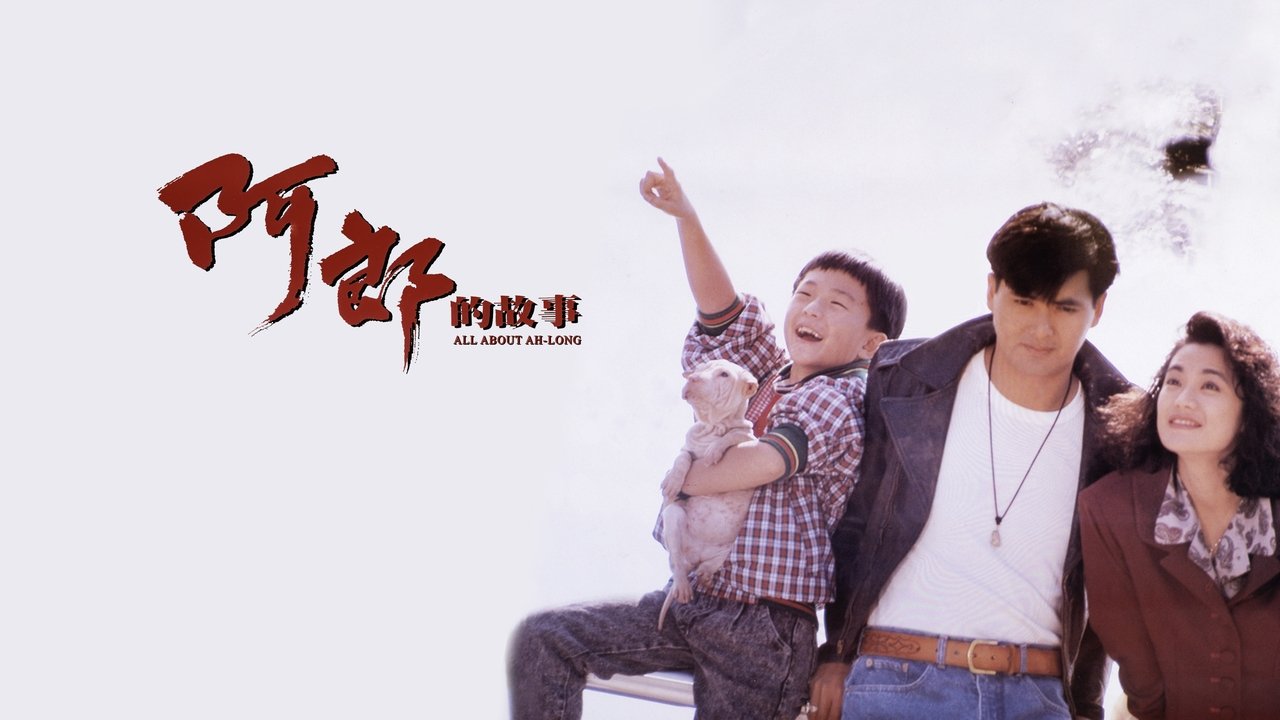
There's a certain kind of heartache that cinema, particularly from Hong Kong in the late 80s, could deliver with an almost operatic intensity. It wasn't always subtle, but it was undeniably felt. Watching All About Ah-Long (1989) again after all these years, that feeling rushes back – a bittersweet ache that settles deep in the chest. It’s a film that reminds you how potent simple human drama can be, especially when anchored by performances of raw, unvarnished truth.
A Different Side of a Superstar
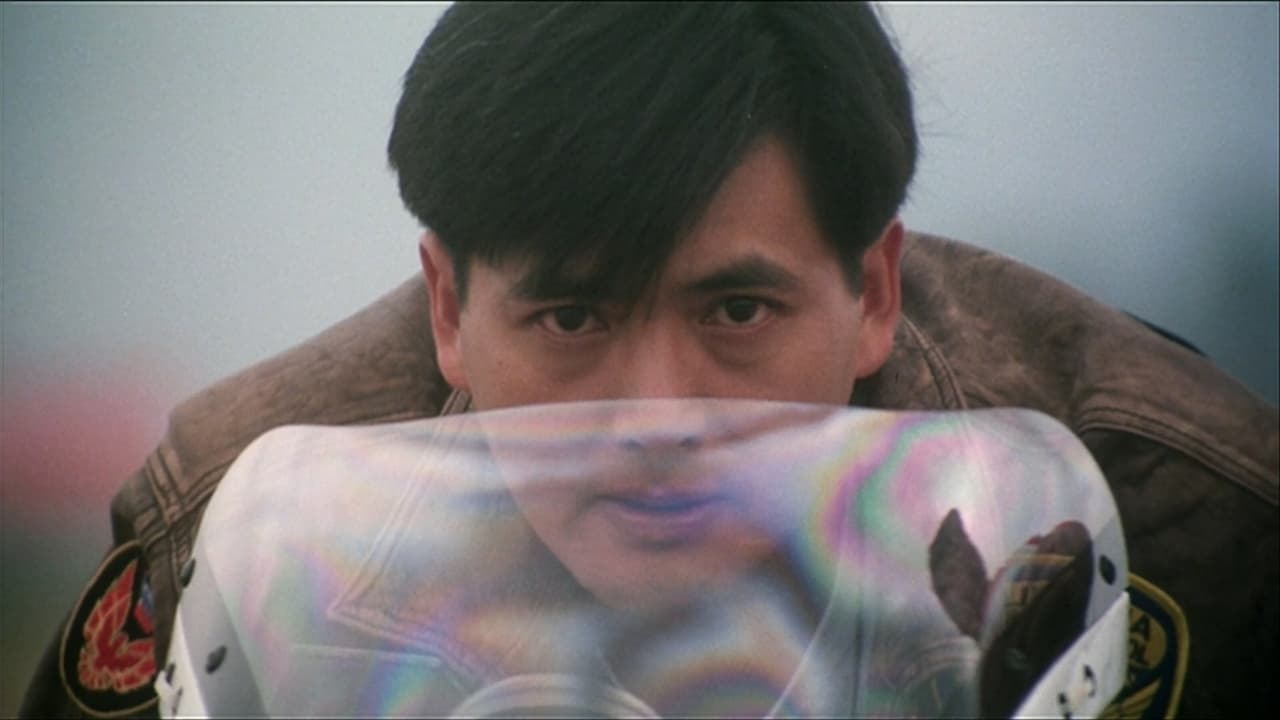
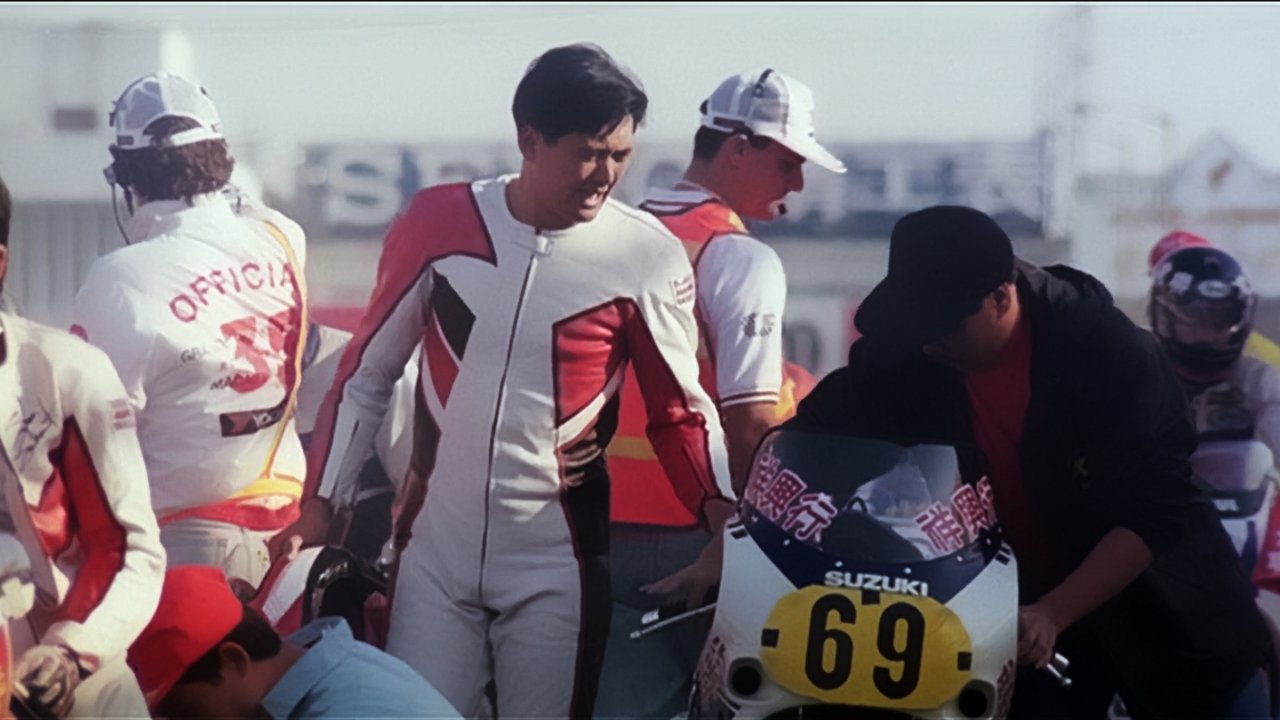
Many of us who haunted video store aisles back then knew Chow Yun-Fat primarily as the impossibly cool, gun-slinging anti-hero of John Woo's bullet ballets like A Better Tomorrow (1986) or The Killer (1989). Seeing him here, as Ah-Long, is a revelation, even now. He's a construction worker, a former motorbike racer whose glory days are long past, raising his young son, Porky (Wong Kwan-yuen), in a rough-and-tumble existence. There's no suave charisma here, just the weary resilience of a man marked by past mistakes and fueled by an fierce, almost primal love for his child. It’s a performance stripped of vanity, revealing a vulnerability that hits harder than any squib explosion. This role famously netted Chow his third Hong Kong Film Award for Best Actor, a testament to how profoundly he connected with audiences in a part far removed from his heroic bloodshed persona. It wasn't just a change of pace; it felt like seeing the man behind the movie star myth.
The Weight of the Past, The Hope for the Future
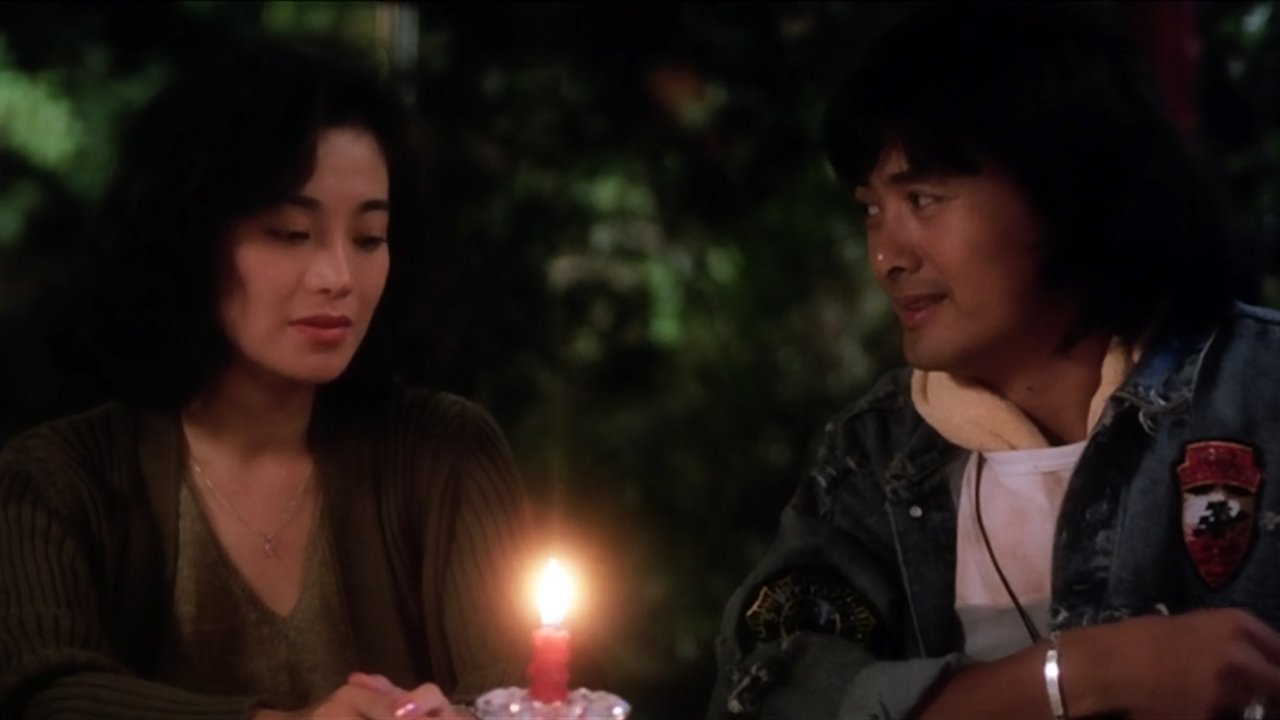
The story, co-written by co-star Sylvia Chang, unfolds when Porky's mother, Por-Por (played by Chang herself), returns from the United States after ten years. She's now successful, engaged, and discovers the son she thought had died at birth is very much alive, living with the man she left behind. What follows isn't just a custody battle, but a complex emotional triangle wrestling with regret, class disparity, and the yearning for a second chance that might already be out of reach. Chang, who also penned the screenplay alongside Ng Man-fai and Philip Cheng, brings a compelling blend of maternal longing and pragmatic ambition to Por-Por. Her choices aren't easy, nor are they painted in simple black and white. You feel the pull between the life she’s built and the life she might have had, the inherent conflict between her aspirations and Ah-Long's grounded, perhaps limited, reality. Is it possible to truly bridge such gaps, carved out by time and circumstance?
Johnnie To's Touch Before the Noir
Directed by Johnnie To, who would later become synonymous with stylish, atmospheric crime thrillers like Election (2005) and Drug War (2012), All About Ah-Long shows a different facet of his talent. Here, the style serves the emotion. The camera often lingers on faces, capturing the unspoken thoughts flickering in Chow's or Chang's eyes. The film doesn't shy away from the grit of working-class Hong Kong life – the cluttered apartments, the noisy construction sites, the roar of the motorbikes that represent Ah-Long's lost dreams and potential escape. It creates a tangible sense of place, a world where dreams feel both vital and incredibly fragile. It’s worth noting this drama was a colossal success upon release, reportedly grossing around HK$35 million, a huge figure for its time, proving audiences were hungry for powerful emotional stories alongside the era's action spectacles.
The Unshakeable Bond
At its core, though, All About Ah-Long is about the unshakeable bond between father and son. Young Wong Kwan-yuen as Porky is remarkable, delivering a performance filled with natural charm and heart-wrenching sincerity. His scenes with Chow Yun-Fat are the film's emotional anchor. Their banter, their shared struggles, their simple moments of affection – it all feels authentic. It's this relationship that elevates the film beyond simple melodrama. You see Ah-Long trying, often clumsily, to be the best father he can be, shielding Porky from the harsh realities while instilling in him a sense of loyalty and love. What does it truly mean to be a good parent, especially when wrestling with your own considerable flaws? The film doesn't offer easy answers.
A Legacy of Emotion
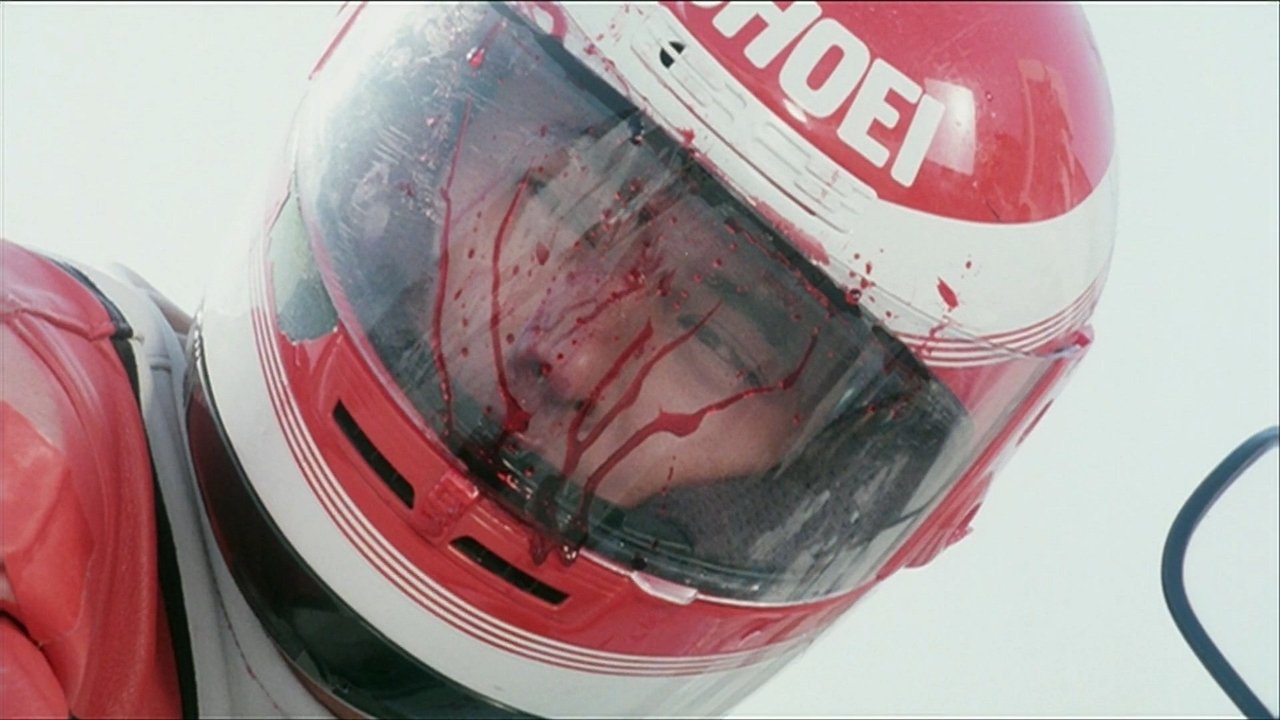
Sure, looking back through a modern lens, one might find moments that lean into the heightened emotion characteristic of late 80s Hong Kong cinema. Yet, the rawness prevents it from feeling cheap or manipulative. The stakes feel real because the characters feel real. I recall finding this tape – maybe in the 'World Cinema' section, a bit removed from the action bonanzas – and being completely unprepared for its emotional wallop. It wasn't the kind of film you easily forgot. The climax, involving Ah-Long's return to motorbike racing, is both thrilling and devastating, a convergence of past hopes and present desperation that seals the film's tragic, yet poignant, trajectory.
Rating: 9/10
All About Ah-Long earns this high rating through the sheer force of its central performances, particularly Chow Yun-Fat's career-defining dramatic turn, and its unflinching exploration of love, loss, and the ghosts of the past. While undeniably a tearjerker, its emotion feels earned, rooted in believable characters and their difficult choices. Johnnie To crafts a powerful, grounded drama that resonates long after the VCR has clicked off.
It’s a film that stays with you, a reminder that sometimes the most heroic battles aren't fought with guns, but within the human heart. It leaves you contemplating the paths not taken, and the enduring, complicated nature of familial love.