What if the divine struggled with the human? What if doubt, fear, and even desire warred within the Son of God? This wasn't just a question posed by Nikos Kazantzakis's controversial 1955 novel, but the beating, agonizing heart of Martin Scorsese's audacious 1988 adaptation, The Last Temptation of Christ. Renting this tape back in the day often felt like handling something fragile, something potentially explosive. It arrived amidst a storm of protest, misunderstood and often condemned sight unseen. Yet, revisiting it now, decades removed from the initial furor, reveals a film of profound empathy, fierce artistic integrity, and startling vulnerability.
A Carpenter's Doubts, A Prophet's Burden
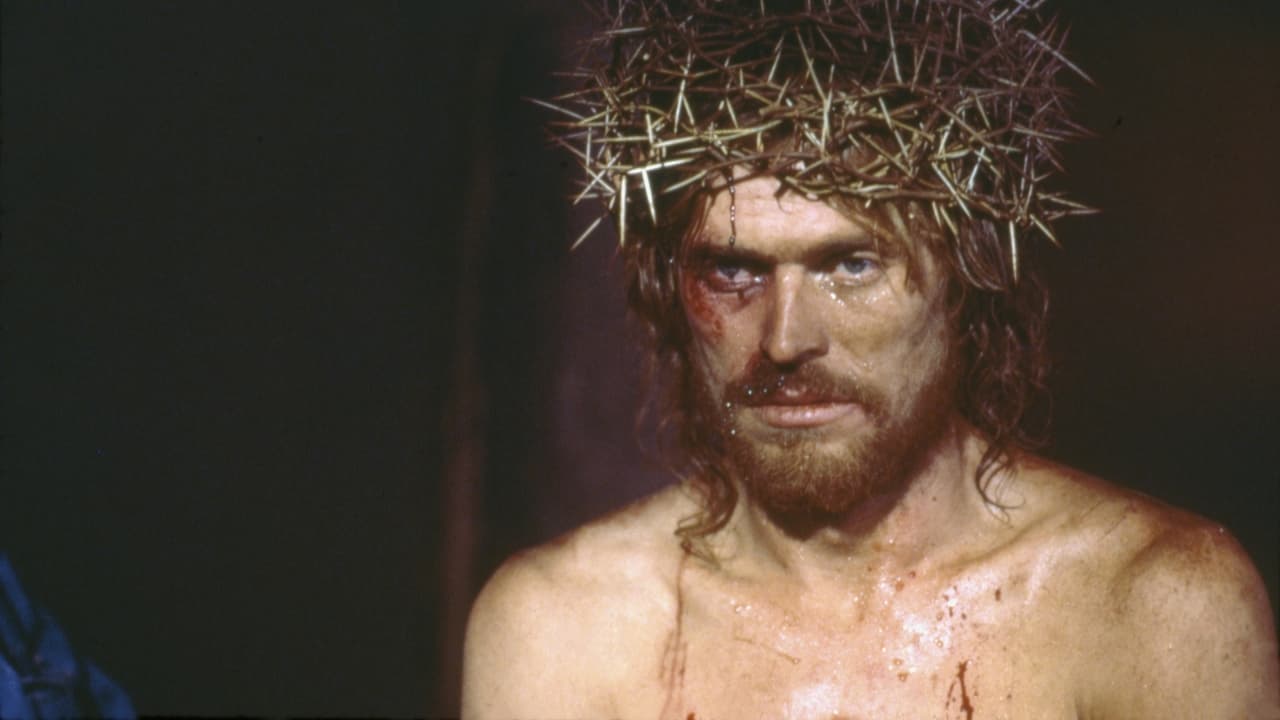
Scorsese, working from a script by his frequent collaborator Paul Schrader (the mind behind Taxi Driver (1976) and Raging Bull (1980)), wasn't interested in crafting a stained-glass portrait. Instead, he presents a Jesus burdened by his divine destiny, a man deeply connected to the earth while wrestling with the voice of God. Willem Dafoe, in a performance of raw, nerve-ending sensitivity, embodies this conflict. His Jesus isn't serene or beatific from the outset; he’s tormented, uncertain, even building crosses for the Romans before fully embracing his path. Dafoe conveys the immense weight of this calling, the fear mixed with nascent conviction. It's a portrayal that feels startlingly human, forcing us to consider the sacrifice not just in terms of physical pain, but profound psychological and spiritual struggle. Does this humanization diminish the divine? Or does it, perhaps, make the ultimate choice even more powerful?
Dust, Sweat, and Spirit
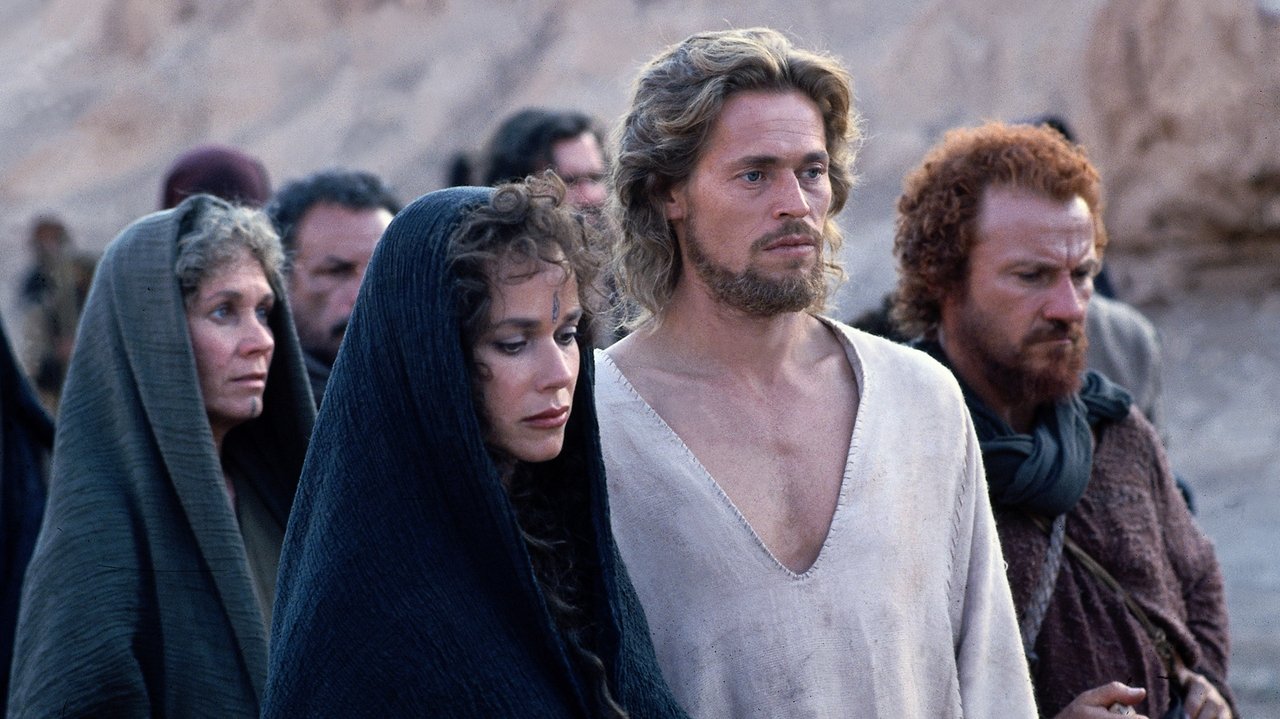
The film grounds its spiritual exploration in a tangible, gritty reality. Shot primarily in Morocco, the landscapes feel authentically ancient – dusty, sun-baked, unforgiving. Cinematographer Michael Ballhaus, who also shot Goodfellas (1990) for Scorsese, captures this world without romanticism. There's a raw immediacy to the visuals, enhanced perhaps by the slightly grainy nature of the old VHS transfers many of us first saw it on. Complementing this is Peter Gabriel’s stunning, innovative score. Eschewing traditional orchestral swells, Gabriel blends Middle Eastern instrumentation, synthesizers, and primal rhythms to create something otherworldly yet deeply rooted in the film's setting. It’s a soundscape that evokes both ancient history and timeless spiritual yearning, becoming as integral to the film's atmosphere as the visuals or performances.
Companions on a Difficult Path
Surrounding Dafoe is a cast that fully commits to Scorsese’s vision. Harvey Keitel offers a radical interpretation of Judas Iscariot. Far from a simple traitor, Keitel’s Judas is fiery, zealous, fiercely loyal to Jesus the revolutionary. He pushes Jesus towards action, towards fulfilling what Judas believes is his messianic destiny to overthrow Roman rule. Their relationship is complex, fraught with love and misunderstanding, making the eventual betrayal feel less like malice and more like a tragic, perhaps even necessary, step in a divine plan. Barbara Hershey brings a quiet strength and deep understanding to Mary Magdalene, portrayed here not merely as a redeemed sinner but as a confidante, perhaps the disciple who understands Jesus's human struggles most profoundly. Even supporting roles, like David Bowie's brief but memorable turn as Pontius Pilate, feel perfectly cast, adding layers to this unconventional biblical tapestry.
Retro Fun Facts: A Passion Project Against the Odds
Getting The Last Temptation of Christ made was its own epic struggle. Scorsese had wanted to adapt Kazantzakis's novel since the 1970s. Paramount Pictures was initially set to produce it in the early 80s, with Aidan Quinn potentially cast as Jesus, but backed out under pressure from religious groups. It took years for Scorsese to find another home for it. Universal Pictures finally agreed, but slashed the budget significantly to around $7 million – a remarkably small sum for such an ambitious period piece. This necessitated a swift, demanding shoot of approximately 60 days in Morocco. Scorsese has often spoken about the production’s challenges, including navigating local sensitivities and working under intense time pressure, viewing the difficult circumstances as almost mirroring the film's themes of struggle and perseverance. The initial casting considerations over the years reportedly included names like Robert De Niro for Jesus or Judas at different points, highlighting the long gestation of this deeply personal project for the director. The controversy upon release was intense, leading to protests, boycotts, and even bans in some countries, cementing its reputation as one of the most debated films of its era.
The Unseen Path: Temptation and Legacy
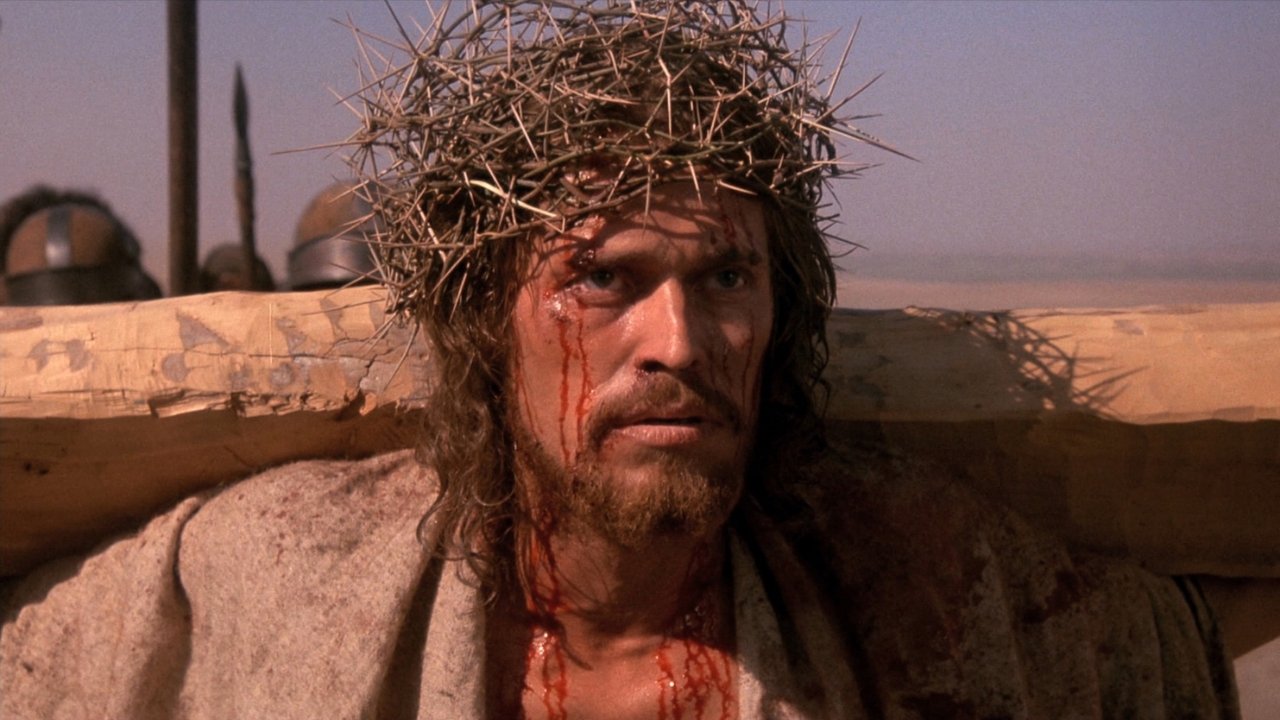
The film's title refers, of course, to the extended sequence where Jesus, on the cross, experiences a vision of an alternative life – marriage to Mary Magdalene, children, old age, a normal human existence free from suffering. It's this sequence, orchestrated by Satan appearing as a guardian angel, that fueled much of the outrage. Yet, its purpose isn't blasphemous, but rather deeply theological. It posits that the greatest temptation wasn't power or riches, but the simple, profound allure of a normal human life. The power of the film lies in Jesus ultimately rejecting this vision, choosing his agonizing destiny and sacrifice willingly. It’s a sequence that stays with you, forcing contemplation on the nature of sacrifice, duty, and the difficult paths we choose. What lingers most after the film ends? For me, it's the sheer bravery of its inquiry, the willingness to ask difficult questions about faith through the lens of human experience.
Conclusion
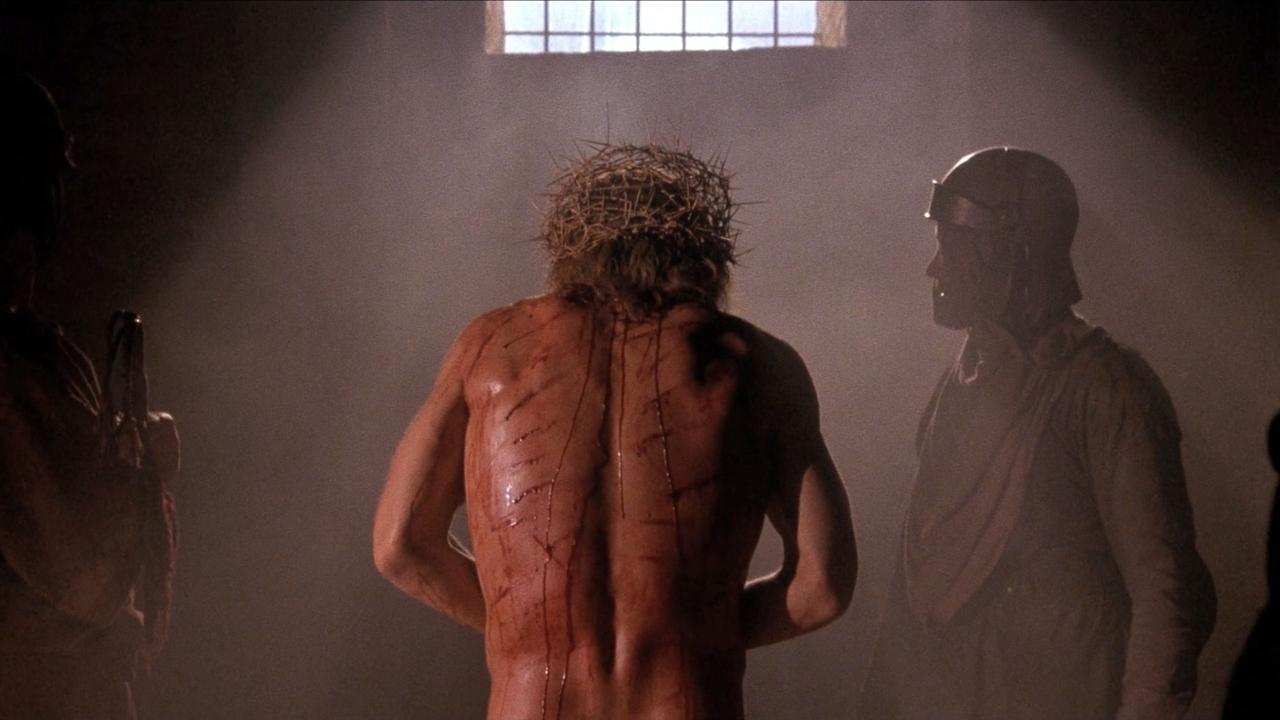
The Last Temptation of Christ is not an easy film, nor was it ever intended to be. It bypasses dogma to explore the messy, complex intersection of the human and the divine. It's a challenging, deeply felt work of art powered by Scorsese's passionate direction, Schrader's thoughtful script, Gabriel's haunting score, and courageous performances, particularly from Dafoe. While the initial storm of controversy defined its VHS-era arrival, its enduring power lies in its sincerity and its profound exploration of faith, doubt, and the human heart.
Rating: 9/10 - This score reflects the film's artistic boldness, the strength of its performances, its thematic depth, and Scorsese's masterful execution under challenging circumstances. It's a demanding but rewarding experience that achieves exactly what it sets out to do: provoke thought and explore the human core within a divine narrative. Its flaws are minor compared to its staggering ambition and impact.
It remains a film that doesn't offer simple answers, but instead leaves you contemplating the profound weight of its central question long after the credits roll and the VCR clicks off.