What lingers most after the screen fades to black on Kundun isn't a plot twist or a thrilling climax, but a feeling – a profound sense of immersion in a world both visually stunning and spiritually resonant. Released in 1997, it arrived on video store shelves like a visitor from another realm, nestled perhaps between the latest action blockbusters and broad comedies. And picking up that tape, you might not have known quite what to expect from Martin Scorsese, a director more readily associated with the gritty streets of New York than the serene monasteries of Tibet. Yet, Kundun remains one of his most personal, visually arresting, and deeply felt works, a film that uses the canvas of one extraordinary life to explore vast questions of faith, responsibility, and cultural survival.
A Tapestry Woven with Light and Sound
Forget the frantic energy of Goodfellas (1990) or the operatic drama of Casino (1995). Kundun unfolds with a deliberate, meditative pace, mirroring the spiritual journey it depicts. The narrative follows the life of Tenzin Gyatso, the 14th Dalai Lama, from his discovery as a two-year-old boy in rural Tibet through to his exile in 1959 following the Chinese invasion. The screenplay, penned by the late Melissa Mathison (who famously wrote E.T. the Extra-Terrestrial (1982) and spent considerable time interviewing the Dalai Lama for this project), isn't driven by conventional conflict but by moments, rituals, and the growing weight of history upon the young leader's shoulders.
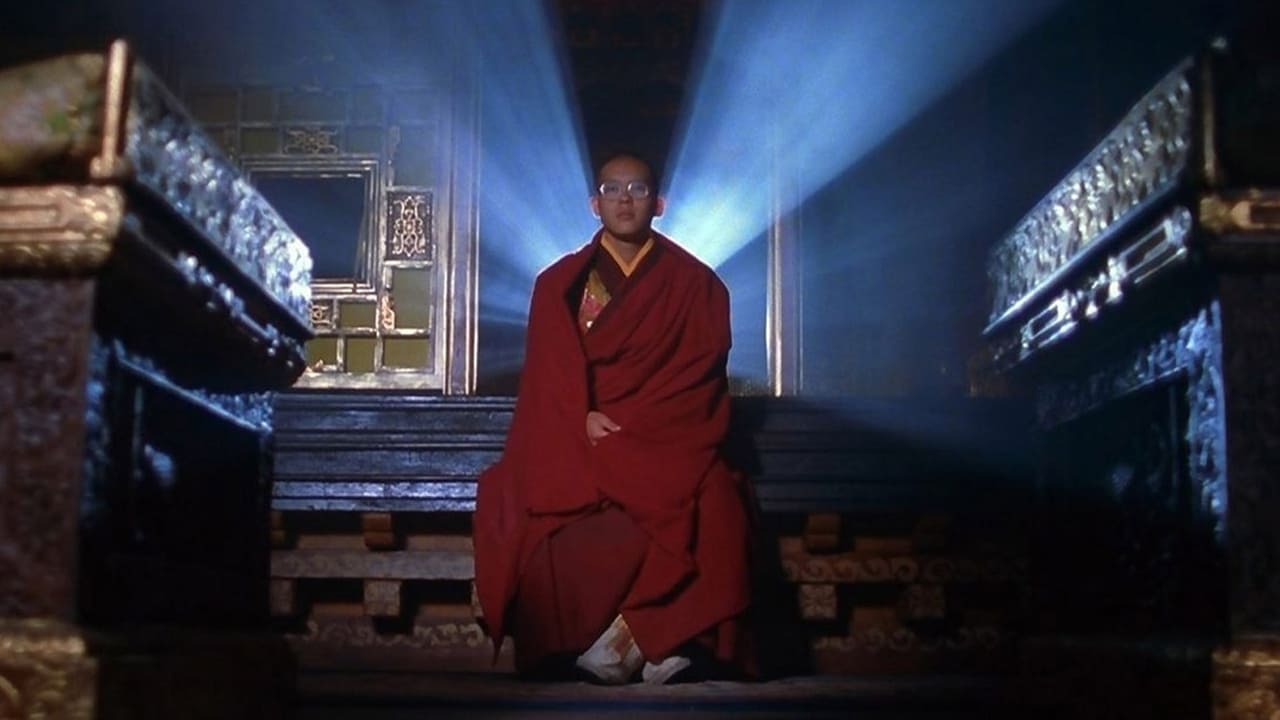
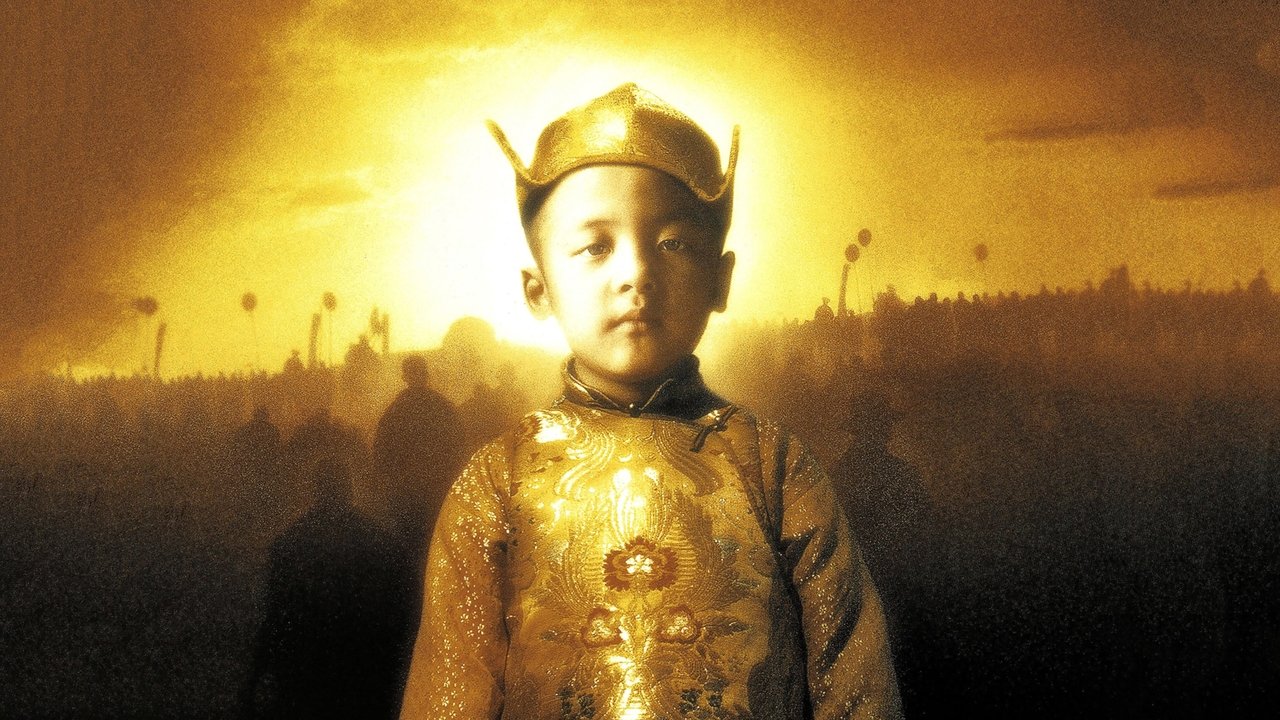
What truly elevates the film is its breathtaking aesthetic. This is Scorsese working in perfect harmony with cinematographer Roger Deakins, who paints Tibet (often recreated in Morocco due to political sensitivities) in hues of crimson, gold, and saffron that feel almost hyperreal on screen. Every frame is meticulously composed, transforming rituals, landscapes, and even simple moments of contemplation into visual poetry. Coupled with the hypnotic, minimalist score by Philip Glass, the film achieves an almost trance-like quality. The repetitive, cyclical nature of Glass's music underscores the themes of reincarnation and the enduring spirit of Tibetan Buddhism, creating an atmosphere that’s both ancient and immediate. Remember those intricate sand mandalas painstakingly created and then ritualistically destroyed? That sequence alone speaks volumes about the film’s core philosophy.
Authenticity Born of Adversity
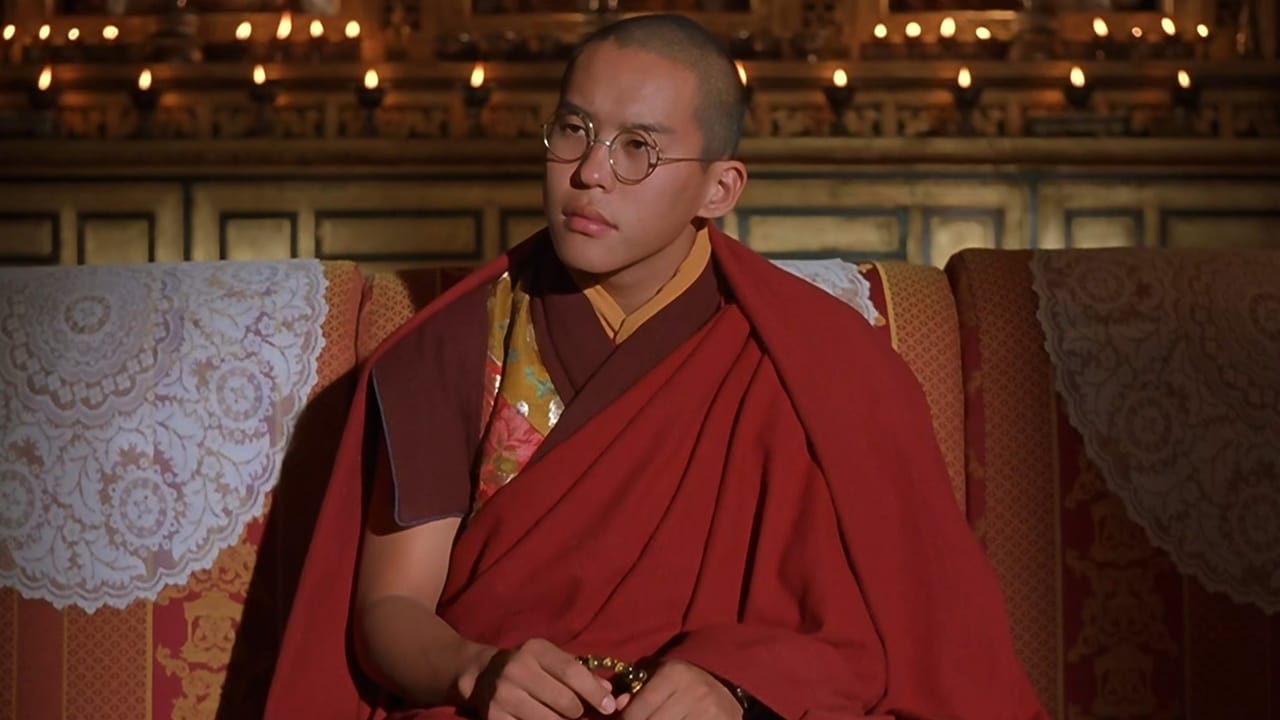
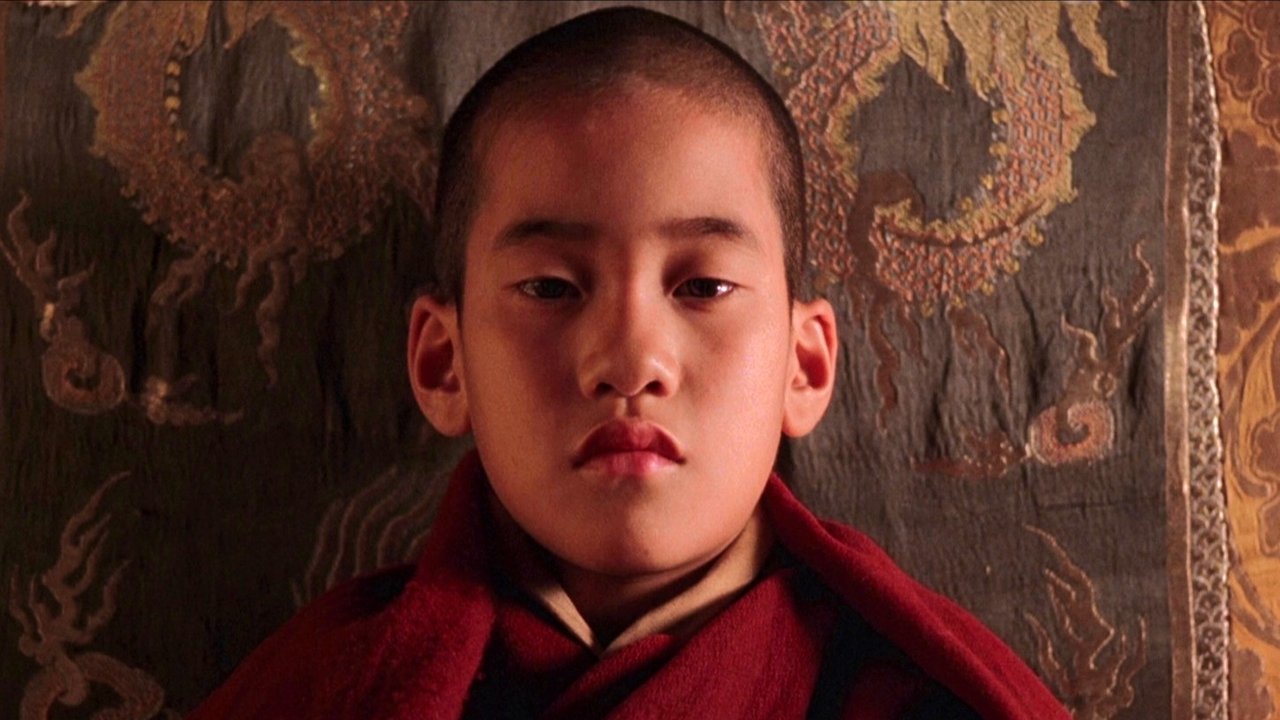
One of the most remarkable aspects of Kundun is its casting. Scorsese and Mathison made the bold decision to use almost entirely non-professional Tibetan actors, many of whom were living in exile themselves. The role of the Dalai Lama is portrayed by four different individuals at various stages of his life, culminating in a quietly powerful performance by Tenzin Thuthob Tsarong as the adult leader facing impossible choices. This wasn't about finding polished performers; it was about capturing an innate authenticity, a lived understanding of the culture and the spiritual weight the Dalai Lama embodies. Several actual relatives of the Dalai Lama even appear in the film, adding another layer of poignant connection. This choice lends the film an incredible sense of truthfulness – these aren't actors playing Tibetans; they are Tibetans sharing a vital part of their story.
This commitment to authenticity came at a cost. The Walt Disney Company, initially distributing the film through Touchstone Pictures, faced immense pressure from the Chinese government, who viewed the film's sympathetic portrayal of the Dalai Lama and depiction of the Chinese occupation as deeply problematic. This controversy significantly impacted the film's marketing and distribution, ultimately leading Disney to apologize to China and limiting the film's reach – a fascinating, if disheartening, piece of behind-the-scenes history reflecting the very political tensions the film explores. Despite a budget reported around $28 million, its US box office barely scraped $6 million, making it a commercial disappointment but cementing its status as a courageous, artistically driven project. Filming itself couldn't happen in Tibet or even India due to political fallout, forcing the production to recreate the Potala Palace and Tibetan landscapes primarily in Ouarzazate, Morocco – the same area used for films like Lawrence of Arabia (1962) and later Gladiator (2000).
More Than Just a Biography
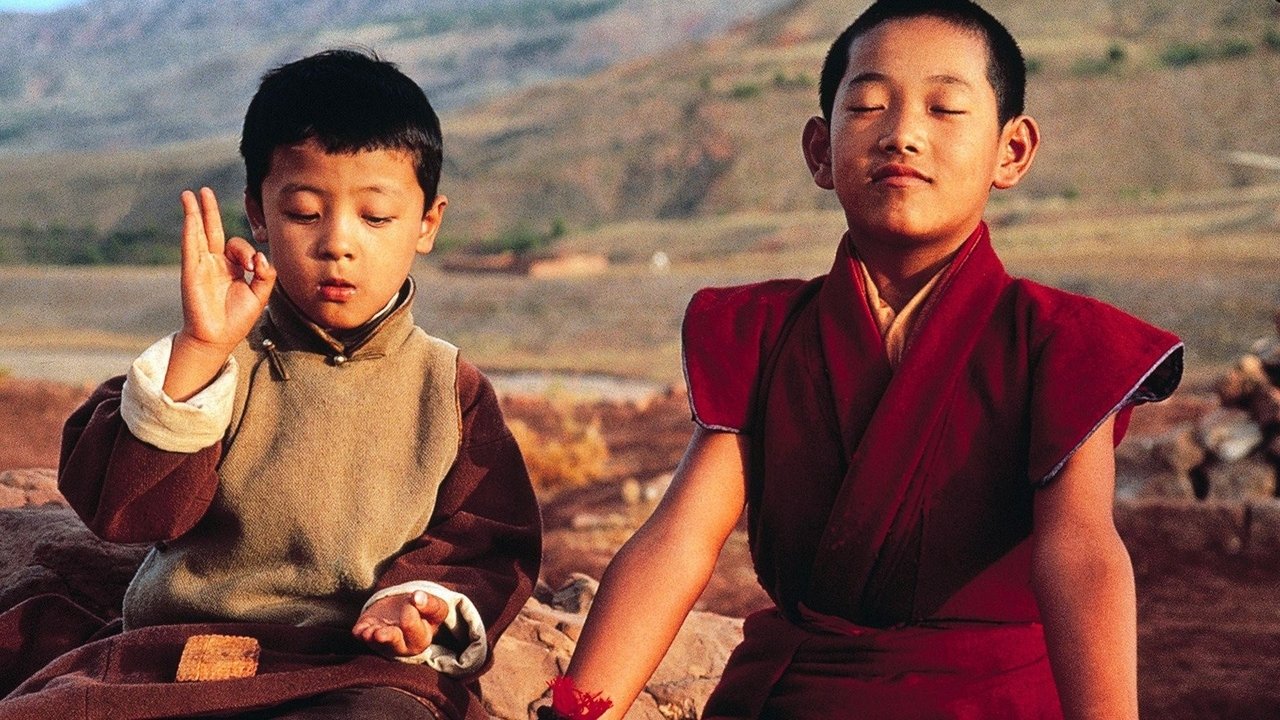
While Kundun charts the key moments of the 14th Dalai Lama's early life, it transcends simple biography. It's a film about the clash between ancient spiritual traditions and the brutal realities of 20th-century geopolitics. We see the young Dalai Lama fascinated by Western mechanics and newsreels, trying to reconcile his spiritual duties with the encroaching threat from Mao Zedong's China. The film doesn't shy away from the violence and cultural destruction inflicted upon Tibet, but it portrays these events through the lens of the Dalai Lama's unwavering commitment to non-violence.
Does the film ask us to fully comprehend the intricacies of Tibetan Buddhism or the geopolitical complexities? Perhaps not entirely. But it masterfully evokes the feeling of that world, the weight of tradition, the burden of leadership thrust upon young shoulders, and the quiet dignity in the face of overwhelming force. It forces a contemplation: how does one maintain peace when confronted with aggression? What is the role of faith in a world dominated by power politics?
Final Reflections
Kundun wasn't the kind of film you rented for a casual Friday night back in the 90s. It demanded patience, attention, and a willingness to be transported. It's slow, yes, but purposefully so. It’s a sensory bath, a historical document, and a spiritual meditation all rolled into one. It stands as a testament to Scorsese's versatility and his willingness to step outside his perceived comfort zone, delivering a work of profound beauty and quiet power. The commitment of Melissa Mathison, the stunning visuals of Roger Deakins, the unique score by Philip Glass, and the undeniable authenticity of its cast make it a singular achievement.
Rating: 9/10
This score reflects the film's masterful artistry, its courageous vision, and its success in creating a deeply immersive and moving cinematic experience. While its deliberate pace might challenge some viewers, its visual splendor, emotional depth, and the sheer integrity of its production are undeniable. Kundun doesn't just tell a story; it invites you into a state of being, leaving you with images and feelings that resonate long after the final credits – a rare and precious quality from any era, let alone one found on a humble VHS tape.