Okay, let's slide another tape into the VCR. This time, it's one that always felt different, even back in '95. It wasn't just a movie; it felt like history unfolding again, but with the kind of stomach-churning tension only masterful filmmaking can deliver. I'm talking about Ron Howard's meticulous, nerve-shredding Apollo 13.
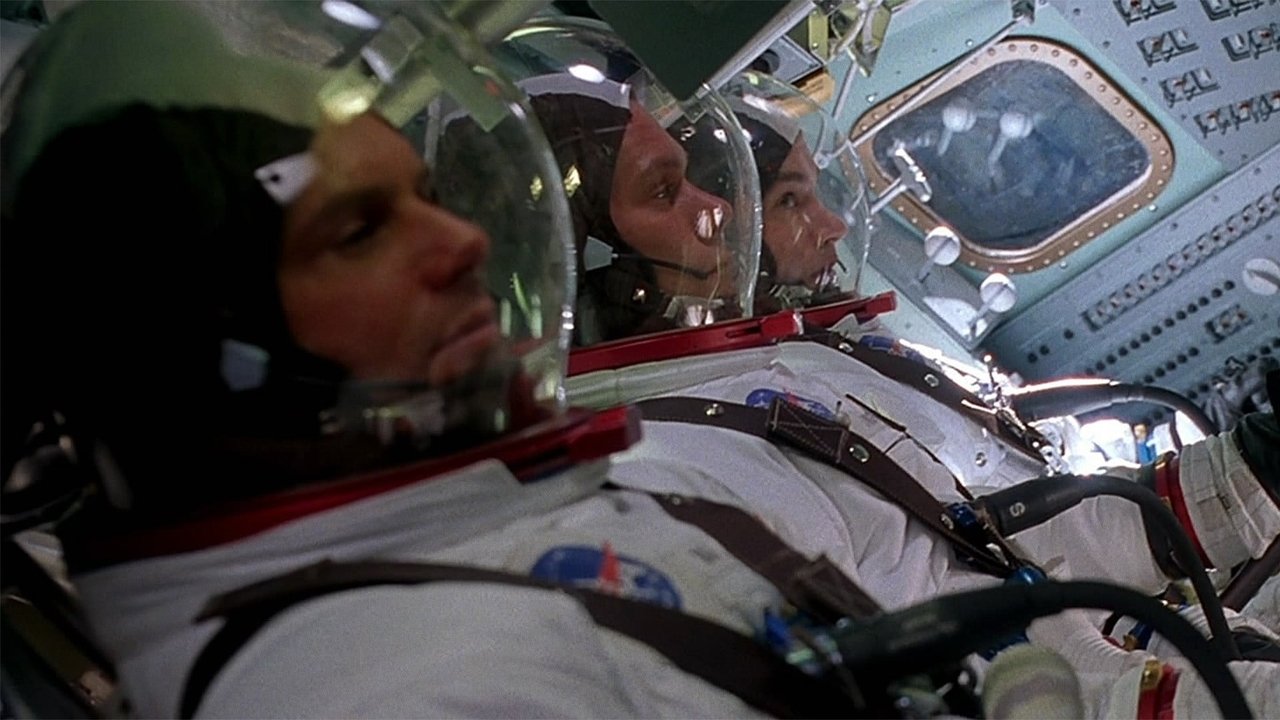
Remember settling in to watch this one? It wasn't your typical sci-fi adventure with aliens or warp drives. It was grounded, startlingly real. The opening reels you in, not with explosions, but with the quiet ambition, the almost matter-of-fact bravery of the space program. It sets the stage perfectly, reminding us that these weren't fictional heroes, but real people pushing the very limits of human exploration. This grounding is crucial, because when things inevitably go wrong, the stakes feel terrifyingly authentic.
### Houston, We Have a Problem
The film pivots, of course, on that now-iconic, chillingly understated line delivered by Tom Hanks as Commander Jim Lovell: "Houston, we have a problem." What follows isn't a typical disaster movie arc. Instead, Apollo 13 becomes a testament to ingenuity under unimaginable pressure. It's a story about problem-solving, about brilliant minds on Earth racing against the clock, using slide rules, duct tape, and sheer brainpower to save three men stranded hundreds of thousands of miles away.
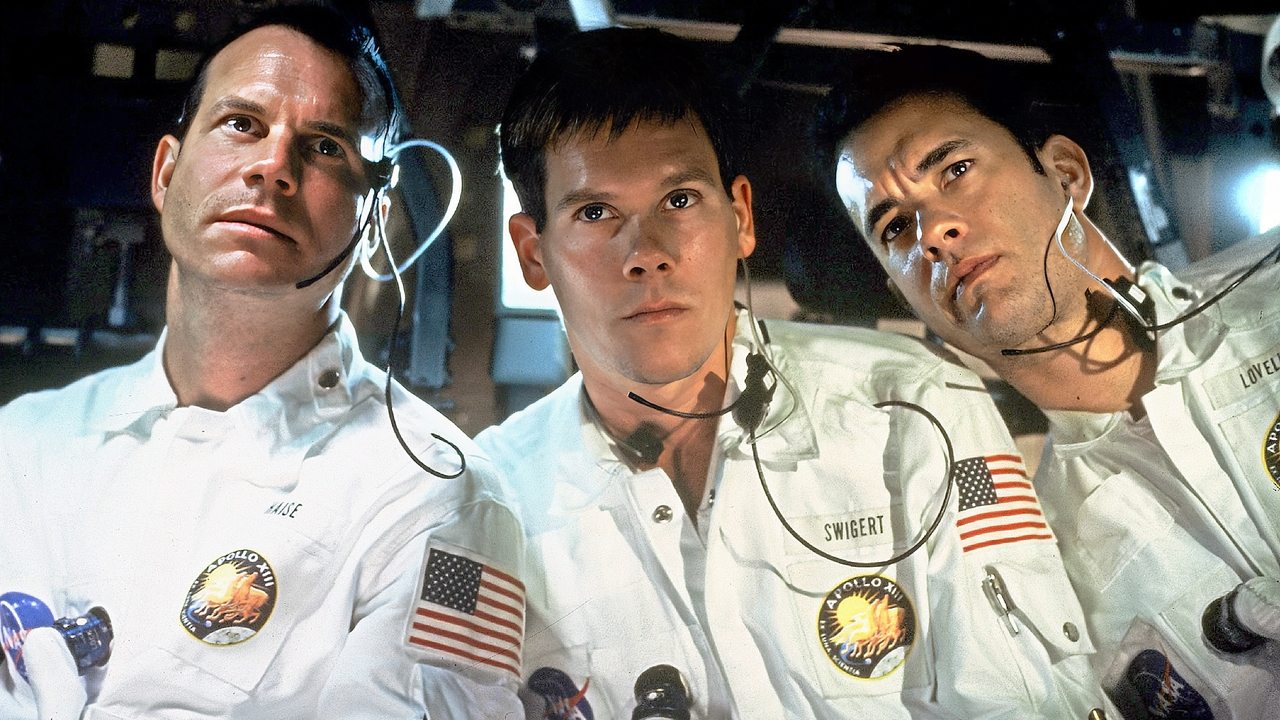
Ron Howard, moving confidently beyond his earlier comedies like Splash (1984) or the fantasy of Willow (1988), directs with an almost documentary-like precision. He avoids melodrama, letting the inherent drama of the situation speak for itself. The claustrophobia inside the lunar module, the freezing temperatures, the rising carbon dioxide levels – it's all conveyed with a visceral immediacy that keeps you utterly gripped, even though many of us know the eventual outcome. You feel the chill, the dwindling hope, the desperate calculations.
### A Symphony of Performance
The casting here is nothing short of perfect. Tom Hanks, already America's Everyman after Forrest Gump (1994), embodies Jim Lovell with quiet authority and unwavering resolve. He’s the calm center of the storm, but you see the immense weight flicker in his eyes. Alongside him, Bill Paxton (bringing that frantic energy we loved in films like Aliens (1986)) as Fred Haise and Kevin Bacon (showing a more restrained side than in Footloose (1984)) as Jack Swigert form a believable, sometimes frayed, but ultimately unified crew. Their interactions feel genuine – the shared glances, the moments of near-despair, the forced professionalism cracking under strain.


And then there's Mission Control. Ed Harris as Flight Director Gene Kranz is simply monumental. His performance, particularly the famous "Failure is not an option" speech (a line crafted for the film, but perfectly capturing Kranz's spirit), anchors the Earth-bound drama. He’s the picture of steely determination, the conductor leading an orchestra of engineers fighting impossible odds. And let's not forget Gary Sinise as Ken Mattingly, the astronaut grounded by measles who becomes instrumental in finding the solution from Earth. Sinise conveys Mattingly's frustration and eventual fierce dedication brilliantly. The chemistry between these actors, both in space and on the ground, is palpable and utterly convincing.
### The Relentless Pursuit of Authenticity
What truly elevates Apollo 13 is its dedication to realism. Howard and his team went to extraordinary lengths. Much of the zero-gravity footage wasn't CGI; it was filmed aboard NASA's KC-135 aircraft, affectionately known as the "Vomit Comet," which flies parabolic arcs to create brief periods of weightlessness. The actors endured hundreds of these grueling parabolas (around 600!) to capture those authentic floating shots. Think about that – the sheer physical commitment involved! It lends an undeniable veracity to the visuals that CGI, especially 90s CGI, often struggled to match.
They meticulously recreated Mission Control based on the original specifications, down to the overflowing ashtrays and coffee cups that littered the consoles during the actual crisis. Even the real Jim Lovell makes a cameo appearance as the captain of the recovery ship, the USS Iwo Jima, shaking Hanks' hand at the end – a touching meta-moment. This attention to detail, born from extensive research and access to NASA advisors, wasn't just for show; it immerses the viewer completely in the period and the crisis. It reportedly cost $52 million to make back then, but its stunning $355 million worldwide gross proved audiences were hungry for this kind of intelligent, real-life drama.
### More Than Just a Space Movie
Ultimately, Apollo 13 resonates because it's about more than just space travel. It’s a powerful exploration of human resilience, teamwork, and the extraordinary things ordinary people can achieve when faced with seemingly insurmountable challenges. It reminds us of a time when scientific achievement captured the world's imagination, and when collaboration, even under intense pressure, could literally bring people back from the brink. Watching it again now, perhaps on a format far removed from the crispness of Blu-ray, maybe even digging out an old VHS copy for the true retro feel, doesn't diminish its power. The grain, the slightly softer image, somehow adds to the feeling of watching a historical document, albeit one crafted with incredible cinematic skill. Doesn't that core message – ingenuity under pressure – still speak volumes today?

Rating: 9.5/10
This score feels earned because Apollo 13 achieves near-perfection in its chosen genre. The masterful direction by Ron Howard, the universally strong performances led by Hanks and Harris, the painstaking commitment to technical accuracy that enhances rather than overwhelms the human drama, and the incredibly tense, yet ultimately uplifting narrative make it a standout film not just of the 90s, but of historical filmmaking overall. It's a film that respects its subject, its audience, and the real people involved, delivering an experience that is both intellectually stimulating and deeply moving.
It leaves you not just impressed by the technical feat of the rescue, but profoundly moved by the human spirit that refused to give up, floating in a tin can, far above the world. A true testament to what we can accomplish when we work together.