What is courage, really? Is it the raw, almost reckless bravery of facing the unknown in a roaring machine, pushing the very limits of the possible? Or is it something packaged, polished, and presented to a nation hungry for heroes? Philip Kaufman’s sprawling, majestic 1983 adaptation of Tom Wolfe’s book, The Right Stuff, doesn’t offer easy answers. Instead, it immerses us in a pivotal moment of American history, contrasting the twilight of the lone-wolf test pilot with the dawn of the media-saturated space age, leaving us to ponder the very nature of heroism itself. Watching it again, decades after first wrestling that hefty double-VHS cassette from its sleeve, the questions it raises feel just as potent.
### Where Eagles Dared
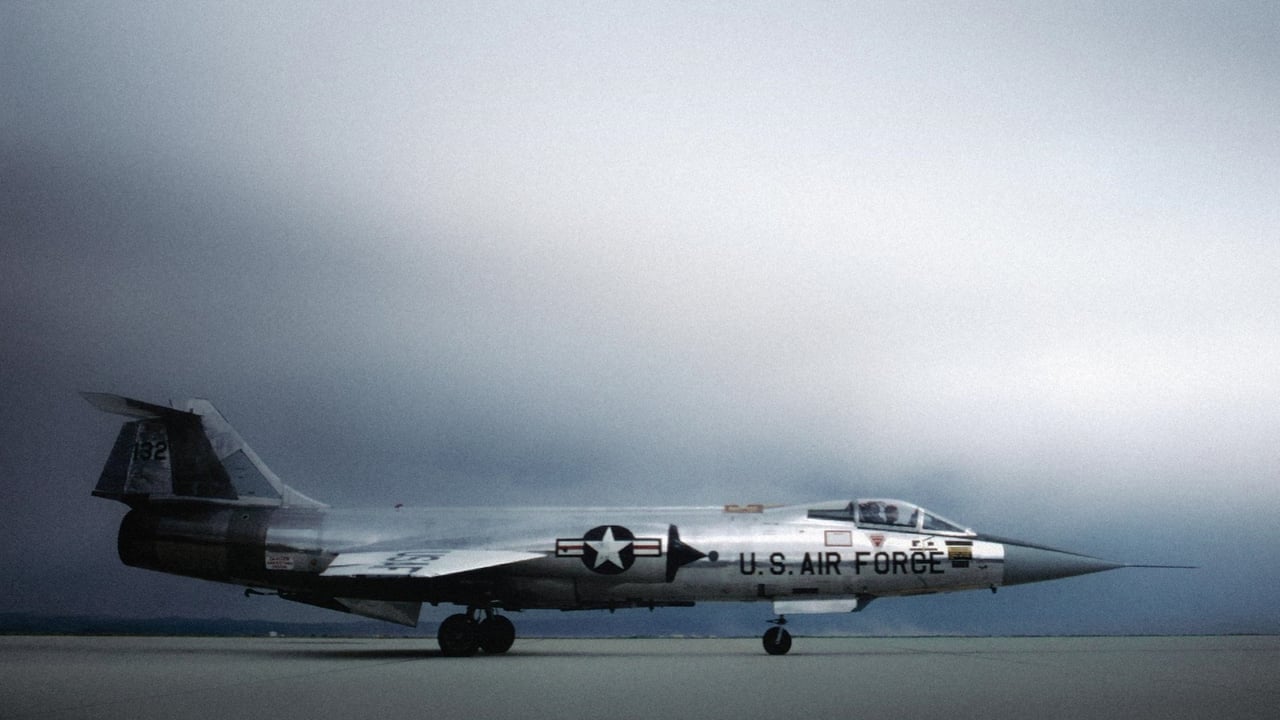
The film opens not in the gleaming halls of NASA, but under the vast, unforgiving sky of Edwards Air Force Base in the Mojave Desert. This is the domain of men like Chuck Yeager, portrayed with laconic, almost mythic grace by the late, great Sam Shepard. Shepard, initially hesitant about playing such an icon, reportedly connected with the real Yeager, finding a shared quiet intensity. He embodies the test pilot ethos: understated courage, immense skill, and a deep-seated understanding of the dangerous dance between man and machine. Kaufman masterfully captures the visceral thrill and terror of experimental flight – the shuddering metal, the G-force pressing down, the lonely speck of the aircraft against the infinite blue. These early sequences, depicting Yeager breaking the sound barrier (and later attempting even more perilous flights), establish a benchmark for bravery – earned in sweat and solitude, far from the flashbulbs. It’s a world where failure means oblivion, not a press conference.
### Spam in a Can?
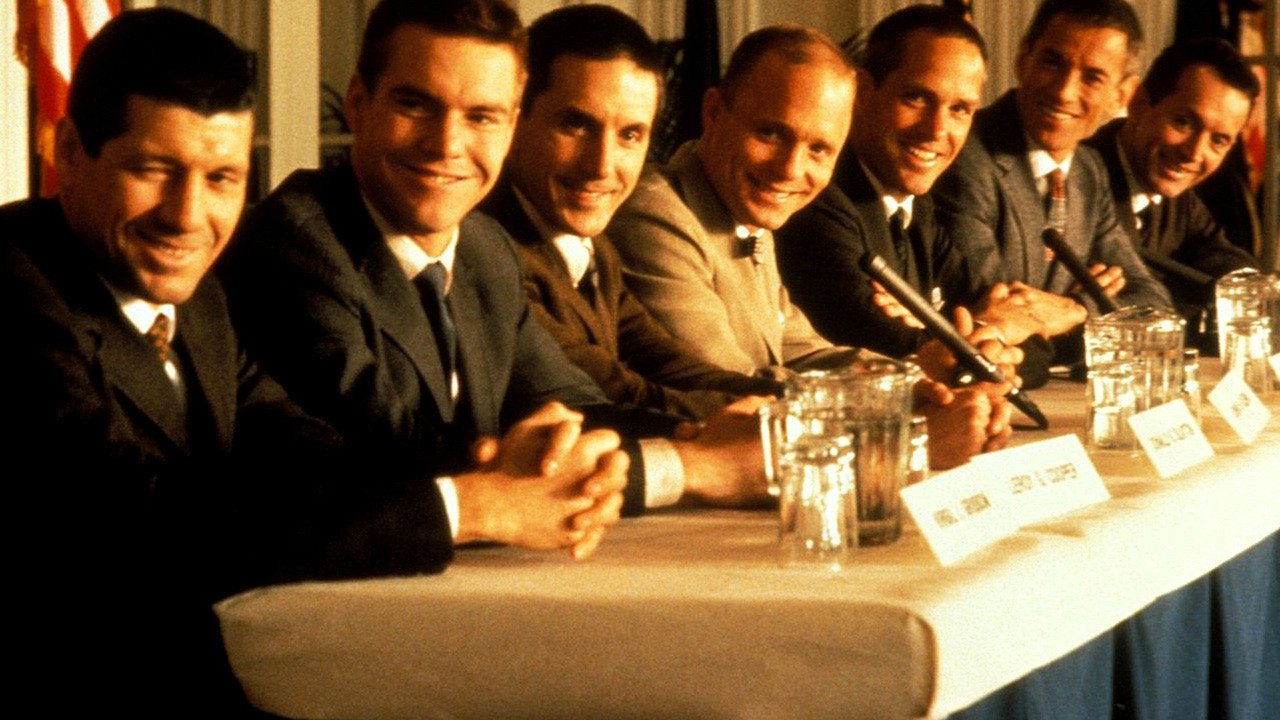
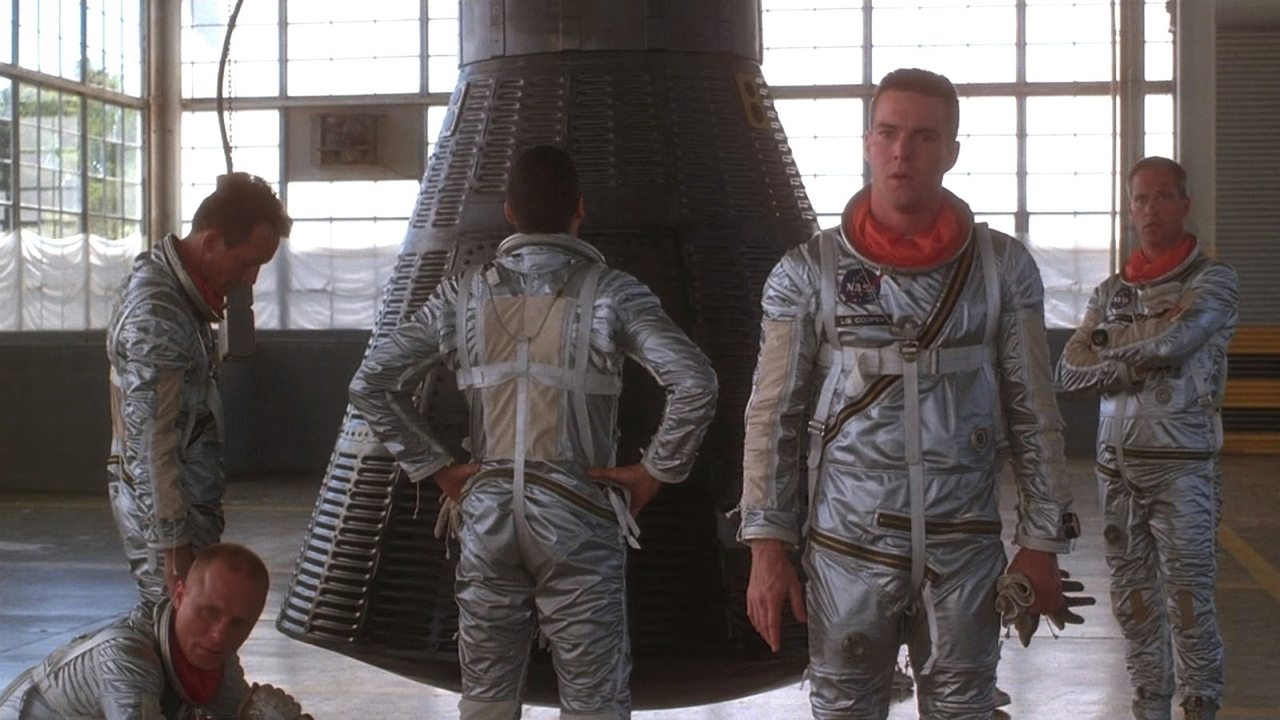
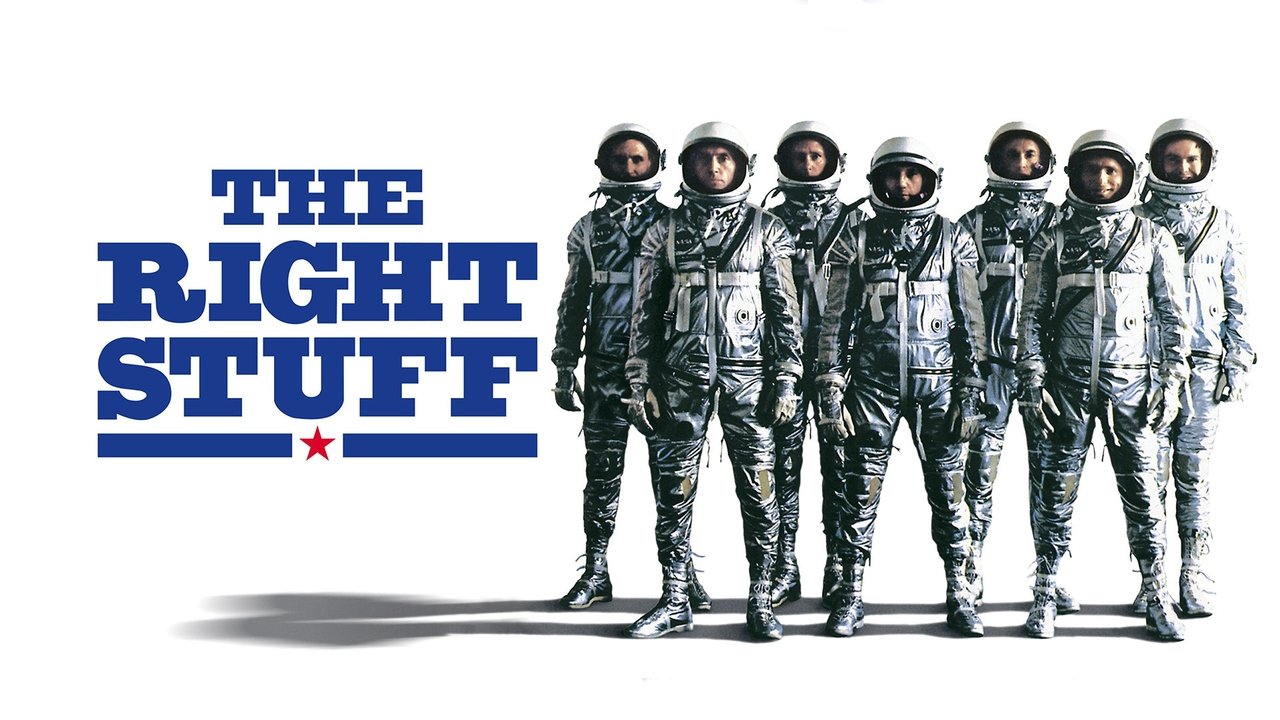
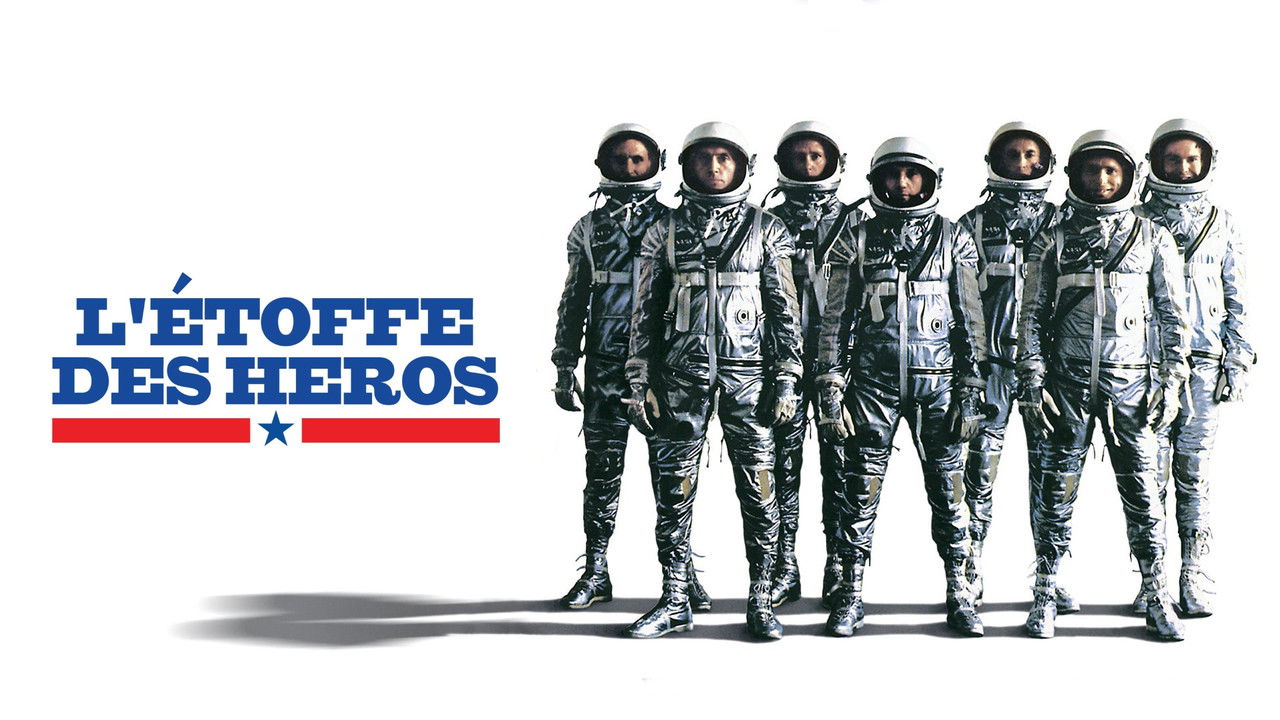
Then, Sputnik beeps its ominous challenge across the heavens, and everything changes. The film shifts gears, moving into the frantic, politically charged birth of the Mercury program. The search isn't just for pilots, but for astronauts – men who fit a certain image, could handle the press, and endure being, as the test pilots wryly put it, "spam in a can." The contrast is stark. We meet the Mercury 7: Alan Shepard (Scott Glenn, radiating cocky confidence), Gus Grissom (Fred Ward, conveying quiet determination), John Glenn (Ed Harris, capturing his earnest integrity), Gordon Cooper (Dennis Quaid, full of youthful swagger), and the rest.
Kaufman, working from Wolfe's sprawling narrative, deftly juggles these numerous personalities, giving each man moments to shine. Ed Harris, in particular, is outstanding as Glenn, the squeaky-clean Marine who becomes the face of the program. His portrayal captures the genuine patriotism and moral center, but also the slight awkwardness of a man thrust into the spotlight. The camaraderie, rivalries, and sheer bewilderment of these pilots-turned-national-icons feel authentic. We see them fighting not just gravity, but bureaucracy, demanding windows in their capsules and input on the engineering – insisting they be more than mere passengers.
### Crafting an Epic
Pulling this sprawling story together was a monumental task for Philip Kaufman, known previously for films like the 1978 remake of Invasion of the Body Snatchers. The Right Stuff runs over three hours, yet rarely feels sluggish, thanks to its episodic structure and masterful pacing. The sheer scale of the production is evident on screen. While made for a considerable $27 million (around $80 million today), it initially underperformed at the box office, grossing only $21.5 million domestically – a reminder that critical acclaim (it snagged eight Oscar nominations, winning four for Score, Sound, Sound Effects Editing, and Film Editing) doesn't always translate immediately into commercial success.
The technical achievements, however, are undeniable. Cinematographer Caleb Deschanel (father of Zooey and Emily) paints stunning visuals, from the harsh beauty of the desert to the claustrophobia of the capsules. The flight sequences, a blend of ingenious model work by artists like Gary Gutierrez, archival footage, and clever optical effects, still hold up remarkably well, capturing the terrifying majesty of spaceflight long before CGI dominated. And Bill Conti's (of Rocky fame) soaring, Oscar-winning score perfectly blends patriotic themes with moments of intimate reflection and thrilling adventure. It's a score that became almost synonymous with heroism itself in the 80s.
### More Than Just History
What elevates The Right Stuff beyond a mere historical document is its thoughtful exploration of myth-making. Wolfe's book, and Kaufman's film, dissect how the Mercury 7 were packaged and sold to the American public. We see the Life magazine contract, the carefully managed press events, the wives (Barbara Hershey, Veronica Cartwright, Pamela Reed, and others deliver strong supporting turns) coached on how to present the perfect image. It’s a fascinating, sometimes critical look at the birth of modern celebrity culture intertwined with national ambition.
Yet, the film never becomes cynical. It acknowledges the PR machine but simultaneously celebrates the genuine courage and sacrifice of the individuals involved. The astronauts may have been chosen partly for their image, but their bravery was real. The dangers they faced were immense, the unknowns terrifying. The film honors their achievement while subtly reminding us of the quieter, less heralded bravery of figures like Yeager, who continued to push the envelope without fanfare. Kaufman reportedly fought to keep Yeager's story prominent, seeing him as the embodiment of the titular "stuff" – a quality beyond definition, but recognizable when witnessed.
### Lasting Resonance
Why does The Right Stuff endure? Perhaps it's the sheer ambition of its storytelling, capturing a unique moment where old-fashioned grit met the technological future. Maybe it's the stellar ensemble cast, one of the finest ever assembled for a film of this era. Or perhaps it's the way it taps into a fundamental human fascination with exploration and the courage required to venture into the unknown. I distinctly remember renting that double-tape set from the local video store, feeling like I was holding something significant, something important. It felt less like a movie rental and more like checking out a piece of history. Even with its considerable runtime, it invites rewatching, revealing new nuances in the performances and Kaufman's direction each time. It questions, it inspires, and it entertains on a grand scale.
Rating: 9/10
This rating reflects the film's masterful direction, superb ensemble cast, stunning technical achievements (especially for its time), and its intelligent, multi-layered exploration of heroism, history, and myth-making. While its length might test some viewers today, the payoff is an incredibly rich and rewarding cinematic experience that captures a pivotal moment with artistry and insight. It’s more than just a great film; it’s a vital piece of American cinematic storytelling that feels both epic and deeply human. What truly defines that elusive "right stuff"? The film wisely leaves that for us to contemplate long after the credits roll.