What lingers most after the smoke clears and the final frame fades on Hugh Hudson's Revolution isn't necessarily a clear narrative thread or a triumphant historical moment. Instead, it’s a feeling – thick, pervasive, and often uncomfortable. It’s the grime under the fingernails, the damp chill seeping into worn wool, the bewildering cacophony of a world turned upside down. This 1985 epic, arriving with monumental expectations after Hudson's Oscar glory with Chariots of Fire (1981), aimed not just to depict the American Revolution, but to plunge the viewer headfirst into its chaotic, muddy reality. And plunge it does, perhaps deeper than audiences at the time were prepared for.
Into the Maelstrom
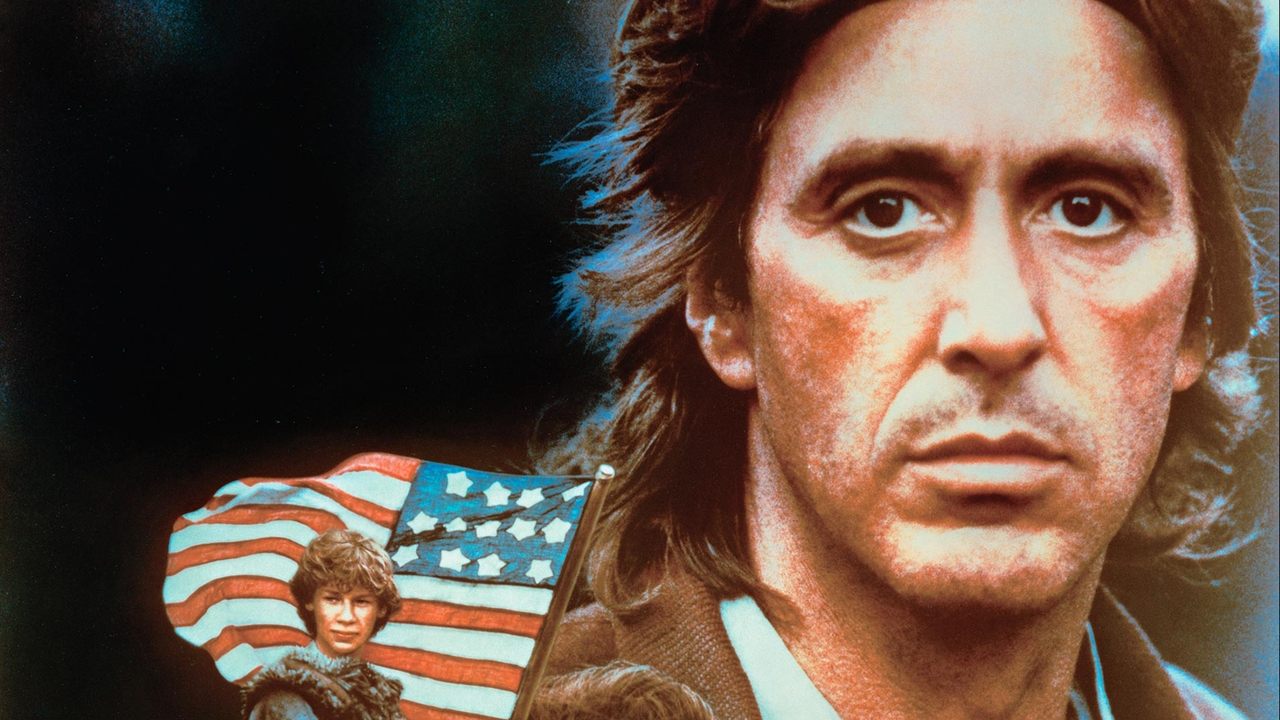
The premise follows Tom Dobb (Al Pacino), a simple fur trapper whose boat and son, Ned, are forcibly conscripted into the Continental Army. His initial motivation isn't patriotism; it's survival and retrieving his child. This immediately sets Revolution apart from more traditionally jingoistic historical films. Dobb is our reluctant guide through the war's brutal landscapes, from the panicked streets of New York to the frozen despair of Valley Forge. Along the way, he encounters the fiercely independent Daisy McConnahay (Nastassja Kinski), a daughter of loyalists drawn into the revolutionary fervor, and the coldly pragmatic British Sergeant Major Peasy (Donald Sutherland), who becomes a recurring, almost symbolic antagonist.
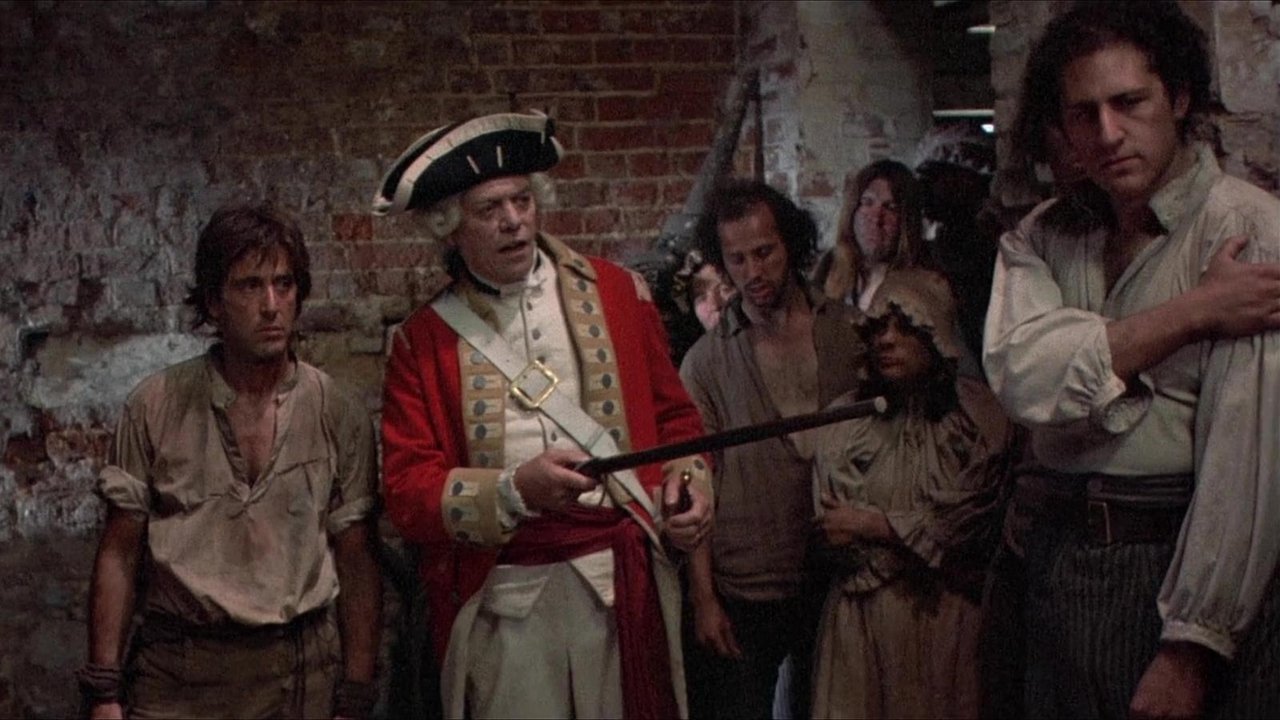
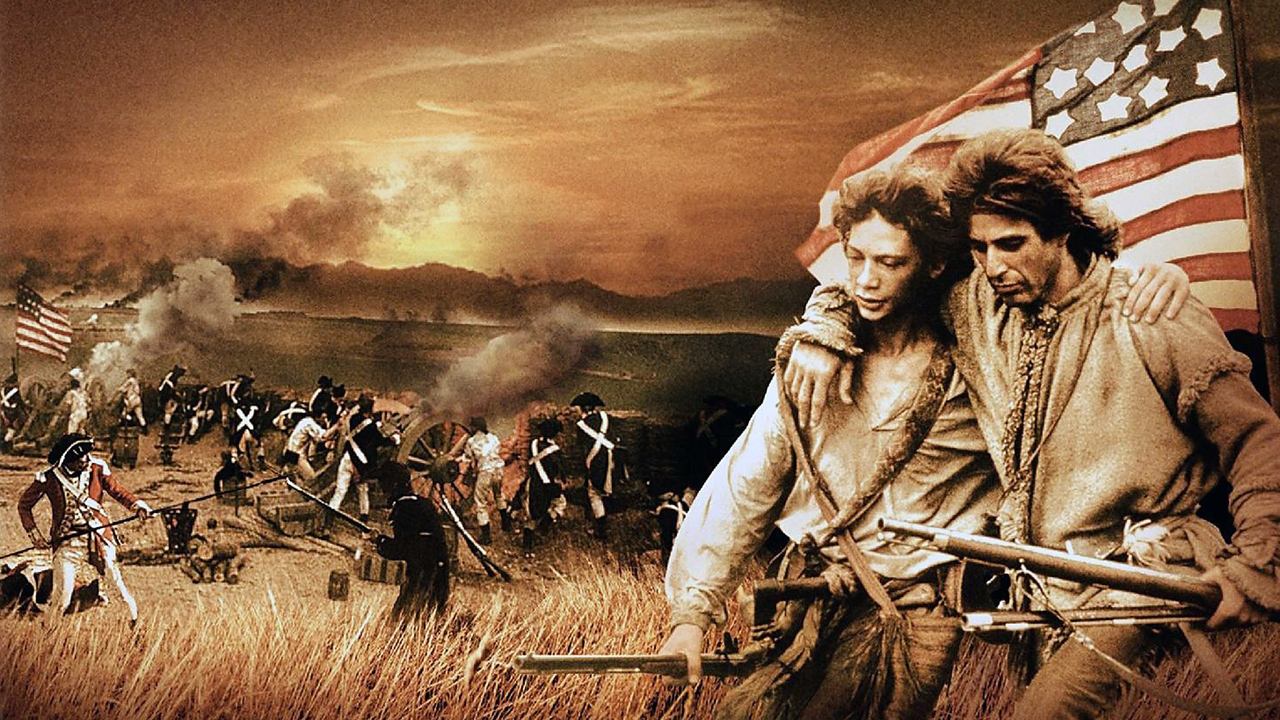
Hudson, working with cinematographer Bernard Lutic, crafts a vision of the 18th century stripped bare of romanticism. Forget pristine uniforms and noble speeches delivered under sunny skies. Revolution offers smoke-filled battlefields where visibility is nil, landscapes drowned in perpetual rain and mud, and cities teeming with desperation. The film’s commitment to this visceral texture is arguably its greatest strength and, perhaps, a key reason for its notorious initial failure. It’s an uncompromising aesthetic, demanding patience and a willingness to wade through the mire alongside the characters. I distinctly remember renting this on VHS, the sheer scale barely contained by our CRT television, feeling both overwhelmed and oddly captivated by its sheer, bloody-minded refusal to be an easy watch.
An Icon Adrift
Central to the film's ambition, and its controversy, is Al Pacino's performance. Tasked with embodying the 'everyman' swept up in events far beyond his control, Pacino opted for a raw, almost mumbling delivery and a thick, unspecified accent that drew widespread criticism. Was it a misguided choice? Perhaps. It certainly created a barrier for many viewers, making Dobb feel indistinct, his motivations sometimes lost in the general chaos. Yet, watching it now, there's a sense of what he might have been reaching for – an attempt to portray the sheer exhaustion and bewilderment of survival, stripping away the performative heroism often associated with historical leads. Pacino famously took a four-year hiatus from filmmaking after Revolution's disastrous reception, a testament to the toll this project took.
In stark contrast, Donald Sutherland seems to relish the role of Sergeant Major Peasy. With his chillingly precise delivery and predatory gaze, he provides a focal point of tangible menace. Nastassja Kinski, radiating a fierce intelligence, does her best with a character sometimes underserved by the sprawling narrative, embodying the complex shifts in allegiance the war demanded.
The Cost of Authenticity
The film's troubled production is almost as legendary as its box office failure. Shot primarily in England, specifically Norfolk and Devon, the production battled relentlessly foul weather, which, while adding a layer of bleak authenticity, also ballooned the already substantial budget (reportedly around $28 million – a massive sum in 1985, translating to over $75 million today). The relentless mud we see on screen? Much of it was grimly real, a constant challenge for cast and crew. This pursuit of realism extended to the look of the film. Costume designer John Mollo (who won Oscars for Star Wars (1977) and Gandhi (1982)) and production designer Stuart Craig (later famed for the Harry Potter series) crafted a world that felt worn, used, and brutally authentic. Their meticulous work is undeniable, contributing significantly to the film's immersive quality.
However, whispers of ongoing script rewrites by Robert Dillon during filming hint at a narrative struggling to find its footing amidst the visual splendor and logistical nightmares. The initial $28 million investment reportedly yielded less than $1 million at the US box office upon release, cementing its place as one of cinema's most infamous financial disasters. It wasn’t just the critics; audiences simply didn’t connect.
A Flawed Epic Worth Revisiting?
So, why revisit Revolution? Does it transcend its reputation? Not entirely. The narrative remains episodic and sometimes disjointed. Character motivations can feel murky, and the sheer scale can occasionally swallow the human drama. Yet, there's something undeniably compelling about its sheer, unvarnished ambition. Hudson didn't want to make Yankee Doodle Dandy; he wanted to show the dirt, the blood, and the confusion. He forces us to confront the human cost of historical upheaval in a way few films attempt, let alone films from the often more bombastic 80s.
The film’s attempt to portray history from the ground up, through the eyes of someone utterly unprepared for it, feels more resonant now, perhaps, than it did amidst the flag-waving patriotism prevalent in mid-80s America. It asks: what does loyalty mean when survival is paramount? How does one navigate grand ideals when faced with immediate, brutal reality? In 2009, Hudson released a Director's Cut (titled Revolution Revisited) featuring re-edited sequences and added narration by Pacino, aiming to clarify the story and character arcs. While an interesting artifact, the original theatrical cut, the one most of us likely encountered on those well-worn VHS tapes, retains its own peculiar power – the power of a bold vision, perhaps unrealized, but undeniably felt.
VHS Heaven Rating: 5/10
This rating reflects a film caught between worlds. The ambition is undeniable (1 point), the production design and cinematography achieve a stunning, gritty realism (2 points), and Sutherland’s performance is magnetic (1 point). Pacino’s central performance, while controversial, represents a brave, if perhaps flawed, attempt at anti-heroic realism (1 point). However, the narrative incoherence, pacing issues, and ultimately alienating effect on audiences significantly detract (-3 points), alongside the problematic central accent choice (-1 point) and the feeling that the human story gets lost in the epic scope (-1 point). It’s a fascinating failure, visually rich and thematically ambitious, but too often a frustrating and muddled viewing experience to rate higher.
Revolution remains a cinematic ghost – a haunting reminder of grand ambition meeting harsh reality, both on screen and off. It may not be a triumphant viewing experience, but its sheer, muddy, uncompromising presence lingers long after the tape stops rolling. What other historical epics dared to be quite this deliberately unheroic?