## Beyond the Horizon: The Intimate Epic of Mountains of the Moon

Some films arrive like thunder, all spectacle and noise, dominating the multiplexes and video store shelves. Others feel more like whispers carried on the wind, tales of distant lands and complex human hearts that settle quietly into your memory. Bob Rafelson's Mountains of the Moon (1990) belongs firmly in the latter category. It wasn't the typical blockbuster fare crowding the New Release walls back then, yet pulling that VHS tape off the shelf felt like uncovering a hidden treasure map – promising not just adventure, but something deeper, something more resonant about the lines blurred between discovery, ambition, and destructive obsession.
Into the Vast Unknown
At its core, the film chronicles the harrowing mid-19th-century expeditions of Captain Sir Richard Francis Burton and Lieutenant John Hanning Speke into the uncharted heart of Africa, driven by the almost mythical quest to find the source of the Nile River. Rafelson, a director more often associated with intimate character studies like Five Easy Pieces (1970), might have seemed an unlikely choice for such a sprawling historical epic. Yet, it's precisely his focus on the internal landscapes of his characters that elevates Mountains of the Moon beyond a mere travelogue. The film masterfully captures the crushing scale of the continent, the oppressive heat, the constant threat of disease and hostile encounters, but its true journey lies within the shifting dynamics of its two leads.
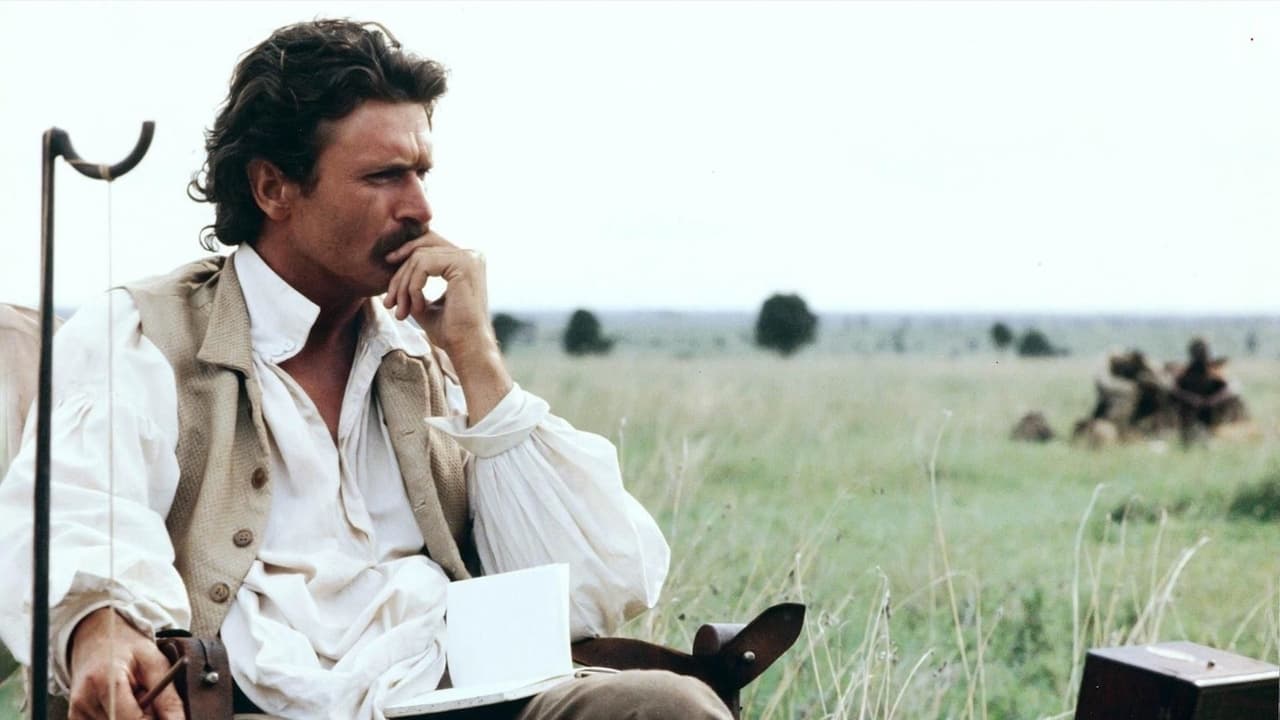
The sheer physicality of the production, shot extensively on location in Kenya, lends an undeniable authenticity. You can almost feel the dust Clogging your throat and taste the desperation born from dwindling supplies and relentless setbacks. The legendary cinematographer Roger Deakins, even relatively early in his esteemed career, works magic here, rendering the landscapes both breathtakingly beautiful and terrifyingly indifferent to the men struggling across them. There's a tangible weight to the exploration, a far cry from the swashbuckling ease often depicted in adventure tales. This felt real, arduous, and fraught with consequence. It’s fascinating to think this ambitious project, aiming for historical sweep on an $18 million budget (a respectable sum then, maybe around $40 million today), ultimately struggled at the box office, perhaps proving too thoughtful for audiences seeking simpler thrills.
A Friendship Forged and Fractured
The undeniable heart of the film lies in the complex relationship between Burton and Speke. Patrick Bergin, in what should have been a star-making turn, embodies Burton as a force of nature – brilliant, unconventional, a polyglot linguist, explorer, and scholar chafing against Victorian England's rigid constraints. He’s charismatic but prickly, driven by an insatiable curiosity that borders on the self-destructive. Bergin captures Burton’s fierce intellect and his surprising vulnerability with compelling nuance. I recall being struck by how different he felt from typical historical film heroes.
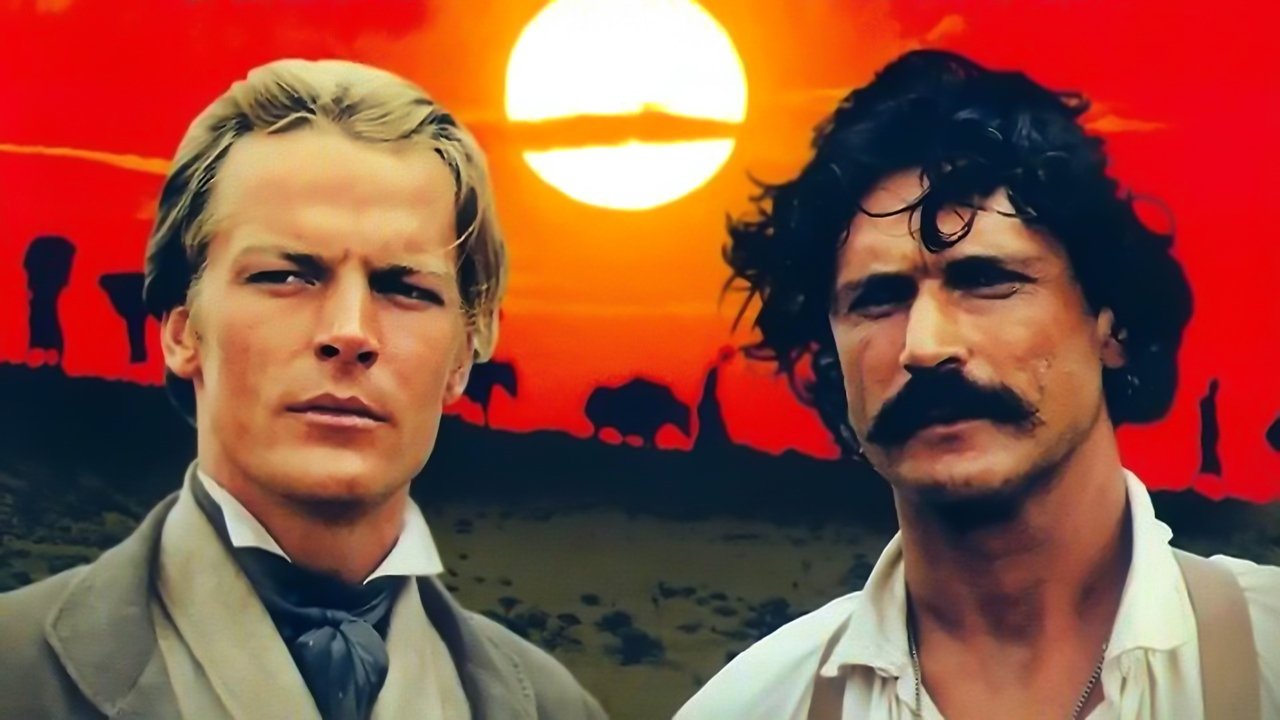
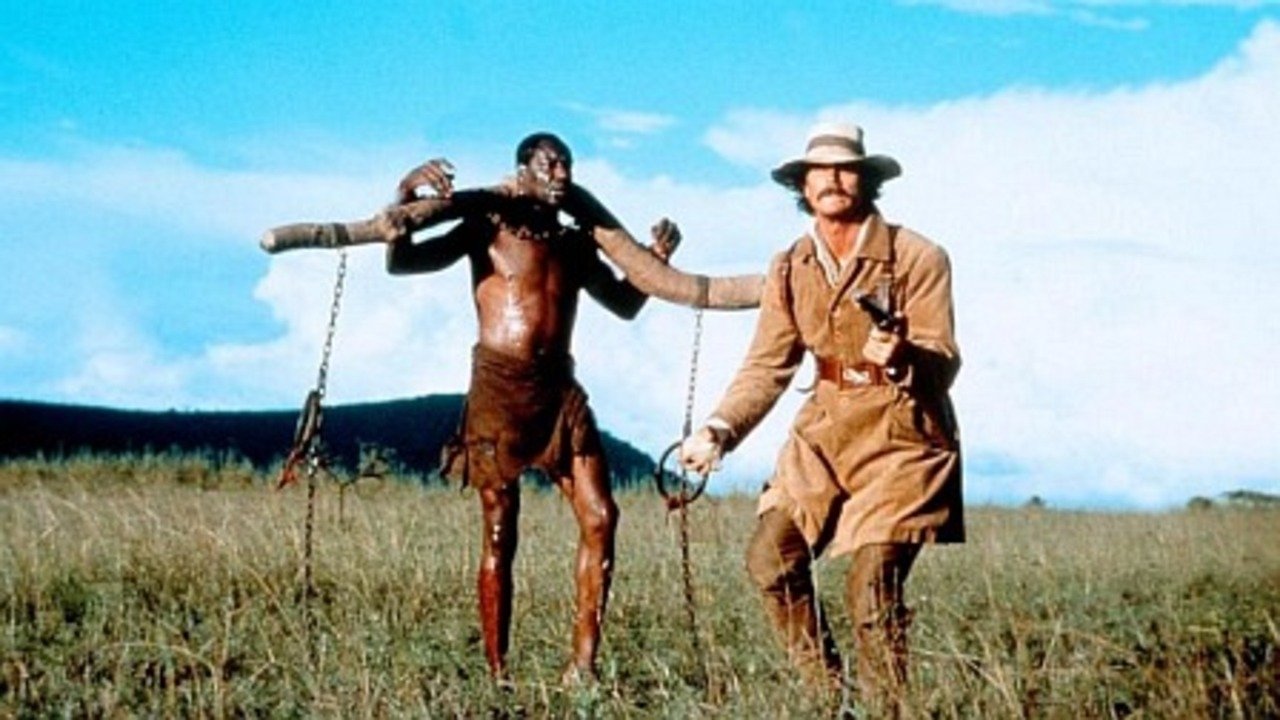
Opposite him, Iain Glen delivers an equally powerful performance as Speke. Initially presented as the more conventional, perhaps slightly naive, military man drawn to Burton's magnetism, Glen subtly charts Speke's transformation. As the expedition endures unimaginable hardships – illness, tribal warfare, near-death experiences – cracks appear in their bond. Ambition, misunderstanding, and the insidious pressures of fame and societal expectation begin to poison their camaraderie. Glen portrays Speke's descent from loyal companion to bitter rival with a tragic inevitability that avoids easy caricature. We witness not a sudden betrayal, but a slow, agonizing erosion of trust and respect, fueled by differing interpretations of their discoveries and conflicting desires for recognition back home. It’s a testament to both actors, and Rafelson’s sensitive direction, that we feel the weight of this broken friendship profoundly.
Echoes of Obsession
Adding another layer is Richard E. Grant as Laurence Oliphant, a writer and diplomat whose own complex relationship with Burton adds further texture to the narrative tapestry. Grant, ever reliable, brings his signature blend of intelligence and subtle eccentricity to the role. The film, co-scripted by Rafelson and William Harrison (adapting his own novel Burton and Speke, alongside the explorers' journals), doesn't shy away from the darker aspects of the era or the personalities involved. There's a palpable sense of the immense personal cost of their monumental achievements. What does it truly mean to "discover" something? And what happens when the pursuit of knowledge becomes entangled with the hunger for glory?
Interestingly, the film faced some ratings board scrutiny, initially receiving an R rating before reportedly being trimmed for wider accessibility (though sources vary on the final theatrical rating). This hints at Rafelson’s unflinching approach to the material, aiming for historical and psychological honesty over sanitized adventure. The score by Michael Small, often known for tense thrillers, adds an undercurrent of suspense and psychological unease that complements the epic visuals perfectly, reminding us that the greatest dangers often lie within.
Mountains of the Moon isn't just a recounting of historical events; it's an exploration of the very nature of ambition, the complexities of male friendship under extreme pressure, and the often-blurred line between pioneering spirit and consuming obsession. It forces us to consider the human cost behind the maps and accolades.
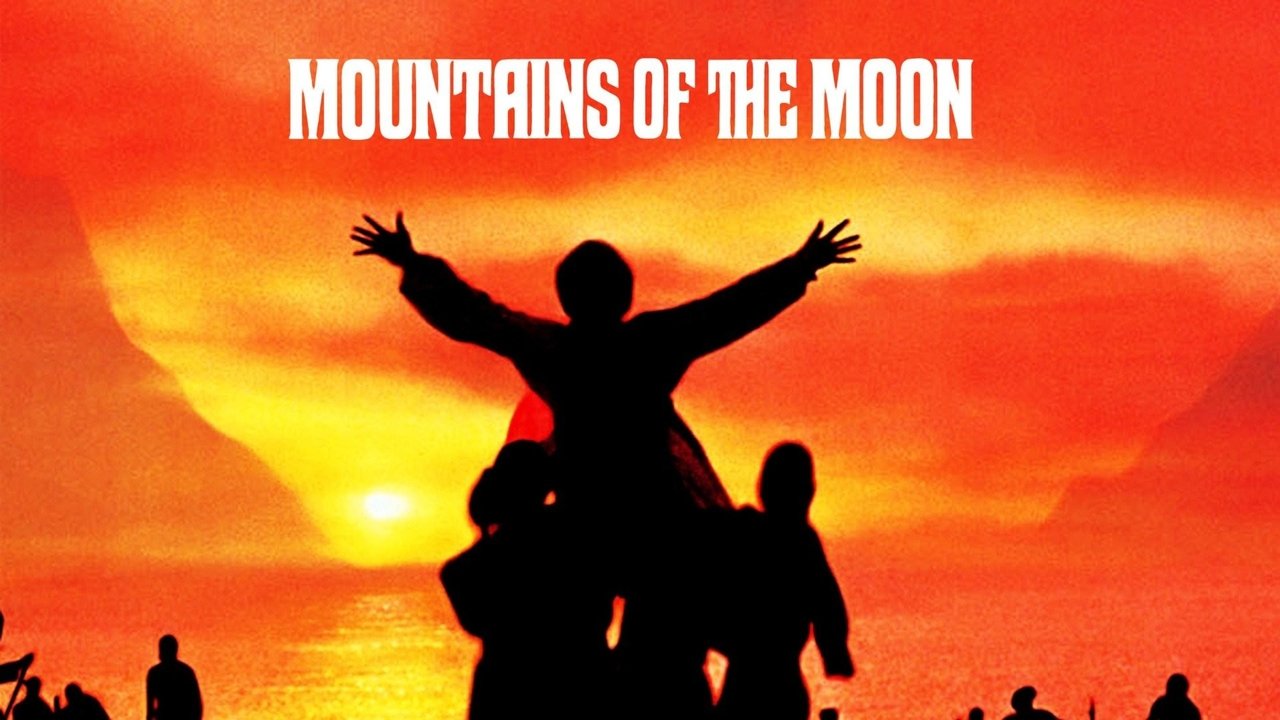
Rating: 8/10
This score reflects the film's stunning visual scope, its powerful central performances from Bergin and Glen, and its thoughtful exploration of complex themes. It masterfully balances epic adventure with intimate human drama, anchored by Rafelson's assured direction and Deakins' breathtaking cinematography. While perhaps deliberately paced for some modern viewers and facing historical debates regarding Speke's portrayal, its emotional depth and atmospheric authenticity are undeniable. It’s a film that lingers, much like the questions it raises about the price of discovery and the shadows that can fall between even the closest companions.
It remains a standout piece of 90s filmmaking – intelligent, beautifully crafted, and emotionally resonant. A reminder from the VHS era that sometimes the grandest journeys are the ones happening inside the human heart, even amidst the vast, unforgiving landscapes of the unknown.