The air hangs thick and cold in Switchback. Not just the literal chill of the Colorado Rockies blanketing the screen in unforgiving snow, but a deeper, more insidious frost clinging to the narrative itself. Released in 1997, it arrived carrying the weight of expectation, penned and directed by Jeb Stuart, the very scribe who gave us the high-octane blueprints for Die Hard and the relentless pursuit mechanics of The Fugitive. Yet, watching it unfurl, especially late at night with only the hum of the VCR for company, feels like encountering something… fractured. Something promising, yet ultimately as lost and treacherous as the icy mountain roads it depicts.
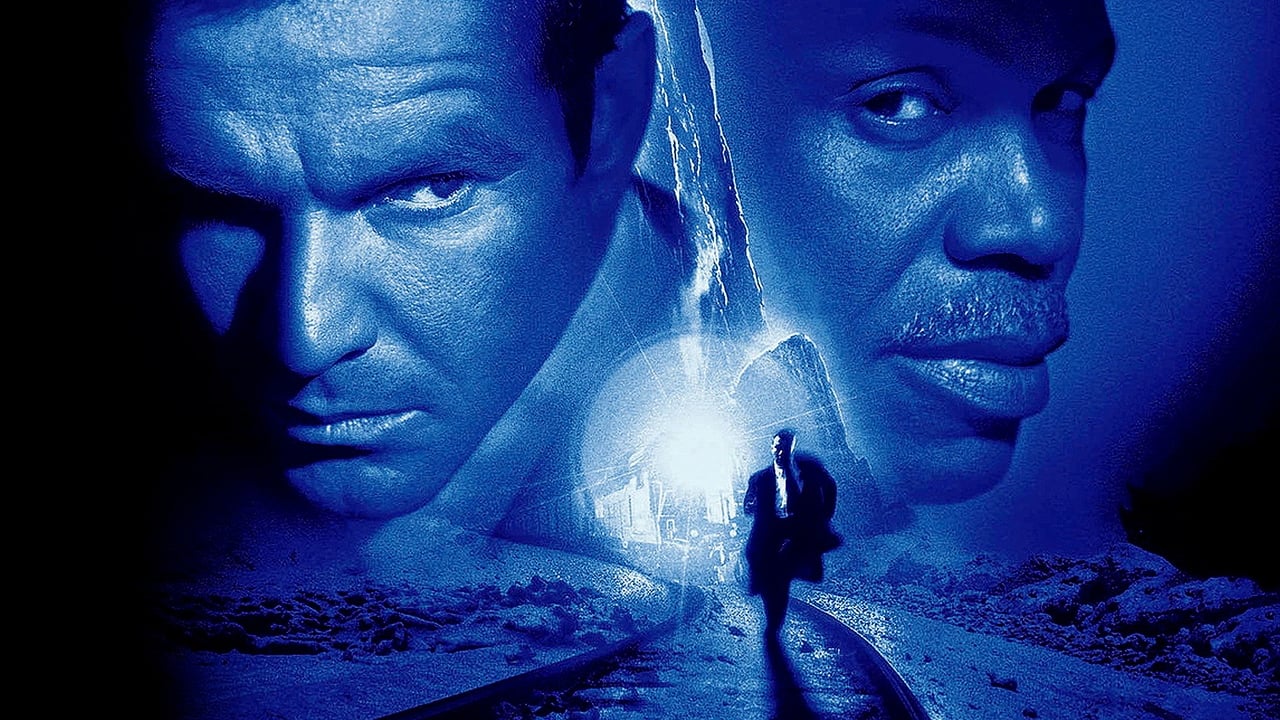
Into the White Hell
The setup is pure, distilled thriller concentrate: FBI Agent Frank LaCrosse (Dennis Quaid) is a man operating far outside the lines, consumed by the hunt for a cunning serial killer. This hunt isn't just professional; it's agonizingly personal, as the killer holds LaCrosse’s young son captive. His investigation leads him to Amarillo, Texas, and eventually spirals into the snow-choked passes of Colorado, right into the jurisdiction of the prickly Sheriff Buck Olmstead (R. Lee Ermey, radiating his signature gruff authority). Meanwhile, another thread follows Lane Dixon (Jared Leto), a young hitchhiker picked up by the amiable Bob Goodall (Danny Glover), driving through the same desolate landscape. Paths are destined to collide, secrets fester beneath the surface, and the identity of the killer hangs heavy in the frozen air. Doesn't that claustrophobic, snowbound isolation immediately set your teeth on edge?
The Ghost in the Machine: Stuart vs. The Studio
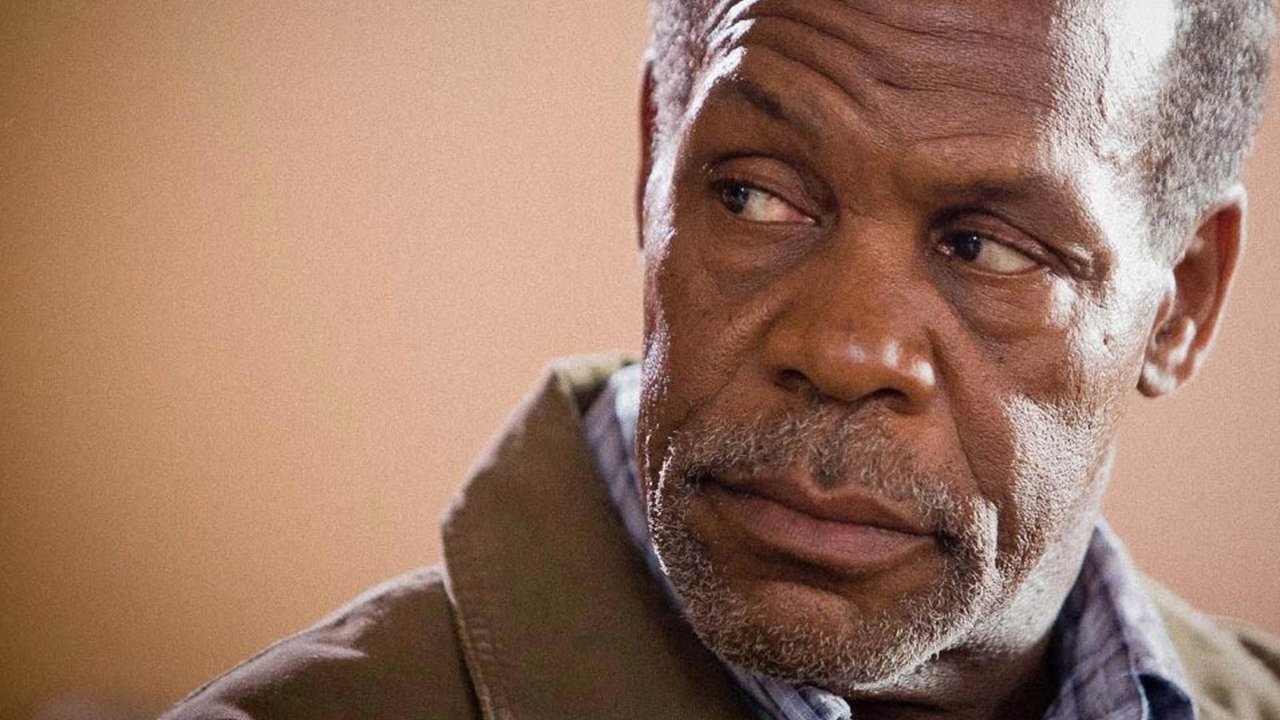
Here's where the story behind the screen casts a long, chilling shadow over the film itself. Switchback was Jeb Stuart's directorial debut, a chance to helm his own complex thriller after proving his mastery of the genre on paper. He envisioned a dark, character-driven piece, apparently delivering a longer, more intricate cut. However, tales from the time suggest Paramount Pictures wasn't satisfied. The studio reportedly wrested control in post-production, significantly re-editing the film to, presumably, make it more commercially palatable or straightforward. Stuart ultimately disowned the theatrical cut. Knowing this adds a layer of intrigue and perhaps explains some of the film's perceived disjointedness or underdeveloped threads. You watch certain scenes, certain character beats that feel almost there, and can't help but wonder about the shape of the film Stuart originally intended. The final product grossed a mere $6.5 million against a hefty $38 million budget (that's roughly $70 million today!), suggesting the studio's tinkering didn't exactly salvage its commercial fate.
Faces in the Cold
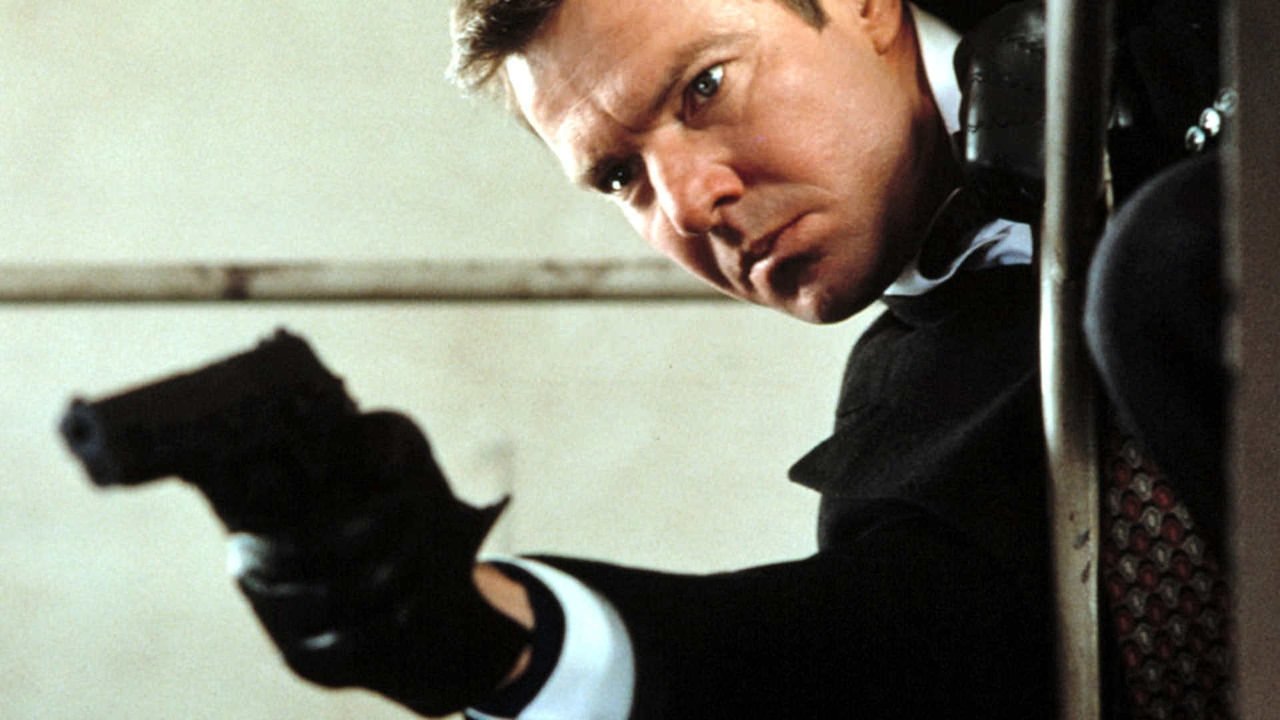
Despite the potential turmoil behind the scenes, the cast delivers compelling work amidst the stark setting. Dennis Quaid, lean and haunted, embodies LaCrosse’s desperation. It’s not a showy performance, but a tightly wound portrayal of grief and obsessive drive. Danny Glover is fascinating as Bob Goodall, radiating an easy charm that feels increasingly suspect as the narrative coils tighter. It’s a role that plays with Glover's established screen persona, keeping the audience guessing. Jared Leto, even early in his career, brings an enigmatic quality to the hitchhiker, caught between vulnerability and something harder to read. And alongside R. Lee Ermey, the presence of Ted Levine (forever etched in our minds as Buffalo Bill from The Silence of the Lambs) as Deputy Nate Booker adds another shade of potential menace to the small-town dynamics. The casting feels like a deliberate effort to populate this cold world with faces capable of harboring dark secrets.
Atmosphere Over Acceleration
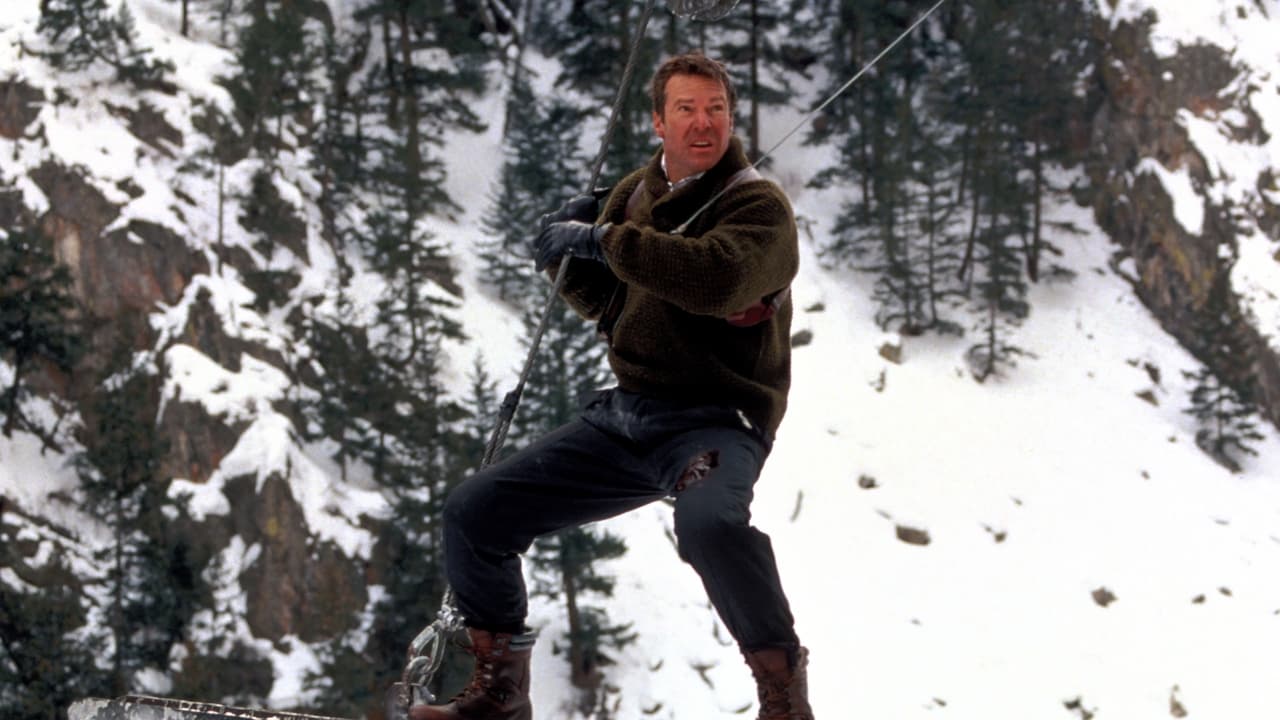
Where Switchback succeeds most is in its pervasive sense of place and mood. Stuart and cinematographer Oliver Wood (who later shot the Bourne trilogy) make palpable the biting cold and isolating beauty of the Rockies. The snow isn't just scenery; it's an antagonist, muffling sound, obscuring tracks, trapping characters both physically and emotionally. The film often favors atmosphere over breakneck pacing, letting the tension build through suspicion and circumstance rather than constant action. Remember those late-90s thrillers that weren't afraid to breathe a little, to let the dread settle in? Switchback feels like a product of that specific moment, before hyper-editing became the default. The score, by Basil Poledouris (RoboCop, Conan the Barbarian), underlines the desolation effectively, avoiding bombast for something more mournful and suspenseful.
The Unraveling Road
[Minor Spoilers Ahead regarding the plot structure, not the killer's identity]
The central mystery – who is the killer? – is the engine driving the plot, using misdirection and the intersecting storylines to keep viewers off-balance. However, likely due to the aforementioned editing woes, the eventual reveal and the mechanics leading up to it can feel somewhat convoluted or perhaps less impactful than intended. Some plot points feel introduced and then sidelined, character motivations occasionally blur, and the final confrontation, while tense, might not satisfy those seeking a truly mind-bending twist. It feels like the intricate pieces of Stuart's original puzzle were perhaps shuffled and forced into a slightly simpler, yet less coherent, picture.
[Spoilers End]
Watching Switchback today is an interesting experience. It took me right back to browsing the thriller section at Blockbuster, picking up a tape based on the cool cover art and the strong cast, hoping for the next great nail-biter. It wasn't quite The Fugitive on ice, but it wasn't easily dismissed either. There's an earnestness to its construction, a commitment to its bleak tone, and a core mystery that, despite its flaws, holds your attention through the snowdrifts. It feels like a film reaching for something complex and perhaps getting lost somewhere along that treacherous mountain pass.

VHS Heaven Rating: 6/10
The Score Explained: Switchback earns points for its palpable atmosphere, strong core cast (Quaid, Glover, Leto, Ermey, Levine), and the inherent intrigue of its premise. The snowy setting is used to great effect, creating a genuine sense of isolation and dread. However, it loses points for a narrative that feels compromised and occasionally clumsy, likely stemming from the troubled post-production history and studio interference that Jeb Stuart himself lamented. The pacing can drag, and the payoff doesn't quite match the build-up.
Final Thought: A flawed but fascinating artifact of late-90s thriller filmmaking, Switchback remains compelling viewing primarily for its chilling atmosphere and the "what if" surrounding its director's original vision. It’s a stark reminder that sometimes the most dangerous switchbacks happen not on mountain roads, but in the editing bay.