It wasn't the neon glow or the synthesized score that usually drew us to the rental store shelves in 1988. Instead, it was often the familiar face on the cover. And seeing Michael Keaton on the box for Clean and Sober, fresh off the manic energy of Beetlejuice released the very same year, might have set certain expectations. A slick comedy, perhaps? Another fast-talking charmer getting into scrapes? What unfolded on screen, however, was something far removed, something unexpectedly raw and deeply sobering. It was a film that didn't just ask for your attention; it demanded your empathy.
### Beyond the Punchline
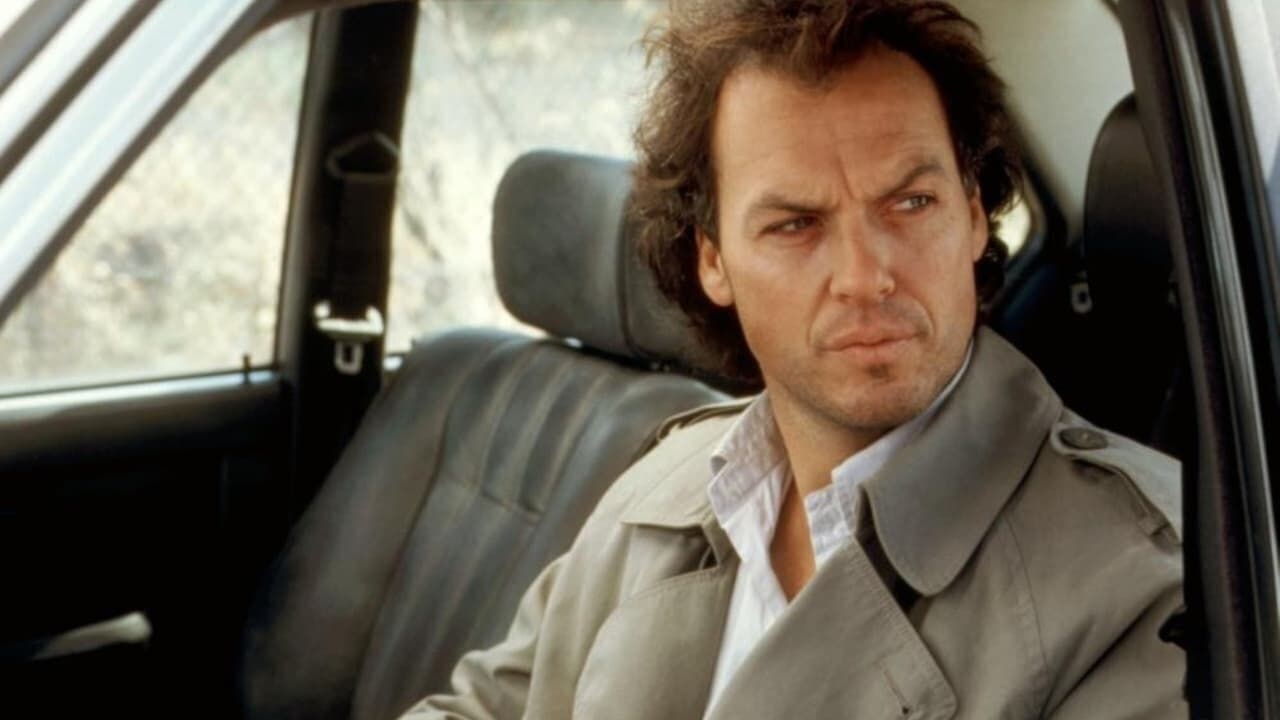
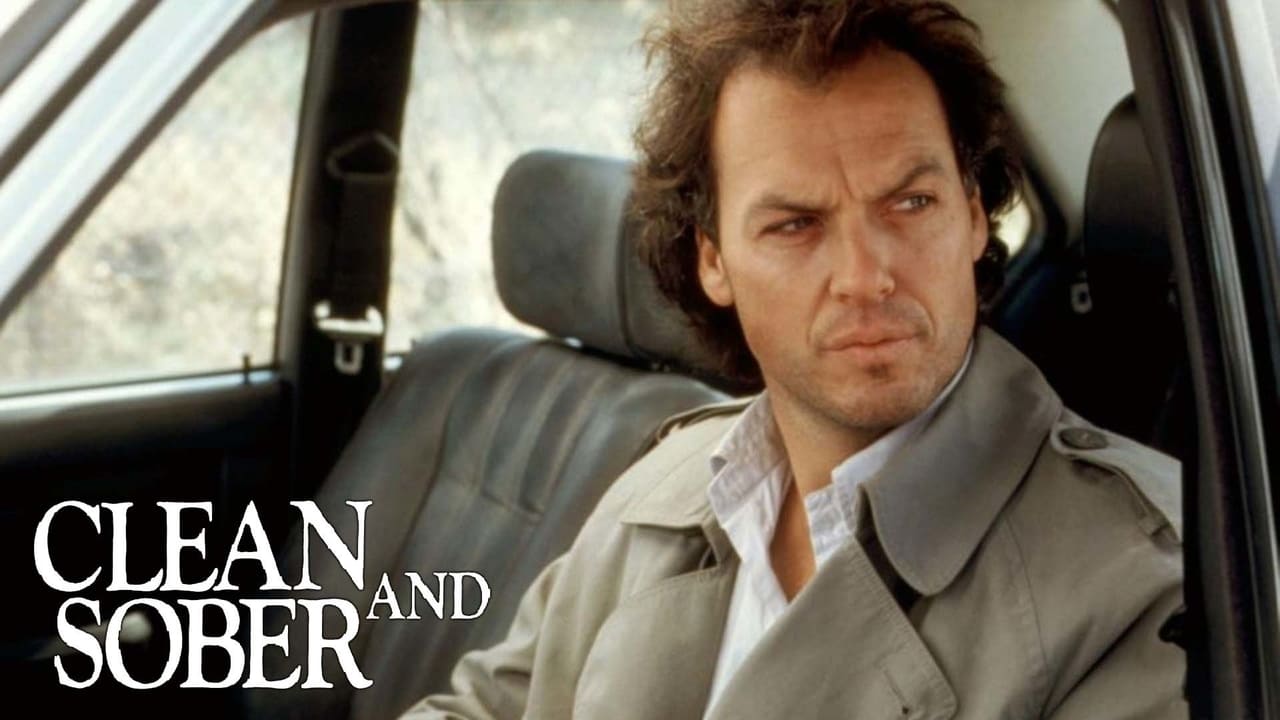
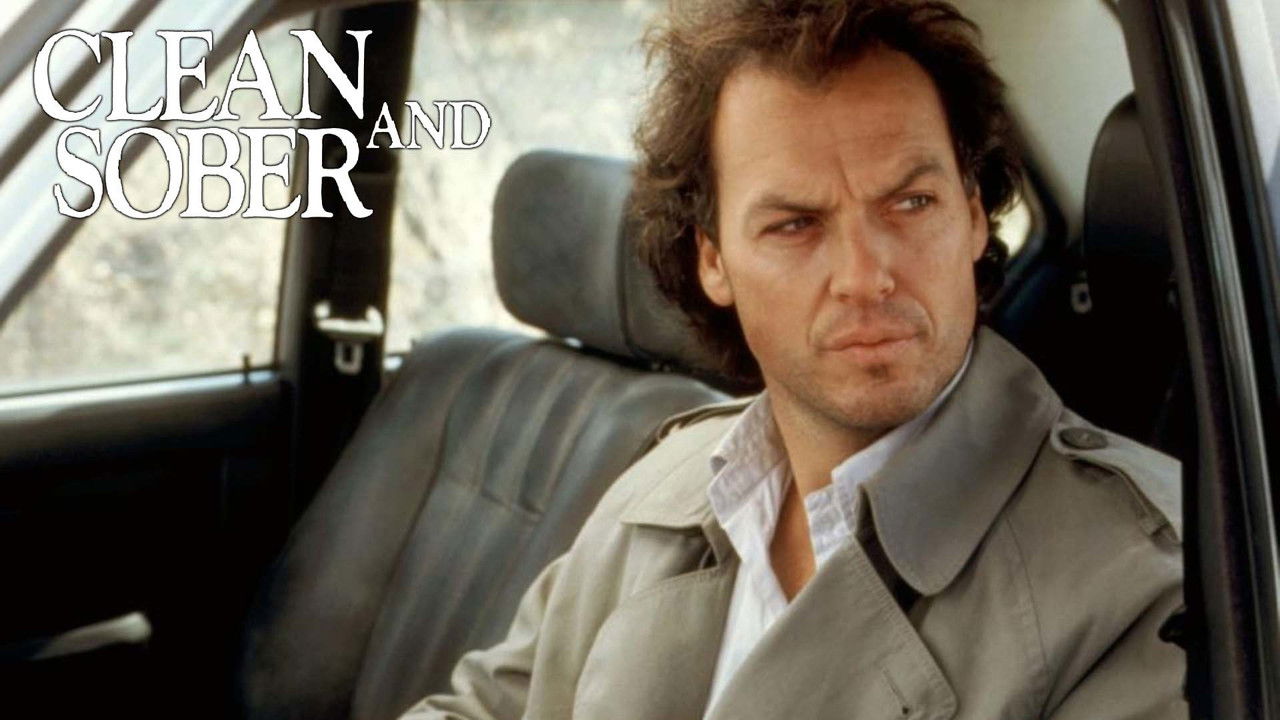
The central force of Clean and Sober is, without question, Michael Keaton's portrayal of Daryl Poynter. Poynter isn't just flawed; he's a high-functioning disaster zone – a successful real estate agent embezzling funds to feed a cocaine addiction, waking up next to a woman who has overdosed, and desperately needing a place to hide from the consequences. The rehab facility becomes his temporary sanctuary, initially entered under false pretenses purely as a means of escape.
What makes Keaton’s performance so compelling, and frankly, brave for the time, is his refusal to sand down Daryl's sharp edges. He is manipulative, arrogant, deeply selfish, and initially views the entire recovery process with contemptuous cynicism. Yet, beneath the bravado, Keaton masterfully reveals flickers of panic, vulnerability, and a dawning, terrifying self-awareness. It’s not a sudden saintly transformation; it’s a grueling, incremental stripping away of defenses. We don't necessarily like Daryl for much of the film, but Keaton makes us understand his desperate, flailing humanity. It remains one of the most significant dramatic turns by a primarily comedic actor in that era, proving his range extended far beyond quick wit and rubber-faced antics. Remember, this was before his iconic turn in Batman (1989) would further solidify his star power.
### The Harsh Light of Honesty
Director Glenn Gordon Caron, known then primarily for the stylish TV hit Moonlighting, resisted any temptation to glamorize addiction or recovery. The film, penned with unflinching honesty by Tod Carroll (who drew from personal experiences), presents the rehab center not as a spa retreat, but as a place of stark confrontations and difficult truths. The group therapy sessions feel uncomfortably authentic, capturing the awkwardness, the shared pain, and the fragile beginnings of connection among the patients.
There's a distinct lack of melodrama. The film trusts the inherent drama of the situation and the power of its performances. The look is deliberately muted, almost documentary-like in feel at times, grounding the story in a reality far removed from the typical glossy sheen of late-80s Hollywood. This commitment to realism is what gives the film its enduring power. It doesn’t offer easy answers or quick fixes, reflecting the long and often non-linear path of recovery itself.
### Anchors in the Storm
While Keaton carries the film, the supporting cast provides crucial anchors. Kathy Baker is simply heartbreaking as Charlie Standers, another patient grappling with addiction and a toxic relationship. Her chemistry with Keaton is complex and believable – two damaged people tentatively reaching for connection, uncertain if they're helping or hindering each other. Baker brings a quiet strength and profound sadness to the role, earning deserved critical acclaim.
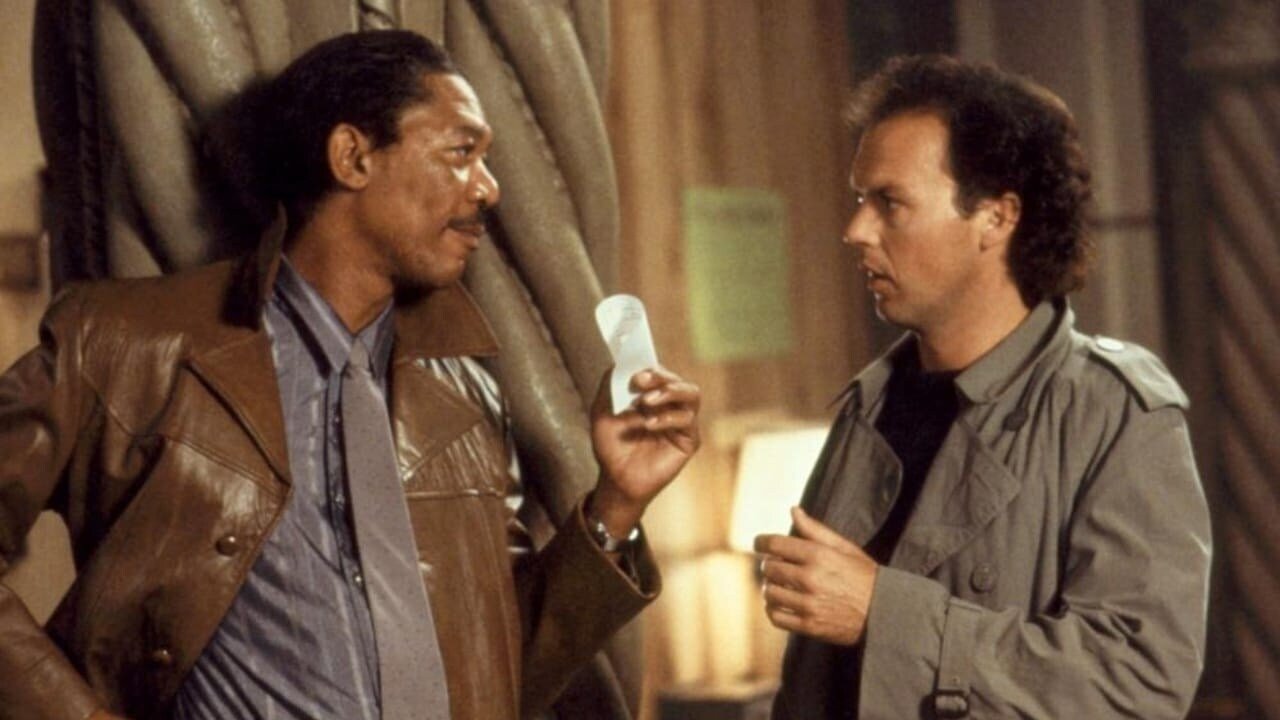
And then there's Morgan Freeman as Craig, the rehab counselor. Even in a relatively contained role, Freeman exudes that signature gravitas and weary wisdom that would soon make him one of cinema's most respected actors. Craig is tough but compassionate, a former addict himself who sees right through Daryl's manipulations. His straightforward, no-nonsense approach provides a moral center and a representation of the hard-won stability that recovery can offer. Freeman's scenes with Keaton are electric, showcasing two masters at work. It’s fascinating to think this was just before his career surged even higher with films like Driving Miss Daisy (1989) and Glory (1989).
### Retro Fun Facts: Against the Grain
It's worth remembering how Clean and Sober stood out in 1988. Produced for around $13 million, it wasn't a massive blockbuster (grossing about $8.7 million domestically), but it earned significant critical respect, particularly for Keaton. Its unflinching portrayal of cocaine addiction felt timely and urgent, cutting through the era's "Just Say No" simplicity to show the messy, difficult reality. The script reportedly underwent significant research, with Carroll aiming for authenticity above all else. It wasn't necessarily the feel-good hit of the summer, but I recall renting this tape, perhaps initially drawn by Keaton, and being genuinely moved and unsettled by its honesty. It lingered long after the VCR clicked off.
### Lasting Echoes
Does Clean and Sober feel dated? Perhaps in some surface details – the fashion, the cars. But the core themes – addiction, denial, the painful climb towards self-acceptance, the search for connection – are timeless. The film doesn't preach; it observes. It presents its characters, flaws and all, and asks us to witness their struggle. What does Daryl's journey ultimately say about the capacity for change, even when hitting rock bottom? It’s a question that resonates long after the credits roll.
Rating: 8.5/10
This score reflects the film's powerful, career-defining performance from Michael Keaton, the strong supporting cast led by Kathy Baker and Morgan Freeman, and its commendably raw and honest treatment of a difficult subject. It avoids easy sentimentality, offering a mature and impactful drama that felt like a necessary counterpoint to the era's more escapist fare.
Clean and Sober remains a potent reminder that sometimes the most compelling stories aren't found in explosions or chase scenes, but in the quiet, desperate battle fought within the human heart. A truly significant piece of late-80s drama well worth revisiting.