Some films don't just tell a story; they confront you, lodging themselves deep within your consciousness long after the static hiss of the VCR fades. Shōhei Imamura's 1983 masterpiece, The Ballad of Narayama (楢山節考, Narayama Bushikō), is undeniably one of those films. It presents a vision of life so raw, so stripped of modern comforts and sentiments, that it forces a profound contemplation of survival, tradition, and the very essence of what it means to be human within the indifferent embrace of nature. Seeing this on a grainy television screen back in the day, perhaps rented from the "Foreign Films" section of a more adventurous video store, felt like uncovering a hidden, challenging truth.
### Life at the Edge
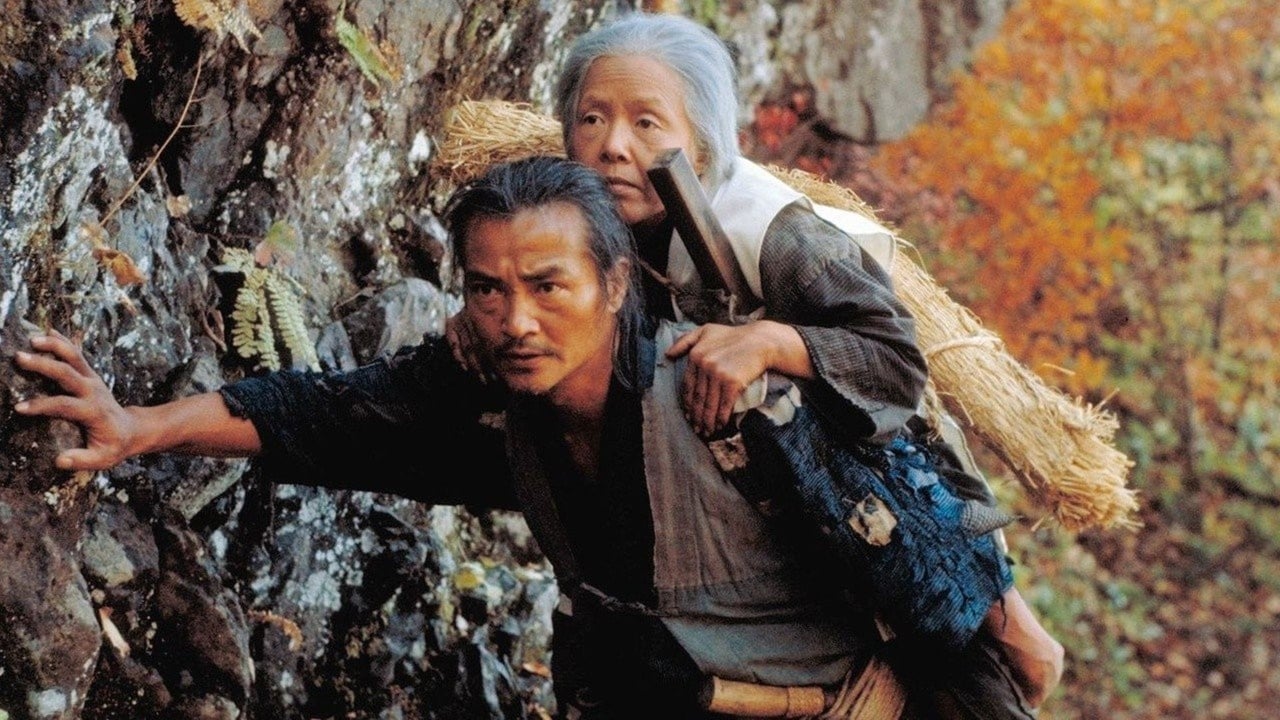
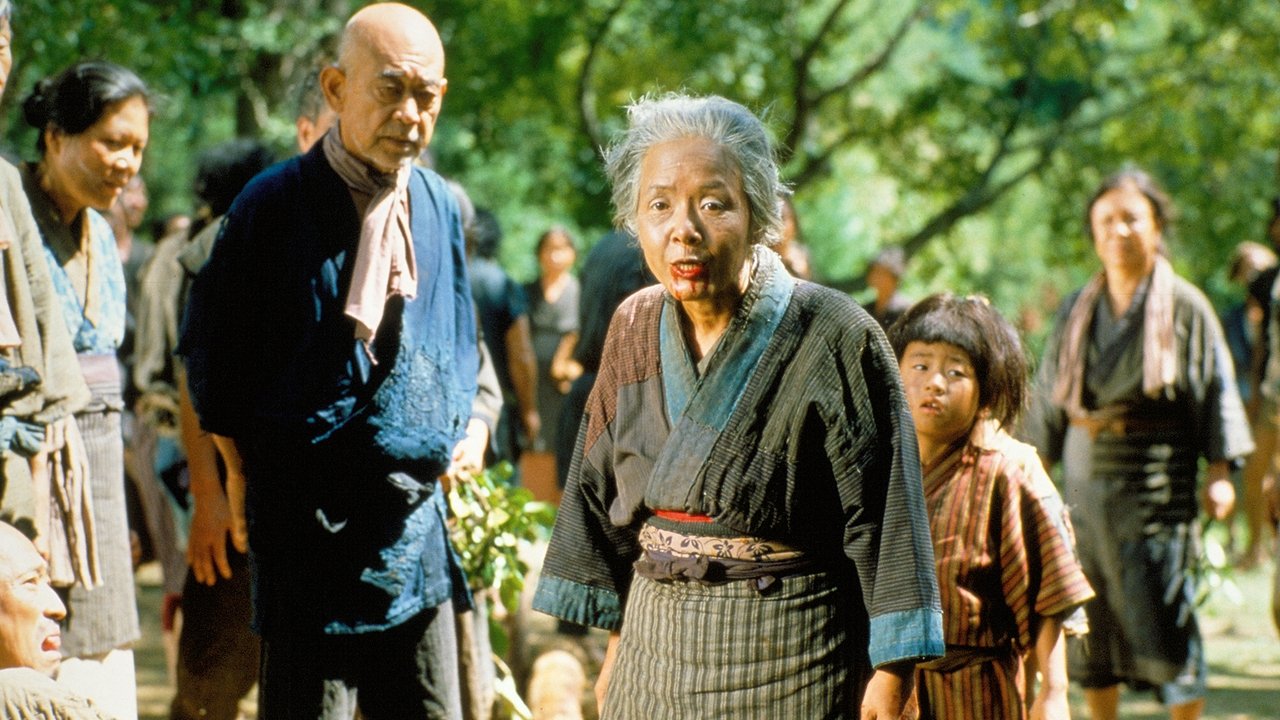
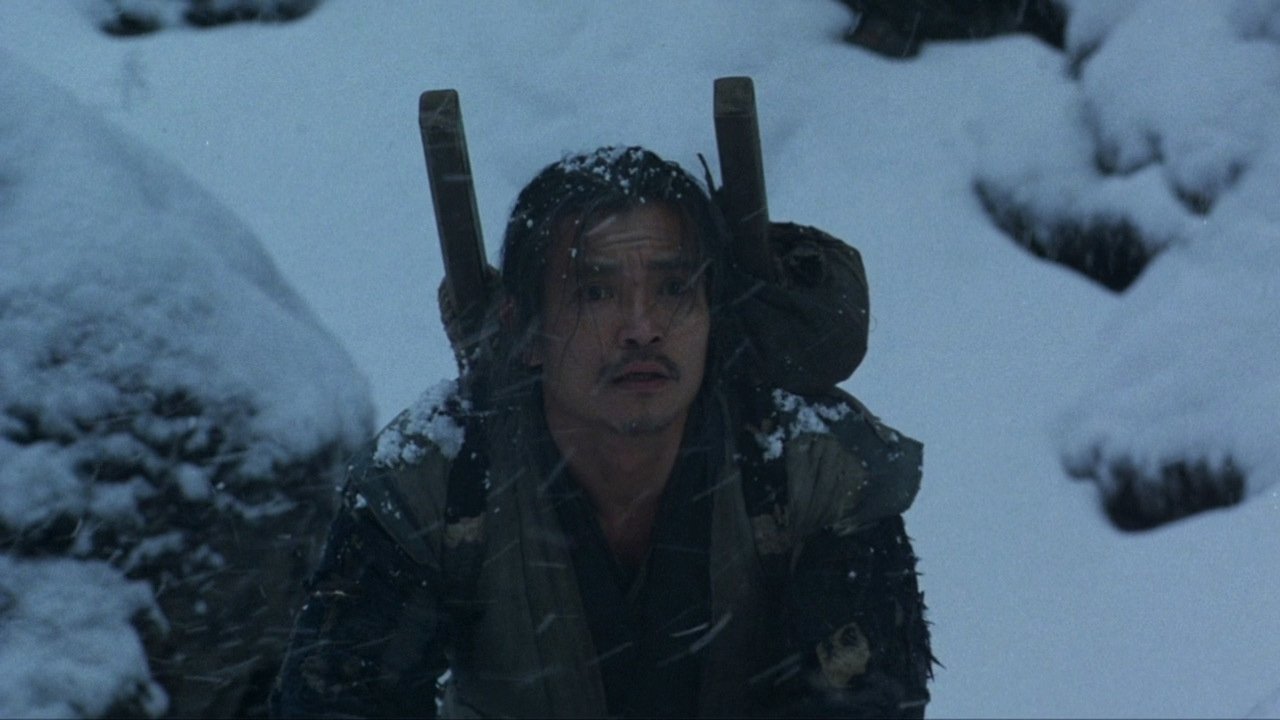
The film transports us to a remote, impoverished village in 19th-century Japan, governed by brutal necessity. Here, resources are perilously scarce, and life is a constant struggle against starvation. The narrative orbits around an ancient, chilling custom known as ubasute: when villagers reach the age of 70, they must be carried by their eldest son to the summit of Mount Narayama and left to die, a sacrifice ostensibly made for the community's survival. This stark premise isn't presented with melodrama, but with a startling, almost ethnographic detachment that makes its impact even more profound. Imamura, known for his unflinching portrayals of Japan's underbelly (a distinct voice from his contemporaries in the Japanese New Wave), immerses us completely in this harsh reality. We witness the village's primal rhythms – births, deaths, desperate acts of theft, and moments of stark, unadorned intimacy – all unfolding under the shadow of the sacred mountain.
### Orin's Grace Under Pressure
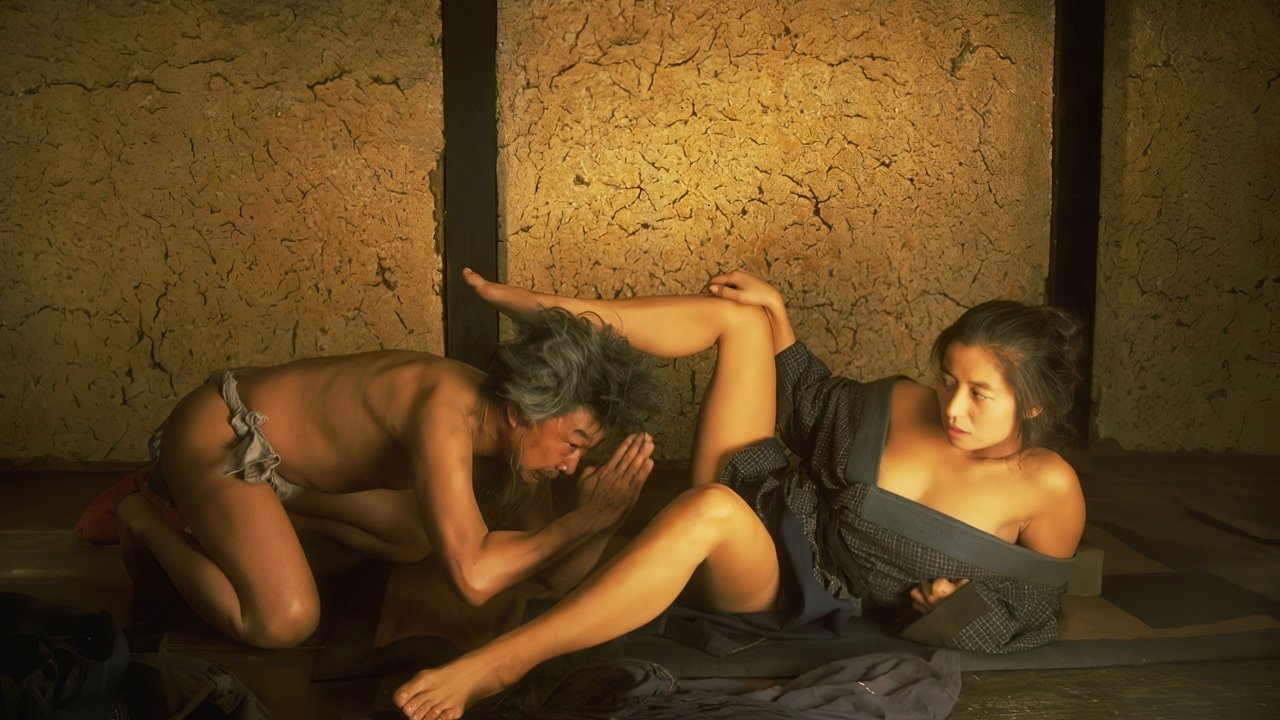
At the heart of this bleak world is Orin, played with astonishing power and dignity by Sumiko Sakamoto. Orin is approaching her 70th year, and rather than resisting her fate, she accepts it with a quiet determination that is both heartbreaking and awe-inspiring. She spends her final year meticulously putting her family's affairs in order, ensuring they can survive without her. Sakamoto's performance is a masterclass in physicality and emotional depth. She embodies Orin's resilience, her practicality, and her unwavering adherence to tradition, even when it demands the ultimate sacrifice. There's a now-famous story about Sakamoto actually having healthy teeth removed to authentically portray Orin's self-inflicted preparation for the journey (knocking out teeth was seen as a sign of robust health, inappropriate for one nearing their end). It speaks volumes about the commitment involved in bringing this character and this world to life with such painful honesty. Her acceptance starkly contrasts with the emotional turmoil of her devoted son, Tatsuhei (Ken Ogata, bringing a soulful gravity), who grapples with the unbearable duty tradition imposes upon him.
### Imamura's Unflinching Eye
Shōhei Imamura, who adapted the screenplay from Shichirō Fukazawa's novel (itself the basis for Keisuke Kinoshita's more stylized 1958 film), directs with a vision that is both brutal and beautiful. He refuses to romanticize poverty or sentimentalize death. The camera often observes with a patient, almost detached curiosity, capturing both the shocking cruelty villagers inflict on each other (driven by desperation) and the breathtaking beauty of the surrounding landscape. This juxtaposition is key: life is visceral, often ugly, yet it unfolds within a natural world of stunning, indifferent majesty. It’s little wonder the film earned Imamura the prestigious Palme d'Or at the 1983 Cannes Film Festival; its artistry is as undeniable as its subject matter is challenging. The director doesn't shy away from graphic depictions of sex and violence, but these moments feel integral, part of the raw cycle of existence in this isolated community, rather than gratuitous shocks.
### Nature as Witness
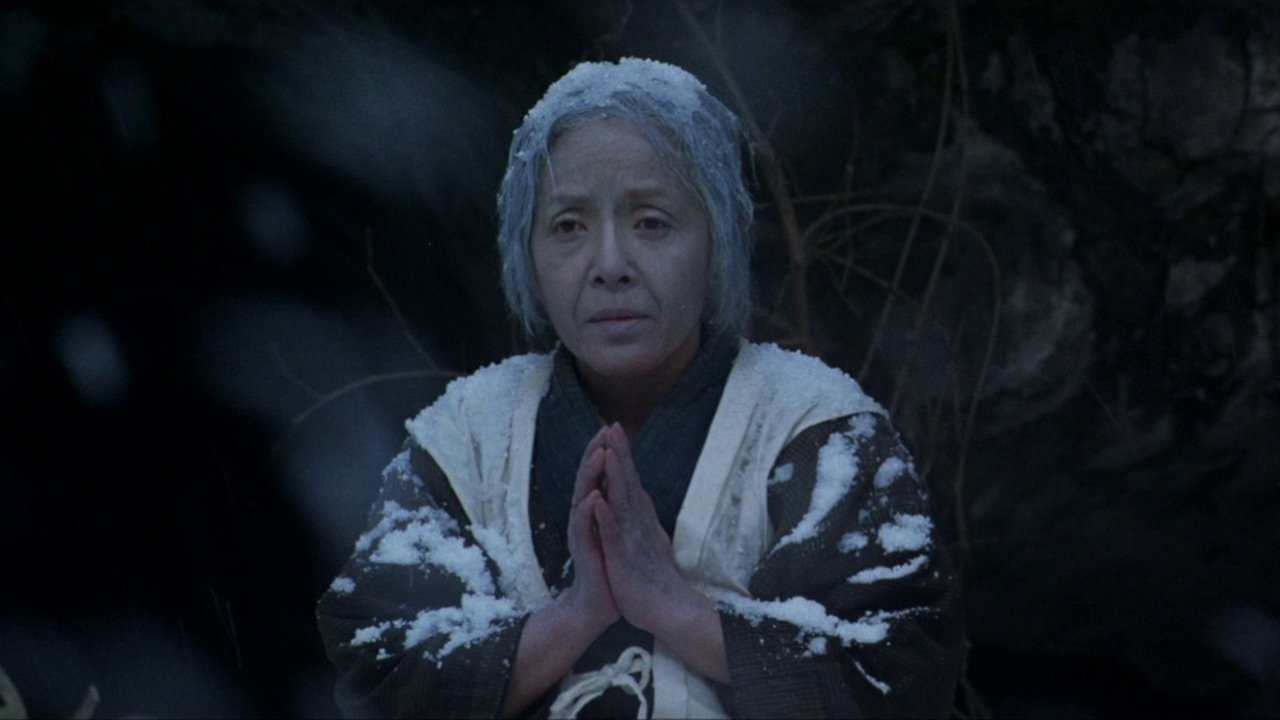
The natural world in Narayama isn't just a backdrop; it's an active participant, a silent observer. We see animals mating, hunting, and dying, mirroring the primal struggles of the human characters. The changing seasons mark the passage of time, leading inexorably towards Orin's final winter journey. The cinematography captures the lush greens of summer, the vibrant hues of autumn, and the stark, unforgiving white of winter with equal clarity. Does the indifference of nature make the human drama seem insignificant, or does it highlight the extraordinary resilience required to simply endure? The film leaves you pondering this very question.
### Legacy Beyond the Tape
Finding The Ballad of Narayama during the VHS era often meant seeking it out. It wasn't the kind of film typically found nestled between the latest action blockbusters. Perhaps it was discovered on a specialty label like Toho Video or via late-night broadcasts on channels daring enough to show challenging international cinema. Experiencing its stark power on a flickering CRT screen, far removed from the multiplex, felt like a significant cinematic discovery – a window into a different world and a different mode of storytelling. It reminds us that cinema can be more than entertainment; it can be a profound, sometimes uncomfortable, exploration of the human condition.
---
Rating: 9/10
The Ballad of Narayama is a demanding but deeply rewarding cinematic experience. Its power lies in its unflinching honesty, the unforgettable performance by Sumiko Sakamoto, and Imamura's masterful direction that blends stark realism with breathtaking natural beauty. It doesn't offer easy answers, but its exploration of life, death, and tradition is rendered with such artistic integrity that it achieves a haunting, undeniable grace. It’s a film that earns its place not just as a Palme d'Or winner, but as a timeless, unsettling masterpiece that challenges viewers even decades later.
What stays with you most isn't just the harshness of the ubasute custom, but the quiet dignity with which Orin faces it, forcing us to reflect on our own relationship with mortality and the ties that bind us.