Sometimes, tucked away in the 'World Cinema' corner of the video rental store, past the gleaming action heroes and neon-drenched comedies, you'd find something unexpected. A plain cover, a foreign title, hinting at a story far removed from the usual blockbuster fare. Discovering Seijirō Kōyama's 1987 film Hachikō Monogatari (often simply known as Hachiko) felt like uncovering such a treasure – a quiet, profoundly moving story that asks a simple, yet immense question: what is the depth of loyalty, and can it transcend even death?
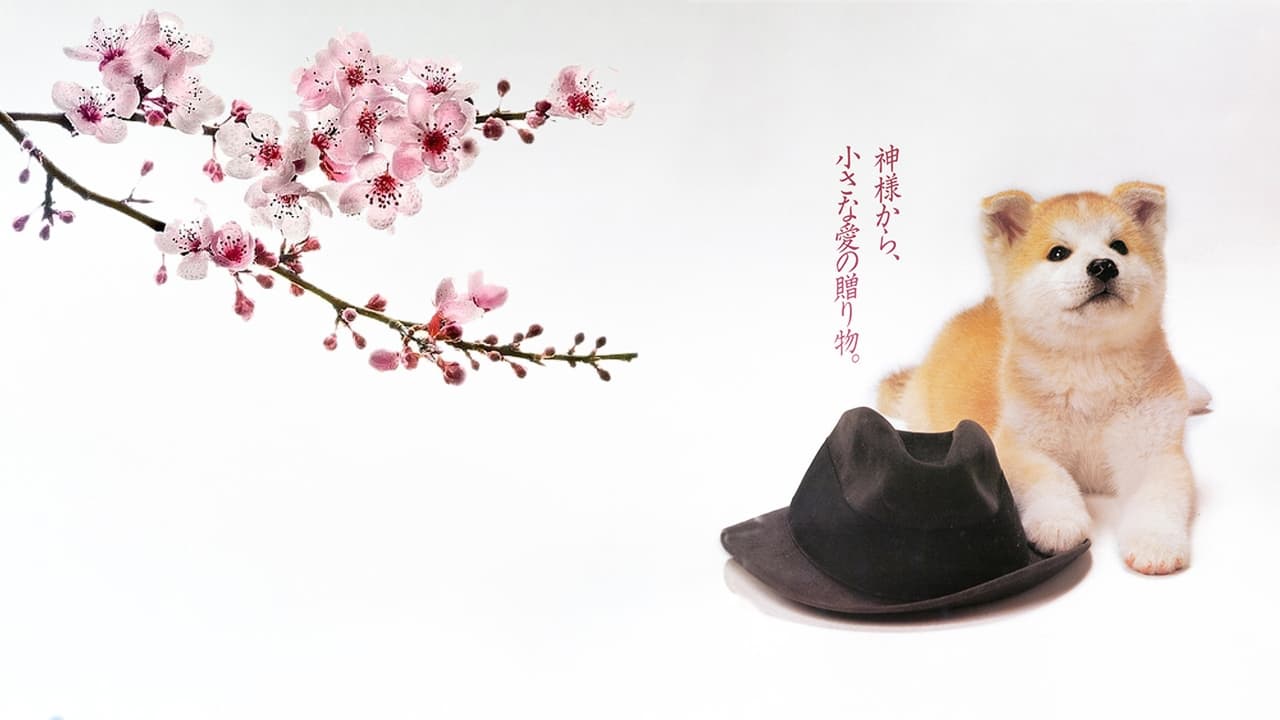
This isn't a film driven by intricate plotting or explosive set pieces, staples of so much 80s cinema we fondly remember. Instead, it draws its immense power from patience, observation, and an unwavering focus on the bond between Professor Hidesaburō Ueno and the Akita dog he names Hachi. It’s a narrative built on small moments, daily rituals, and the unspoken understanding that develops between man and animal.
A Tale Etched in Truth
What gives Hachikō Monogatari its staggering emotional weight is, of course, its basis in fact. The story of the real Hachikō, who waited daily at Shibuya Station in Tokyo for his deceased master for nearly a decade until his own death in 1935, is legendary in Japan. Knowing this isn't just trivia; it fundamentally shapes the viewing experience. We aren't just watching a well-crafted drama; we're witnessing a cinematic interpretation of an almost unbearably poignant reality. Director Kōyama and veteran screenwriter Kaneto Shindō (a legend himself, known for stark classics like Onibaba (1964) and Kuroneko (1968)) wisely avoid melodrama. They trust the inherent power of the story, allowing the simple, heartbreaking truth of Hachikō's devotion to resonate.
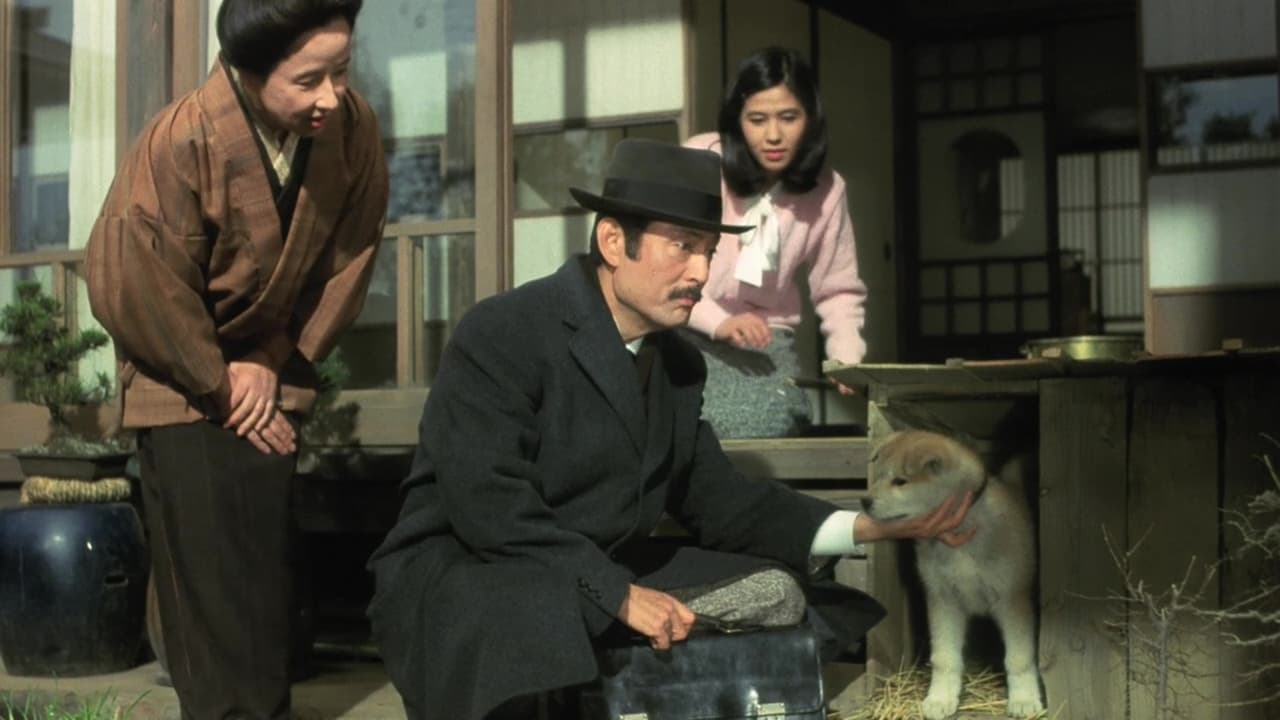
The film was a phenomenon in its home country, becoming the highest-grossing domestic film in Japan for 1987. Imagine that – in an era leaning towards spectacle, this gentle, character-focused drama captivated a nation. It speaks volumes about the universal appeal of its core themes and the cultural significance of Hachikō himself, whose statue remains a beloved meeting point at Shibuya Station.
Quiet Dignity, Unspoken Love
Leading the human cast is the venerable Tatsuya Nakadai as Professor Ueno. Nakadai, a giant of Japanese cinema who graced masterpieces by Akira Kurosawa (like Ran (1985) and Kagemusha (1980)) and Masaki Kobayashi, brings a profound sense of warmth and quiet dignity to the role. His interactions with Hachi are never overly sentimental; they feel authentic, grounded in the gentle rhythms of companionship. We see Ueno’s initial reluctance melt into deep affection, conveyed through subtle gestures and Nakadai's expressive eyes. His performance is the anchor that makes Hachi's later vigil so devastatingly effective. Opposite him, Kaoru Yachigusa as his wife Shizuko provides a gentle, observant presence, her own quiet grief adding another layer to the unfolding tragedy.
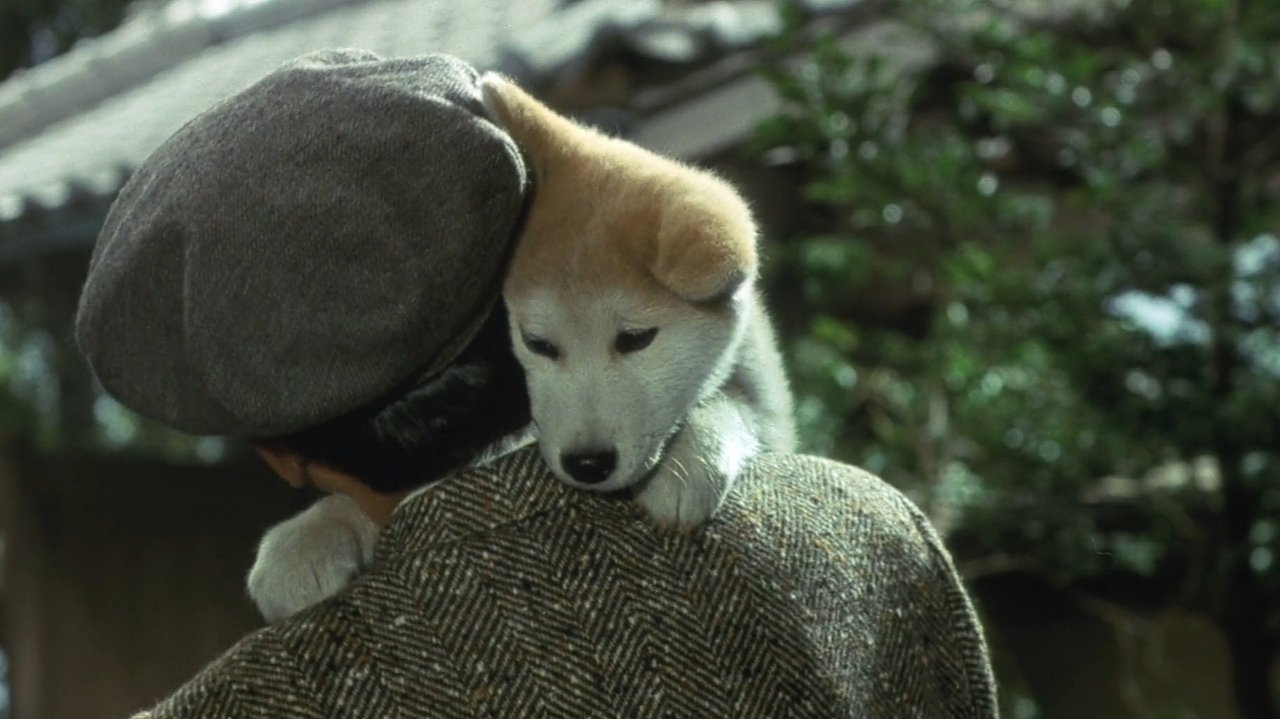

And then there's Hachi. Working with animal actors is notoriously difficult, but the dogs portraying Hachi across different stages of his life deliver remarkably expressive performances. It’s more than just training; the filmmakers capture moments that feel genuinely instinctual – a tilt of the head, a patient gaze, the unwavering loyalty that defines the character. The camera often stays low, aligning us with Hachi's perspective, emphasizing his world revolving around the professor and the train station.
An Atmosphere of Enduring Love and Loss
The film unfolds with a deliberate, unhurried pace, mirroring the passage of seasons and the steadfastness of Hachi's routine. The cinematography captures the beauty of the Japanese landscape and the changing urban environment around Shibuya Station, contrasting the permanence of Hachi's loyalty with the world moving on around him. There are no flashy directorial tricks; Kōyama lets the story breathe, allowing the emotional impact to build gradually, inevitably.
It’s a film that lingers long after the credits roll. It forces contemplation on the nature of grief, memory, and the profound connections we forge – not just with other humans, but with the animals who share our lives. Doesn't Hachi's unwavering dedication, even in the face of incomprehensible loss, reflect a purity of love that we, as humans, often struggle to maintain? It poses questions about what endures, what truly matters, in the quiet spaces left behind.
A VHS Gem Worth Seeking
While the 2009 American remake, Hachi: A Dog's Tale, brought this touching story to a wider international audience (and is a fine film in its own right), the original 1987 Japanese version possesses a unique cultural authenticity and a gentle, melancholic beauty that feels deeply rooted in its setting and time. Finding it on VHS back in the day, perhaps nestled between more bombastic titles, felt like uncovering a piece of cinematic soul. It wasn't about action or special effects; it was about feeling something profound and enduring.

Rating: 9/10
Hachikō Monogatari earns this high rating for its masterful, restrained storytelling, the deeply affecting performance by Tatsuya Nakadai, and its powerful emotional resonance rooted in a true story. It confidently avoids sentimentality, allowing the inherent poignancy of Hachikō's loyalty to deliver an unforgettable cinematic experience. Its deliberate pace might test some viewers accustomed to faster narratives, but its emotional depth is undeniable.
This film is a testament to the power of simple stories told with honesty and heart. It reminds us that sometimes the most profound narratives aren't shouted, but quietly observed, waiting patiently, just like Hachi at the station.