Okay, let's dim the lights, maybe pop some Jiffy Pop on the stove (carefully!), and settle in. We're dusting off a different kind of gem from the shelves of VHS Heaven today, one that trades explosions and high-concept sci-fi for the intricate, often awkward, dance of human relationships. We’re talking about Éric Rohmer’s 1982 film, A Good Marriage (Le Beau Mariage), a title that hangs in the air with a certain ironic weight the moment the credits roll.
Building Castles in France
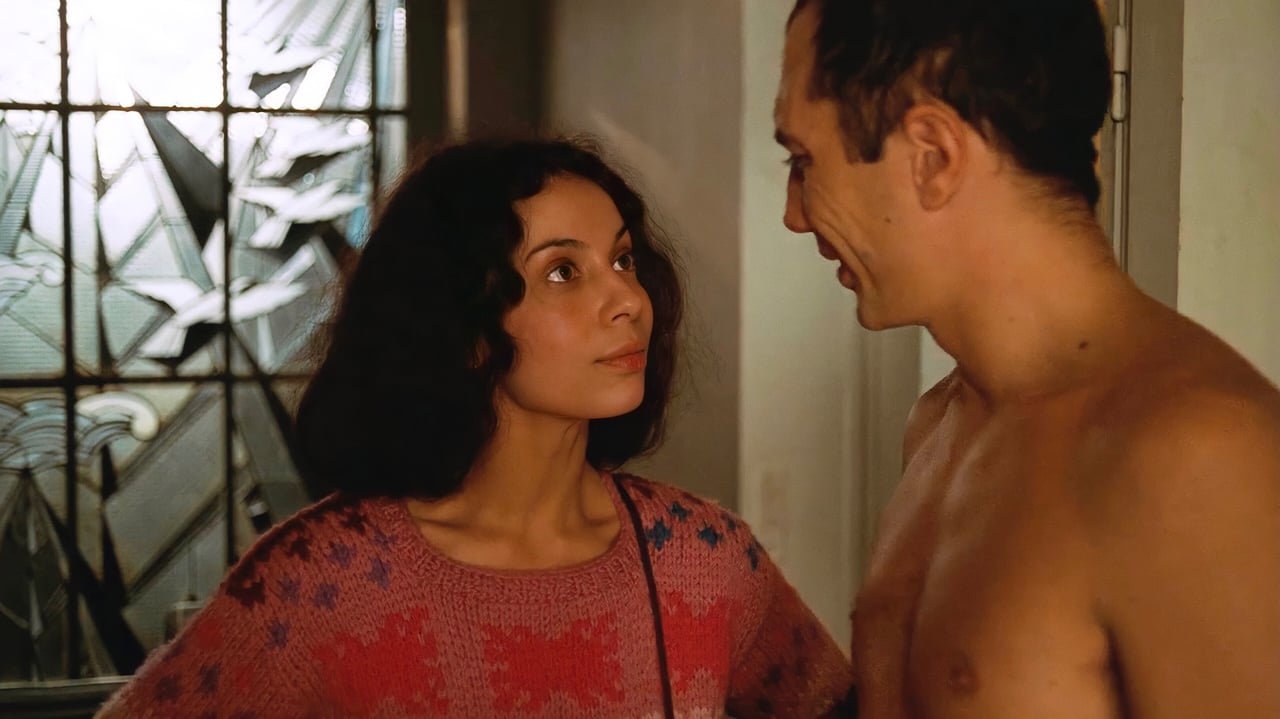
The film opens with a declaration as sudden and resolute as a slammed door. Sabine (Béatrice Romand), a young art history student juggling studies in Le Mans with a part-time job in Paris, announces she's done with unsatisfying affairs. Her solution? She's going to get married. Not to anyone specific, mind you, but the decision itself is paramount. It’s this abrupt certainty, this almost wilful blindness to practicalities, that sets the stage for Rohmer’s typically astute exploration of desire, self-perception, and the often-comical gap between our internal narratives and external realities. This film is the second in his "Comedies and Proverbs" series, each film illustrating a particular proverb. The one guiding A Good Marriage is wonderfully apt: "Quel esprit ne bat la campagne qui ne fait châteaux en Espagne?" – essentially, "Who doesn't daydream, building castles in Spain?"
The Determined Heart
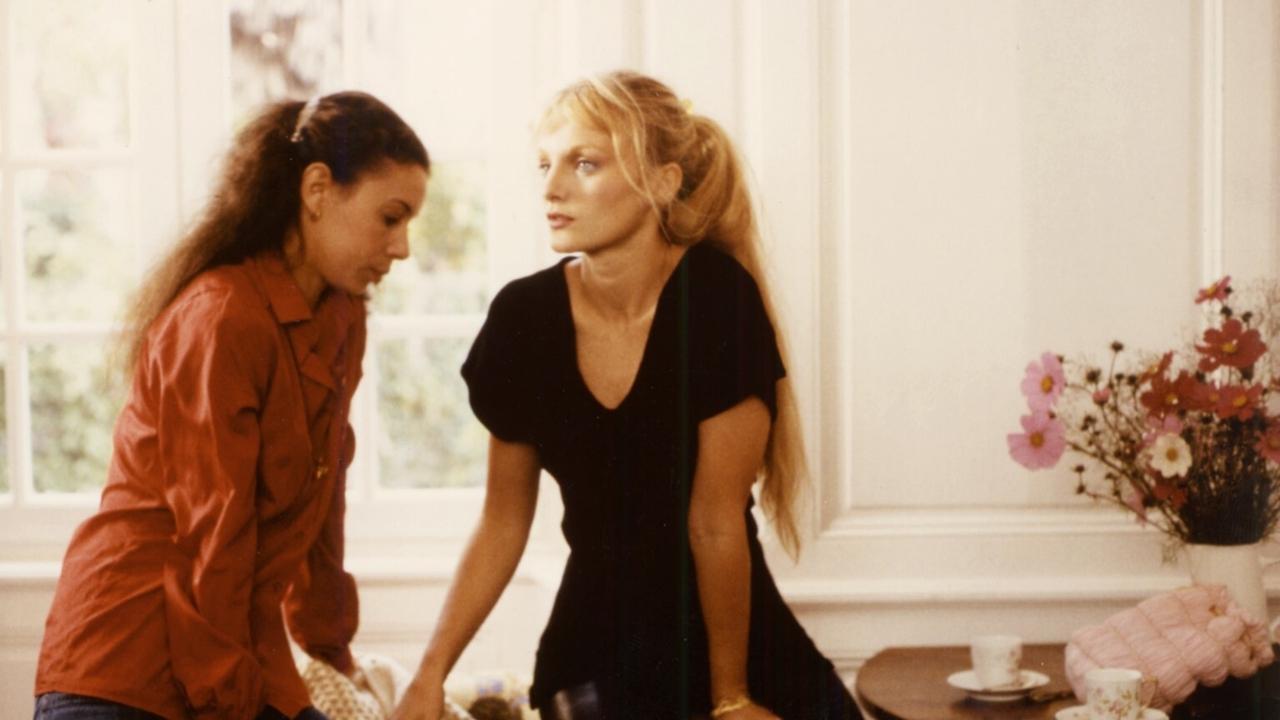
Sabine soon sets her sights on Edmond (André Dussollier), a handsome, successful, and crucially, available lawyer, the cousin of her best friend Clarisse (Arielle Dombasle, perfectly cast as the supportive but perhaps slightly naive confidante). What follows isn't a whirlwind romance, but rather Sabine's methodical, almost strategic campaign to make Edmond her husband. And it’s here that Béatrice Romand truly shines. She embodies Sabine not as a caricature of delusion, but as a complex young woman driven by a fierce, if perhaps misguided, conviction. Romand captures the subtle flickers of vulnerability beneath Sabine's assertive pronouncements, the way she interprets ambiguous signals as confirmation, the sheer force of will she exerts to bend reality to her desires. Is she frustrating? At times, absolutely. But Romand makes her undeniably human, relatable even in her stubbornness. We see her conviction, her hope, and the painful dawning of reality in glances and gestures as much as in Rohmer’s dialogue-rich script. I remember watching this years ago, perhaps rented from the slightly intimidating 'Foreign Films' section of the local video store, and being struck by how real Sabine felt, even when her choices seemed utterly baffling.
Rohmer's Quiet Realism
Éric Rohmer, a key figure lingering from the French New Wave, had a style all his own, particularly evident in his 80s work. Forget flashy camera moves or intrusive scores. Rohmer preferred a naturalistic approach: long takes that allow conversations to unfold organically, location shooting that grounds the story in tangible reality (the specific geography of Le Mans and Paris feels important), and an observational quality that makes you feel like you're simply watching life happen. He often worked with small crews and minimal artificial lighting, a practical necessity perhaps, but one that lends his films an intimacy and authenticity that feels miles away from the slick productions dominating the era. This wasn't a blockbuster spectacle; it was the kind of film that rewarded patience, drawing you into its world through nuanced character interactions and the slow accumulation of detail. You could almost smell the Gauloises and the rain on the Paris streets captured on that grainy VHS tape.
The Supporting Players
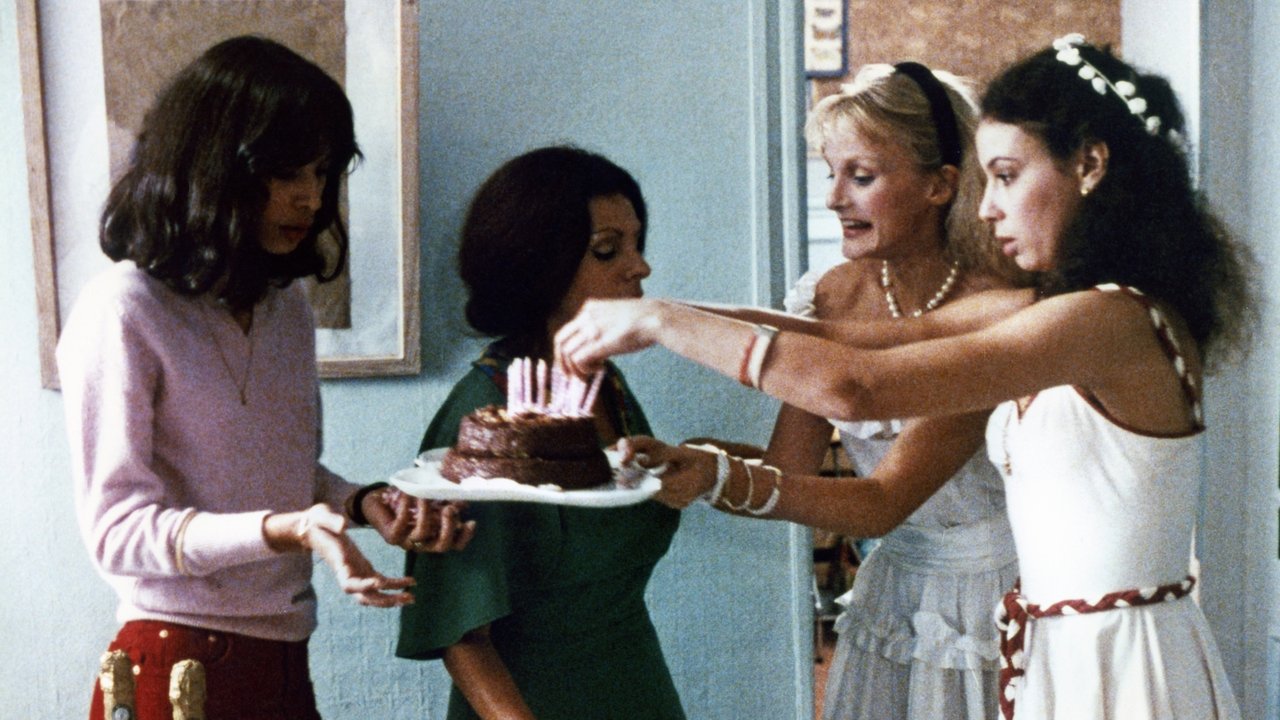
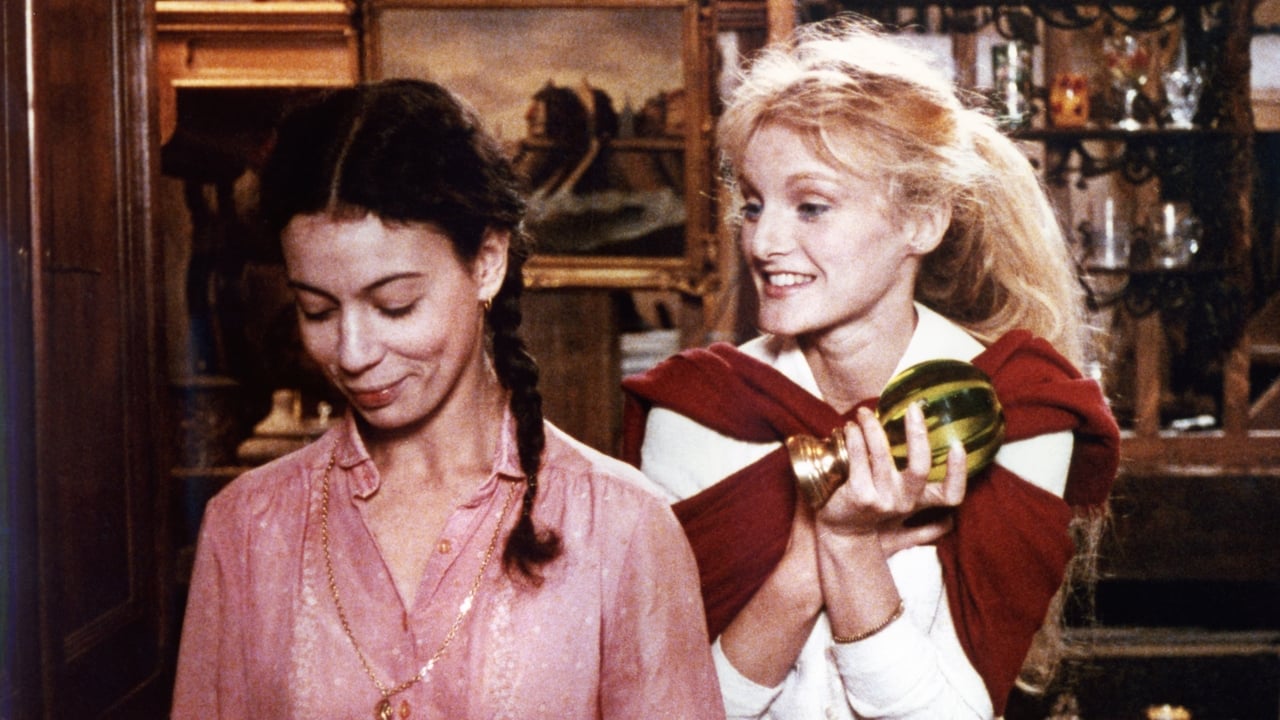
While Sabine drives the narrative, the supporting characters are crucial. André Dussollier as Edmond is pitch-perfect. He’s polite, charming, perhaps a bit reserved, giving away just enough to keep Sabine (and the audience) guessing, but never truly misleading her. His reactions – often subtle shifts in expression or slight hesitations – are masterful counterpoints to Sabine’s forward momentum. Arielle Dombasle’s Clarisse offers a different perspective, representing a more conventional, perhaps more comfortable, approach to relationships. The interactions between Sabine and these characters, and others she encounters, are where Rohmer subtly dissects social codes, expectations around love and marriage, and the ways we communicate (or fail to).
Why Build Castles?
Ultimately, A Good Marriage isn't just about one woman's determined pursuit of a husband. It raises broader questions. What is a "good marriage" anyway? Is it a pragmatic arrangement, a passionate union, or something else entirely? How much of our romantic lives are shaped by societal expectations versus genuine personal desire? And perhaps most poignantly, how often do we, like Sabine, construct elaborate "castles in Spain" based on hope and selective perception, only to find the foundations aren't quite as solid as we imagined? Rohmer doesn't offer easy answers, preferring instead to present the situation with clarity, wit, and a deep empathy for his characters' flaws and aspirations. It’s a film that lingers, prompting reflection long after the VCR whirs to a stop.
Rating & Final Thoughts
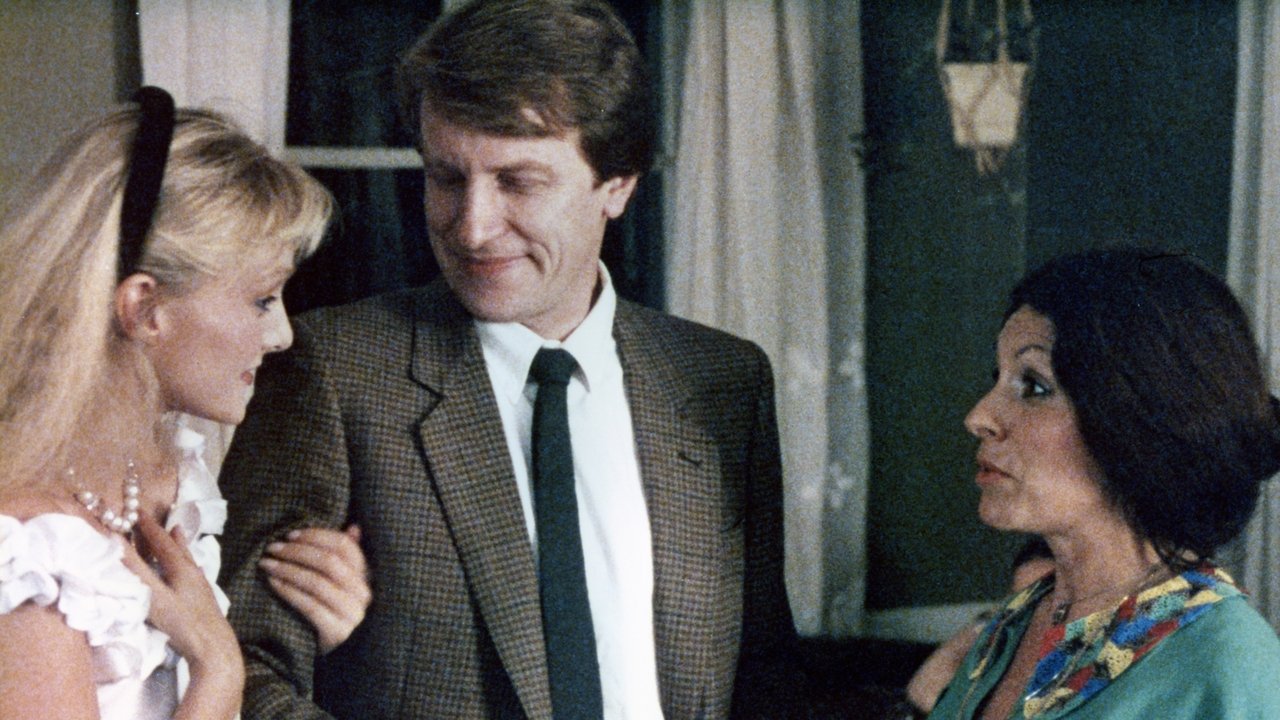
A Good Marriage is a prime example of Éric Rohmer's unique brand of cinematic introspection. It’s witty, intelligent, and deeply observant of human behaviour. Béatrice Romand gives a compelling central performance, navigating Sabine's complex blend of determination and self-deception with remarkable skill. While its deliberate pacing and focus on conversation might not appeal to those seeking fast-paced 80s action, for viewers who appreciate character-driven drama and subtle thematic exploration, it's a rewarding experience. It perfectly captures a certain kind of early 80s European sensibility, a world away from Hollywood but just as captivating on that flickering CRT screen.
Rating: 8/10
It earns this score for its masterful direction, superb lead performance, sharp script, and timeless exploration of relatable human desires and follies. It might be quieter than many VHS staples, but its insights resonate loudly. It leaves you pondering the delicate, often frustrating, architecture of our own hopes and expectations. What castles are we building?