Okay, fellow tape travelers, let’s dim the lights, maybe pour a glass of something comforting, and rewind to a Christmas movie that feels a little different from the usual tinsel-draped fare. Some holiday films hit you with instant, overwhelming cheer. Others, like 1985’s One Magic Christmas, take a more winding, sometimes shadowed path to find the light. It wasn't the blockbuster spectacle that defined the mid-80s, but for those of us who caught it on a worn VHS or a fuzzy TV broadcast, it etched itself into memory with its unique blend of everyday struggle and ethereal hope.
### More Than Just Mistletoe
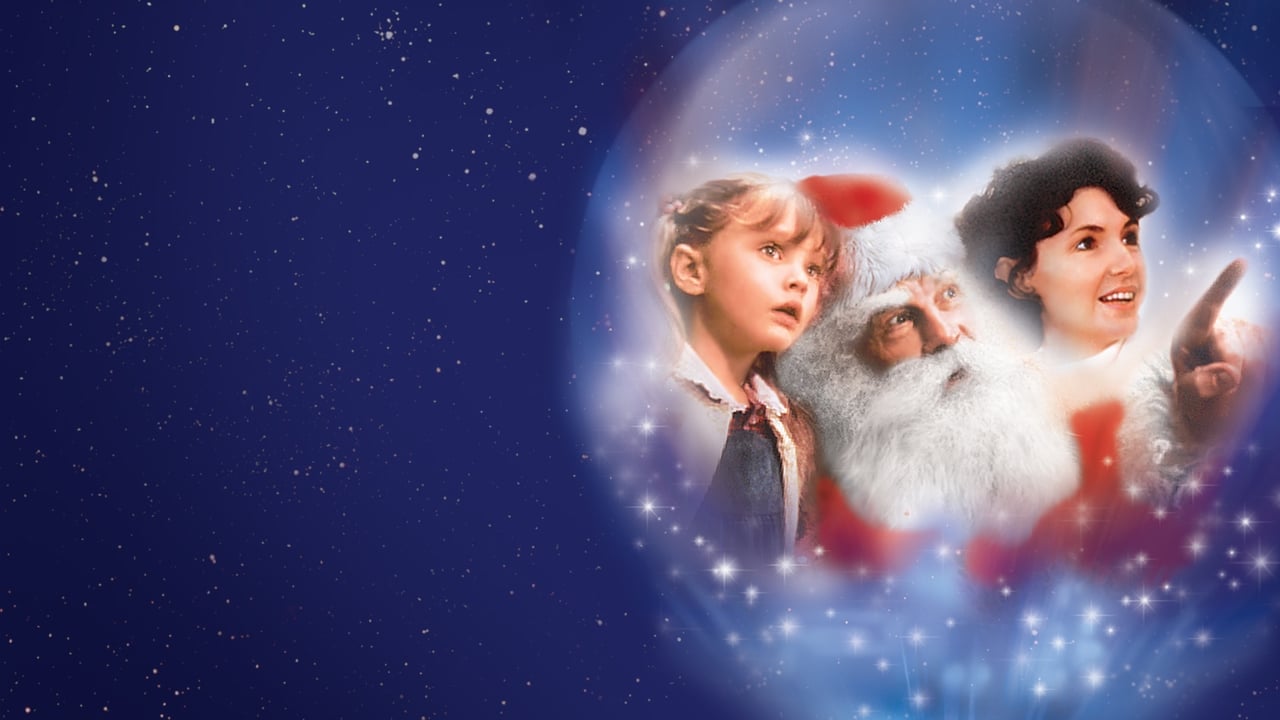
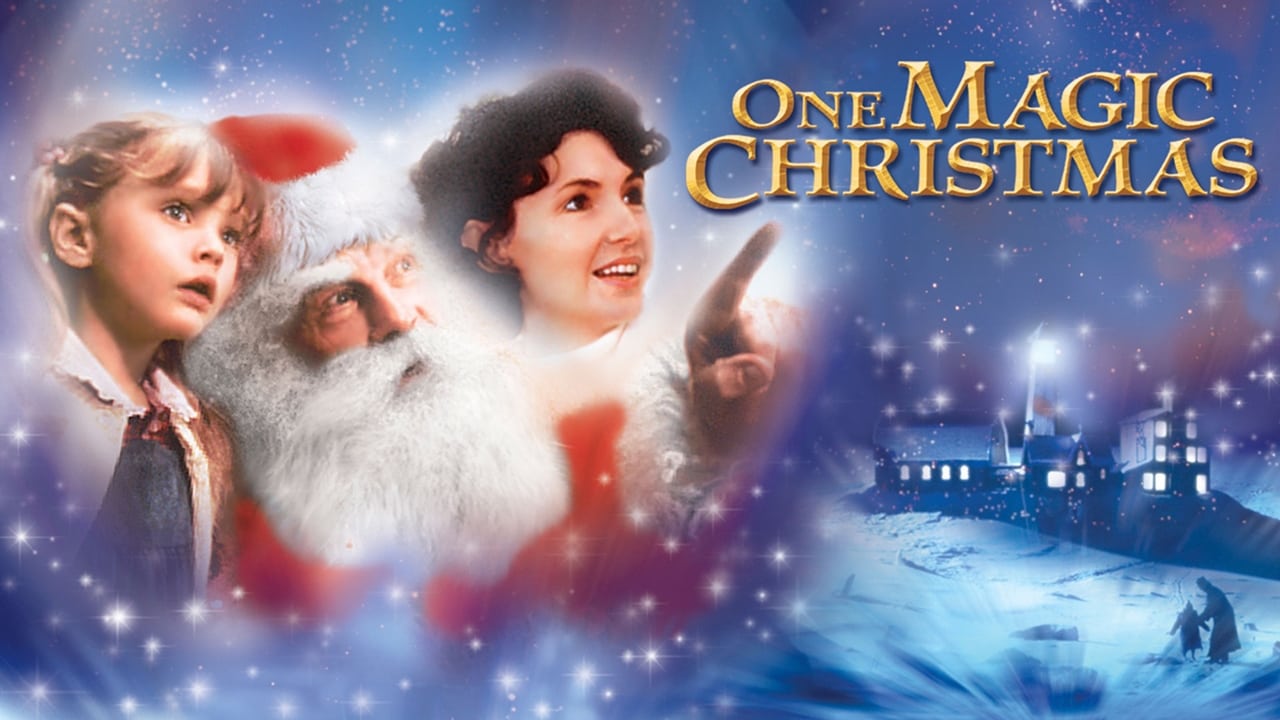
Directed by the talented Canadian filmmaker Phillip Borsos (who gave us the visually stunning Western The Grey Fox just a few years prior), One Magic Christmas dares to ground its fantasy in a reality that felt bracingly familiar, even back then. We meet Ginny Grainger, played with heartfelt weariness by the wonderful Mary Steenburgen. She’s a mother juggling a low-wage grocery store job, two young kids (including a bright-eyed Elisabeth Harnois as Abbie), and a husband, Jack (Gary Basaraba), whose recent layoff casts a pall over the approaching holidays. Ginny’s lost her Christmas spirit, buried under financial stress and disillusionment. It’s a setup that feels less like a fairy tale and more like the worries whispered across kitchen tables in many households.
The script, co-written by Borsos, Thomas Meehan (who penned the much sunnier Annie!), and Barry Healey, doesn't shy away from this grit. This isn't just about forgetting to buy presents; it's about the gnawing fear of not making ends meet, the kind of adult anxiety rarely centered in a family Christmas film, especially one released under the Walt Disney Pictures banner. This willingness to explore the tougher side of life is precisely what makes the eventual arrival of magic feel so earned, and perhaps, so necessary.
### Enter Gideon, The Unlikely Angel
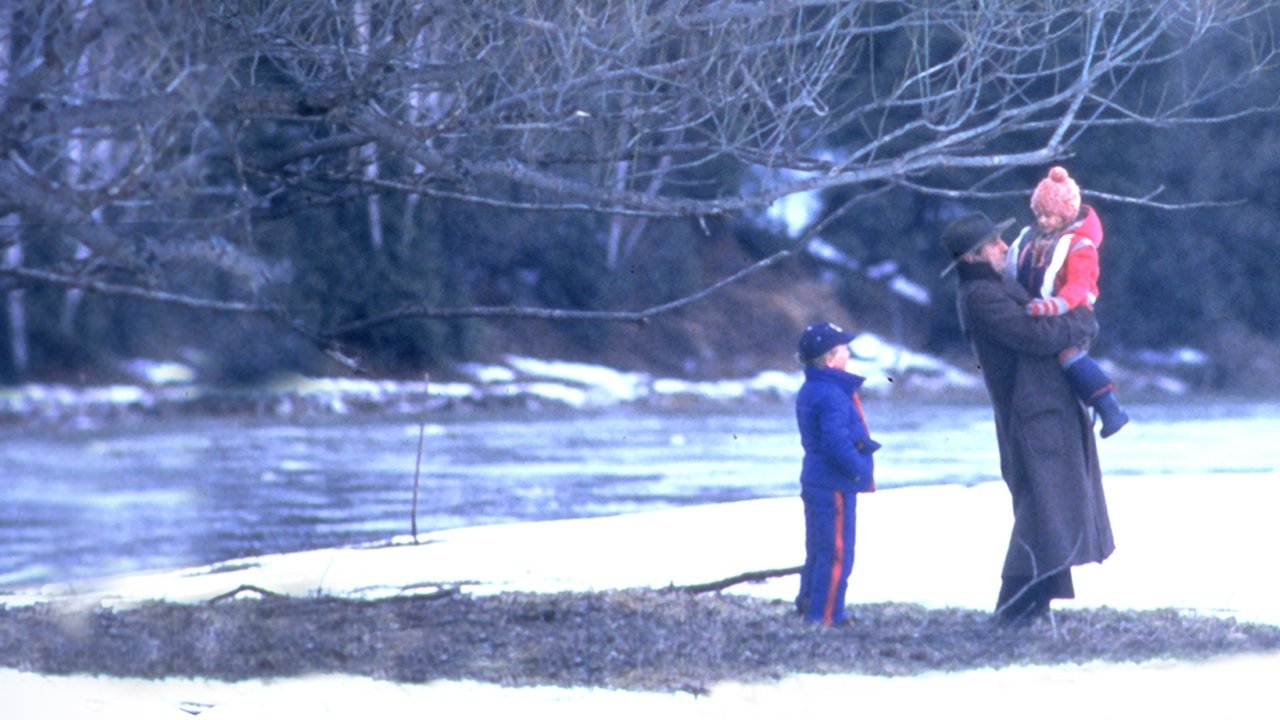
And what magic it is! It arrives not with a flourish of trumpets, but in the form of Gideon, an angel dispatched to help Ginny rediscover her belief. Forget benevolent, white-robed figures; Gideon is brought to life by the inimitable Harry Dean Stanton, looking less celestial and more like a world-weary traveler who’s seen it all, maybe grabbed a smoke break behind a celestial cloudbank. Stanton, already a cult icon thanks to roles in Alien (1979) and Repo Man (1984), imbues Gideon with a gruff tenderness. He’s not here to wave a wand and fix everything instantly; he’s a guide, nudging Ginny (and her daughter Abbie, who can actually see him) towards understanding the true meaning of the season, which, in this film's view, is deeply intertwined with faith, hope, and appreciating what you have, even when it feels like very little. His performance is a masterclass in understated presence, utterly unique in the pantheon of cinematic angels.
### A Touch of Darkness Before the Dawn
Let's be honest, One Magic Christmas has moments that probably startled younger viewers snuggled on the couch. The film takes a genuinely dark turn involving a desperate situation and a tragic event at a bank. (Minor Spoiler Alert!) The sequence involving Jack and a holdup is surprisingly tense and heartbreaking for a Christmas movie. It's a bold narrative choice that underlines Ginny's despair and raises the stakes considerably. (End Spoiler Alert!) This isn't Miracle on 34th Street's gentle skepticism; it's a confrontation with real loss and hardship.
It’s this very darkness, however, that makes the film’s eventual journey towards light so resonant. The scenes where Abbie, guided by Gideon, visits a truly enchanting, workshop-focused North Pole feel like a desperately needed breath of shimmering, hopeful air. Filmed largely in Ontario, Canada, the movie captures a palpable sense of winter – both the cozy, snow-covered town kind and the bleaker, more isolating aspect that mirrors Ginny’s internal state. The production design for Santa's workshop feels handcrafted and believable within the film's logic, a welcome contrast to slicker, more commercial depictions.
### Retro Fun Facts & Lasting Impressions
One Magic Christmas wasn't a runaway hit upon release, earning a modest $13.6 million against its approximate $8 million budget. Perhaps its melancholic tone and focus on adult struggles made it a slightly tougher sell amidst the more boisterous cinematic offerings of 1985. Critical reception was mixed too (it currently holds a 50% score on Rotten Tomatoes and a 6.8/10 on IMDb), with some finding it potentially too bleak for the holidays.
Yet, for many, its willingness to confront difficulty before embracing hope is exactly why it endures. Mary Steenburgen anchors the film beautifully, making Ginny’s journey from cynicism to rediscovered faith completely believable. You feel her exhaustion, her frustration, and ultimately, her tentative steps back towards joy. It’s a performance that resonates perhaps even more strongly when revisited as an adult who understands those pressures all too well.
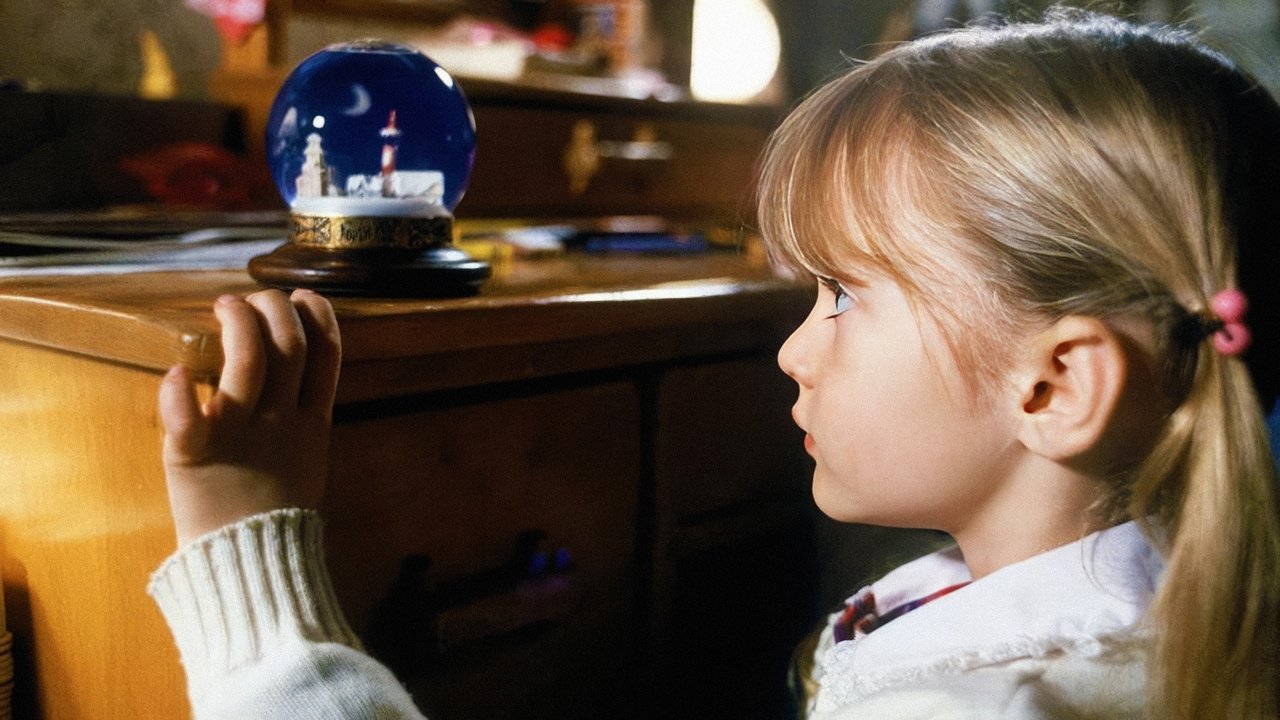
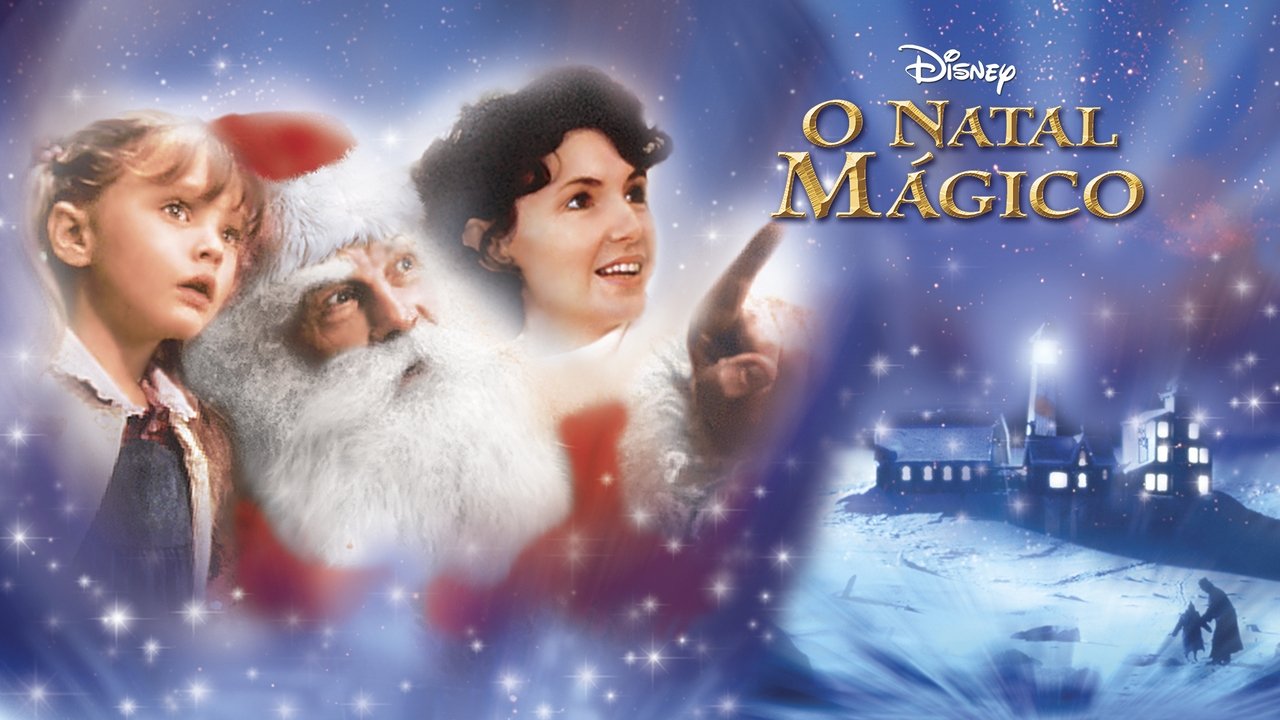
Did anyone else desperately want one of those magical snow globes after seeing this? It felt like such a tangible piece of the film's specific enchantment. It's these small touches, alongside the stellar performances and the unique tone, that elevate One Magic Christmas beyond being just another holiday movie. It’s a reminder that sometimes, the most powerful magic isn't about grand miracles, but about finding the strength to believe again, even when times are tough.
Rating: 7/10
This rating reflects the film's strong emotional core, standout performances (especially from Steenburgen and Stanton), and its unique, bravely melancholic tone within the Christmas genre. It earns points for its realism and heartfelt message, though its darker elements and sometimes slow pacing might not resonate with everyone seeking pure festive escapism. It's a thoughtful, poignant film that uses fantasy not just for wonder, but to explore genuine human struggle and resilience.
For those chilly December nights when you want a Christmas story with a little more weight, a film that acknowledges the shadows before celebrating the light, digging out One Magic Christmas feels like finding a slightly dusty, but genuinely precious, ornament from the back of the box. It reminds us that believing, sometimes, is the hardest and most rewarding gift of all.