They're heeeere... That simple, sing-song declaration, delivered through the cathode-ray snow of a television set after midnight, wasn't just a line of dialogue. For anyone huddled in the flickering light of a rented VHS tape back in the day, it was an announcement: the familiar world was about to crack open, revealing something dreadful beneath the suburban surface. Poltergeist (1982) wasn't just another haunted house flick; it felt like an invasion, broadcast directly into the perceived safety of our living rooms.
The Ghost in the Machine
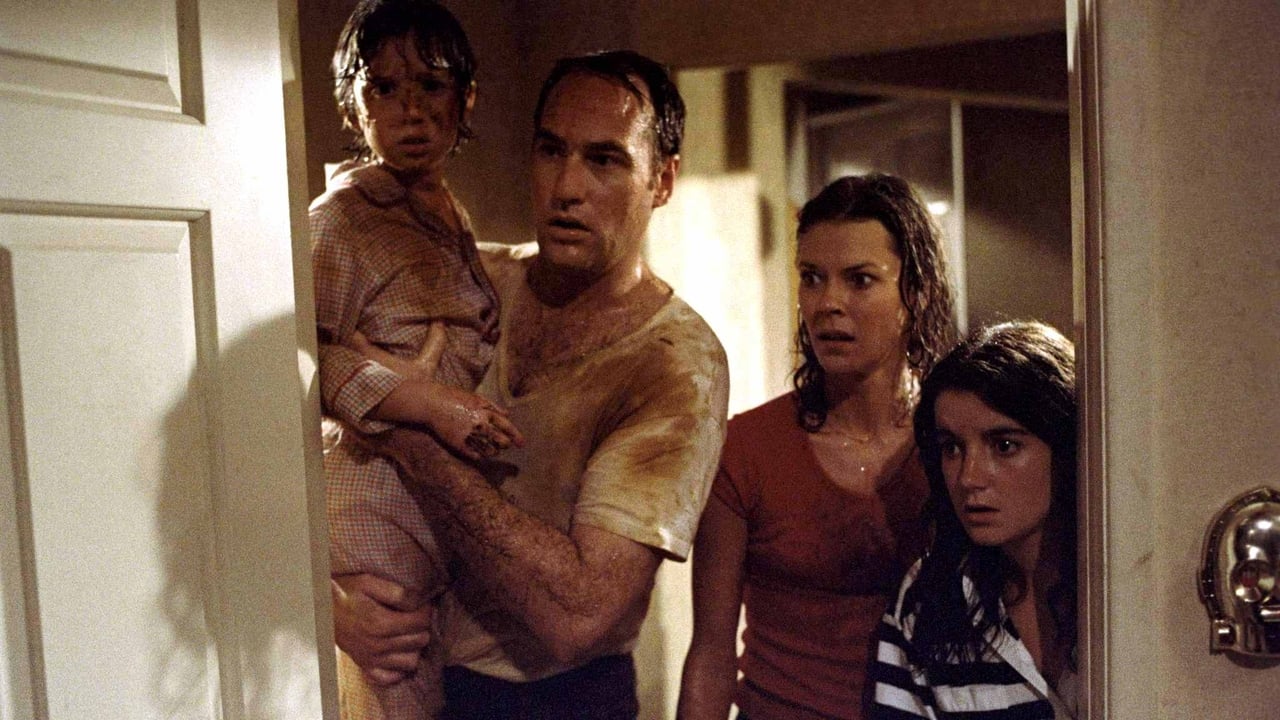
What makes Poltergeist burrow under the skin, even decades later? It’s the terrifying intimacy of it all. This isn't some remote Gothic mansion; it's Cuesta Verde, a planned community that could be anywhere, home to the Freelings – Steve (Craig T. Nelson, in a role that perfectly captured the affable but increasingly desperate 80s dad) and Diane (JoBeth Williams, delivering a fierce, protective maternal performance that anchors the chaos). Their house is filled with the comforting clutter of family life: Star Wars figures, a brand-new television, bikes in the yard. Director Tobe Hooper (of The Texas Chain Saw Massacre (1974) fame, though whispers have always persisted about producer/writer Steven Spielberg's heavy hand on set) masterfully uses this everyday environment as his canvas for terror. The spirits here don't just rattle chains; they stack chairs with malicious precision, drag children across ceilings, and turn beloved toys into instruments of fear. Doesn't that grinning clown doll still feel unnerving, poised under the bed?
Suburban Nightmare Fuel
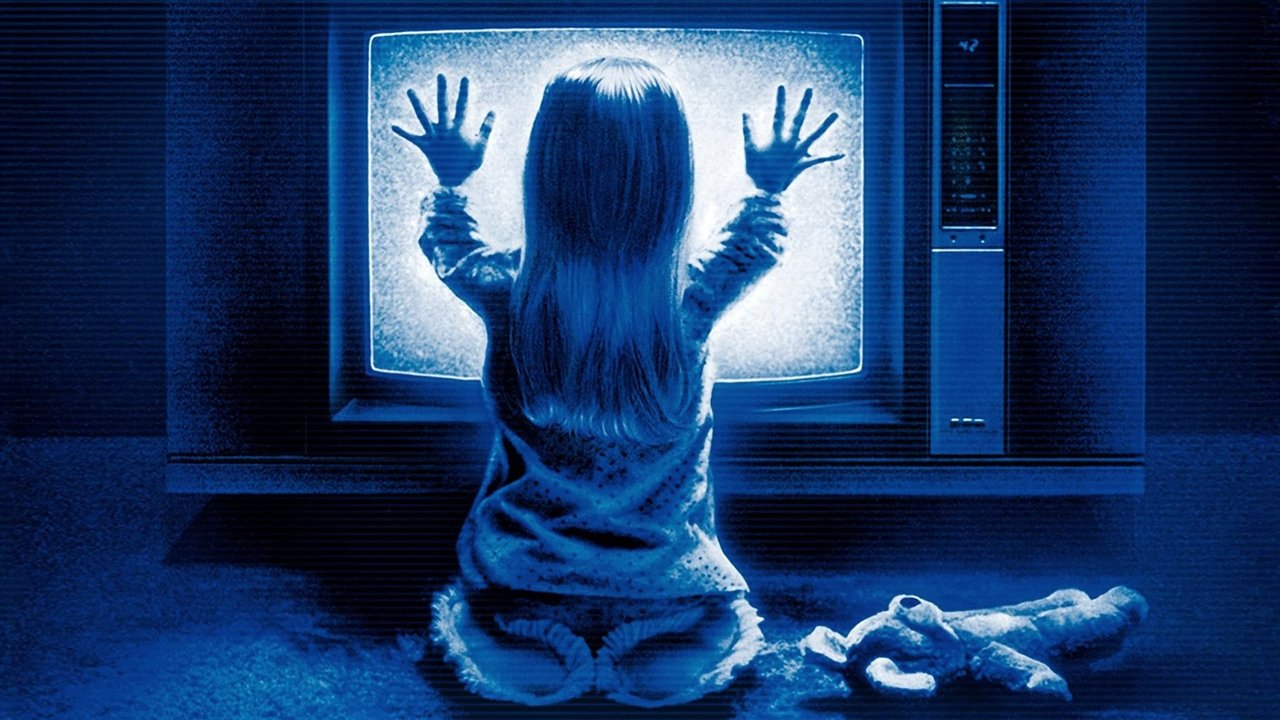
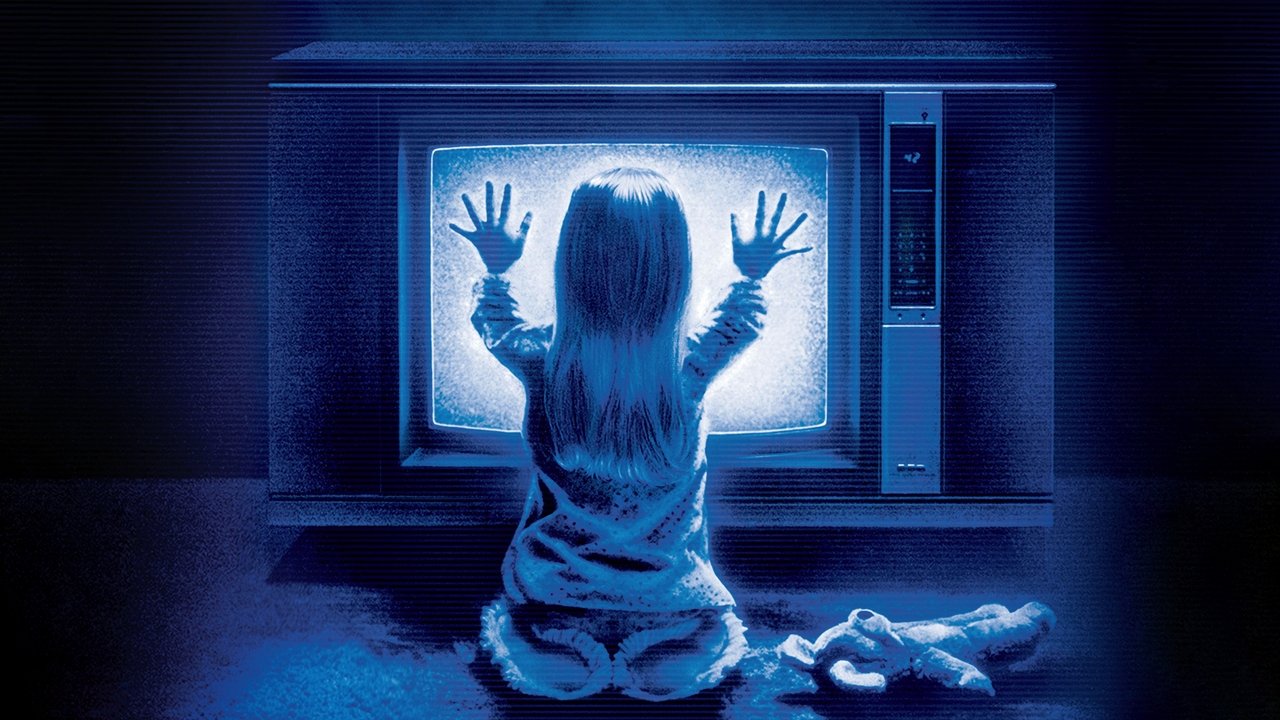
The film builds its dread meticulously. It starts small – bending spoons, sliding chairs – almost playful, before escalating into full-blown supernatural warfare. Jerry Goldsmith's Oscar-nominated score is a masterpiece of duality, weaving innocent, lullaby-like themes ("Carol Anne's Theme") with jarring, terrifying orchestral assaults that mirror the film's blend of childlike wonder and primal fear. The narrative smartly centers on the disappearance of young Carol Anne (Heather O'Rourke) into a spectral dimension accessible through the television – a potent metaphor for the era's burgeoning anxieties about media saturation perhaps, or maybe just a terrifyingly effective plot device. Remember how that static-filled screen felt like a portal to somewhere truly unknown?
One of the film's great strengths lies in its groundbreaking practical effects, which felt viscerally real on grainy VHS. Forget CGI weightlessness; the tangibility of the scares here is key. The chairs stacking themselves possess a physical presence. The gnarled tree bursting through the window feels genuinely threatening. And who could forget the infamous scene where Diane is thrashed around the ceiling? It was achieved through a complex rotating room set, a physically demanding sequence for JoBeth Williams. Then there's the pool scene – a sequence reportedly made even more chilling for the actress when she later learned (or perhaps was told on set, accounts vary) that the skeletons used were allegedly real human ones, sourced because they were cheaper than plastic props at the time. It's one of those "dark legends" of film production that perfectly complements the movie's own unsettling narrative.
Spielbergian Heart, Hooper's Horror?

The long-standing debate about directorial control – was it Hooper or Spielberg truly calling the shots? – perhaps explains the film's unique blend. There's the distinct Spielbergian warmth in the family dynamics, the sense of wonder amidst the terror, reminiscent of his work on E.T. the Extra-Terrestrial, released the same year. Yet, the sheer visceral horror – the face-peeling hallucination (a truly disturbing practical effect reportedly achieved with layers of prosthetic makeup pulled away), the raw intensity of the haunting – feels closer to Hooper's grittier sensibilities. This creative friction, intentional or not, resulted in something special: a horror film with an emotional core, making the Freelings' plight resonate deeply. It also famously pushed boundaries, somehow securing a PG rating despite its intensity (predating the PG-13 rating created partly in response to this film and Indiana Jones and the Temple of Doom). This accessibility meant it terrified a whole generation of younger viewers who might have otherwise missed it, cementing its place in sleepover lore.
Supporting players like Beatrice Straight as the paranormal investigator Dr. Lesh lend gravitas, but it’s the arrival of Tangina Barrons, the diminutive medium played with unforgettable eccentricity by Zelda Rubinstein, that signals the film's pivot into its iconic final act. Her lines ("This house is clean," "Go into the light!") became instant cultural touchstones.
Still Disturbing the Frequency

Poltergeist tapped into something primal: the fear that the safest place, home, could betray you. It expertly blended supernatural chills with relatable family drama and state-of-the-art (for the time) effects that still impress. The production stories, from the alleged "curse" that followed the franchise (linked to the tragic early deaths of actresses Dominique Dunne and Heather O'Rourke) to the rating battles and directorial questions, only add layers to its unsettling legacy. Watching it again, that late-night dread feels remarkably potent. The hiss of the static, the bending spoons, the voice from the television – they remind you why this film became a cornerstone of 80s horror and a tape many of us rewound countless times.
Rating: 9/10
This score is earned by the film's masterful blend of genuine scares and emotional resonance, its groundbreaking practical effects that defined an era of horror filmmaking, unforgettable performances, and an atmosphere of suburban dread that remains chillingly effective. It perfectly captured the anxieties of its time while delivering timeless ghost story thrills. Poltergeist isn't just a horror classic; it's a benchmark, a film that proved mainstream horror could be both terrifying and deeply human, forever changing the frequency of haunted house stories.