The cold marble chill of the mausoleum seems to seep right through the screen. Long before the dead stir, One Dark Night establishes a sense of claustrophobic finality, a place where secrets – and bodies – are meant to stay buried. It’s a feeling that lingers, that particular brand of early 80s dread built not on frantic jump scares, but on the slow, creeping certainty that something profoundly unnatural is about to break loose within those hallowed, echoing walls.
Initiation into Fear
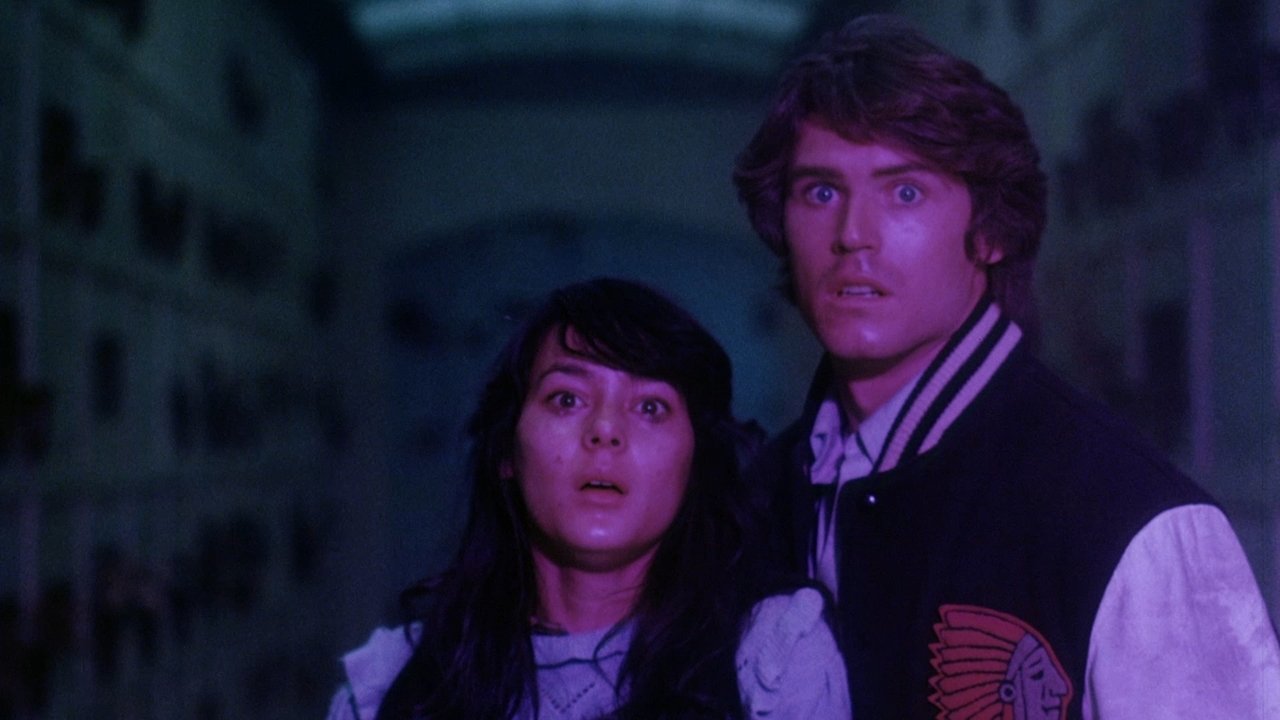
The setup feels deceptively familiar for the era: Julie (Meg Tilly in one of her earliest starring roles) is the new girl, eager to pledge the 'Sisters', the local high school clique led by the vindictive Carol (Robin Evans). The final hazing ritual? Spend the night locked inside the local mausoleum. Simple, cruel, and ripe for terror. What the 'Sisters' don't count on (beyond their own petty rivalries boiling over) is that the tomb's newest resident is Karl Raymar, a notorious serial killer with latent – and now dangerously uncontrolled – telekinetic abilities. His death hasn't ended his reign; it’s merely changed its form. The premise blends standard teen tropes with a genuinely unsettling supernatural concept, creating a unique pressure cooker environment.
Atmosphere Over Agitation
Director Tom McLoughlin, who would later inject a knowing, gothic sensibility into the slasher genre with Friday the 13th Part VI: Jason Lives (1986), demonstrates his knack for atmosphere here. He wisely lets the mausoleum itself do much of the heavy lifting. The long, shadowy corridors, the endless rows of crypts, the oppressive silence – it’s a masterclass in using location to build tension. The camera often lingers, forcing us to scan the deep focus shots for any sign of movement, turning stillness itself into a source of anxiety. The dread isn't just about what might happen, but where it’s happening. You can almost smell the dust and decay. I distinctly remember renting this one back in the day, the chunky tape sliding into the VCR, and feeling that same sense of confinement as Julie, even safe in my own living room.
When the Dead Won't Stay Down
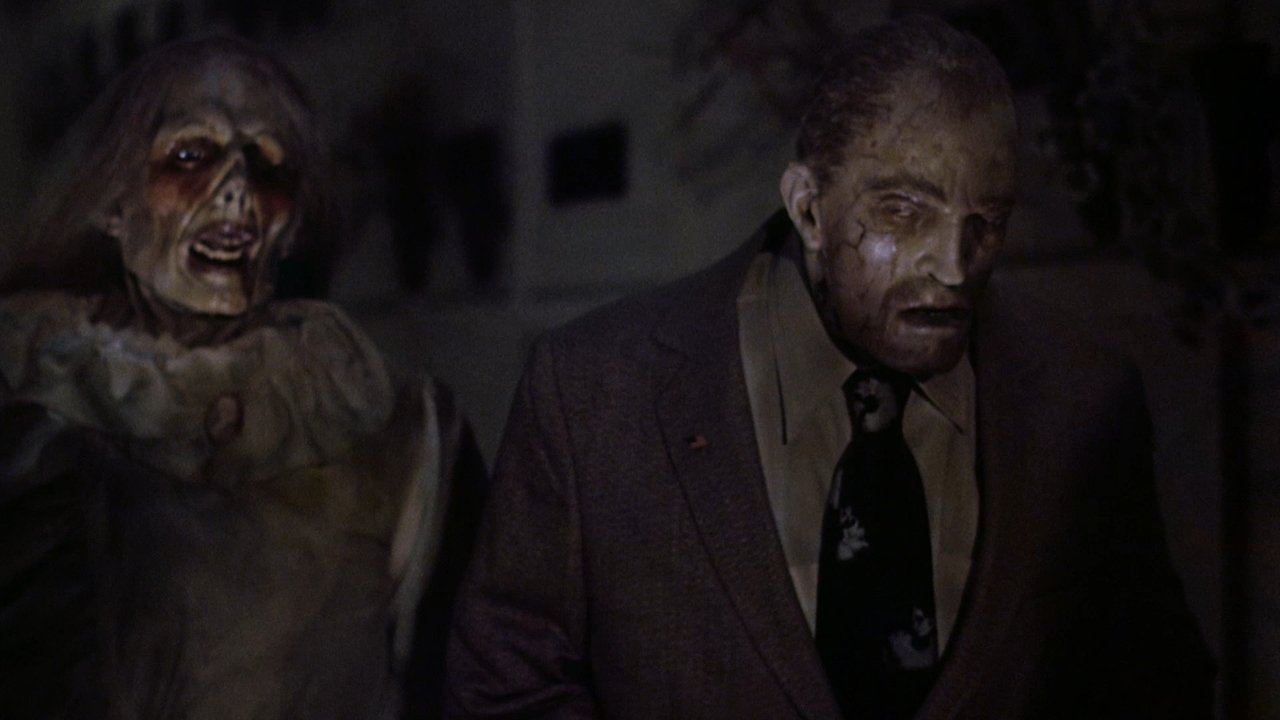
Where One Dark Night truly carves its peculiar niche is in its handling of the supernatural menace. Raymar isn't just another spirit; he's a psychic powerhouse, posthumously animating not just himself, but the other long-term residents of the mausoleum. Forget shambling zombies – these are desiccated, cobweb-draped corpses ripped from their eternal slumber, moving with jerky, unnatural energy. The practical effects work here is wonderfully grotesque and memorable. The way the corpses pull themselves apart, the leathery skin, the sheer wrongness of their animation – it feels tangibly nightmarish in a way that modern CGI often struggles to replicate. Doesn't that specific, dry-rot aesthetic of the reanimated dead still feel uniquely unnerving?
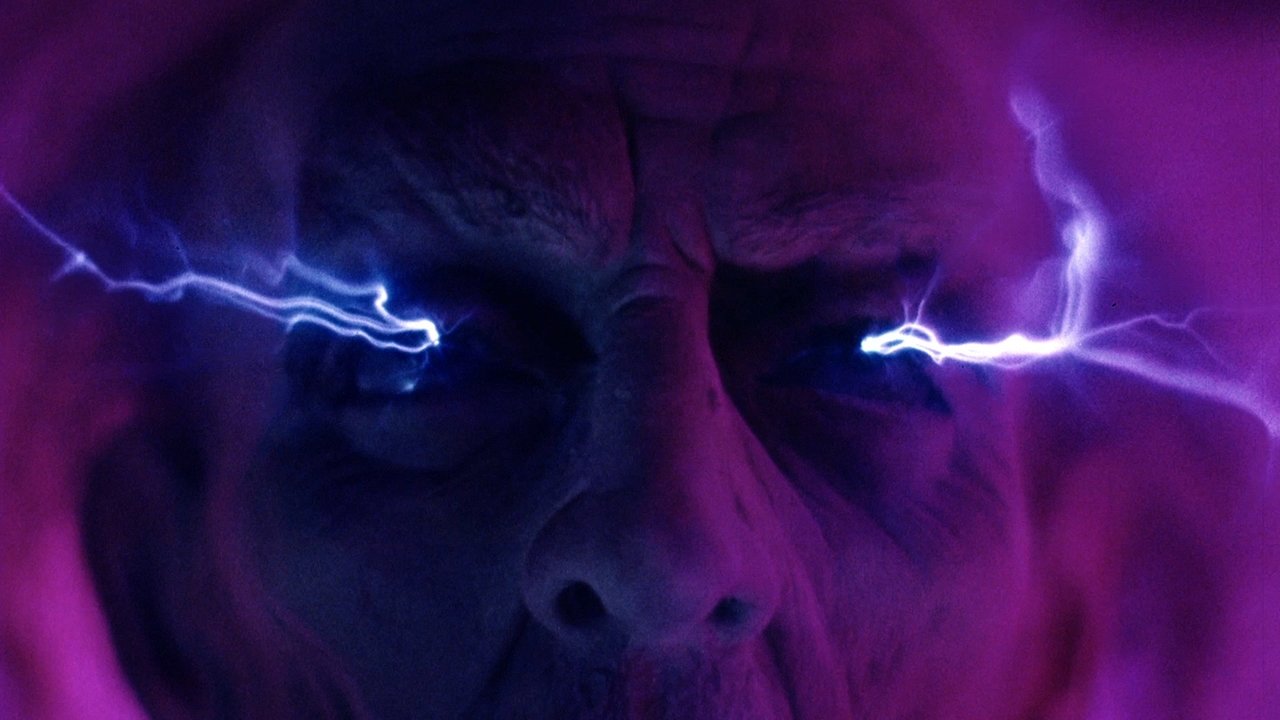
Reportedly, achieving these effects on a modest budget required considerable ingenuity. McLoughlin and his team leaned into the inherent creepiness of puppetry and clever camera angles. It's also fascinating that the film secured a PG rating, despite scenes involving corpses tumbling out of crypts and a general air of intense menace. It speaks volumes about the shifting standards of the MPAA, as the final thirty minutes unleash a chaotic whirlwind of telekinetic fury and reanimated horror that feels decidedly more intense than its rating suggests. Perhaps the lack of explicit gore was the saving grace, but the implied horror is potent. Adding to the era's flavour, we even get a small, somewhat baffling appearance by Adam West as Julie's concerned father, a casting choice that feels delightfully random now.
Pacing and Performance
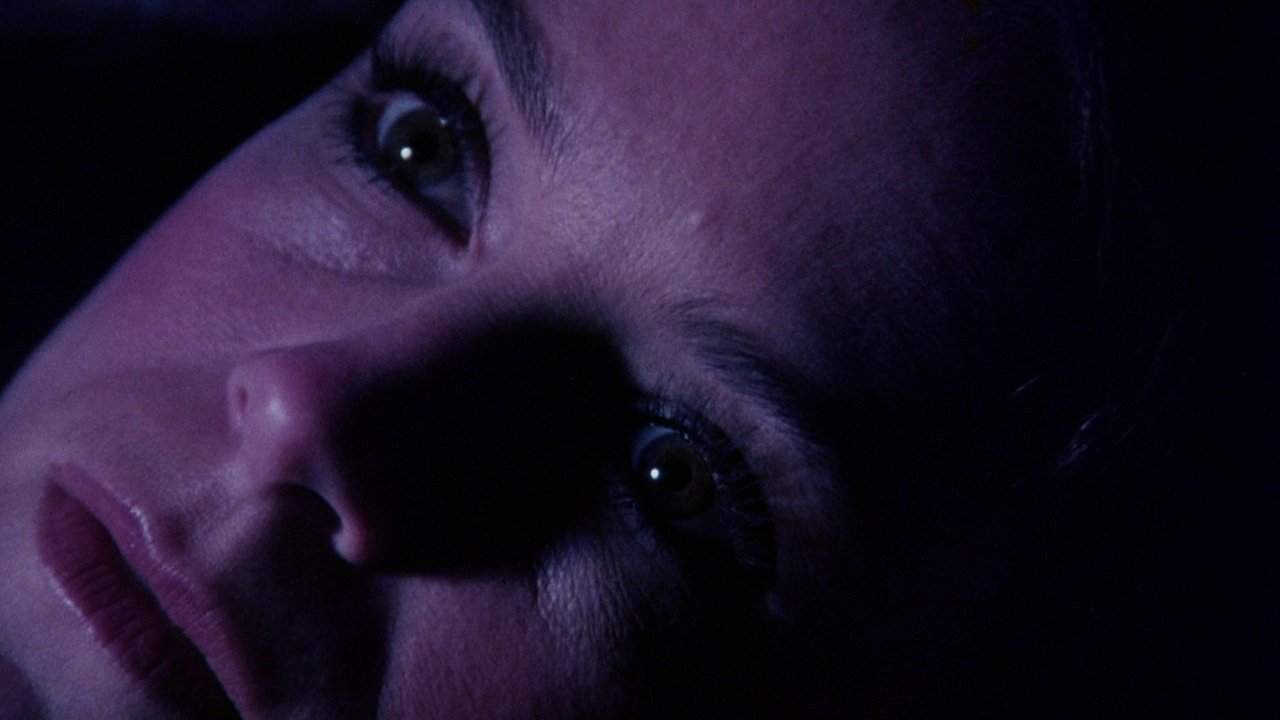
While the atmosphere is thick and the finale is a barnstormer, the film isn't without its pacing lulls. The friction among the 'Sisters' outside the mausoleum, meant to provide a counterpoint and raise the stakes, sometimes feels a little drawn out compared to the suffocating tension within. Meg Tilly brings a compelling vulnerability to Julie, making her a sympathetic anchor amidst the escalating chaos. Her wide-eyed terror feels genuine, grounding the more outlandish elements. The other young actors fulfill their roles adequately, embodying the familiar archetypes of early 80s teen flicks, though Robin Evans certainly makes Carol a convincingly nasty antagonist.
A Cult Gem Unearthed
One Dark Night might not have the mainstream recognition of some of its contemporaries, but it remains a fascinating piece of early 80s horror. It’s a film that prioritizes mood and a unique brand of supernatural threat over relentless gore or action. Its power lies in that oppressive mausoleum setting and the deeply unsettling practical effects of its reanimated corpses. It feels like a discovery, the kind of strange, slightly imperfect gem you'd stumble upon browsing the horror aisle at the video store and find yourself surprisingly captivated by.
Rating: 7/10
This score reflects the film's undeniable atmospheric strengths, its memorably creepy practical effects, and its effectively claustrophobic setting. The genuinely unsettling finale pushes it above average. Points are deducted for some pacing issues in the mid-section and slightly dated teen drama elements that occasionally stall the momentum. However, the core concept and execution of the horror elements are strong enough to earn it solid marks.
One Dark Night remains a potent little chiller, a testament to how effective atmosphere and imaginative practical effects could be, even on a lower budget. It’s a perfect slice of VHS-era gothic, best watched late, when the shadows grow long and the silence feels heavy.