## The Weight of a Father's Sins: Untangling The Holcroft Covenant
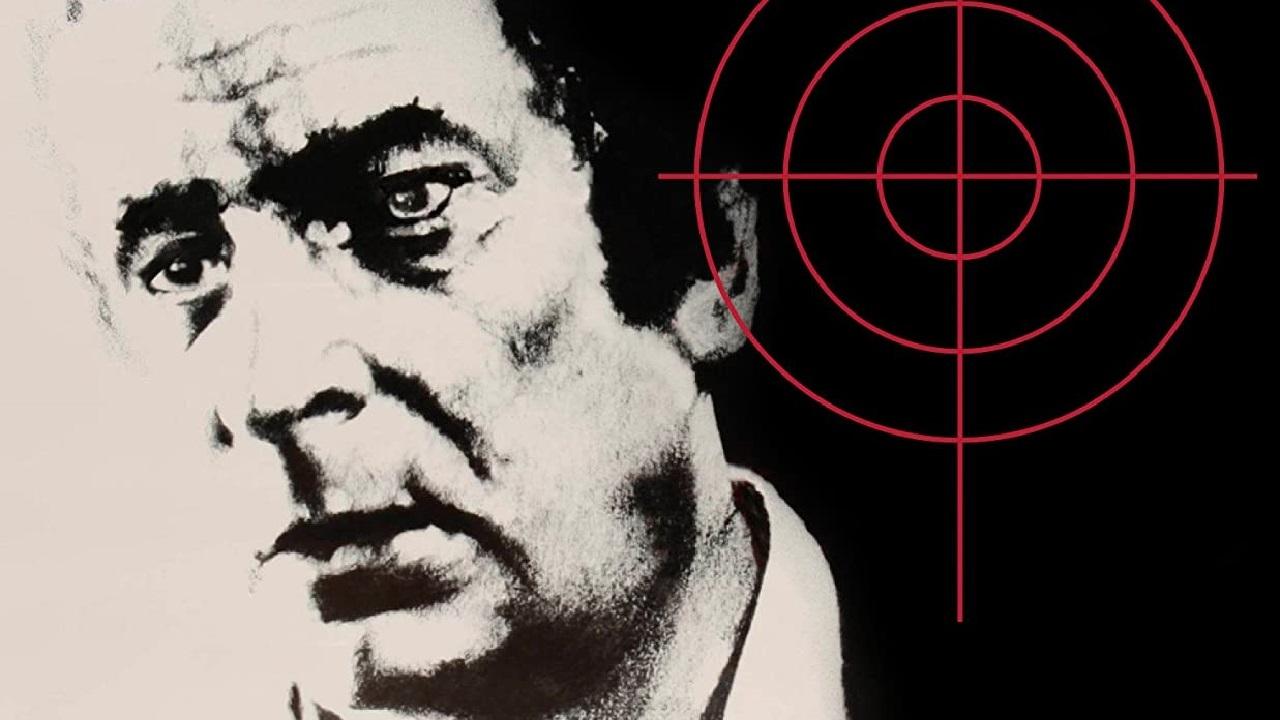
There's a certain kind of weariness that settles in when you confront the possibility that the foundations of your life are built on something monstrous. That's the weight pressing down on Noel Holcroft from the opening frames of The Holcroft Covenant (1985), a film that carries its own burdens – the weight of a complex Robert Ludlum novel, the pedigree of director John Frankenheimer, and the reliable star power of Michael Caine. I remember pulling this one off the rental shelf, likely nestled between other glossy 80s thrillers, the cover art promising intrigue and European locales. What unfolds is something perhaps murkier, more tangled, and ultimately more fascinatingly flawed than its sleek packaging suggested.
A Legacy Forged in Darkness
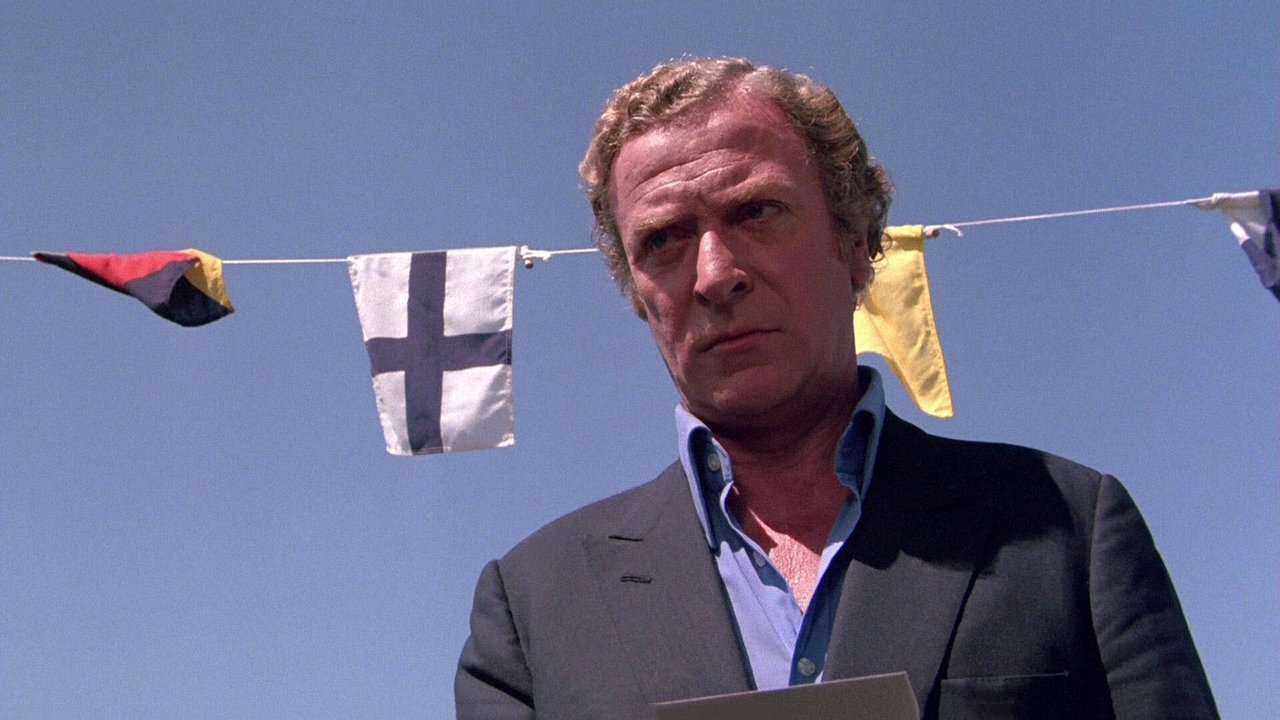
The premise itself is pure Ludlum, intricate and morally ambiguous. Caine plays Noel Holcroft, a successful New York architect who discovers he's the unwitting inheritor of a staggering fortune – $4.5 billion amassed by his estranged father, a high-ranking Nazi financier. But this isn't blood money for him to enjoy; it comes with a covenant, a pact made by three repentant Nazi officers' sons to distribute the funds globally as restitution for their fathers' atrocities. Holcroft, initially bewildered, finds himself partnered with the intense Johann von Tiebolt (Anthony Andrews) and the enigmatic Helden von Tiebolt (Victoria Tennant), siblings seemingly dedicated to fulfilling the covenant. But, naturally, nothing is as it seems. Holcroft is immediately plunged into a treacherous world of shadowy organizations, assassins, and betrayals stretching from Geneva to Berlin.
Doesn't this setup immediately hook you? The idea of using Nazi gold for global good, orchestrated by the sons of the perpetrators, is a powerful, almost paradoxical concept. It forces Holcroft, and us, to grapple with questions of inherited guilt and the possibility of redemption across generations. Can evil be undone by the actions of the children?
Frankenheimer's Measured Hand
Behind the camera is John Frankenheimer, a director whose name alone conjures images of taut, paranoid thrillers like The Manchurian Candidate (1962) or the gritty action of French Connection II (1975). His involvement promises a certain level of craftsmanship, and indeed, the film looks good. There's a solid, grounded feel to the European locations – the divided Berlin, in particular, feels authentically chilly and tense, a tangible relic of the Cold War era in which the film was made. Frankenheimer captures the atmosphere of hushed meetings in grand old banks and sudden bursts of violence on quiet streets.
However, some might argue that the signature Frankenheimer tension feels somewhat muted here. The pacing can occasionally feel deliberate, perhaps even languid, where Ludlum's prose might have crackled with more urgency. The intricate plot, involving multiple factions, double-crosses, and hidden motives, sometimes threatens to bog down the narrative momentum. It demands close attention, perhaps more than the average Friday night rental viewer back in '85 was prepared to give. It's a testament to the density of Ludlum's source material, which often proved challenging to adapt smoothly. Reportedly, the script went through several hands, including veteran screenwriters George Axelrod and Edward Anhalt, which might account for some unevenness.
Caine Anchors the Conspiracy
Through it all, Michael Caine is the unwavering center. His Noel Holcroft isn't an action hero but an ordinary man thrown into extraordinary, terrifying circumstances. Caine excels at portraying this bewildered decency, the slow dawning of realization as the true, horrifying nature of the covenant – and the people enforcing it – becomes clear. He conveys Holcroft's intelligence and inherent morality, making his journey believable even when the plot mechanics creak. Remember his turn in The Ipcress File (1965)? There's a similar sense here of a man slightly out of his depth, using his wits to survive rather than brute force.
Anthony Andrews brings a necessary intensity to Johann, the driven ideologue, while Victoria Tennant navigates the ambiguous loyalties of Helden with cool composure. Yet, their characters sometimes feel more like chess pieces serving the complex plot than fully realized individuals. Their motivations, particularly Helden's, can seem opaque, serving the twists rather than arising organically from character.
Retro Fun Facts: Cracking the Covenant Code
- Ludlum Adaptation Hurdles: Adapting Robert Ludlum's dense, twist-filled novels was notoriously difficult. The Holcroft Covenant was one of several attempts in the 80s to bring his work to the big screen, often with mixed results compared to the later success of the Bourne franchise (which itself started with a 1988 TV movie starring Richard Chamberlain).
- Location Authenticity: Filming extensively on location in Geneva, London, and particularly West Berlin just a few years before the Wall fell adds a layer of invaluable period authenticity. Seeing Caine navigate Checkpoint Charlie carries a genuine historical frisson.
- Frankenheimer's Return?: After some less successful ventures in the late 70s and early 80s, Holcroft was seen by some as a potential return to the director's thriller roots, though it didn't achieve the critical or commercial success of his earlier masterpieces. He would find greater acclaim again later with films like Ronin (1998).
- Budget vs. Box Office: Made for a respectable (for the time) estimated budget of around $12-15 million, the film unfortunately didn't ignite the box office, becoming one of those mid-budget 80s thrillers more likely discovered on video than during its initial theatrical run.
A Flawed Gem Worth Revisiting?
The Holcroft Covenant isn't a perfect film. Its plot can feel convoluted, its pacing uneven, and some character motivations remain frustratingly obscure. Yet, there's something compelling about its ambition and its core themes. The central question – can unimaginable evil be transmuted into good through the sheer force of will and finance? – lingers long after the credits roll. Caine delivers a typically strong performance, grounding the espionage gymnastics in relatable human emotion.
It's a film that embodies a particular type of 80s thriller: serious-minded, internationally flavoured, complex, and perhaps a little too tangled for its own good. Watching it again now, through the haze of nostalgia, feels like piecing together a half-remembered puzzle. It might not have the explosive impact of some of its contemporaries, but its intricate design and moral weight offer their own rewards.
Rating: 6/10
This score reflects a film buoyed by a fascinating premise, a commanding lead performance from Michael Caine, and atmospheric direction from John Frankenheimer, but hampered by a sometimes overly complicated plot and uneven pacing. It doesn't fully capitalize on its potential, feeling more like a solid, respectable effort than a genre classic.
For the dedicated VHS hunter, The Holcroft Covenant remains an intriguing artifact – a reminder of a time when complex, adult-oriented thrillers could still get made, even if they didn't always perfectly hit the mark. It leaves you pondering the dark legacies we inherit and the difficult paths toward atonement.