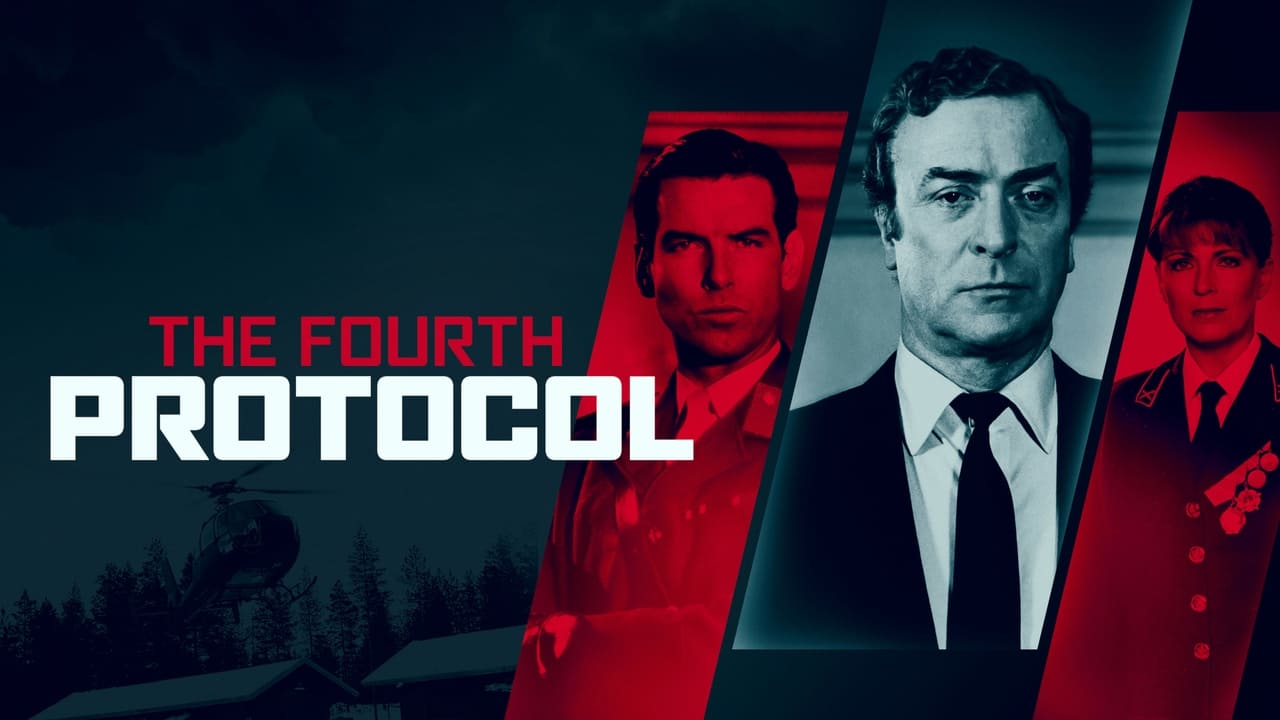
It arrives like a whisper on a cold wind, the premise of The Fourth Protocol (1987) – a rogue element within the KGB plotting to detonate a small nuclear device near a US airbase in Britain, shattering détente and blaming the Americans. Based on the bestseller by master of the meticulously plotted thriller, Frederick Forsyth, who also co-wrote the screenplay (with uncredited polishing by George Axelrod), the film carries an immediate weight of plausibility. This wasn't escapist fantasy; it felt chillingly possible in the tense landscape of the late 1980s, a feeling that lingers even watching it today on a well-worn tape.
Grit Beneath the Polish
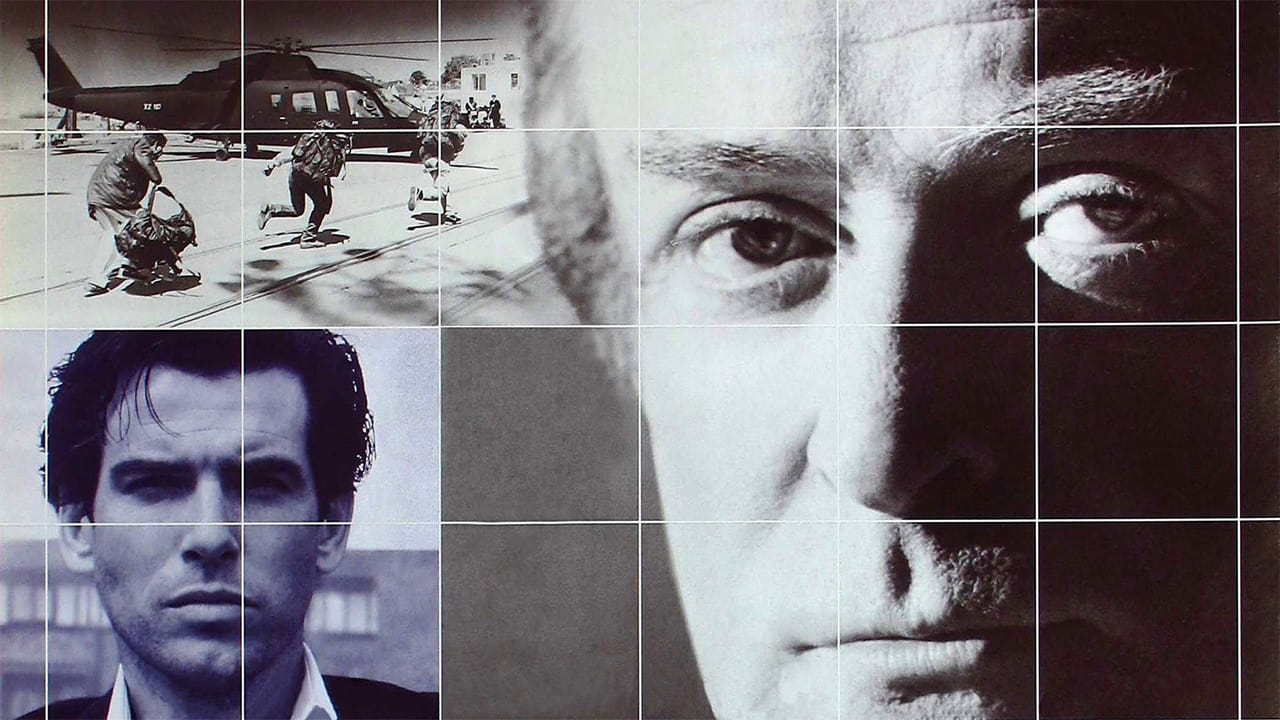
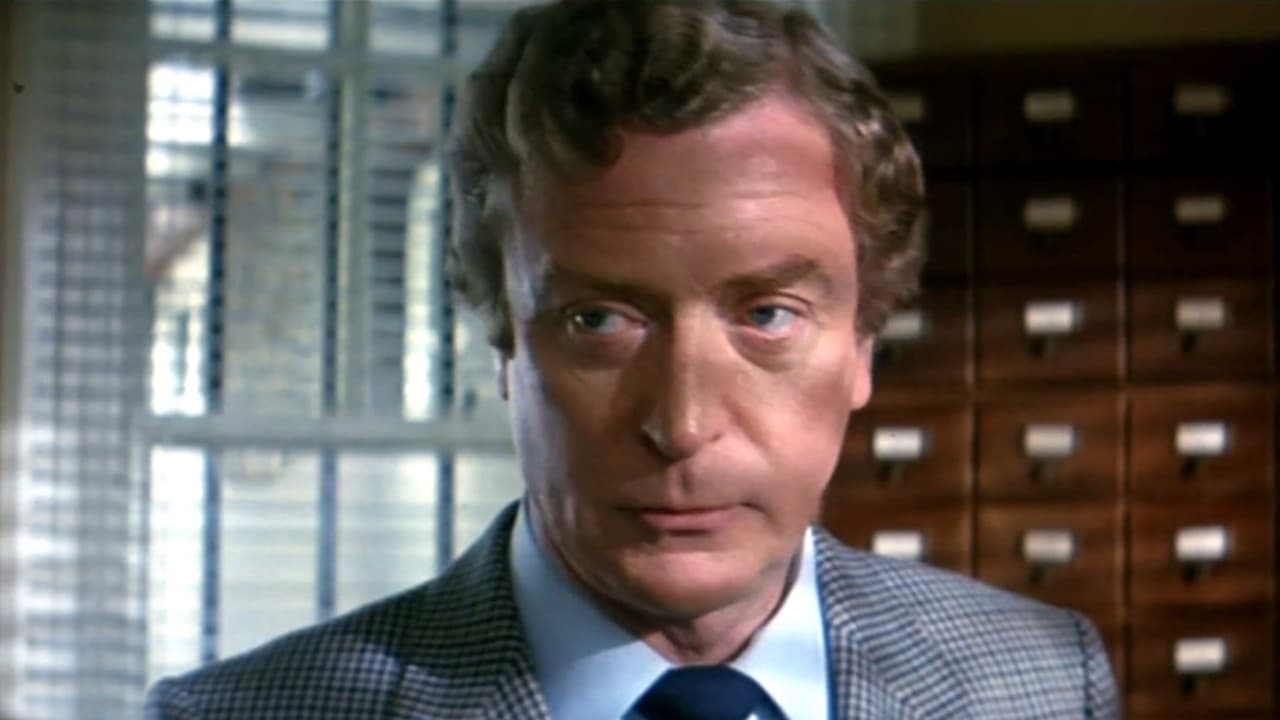
Directed by John Mackenzie, whose searing crime drama The Long Good Friday (1980) redefined the British gangster film, The Fourth Protocol eschews the flashy gadgets and suave invincibility often associated with cinematic espionage. Instead, Mackenzie brings that same sense of grounded realism and simmering violence to the world of spies. The atmosphere is thick with paranoia, bureaucratic infighting, and the drab, workaday reality of intelligence work. Filmed on location across England, including London and the Suffolk coast near Ipswich, the settings feel authentic, adding to the unsettling sense that this could happen here. There's a procedural quality to the investigation led by MI5 officer John Preston, played with magnificent world-weariness by Michael Caine.
Preston is no superhero. He's insubordinate, cynical, often at odds with his superiors (personified by a perfectly slimy Julian Glover), but possesses a keen intellect and a deep-seated sense of duty. Caine, who also served as an executive producer on the film – reportedly eager to return to the less glamorous, more cerebral spy territory reminiscent of his iconic Harry Palmer roles – embodies Preston's frustration and quiet determination perfectly. We see the toll the job takes, the moral compromises, the constant looking over one's shoulder. It's a performance grounded in believable fatigue and resilience. I recall renting this one back-to-back with The Ipcress File (1965) once; the contrast and continuity in Caine’s approach to the genre felt palpable even then.
A Different Kind of Charm
Facing off against Preston is KGB Major Valeri Petrofsky, tasked with assembling and detonating the bomb. And here we have Pierce Brosnan, in a role that startled audiences accustomed to his smooth charm in TV's Remington Steele. This was, fascinatingly, filmed before his first, aborted attempt at landing the James Bond role (due to his Steele contract). Watching him here, it's easy to see why producers kept him in mind for 007. Brosnan's Petrofsky is utterly ruthless, a sociopath operating under a veneer of calculated charisma. He kills without remorse, manipulates with ease, and remains icily focused on his mission. It’s a chillingly effective performance, showcasing a darker capability that hinted at the Bond to come, yet stands entirely on its own as a memorable screen villain. The casting felt inspired then, and remains so now – playing brilliantly against type.
Building the Tension, Piece by Piece
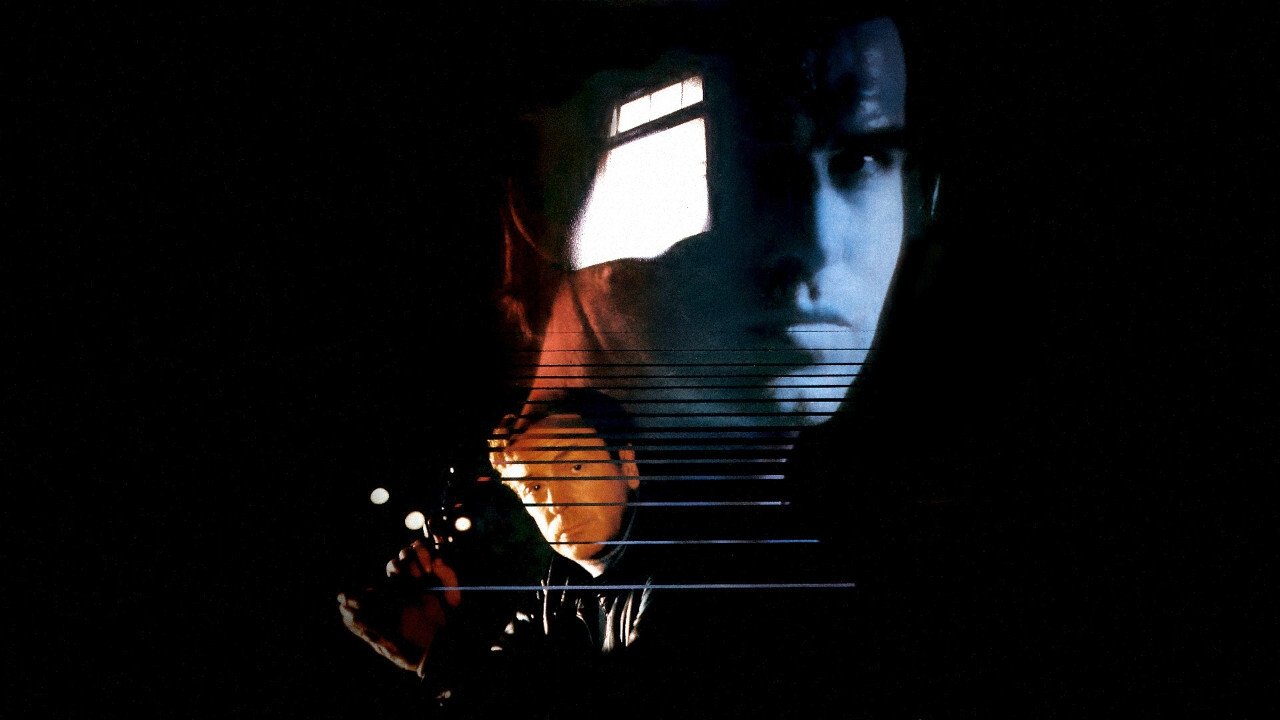
The film excels in its methodical build-up of tension. We see Petrofsky meticulously gathering the components for his "suitcase nuke," smuggled into the country piece by piece. The attention to detail, a hallmark of Forsyth's writing (he apparently insisted on accuracy regarding the bomb assembly, leading to some fascinating behind-the-scenes technical consultations), makes the threat feel terrifyingly real. Remember those scenes where Petrofsky calmly lays out the parts? On a grainy VHS transfer, they had a gritty, almost documentary feel that was far more unsettling than any over-the-top pyrotechnics. The title itself, referring to a fictional secret protocol banning the non-conventional delivery of nuclear weapons, underscores the clandestine stakes.
While the film generally sticks close to the novel, there are divergences, particularly towards the climax, streamlining some of the book's complex subplots involving South African intelligence connections. Yet, the core remains: a desperate race against time, hampered by political maneuvering and internal betrayals on both sides. Ned Beatty provides solid support as the blustering, well-meaning (but ultimately out of his depth) KGB General Govorshin, caught in the political crossfire back in Moscow. The score by Lalo Schifrin (Mission: Impossible, Bullitt) effectively ratchets up the suspense without overwhelming the deliberate pacing.
A Product of Its Time, Still Effective
Does The Fourth Protocol feel dated? Inevitably, perhaps. The technology, the specific Cold War anxieties, the very texture of the film stock place it firmly in the late 80s. Its modest budget (around $14 million, leading to a somewhat underwhelming US box office of roughly $12.4 million, though it performed better internationally) means it lacks the slickness of bigger contemporary blockbusters. Yet, this grounded quality is arguably its strength. It’s a thriller built on character, procedure, and atmosphere rather than spectacle. The tension arises from the 'what if?', from the believable mechanics of the plot, and from the clash between Caine's dogged investigator and Brosnan's cold-blooded executioner.
What stays with you after the credits roll? For me, it's the palpable sense of unease, the portrait of intelligence work as a messy, often thankless grind, and the strength of those central performances. It asks unsettling questions about loyalty, betrayal, and the terrifying fragility of peace in a world armed to the teeth. Could one rogue operation truly unravel everything? The film makes you believe it could.
Rating: 8/10
This score reflects a tightly plotted, well-acted, and atmospheric Cold War thriller that largely succeeds thanks to its grounded approach and strong lead performances. While perhaps lacking the iconic status of some other spy films, its intelligence, grit, and Forsyth-driven authenticity earn it a solid place on the shelf. It remains a compelling snapshot of late Cold War paranoia, a reminder that sometimes the most chilling threats are the ones assembled quietly, piece by painstaking piece. For fans of serious espionage yarns from the era, The Fourth Protocol is a tape well worth rewinding.