### That Lingering Summer Unease
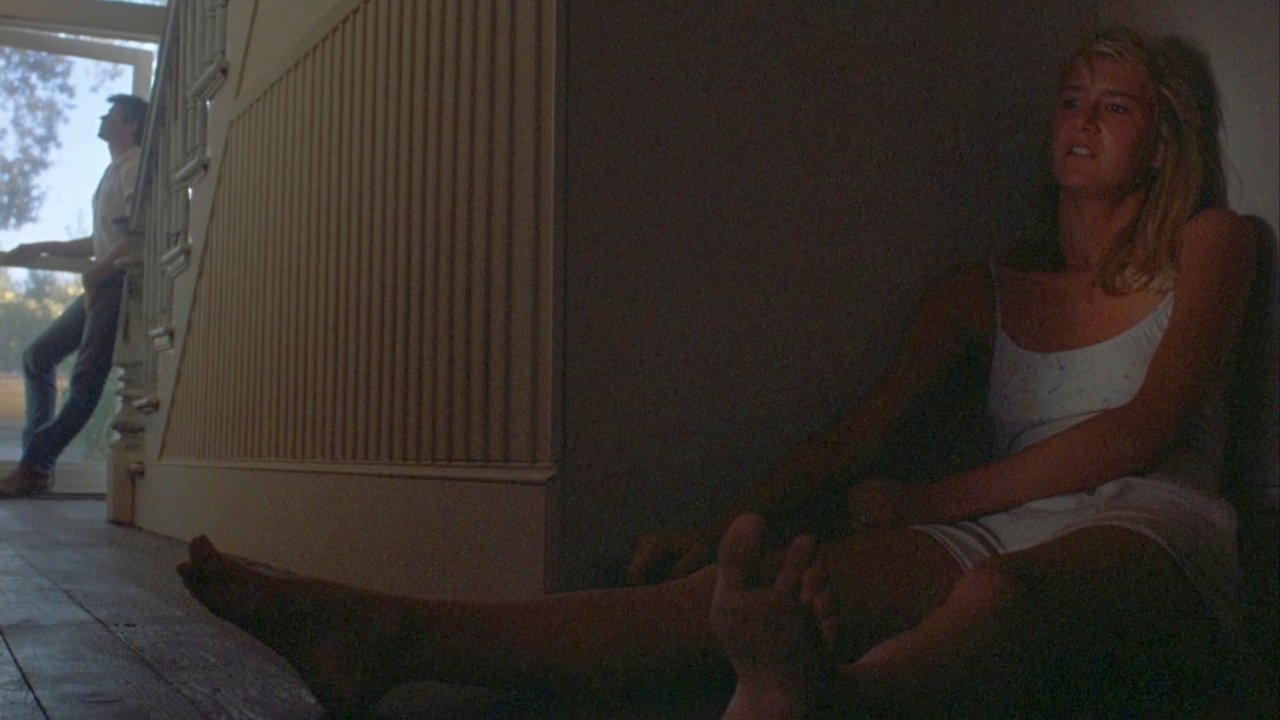
Some films don't just tell a story; they leave an echo, a feeling that settles deep in your bones long after the tape has clicked off. Joyce Chopra's Smooth Talk (1985) is precisely that kind of movie. It begins bathed in the familiar, sun-drenched haze of adolescent summer – the boredom, the restless energy, the tentative steps towards independence – but gradually, almost imperceptibly at first, a chill creeps in, transforming the lazy heat into something far more unsettling. It captures that precarious moment on the threshold of adulthood with a sensitivity and quiet dread that feels startlingly authentic, even decades later. I remember finding this one on the shelves, maybe drawn by a young Laura Dern on the cover, expecting a standard teen drama, and being utterly unprepared for the psychological depths it plumbs.
### Days of Shopping Malls and Dreams
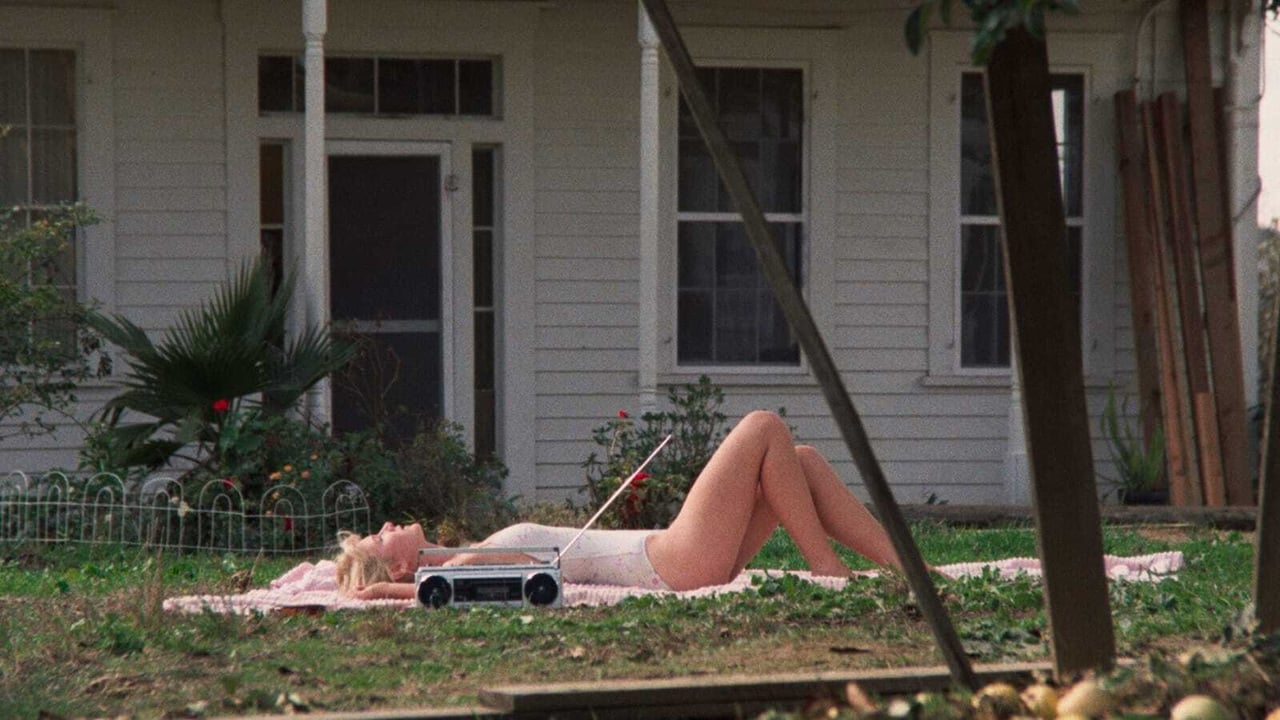
At the heart of Smooth Talk is Connie Wyatt, portrayed by Laura Dern in a performance that remains astonishingly raw and vulnerable. Just 15, she drifts through her summer days, navigating the push-and-pull between childhood comforts and the magnetic allure of the older kids, the music, the casual freedoms found hanging out at the local burger joint or the ubiquitous 80s shopping mall. Dern embodies Connie’s contradictions perfectly: the coltish awkwardness, the burgeoning self-awareness reflected in stolen glances in the mirror, the impatience with her well-meaning but often exasperated mother (a brilliantly understated Mary Kay Place). Chopra films these early scenes with a vérité naturalism, capturing the languid rhythms of teenage life, the unspoken tensions within the family, and Connie's yearning for something more, even if she doesn't quite know what that is. It’s a portrayal of youth that feels refreshingly unvarnished, free from the usual Hollywood gloss.
### The Serpent in the Driveway
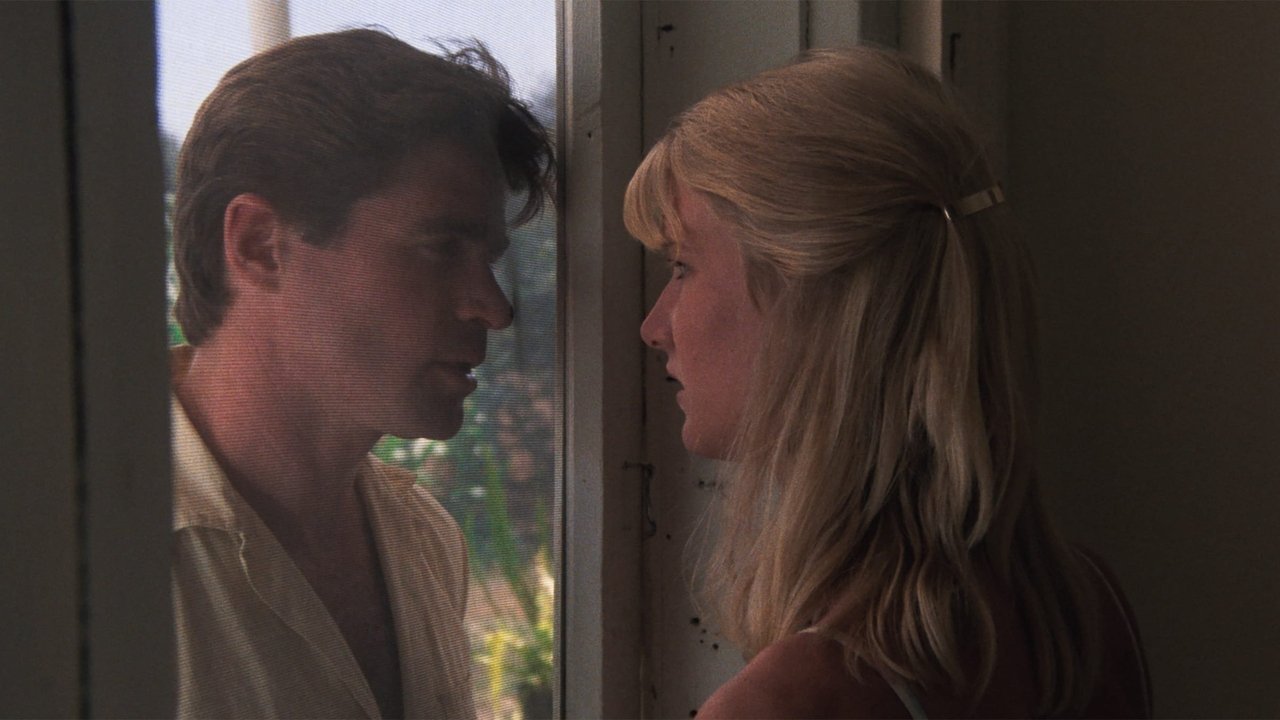
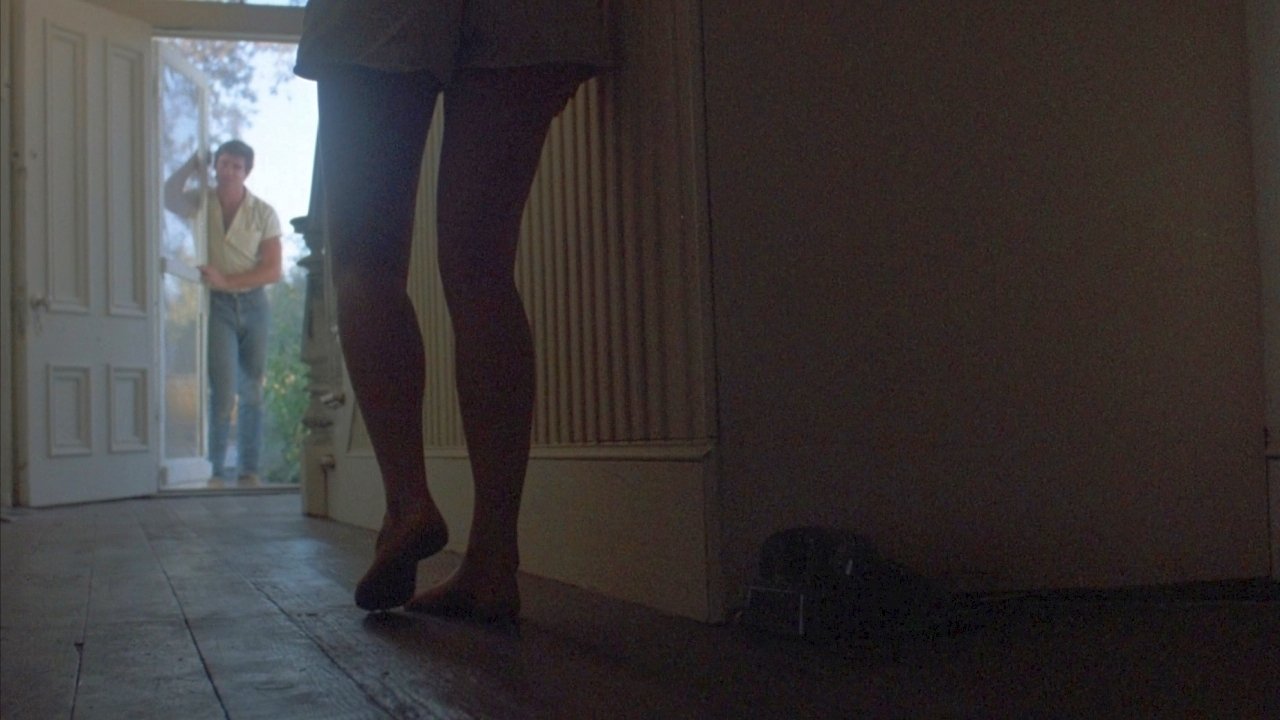
The film pivots irrevocably with the arrival of Arnold Friend. Played by Treat Williams with a chilling blend of laid-back charm and coiled menace, Arnold isn't just a character; he's a disruption, a force that shatters the sun-dappled innocence of Connie's world. He rolls up in his gold convertible, music blaring, embodying a dangerous, adult knowledge that both repels and fascinates Connie. Williams, often known for more straightforwardly heroic or charming roles around that time (think Prince of the City (1981) or Once Upon a Time in America (1984)), uses his charisma here to deeply unsettling effect. His easy smile doesn't quite reach his eyes, his pronouncements ("I'm gonna be your lover") hang heavy with implicit threat. The extended sequence where Arnold attempts to coax Connie out of her house, while her family is away at a barbecue, is a masterclass in sustained tension. It’s largely a two-hander between Dern and Williams, a psychological chess match played out on a suburban doorstep, and it’s utterly riveting.
### From Page to Screen: A Delicate Transition

It’s worth remembering that Smooth Talk is adapted from Joyce Carol Oates's famously dark short story, "Where Are You Going, Where Have You Been?". Oates herself was inspired by the chilling true crimes of Charles Schmid, the "Pied Piper of Tucson," who preyed on teenage girls in the 1960s. While Chopra and screenwriter Tom Cole soften some of the story's starkest implications, particularly regarding the ending’s finality, they retain its core exploration of vulnerability, predation, and the loss of innocence. This adaptation choice, leaving Connie's ultimate fate more ambiguous than the source material, sparked considerable discussion upon its release, but it arguably makes the film’s psychological impact even more profound. It focuses less on a definitive event and more on the terrifying process of being targeted, the insidious way charm can mask danger. Chopra, one of the relatively few female directors working prominently in the mid-80s, brings a crucial sensitivity to Connie’s perspective, ensuring the film never feels exploitative, even at its most uncomfortable. It’s told through Connie’s eyes, her fear and confusion palpable. Reportedly, Dern was only about 17 during filming, lending an almost unnerving authenticity to her portrayal of adolescent uncertainty thrust into a terrifyingly adult situation.
### Production Realities and Sundance Glory
Filmed on a modest budget in the sun-baked landscapes of Northern California (Petaluma, Santa Rosa), Smooth Talk possesses a grounded realism that enhances its power. There are no flashy effects or stylized set pieces – just keenly observed human behavior and dialogue that crackles with subtext. The power lies in the performances and Chopra’s steady, observant direction. The film was a critical darling upon release, notably winning the Grand Jury Prize for Drama at the 1986 Sundance Film Festival, helping to launch Laura Dern's career into the stratosphere and cementing its place as a significant piece of independent filmmaking from the era. It’s a film that likely wouldn't get made in the same way today, trusting its audience to sit with ambiguity and discomfort.
### The Unspoken Questions
What makes Smooth Talk linger so powerfully? It's the way it captures the fragility of that transitional age, the dangerous allure of the unknown, and the chilling ease with which innocence can be threatened. It doesn't offer easy answers or neat resolutions. Instead, it leaves you contemplating the subtle power dynamics at play, the nature of consent and coercion, and the unsettling reality that sometimes the most profound dangers arrive with a friendly smile and a smooth line. Doesn't that particular brand of predatory charm still feel chillingly familiar in the world today? The questions it raises about vulnerability and awareness resonate far beyond its specific 1980s setting.
Rating: 9/10
This score reflects the film’s exceptional strengths: Laura Dern's truly remarkable and defining performance, Treat Williams's terrifyingly effective portrayal of menace disguised as charm, Joyce Chopra's sensitive and tension-filled direction, and its unflinching, psychologically astute exploration of complex themes. It's a near-perfect capturing of a specific, unsettling slice of adolescence, losing perhaps a single point only for the slight narrative ambiguity that, while thematically potent, might leave some viewers wanting more definitive closure (though arguably, its lack is its power).
Smooth Talk isn't just an underrated 80s drama; it’s a vital piece of filmmaking that feels more relevant than ever. It’s a quiet powerhouse, a VHS gem whose unsettling questions about growing up, danger, and the masks people wear continue to echo long after the screen goes dark.