There's a certain quiet ache that settles over you when watching Racing with the Moon. It's not the sharp sting of melodrama, but the gentle, persistent thrum of impending change, the bittersweet tang of youth knowing its carefree days are numbered. Released in 1984, but steeped in the specific anxieties of 1942 California, the film captures that delicate moment just before the world shifts irrevocably, both for its characters and for the country they are about to serve. It’s a film that perhaps didn’t shout from the rooftops upon release, but whispers its truths about friendship, love, and the precipice of adulthood with a sincerity that lingers long after the VCR whirs to a stop.
Small Town, Big Shadows
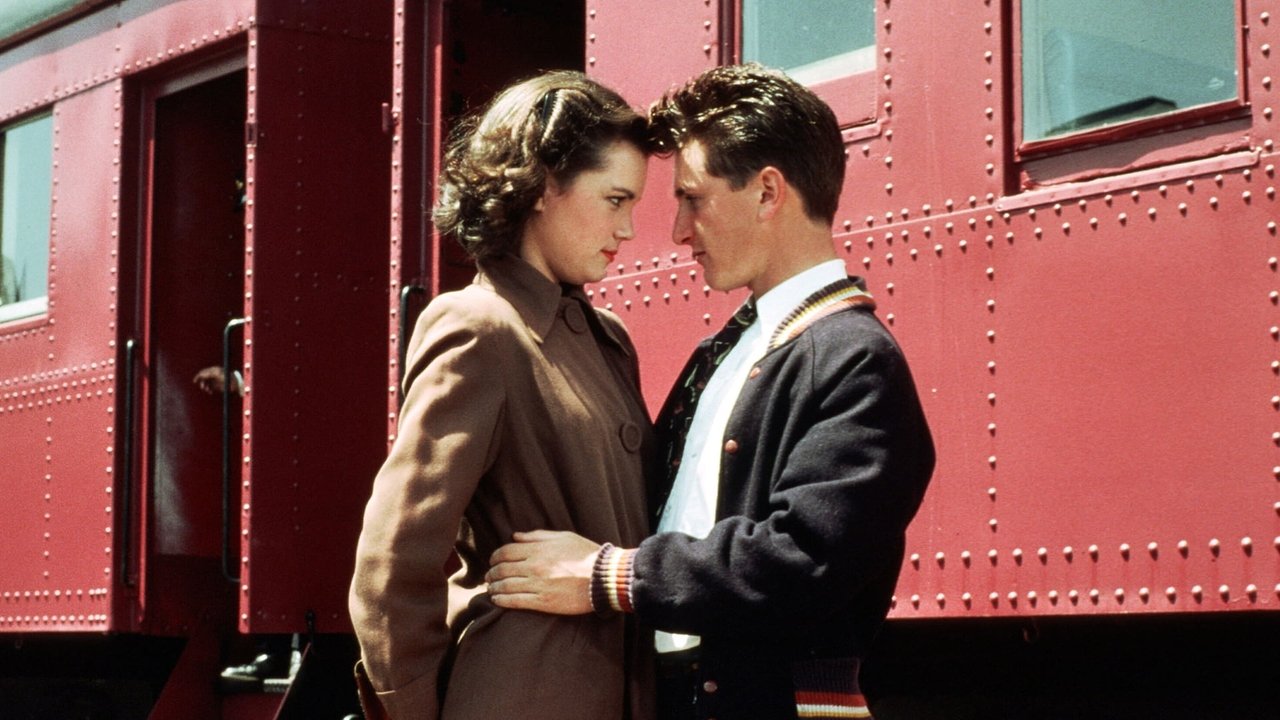
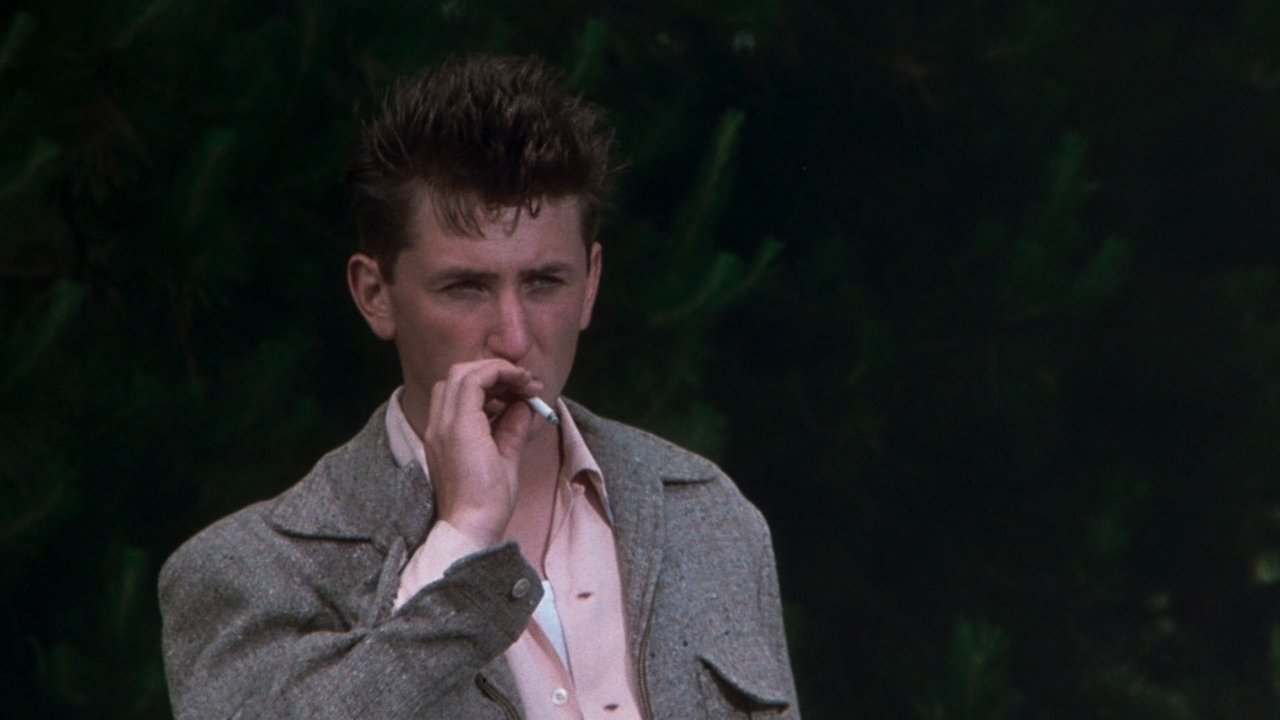
The setup is deceptively simple: Henry "Hopper" Nash (Sean Penn) and Nicky (Nicolas Cage) are best friends in a small Northern California town, working at the local bowling alley and chasing girls during their last few weeks before shipping out with the Marines. The war hangs over everything, a constant, low-grade hum beneath the surface of their teenage concerns. Hopper, intense and searching, finds himself drawn to Caddie Winger (Elizabeth McGovern), a thoughtful young woman working at the elegant local movie palace, who seems to exist just outside his working-class world. Nicky, meanwhile, is all restless energy and impulsive charm, navigating his own romantic entanglements with a characteristic lack of foresight. Their remaining time unfolds not with grand pronouncements, but with the small moments – clumsy dates, shared cigarettes, worries about money, and the unspoken understanding of the future they face together, yet separately.
A Glimpse of Future Titans
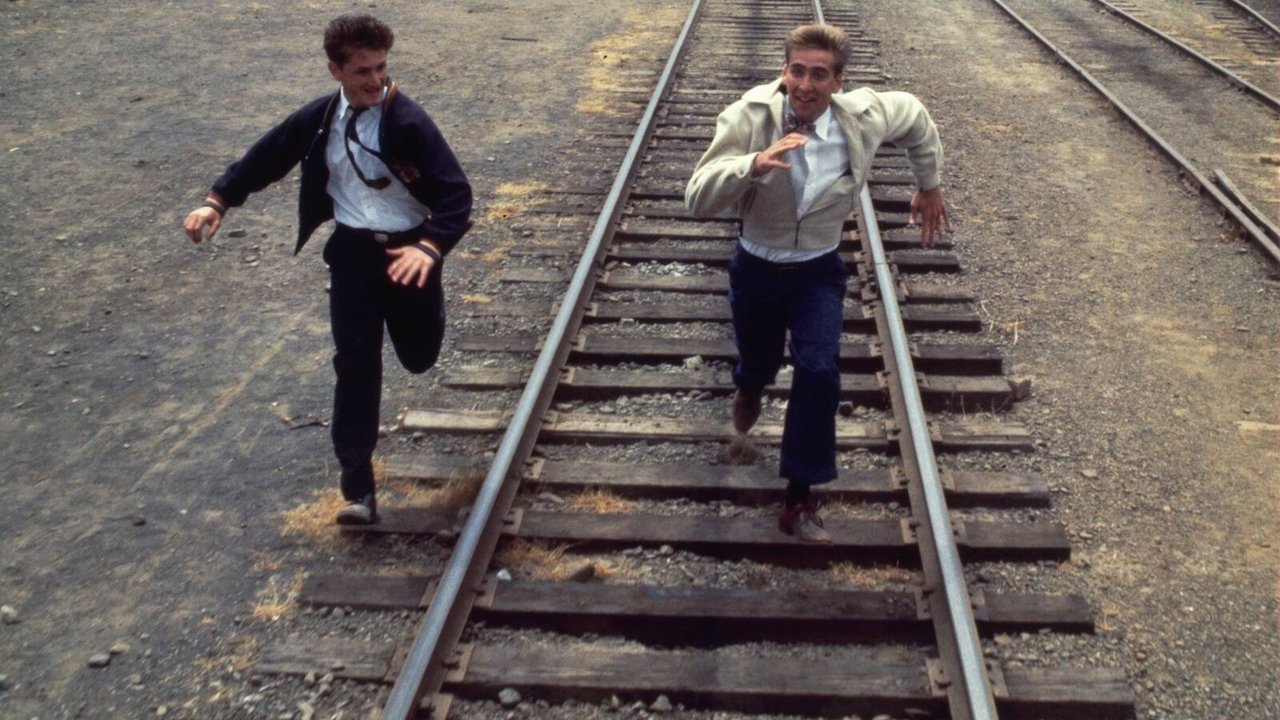
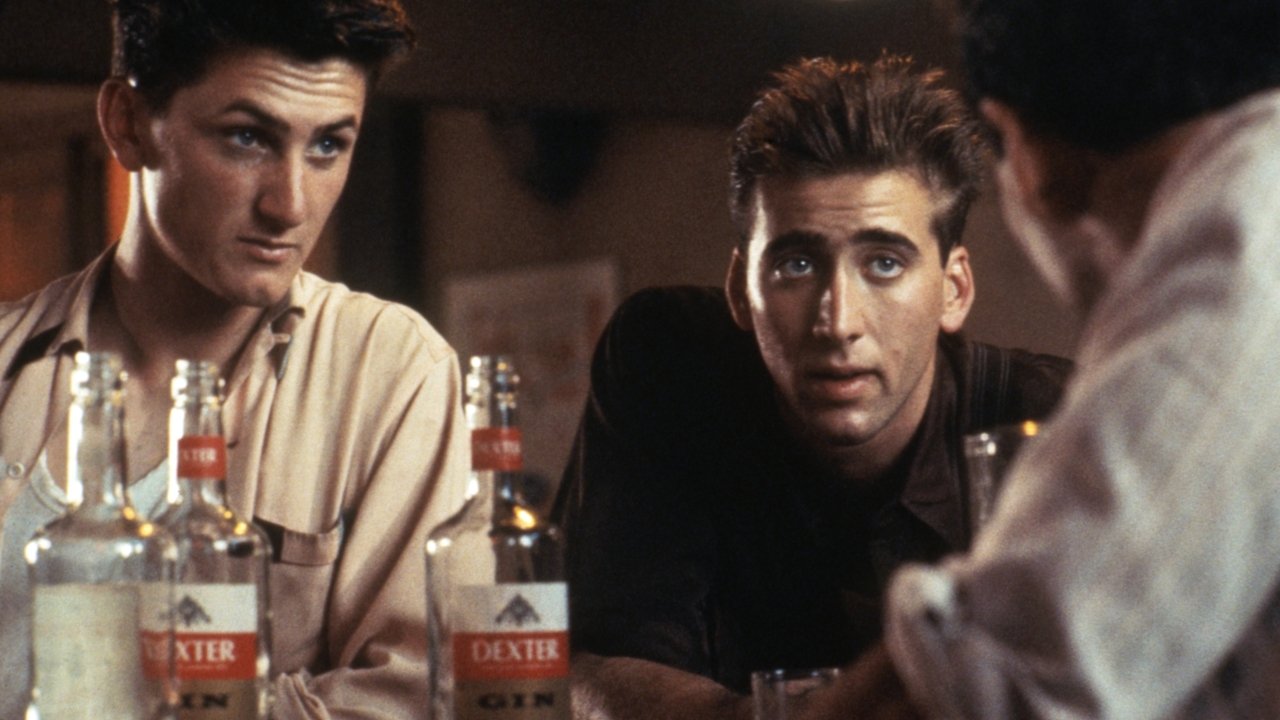
What truly elevates Racing with the Moon beyond a standard period piece is the raw, unvarnished talent of its young leads. Sean Penn, already demonstrating the brooding intensity that would define much of his career after films like Fast Times at Ridgemont High (1982), imbues Hopper with a captivating mix of vulnerability and quiet determination. You see the wheels turning behind his eyes, grappling with feelings he can't quite articulate. It's a performance less about explosive moments and more about sustained internal conflict, beautifully realized. Opposite him, Nicolas Cage (billed here under his family name Coppola in some early materials, though the film credits list Cage) is a firecracker. Even in this early role, predating his more eccentric turns but following noticeable parts in Valley Girl (1983), Cage brings a kinetic, slightly goofy energy to Nicky that perfectly complements Penn's introspection. Their bond feels authentic, forged in the shared experiences and anxieties of youth. Elizabeth McGovern, fresh off an Oscar nomination for Ragtime (1981), provides the film's grace note. Her Caddie is intelligent and observant, navigating her own complex circumstances with a quiet strength that makes her attraction to Hopper feel earned and compelling. Reportedly, Penn and McGovern were romantically involved during filming, and perhaps that real-life connection lends an extra layer of tentative intimacy to their scenes.
Crafted with Care, Born from Experience
This sensitive handling of character and mood owes much to director Richard Benjamin. Primarily known as an actor (Westworld), Benjamin showed a deft touch behind the camera in the 80s with films like My Favorite Year (1982), and here he resists any urge to sentimentalize the past or inflate the drama. The film breathes with a sense of lived-in reality, aided by John Bailey's evocative cinematography, which captures both the sun-drenched California landscapes and the shadowy interiors where secrets are shared. Adding another layer of authenticity is the fact that this was the very first produced screenplay by Steven Kloves. Kloves, who would later pen the masterful The Fabulous Baker Boys (1989) and adapt most of the Harry Potter saga, wrote Racing with the Moon while still a student at UCLA, drawing inspiration from his own father's stories of growing up during that era. This personal connection shines through in the script's nuanced observations and avoidance of easy clichés. It feels less like a story about 1942 and more like a story from 1942.
The Weight of Unspoken Things
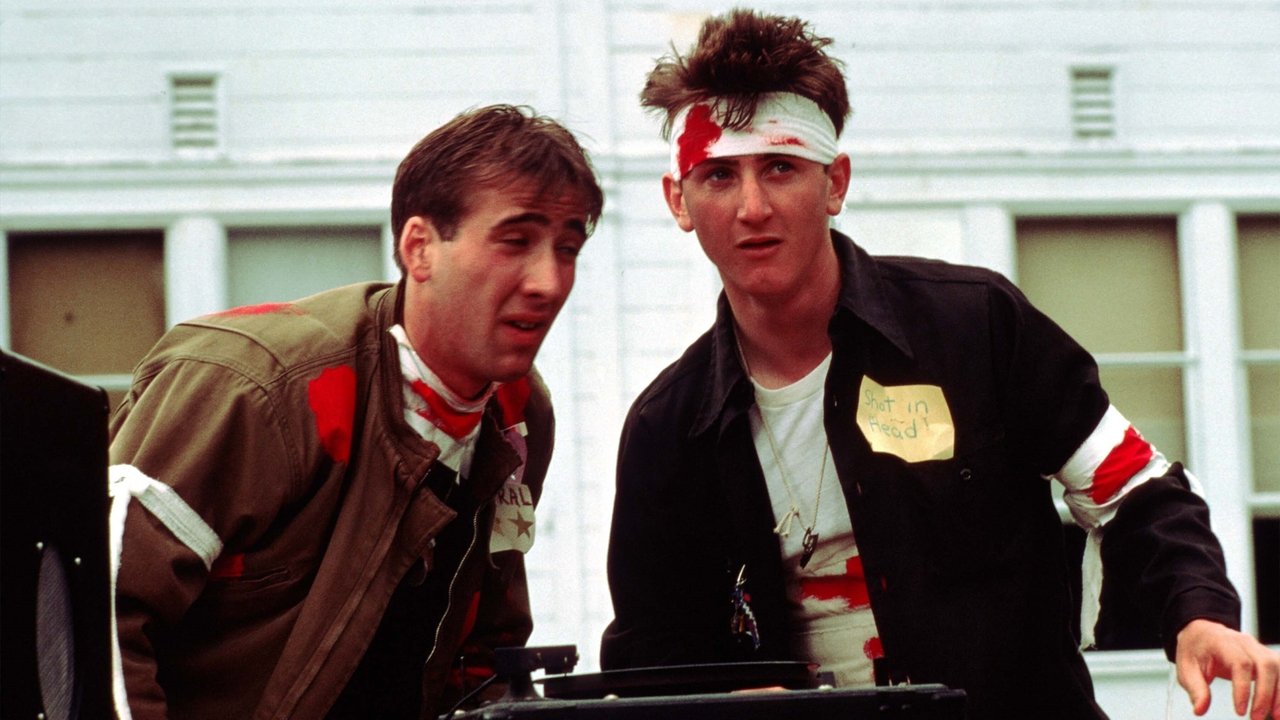
The film was shot largely on location in Northern California towns like Petaluma, which stand in beautifully for the period setting. There's a tangible sense of place that grounds the story. Interestingly, despite the star power and critical appreciation, Racing with the Moon wasn't a major box office hit, reportedly making around $6 million on a $7 million budget. Perhaps its quiet, observational nature didn't align with the louder, more spectacle-driven tastes of the mid-80s blockbuster era. Yet, its power doesn't lie in big moments, but in the accumulation of small ones: Hopper awkwardly trying to impress Caddie, Nicky's desperate schemes, the shared glances that speak volumes about fear and affection. It captures that universal feeling of being young and uncertain, caught between the familiar comforts of home and the terrifying unknown of the future. Doesn't that tension, that mix of excitement and dread about what lies ahead, resonate regardless of the era? The title itself remains slightly enigmatic – are they racing against time, against fate, or simply chasing the ephemeral glow of youth before it fades?
Rating: 8/10
Racing with the Moon earns its 8/10 rating through its exceptional performances, particularly from Penn and Cage early in their careers, its deeply felt sense of time and place, and its refreshingly honest, unsentimental portrayal of youth on the brink of enormous change. Kloves' debut script provides a strong foundation, and Benjamin directs with sensitivity and restraint. It might move at a more deliberate pace than some viewers expect, focusing on character nuance over plot fireworks, but that's precisely where its strength lies. It avoids the common pitfalls of nostalgic dramas, offering instead a poignant and authentic glimpse into a specific historical moment through the eyes of characters who feel remarkably real.
It’s the kind of film that might have sat quietly on the shelf at the video store, easily overlooked next to splashier covers. But for those of us who picked up that tape, perhaps drawn in by the familiar faces, Racing with the Moon offered something more substantial: a gentle, melancholic reflection on the moments that shape us, leaving behind not explosive memories, but the quiet echo of choices made and futures faced.