How can a death be foretold – announced across dusty streets, whispered in doorways, known to seemingly everyone – and yet unfold with such relentless, tragic inevitability? That unsettling question lies at the simmering heart of Francesco Rosi's 1987 adaptation of Gabriel García Márquez's acclaimed novella, Chronicle of a Death Foretold. This isn't your typical VHS-era fare; nestled perhaps between gaudier action flicks and brighter comedies on the rental shelf, discovering this tape felt like finding a serious, sun-baked slice of world cinema, demanding a different kind of attention.
### The Heat and the Inevitable
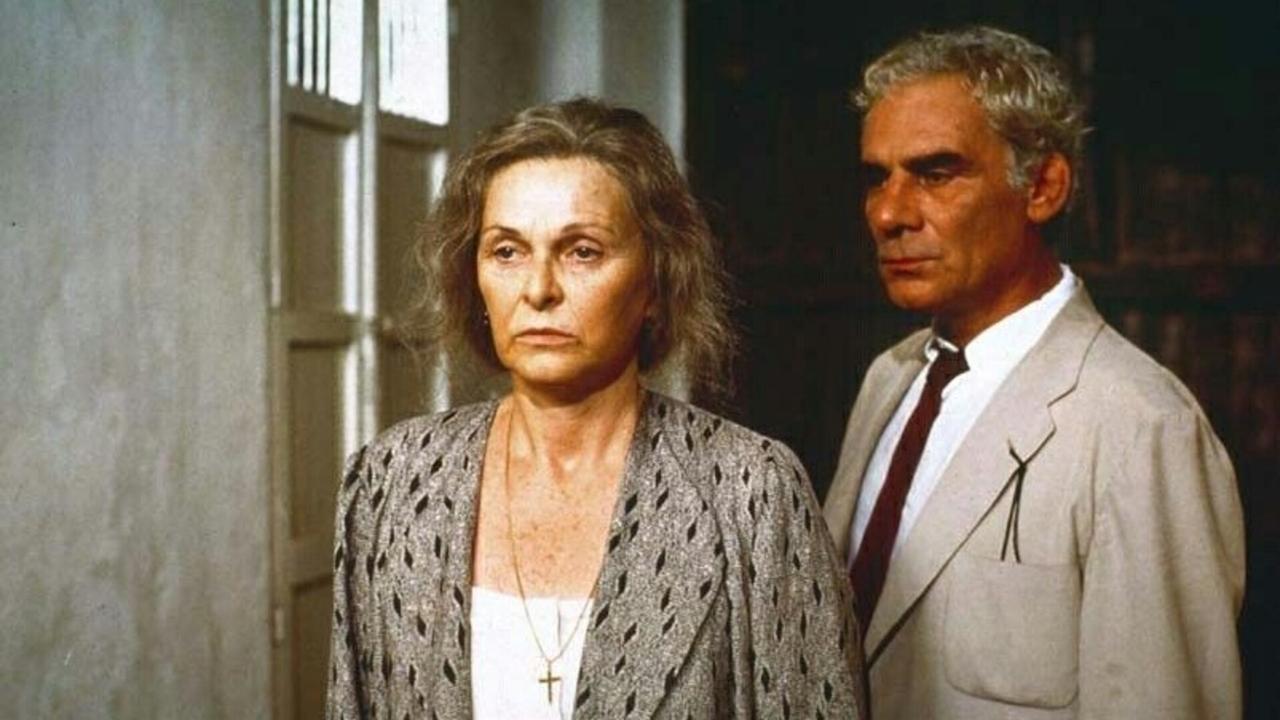
From the outset, Rosi plunges us into a palpable atmosphere. Working with the legendary cinematographer Pasqualino De Santis (who gifted us the look of Zeffirelli's Romeo and Juliet), he crafts a world saturated less with vibrant colour and more with oppressive heat and the weight of unspoken tensions. You can almost feel the dust settling in the Colombian town square (filming took place on location, lending incredible authenticity to Mompox and Cartagena). The narrative structure, mirroring Márquez's fragmented, journalistic approach, circles back again and again to the hours leading up to the brutal murder of Santiago Nasar (Anthony Delon), accused by the newlywed Angela Vicario (Ornella Muti) of taking her virginity. Her brothers, the twins Pedro and Pablo (Sergi Mateu and Joaquín Martinez), openly declare their intention to kill Santiago to restore the family's honor. The town knows. The priest knows. The mayor knows. And yet... nothing is done.
### A Community Under a Spell
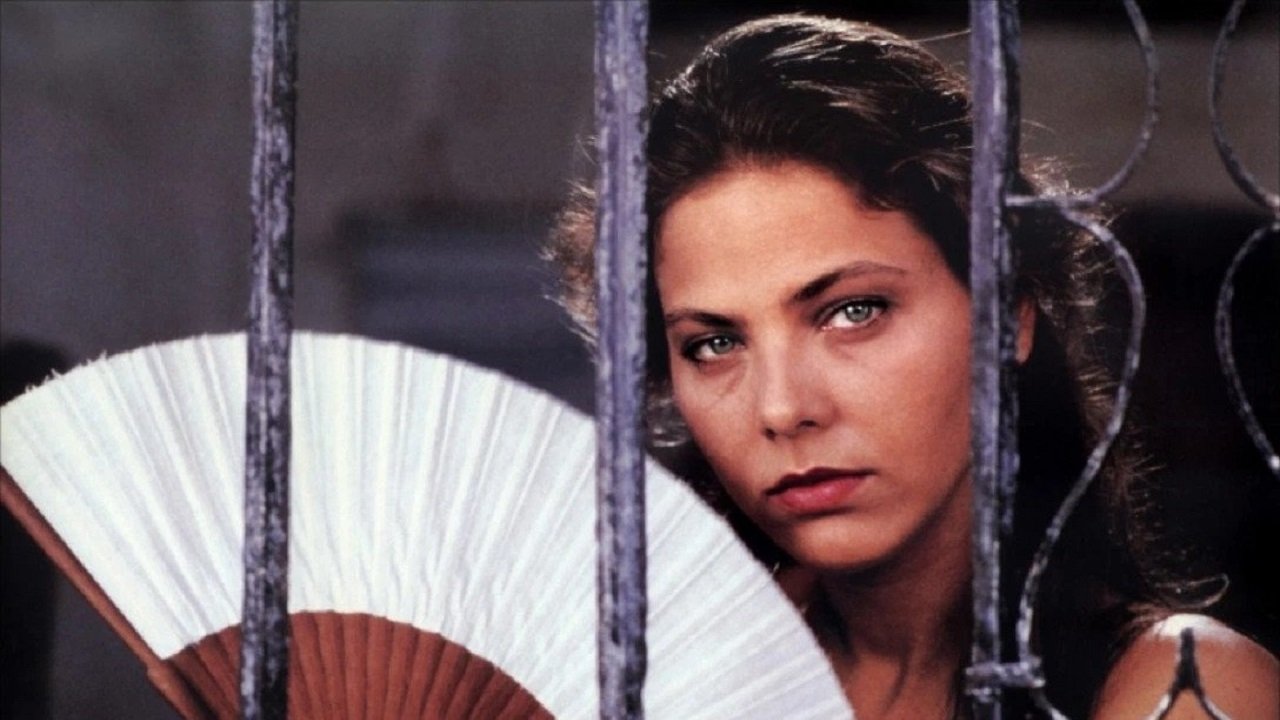
Rosi, a director known for his probing, almost forensic examinations of social and political structures in films like Salvatore Giuliano and Hands Over the City, masterfully translates the novella's core theme: collective complicity. It’s less a whodunit and more a "why-wasn't-it-stopped?". The film explores the paralysis gripping the community – a complex stew of rigidly enforced honor codes, fear, miscommunication, apathy, and perhaps a subconscious, almost ritualistic acceptance of fate. Each character who fails to intervene offers their own rationalization, their own small piece of the puzzle that, when assembled, reveals a staggering communal failure. Does this passivity indict the specific culture depicted, or does it hold a mirror to the ways any society can turn a blind eye to impending tragedy? The question lingers, heavy as the midday sun.
### Faces in the Crowd
The international casting brings together some compelling figures. A young Rupert Everett, then riding a wave of stardom from films like Another Country, cuts an imposing, enigmatic figure as Bayardo San Román, the wealthy, mysterious outsider whose jilting of Angela sets the tragedy in motion. His arrival is like a stone dropped into the town's stagnant pond. Everett, though dubbed into Italian like much of the international cast in this Italian-French-Colombian co-production, conveys Bayardo’s charisma and wounded pride effectively through presence alone. Ornella Muti, a major European star, portrays Angela with a fascinating blend of vulnerability and unsettling ambiguity. What truly happened? Her face keeps its secrets. And anchoring the frantic attempts to piece together the truth and perhaps avert disaster (though we know it's futile) is the great Gian Maria Volonté as Cristo Bedoya, the doctor and friend of the narrator trying desperately to warn Santiago. Volonté, a frequent collaborator with Rosi, brings his trademark gravitas and earthy realism, acting as our conscience within the unfolding nightmare.
### From Page to Screen (and Reality)
Adapting Márquez is no small feat, especially a work built on shifting timelines and perspectives. Rosi, co-writing the screenplay with the celebrated Tonino Guerra and Márquez himself, tackles this by embracing a mosaic structure. Flashbacks and present-day investigations intertwine, creating a sense of events replaying, examined from different angles, yet always marching towards the same bloody conclusion. It’s a testament to Rosi’s skill that this potentially confusing structure feels purposeful, reflecting the fragmented nature of memory and the town's collective, perhaps guilt-ridden, recollection. It’s also worth remembering the chilling source of the story: Márquez based the novella on a real honor killing that occurred in Sucre, Colombia, in 1951. This grounding in reality adds another layer of profound sadness to the proceedings. While it didn't set the box office alight, the film's pedigree was recognized with a nomination for the prestigious Palme d'Or at the Cannes Film Festival.
### The Weight of Foreknowledge
Chronicle of a Death Foretold isn't an easy watch. Its pace is deliberate, reflecting the lethargy of the town and the slow creep of dread. It doesn't offer simple answers or catharsis. Instead, it leaves you contemplating the complex web of human behavior, societal pressure, and the chilling ease with which violence can be accepted when responsibility is diffused among the many. Finding this on VHS was like stumbling upon a hidden gem, a demanding yet rewarding piece of cinema that stood apart from the usual escapism. It was the kind of film that sparked conversations long after the VCR clicked off.
Rating: 8/10
This rating reflects the film's masterful creation of atmosphere, its thoughtful handling of complex themes, strong performances (especially from Volonté and Muti), and Rosi's skillful direction in adapting a challenging literary source. It successfully captures the crushing weight of inevitability and collective guilt. It loses a couple of points perhaps for a pacing that might test some viewers and the inherent limitations of translating Márquez's rich prose fully to the screen, but it remains a powerful and haunting piece of filmmaking.
Final Thought: What stays with you most isn't the violence itself, but the deafening silence of the community that allowed it to happen – a silence that echoes uncomfortably, even decades later.