There’s a specific chill that creeps in during the opening narration of Silver Bullet, a sense of dread settling over the idyllic facade of Tarker's Mills like an early autumn fog. It speaks of a town nestled comfortably in normalcy, blissfully unaware of the lunar cycle about to unleash a primal terror upon it. Watching it again, decades later, that feeling remains potent – the unease of something ancient and savage lurking just beyond the manicured lawns and white picket fences. This wasn't just another monster movie; it felt personal, grounded in characters that breathed the same anxious air we did, huddled around our buzzing CRT screens.

Small Town Nightmares
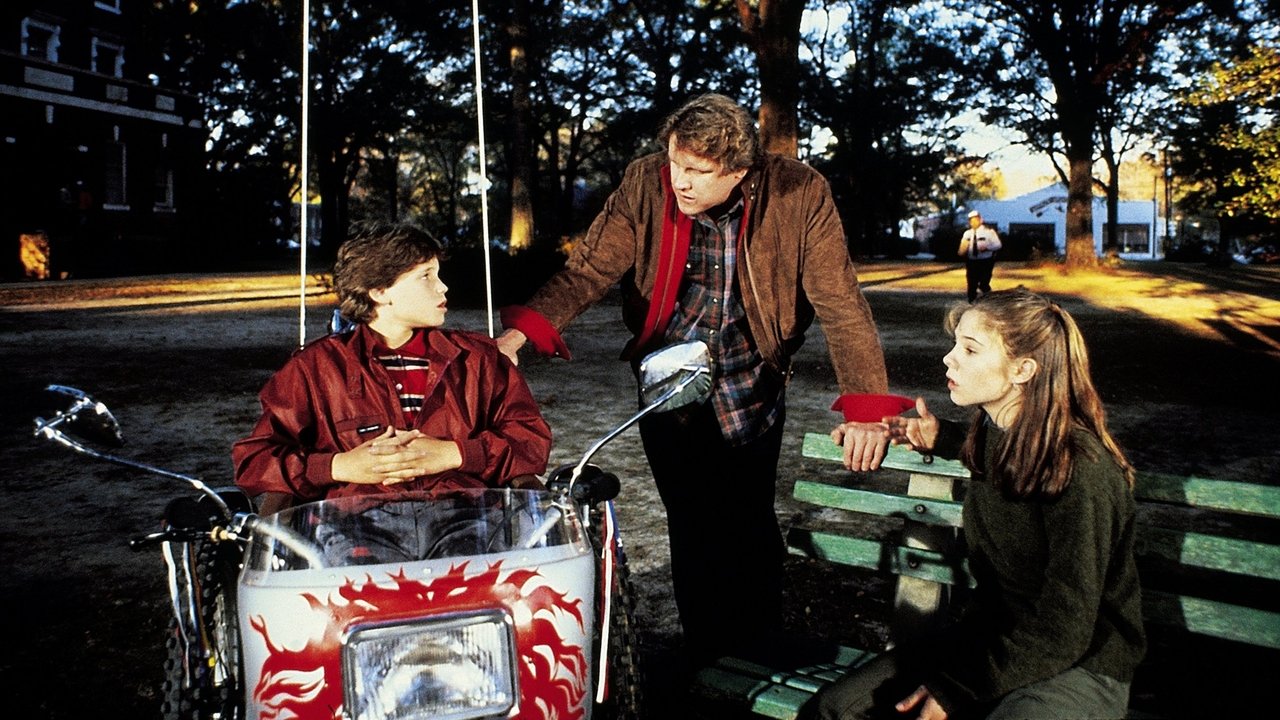
Based on Stephen King's illustrated novella Cycle of the Werewolf, Silver Bullet (1985) benefits immensely from King adapting his own work for the screen – a rarity where he held the sole screenwriting credit. His intimate knowledge of the characters and the claustrophobic small-town dynamic translates beautifully. We're introduced to the Coslaw family, particularly young Marty (Corey Haim), a paraplegic kid whose disability makes him both uniquely vulnerable and unexpectedly resourceful. Haim, already radiating that earnest charm that would define his 80s roles, portrays Marty not as a victim, but as a determined, observant force. His souped-up wheelchair, affectionately nicknamed "The Silver Bullet," becomes more than just transport; it's his chariot in the face of encroaching darkness. His bond with his older sister Jane (Megan Follows) feels authentic, capturing that familiar sibling blend of antagonism and fierce loyalty.
Uncle Red Steals the Show
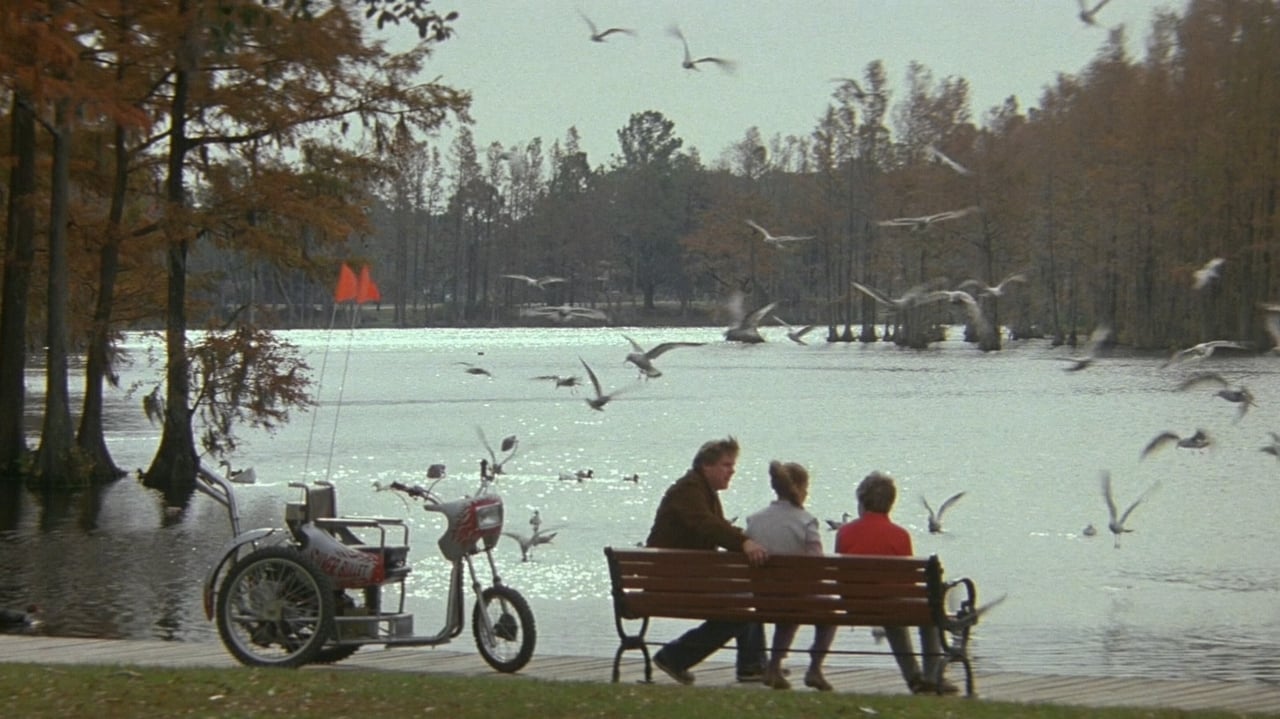
And then there’s Uncle Red. Oh, Gary Busey. In a role that feels tailor-made for his specific brand of chaotic energy, Busey barrels into the film as Marty's hard-drinking, inappropriate, but ultimately loving uncle. He’s the irresponsible adult every kid secretly wishes they had, supplying fireworks and later, the titular weapon. Busey's performance is gloriously unhinged, a whirlwind of questionable advice and genuine affection that provides both levity and heart. It's easy to imagine director Daniel Attias, making his feature debut here before becoming a prolific force in prestige television (The Sopranos, Six Feet Under), giving Busey considerable leeway. Reportedly, Busey and Haim developed a strong rapport on set, which shines through in their believable, often hilarious interactions. Was his performance over the top? Absolutely. But wasn't that part of the fun, part of what made him so damn watchable?
Building the Beast
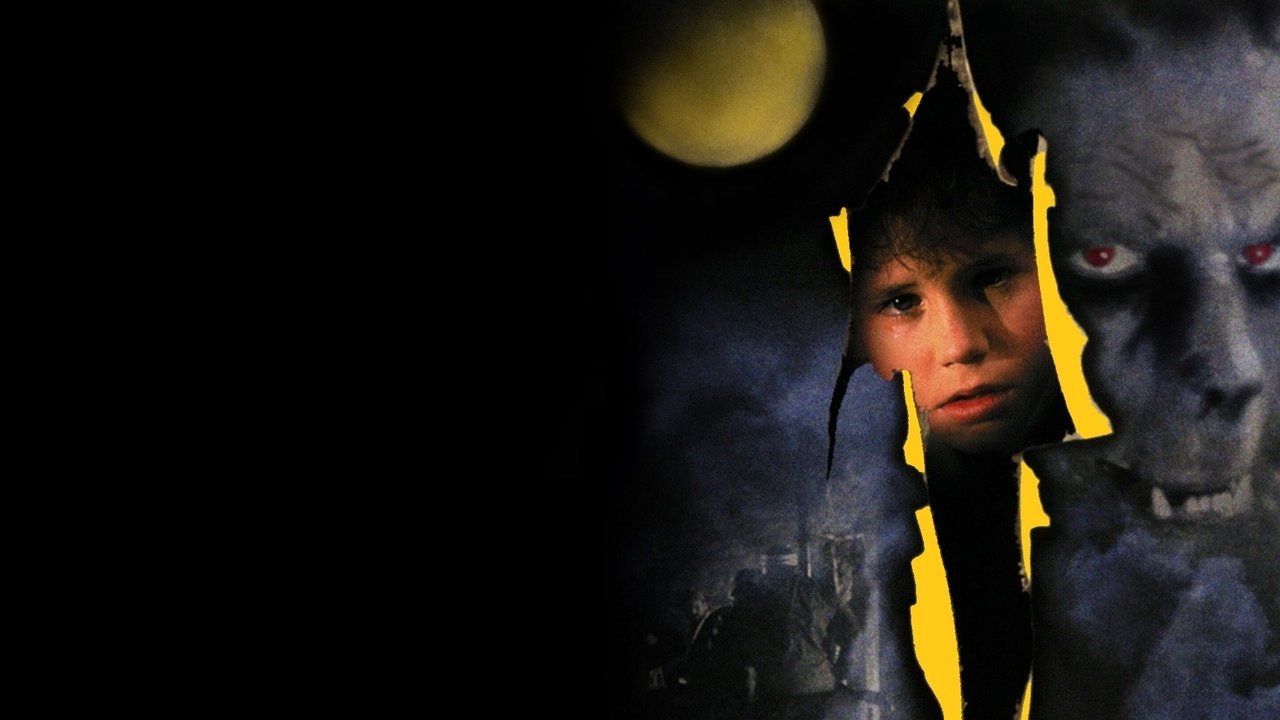
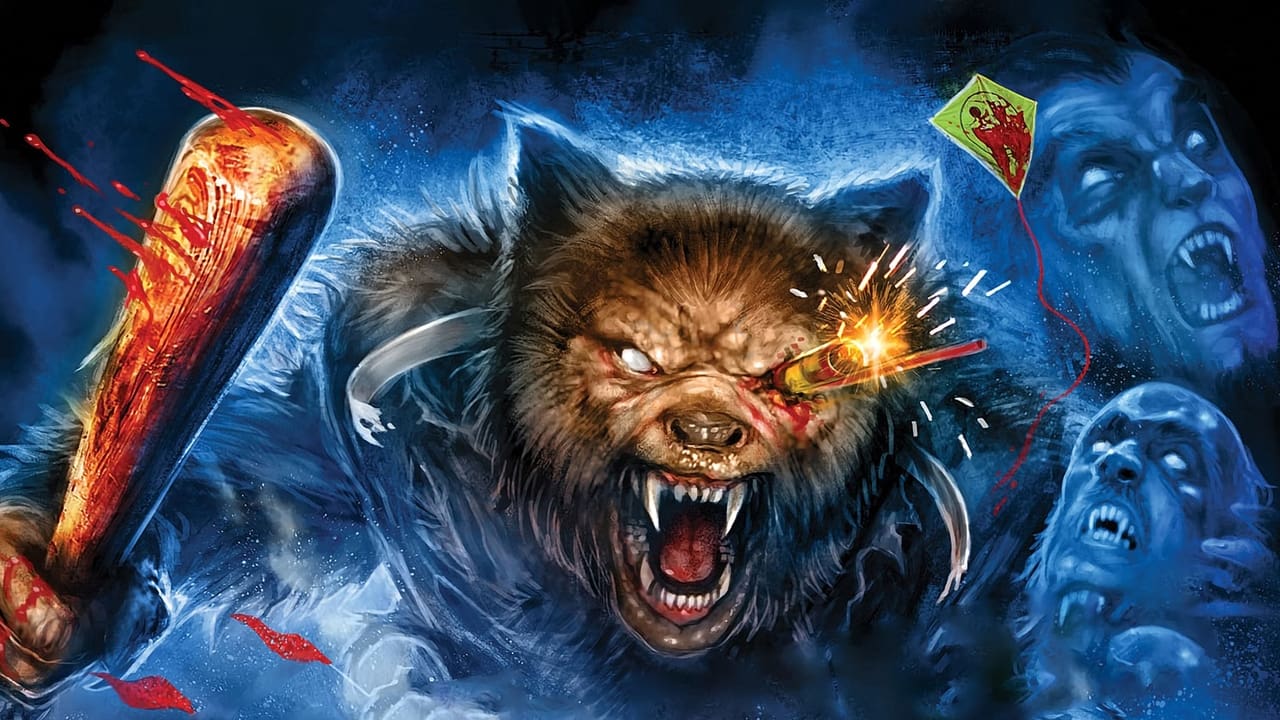
The film wisely keeps its monster shrouded in suggestion for a good portion of its runtime. We see the aftermath of its savagery, hear the terrified whispers spreading through Tarker's Mills, and feel the mounting panic as the body count rises. Attias builds tension effectively, using point-of-view shots and relying on sound design – the rustling leaves, the distant howl – to create unease. When the werewolf is finally revealed, it’s a product of its time. Designed by the legendary Carlo Rambaldi (the genius behind E.T. and the Xenomorph head mechanics in Alien), the suit has a certain tangible quality that CGI often lacks. Yes, in some shots, particularly in broad daylight during the finale, it can look a bit… well, stiff. Rambaldi’s creation was apparently quite cumbersome for the performer inside. Yet, in dimly lit scenes, glimpsed partially or lunging from the shadows, it retains a bestial power. The transformation scenes, while brief, utilize practical effects that, back on VHS, felt genuinely grotesque and startling.
Faith, Fear, and Fireworks
At its core, Silver Bullet isn't just about a werewolf; it's about the loss of innocence and the terrifying realization that monsters can wear familiar faces. The casting of Everett McGill as Reverend Lowe is crucial. McGill brings a palpable internal conflict to the role, portraying a man of God wrestling with an unholy affliction. His sermons become laced with unintended menace, his attempts at reassurance ringing hollow as the beast within strains against its leash. The scene where Marty confronts the werewolf with fireworks remains an iconic moment of 80s horror – a desperate, ingenious act of defiance by a kid refusing to be helpless. It’s pure King: youthful bravery against overwhelming, adult-world darkness. Filmed primarily in North Carolina, the locations lend an authentic, slightly damp, backwoods atmosphere that enhances the feeling of isolation. While perhaps not boasting the budget of bigger studio horror flicks of the era (made for around $7 million, grossing a respectable $12.4 million), the filmmakers used their resources effectively to craft the right mood.
Lasting Howl
Silver Bullet might not be the most sophisticated werewolf film ever made, nor the most terrifying King adaptation. It occasionally stumbles, the pacing sometimes lags, and the creature effects, while charmingly retro, haven’t aged flawlessly. Yet, it possesses an undeniable heart and atmosphere that keeps drawing viewers back. It captures that specific 80s blend of coming-of-age drama and creature feature, anchored by memorable performances, particularly from Haim and the electric Busey. It’s a film that understood the primal fear of the dark just outside your window, the terror that could be hiding behind the most trusted eyes in town. Revisiting it feels like digging out a cherished, slightly worn tape – the picture might not be perfect, but the feeling it evokes is pure VHS Heaven comfort food, albeit with a side of lycanthropic dread.
Rating: 7/10
This score reflects Silver Bullet's status as a highly enjoyable, atmospheric, and fondly remembered 80s horror entry. It boasts strong performances (especially Busey's iconic turn), a solid King adaptation that captures his small-town vibe, and effective tension-building. Points are slightly deducted for the sometimes dated-looking werewolf suit and occasional pacing dips, but its nostalgic charm and genuine heart elevate it significantly. It remains a must-watch for King fans and lovers of 80s creature features, a perfect slice of small-town terror from the heyday of the video store.