Children of the Corn III: Urban Harvest
Hidden amongst the zealous, sickle-wielding acolytes and unnaturally verdant stalks pushing through cracked Chicago concrete in Children of the Corn III: Urban Harvest, you might spot a fleeting glimpse of a future Hollywood heavyweight. Blink and you'll miss her, but yes, that's a pre-fame Charlize Theron earning her stripes (uncredited) as one of Eli's devoted followers. It’s one of those strange little footnotes clinging to a film that tried desperately to transplant Stephen King's rural terror into the heart of the city, a gamble that yielded… well, results as mixed and oddly compelling as genetically modified corn itself.
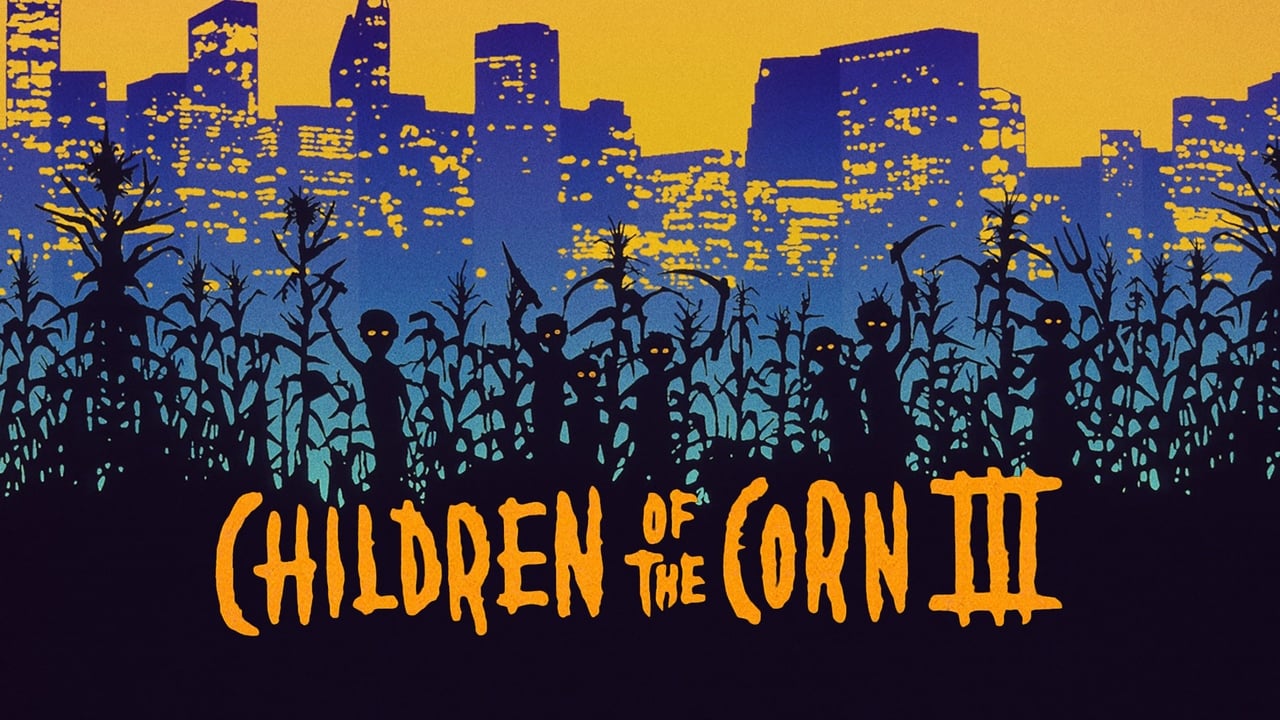
Concrete Jungle, Amber Waves of Pain
The premise felt like a genuine attempt to shake up the formula back in '95. After the fiery conclusion of the previous Gatlin escapade, young brothers Eli (Daniel Cerny) and Joshua (Ron Melendez) are orphaned and relocated to the bustling metropolis of Chicago, fostered by the well-meaning Porter family (Jim Metzler and Nancy Lee Grahn). Joshua tries to adapt, haunted but hopeful. Eli, however… Eli arrives with a small suitcase containing sacred Nebraska soil and corn seeds, radiating an unnerving piety that chills long before the first stalk breaks ground. He’s less a traumatized child, more a pint-sized prophet of doom, played with remarkable intensity by Cerny, who carries much of the film's unsettling weight on his young shoulders. His unwavering gaze and eerily calm pronouncements are genuinely effective, tapping into that primal fear of the malevolent child.
He Who Walks Between the High-Rises
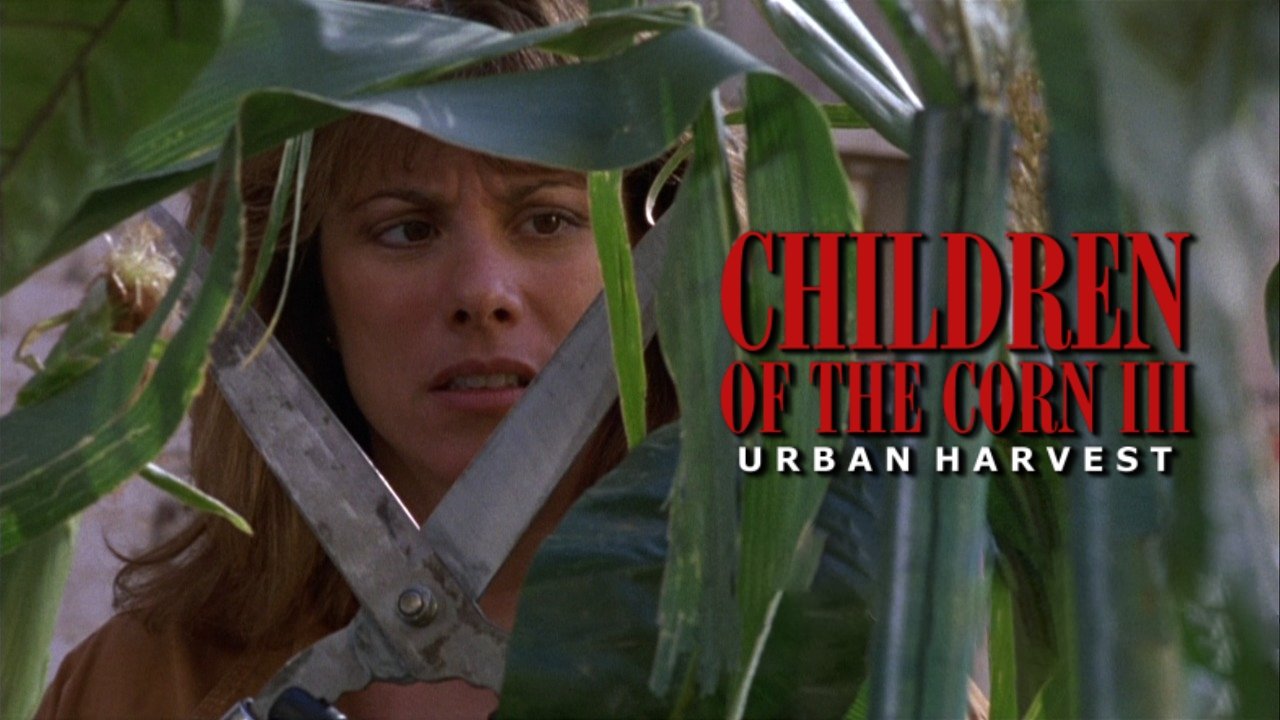
Director James D.R. Hickox (brother of Anthony, who gave us Waxwork (1988), and son of Douglas of Theatre of Blood (1973) fame) understands the core appeal isn't subtlety. This was the first Children of the Corn entry designed for the direct-to-video market in the US, greenlit with a modest budget rumored around $2 million, and it leans into the inherent B-movie potential. Shot primarily in Los Angeles standing in for Chicago, the film finds a strange sort of dread in the juxtaposition of Eli's agrarian cult and the urban decay. An abandoned warehouse lot becomes his unholy cathedral, the corn growing with terrifying speed, nourished by something far darker than miracle grow. Soon, Eli is recruiting disillusioned city kids, offering them purpose, belonging, and a terrifying devotion to "He Who Walks Behind the Rows." Remember the unease of seeing those familiar cornfields invade the city sprawl? It felt like a violation, the natural world turning monstrous within the supposed safety of civilization.
Sowing Seeds of Gore
While the plot follows a familiar trajectory – Joshua slowly realizes the depth of his brother's evil and must stop him, aided by classmate Maria (Mari Morrow) – Urban Harvest delivers on the gruesome set pieces expected from a mid-90s horror sequel. The practical effects, while perhaps looking a bit rubbery through modern eyes, had a certain tactile grossness on VHS that stuck with you. We get impalements via corn stalk, a nasty fate involving mutated vines, and a particularly memorable (and darkly ironic) demise for one unfortunate adult involving Voodoo economics and killer corn. These moments, delivered with a certain brutal efficiency, were the currency of the video store horror shelf. They lacked the creeping dread of the original but offered visceral shocks that felt potent late at night, the flickering CRT casting long shadows. It’s also fun spotting another familiar face from the era: Nicholas Brendon, just before hitting it big as Xander on Buffy the Vampire Slayer (1997-2003), pops up as one of the basketball players who runs afoul of Eli's influence.

The Harvest
Urban Harvest isn't high art, let's be clear. The script has holes you could drive a combine harvester through, and some performances outside the core siblings feel perfunctory. Yet, there's an earnestness to its pulp ambitions. The attempt to evolve the threat beyond the cornfields, Cerny's genuinely creepy turn as Eli, and the sheer audacity of the climax – involving a truly grotesque corn-demon monstrosity that feels straight out of a nightmare garden – give it a weirdly enduring quality. It understands its audience wanted escalating stakes and creature-feature payoffs, and it delivers them with a certain grungy enthusiasm characteristic of the best DTV horror of the period. I distinctly remember grabbing this tape, intrigued by the urban setting promised on the cover, and feeling it delivered a specific kind of schlocky, gory satisfaction.
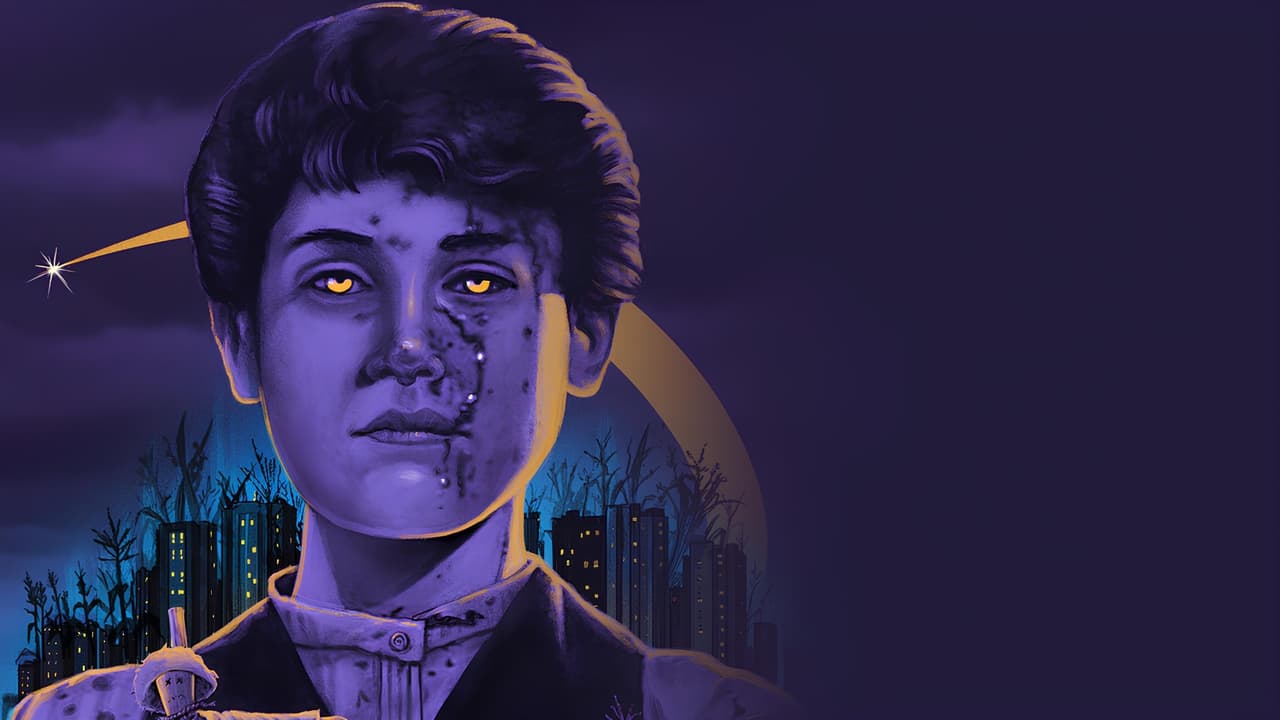
Rating: 6/10
Justification: While hampered by its budget, some uneven acting, and a plot that rehashes familiar beats, Children of the Corn III: Urban Harvest earns points for its ambitious setting shift, Daniel Cerny's chilling central performance, and some memorably gruesome practical effects sequences. The cameos add a fun retro footnote. It might be mid-tier franchise fodder, but it's arguably one of the more entertaining and inventive sequels, embracing its B-movie roots with memorable results that likely satisfied many a weekend horror rental craving back in the day.
It stands as a testament to the strange resilience of King's original short story – proof that even when transplanted to the concrete jungle, the fear seeded in those Nebraska fields could still find fertile ground to grow.