It’s hard to imagine a Christmas season back in the 80s or 90s without the familiar opening strains and the sight of a certain miserly duck counting his riches. For many of us who haunted the aisles of video stores or eagerly awaited holiday specials on TV, Mickey's Christmas Carol wasn't just another cartoon – it felt like an event. Released in 1983, this wasn't merely a festive retelling; it marked the triumphant return of Mickey Mouse himself to the silver screen after a thirty-year hiatus from original theatrical shorts. That alone gave it a special kind of magic, a feeling that we were witnessing something significant, even if we were just kids glued to the CRT screen.
A Dickens Tale, Disneyfied
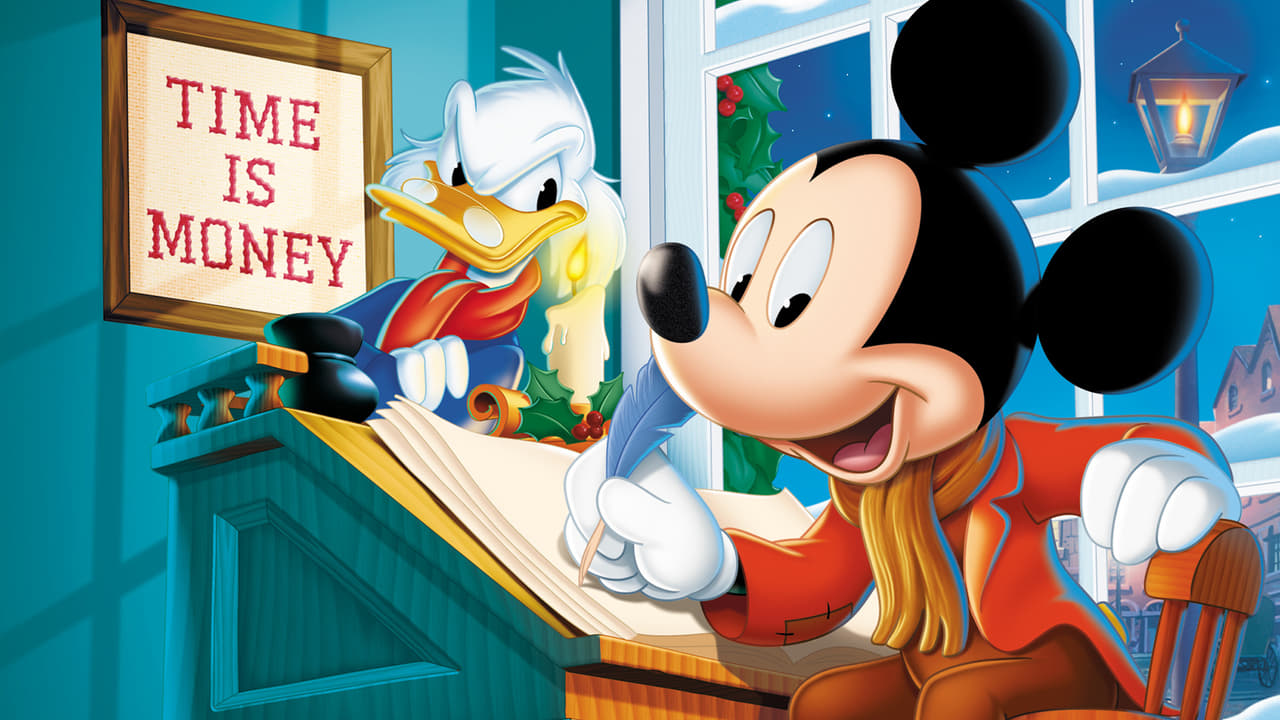
The premise, of course, is Charles Dickens' immortal classic, but filtered through the unmistakable lens of Walt Disney Productions. Helmed by Disney stalwart Burny Mattinson (who had a hand in everything from Lady and the Tramp to The Lion King), the short reimagines the familiar characters of A Christmas Carol with beloved Disney icons. And honestly, has there ever been more perfect casting than Scrooge McDuck as Ebenezer Scrooge? It’s a role Alan Young seemed born to play, bringing his distinctive Scottish burr and expert blend of curmudgeonliness and eventual warmth. Young had actually originated the voice for the character on the 1974 Disneyland Records audio musical, An Adaptation of Dickens' Christmas Carol, which served as the direct inspiration for this animated featurette. Seeing him bring that performance to life visually felt incredibly right.
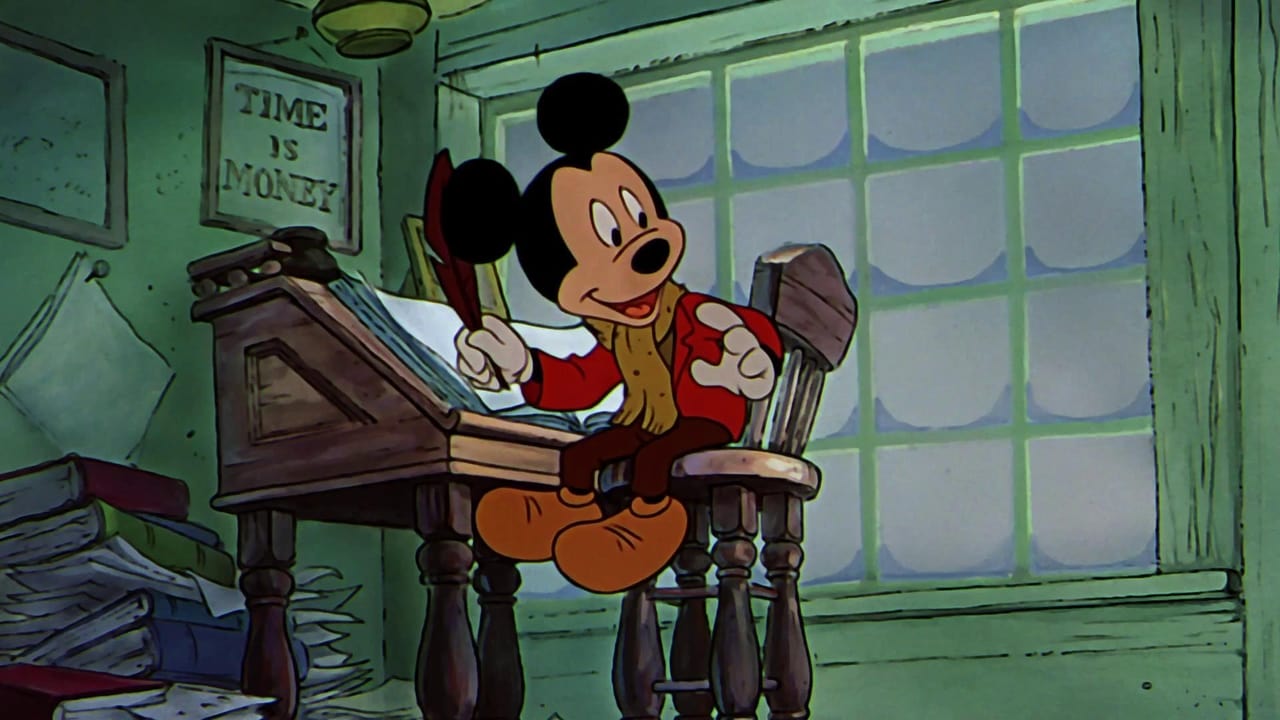
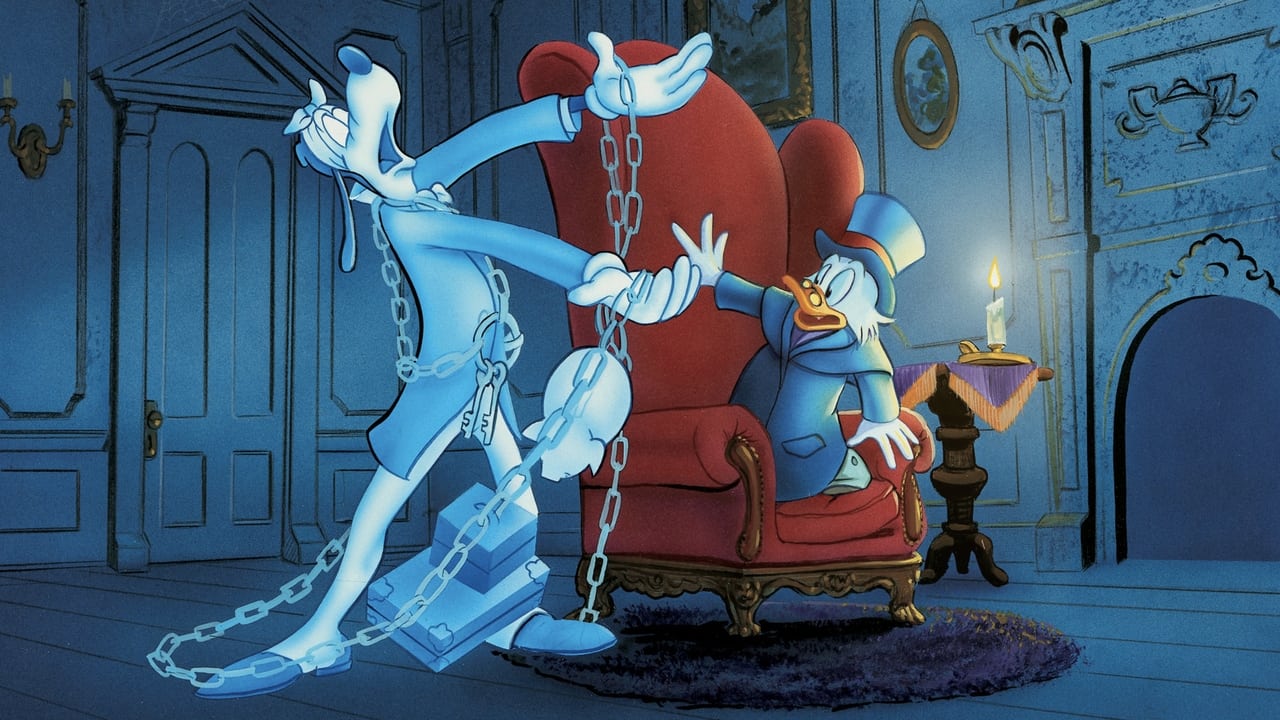
Opposite him, Wayne Allwine stepped into the spotlight for his first major performance as Mickey Mouse, portraying the eternally optimistic Bob Cratchit. It’s a gentle, heartfelt performance that anchors the story’s emotional core. The supporting cast is a delightful who's-who of Disney history: Goofy makes a surprisingly effective (and hilariously clumsy) Jacob Marley, rattling his chains with characteristic pratfalls. Jiminy Cricket, ever the conscience, is a natural fit as the Ghost of Christmas Past, while the booming Willie the Giant embodies the Ghost of Christmas Present with infectious joy. Pete, Disney's perennial heavy, looms large and genuinely menacing as the silent, imposing Ghost of Christmas Future. It’s this clever integration of familiar faces that makes the story feel both timeless and uniquely Disney.
More Than Just a Retelling
What Mickey's Christmas Carol does so brilliantly is condense Dickens' narrative into a brisk 26 minutes without losing its essential heart. Director Mattinson and his team (including writers Tony L. Marino, Ed Gombert, and Don Griffith) understood the assignment: capture the spirit of redemption and generosity while sprinkling in enough visual gags and character moments to keep it engaging for all ages. The animation itself feels like a warm hug from the past – classic Disney craftsmanship, rich colours, and expressive character work that recalls the studio's golden age. There’s a tangible quality to it, a hand-drawn charm that feels miles away from today’s slick digital productions.
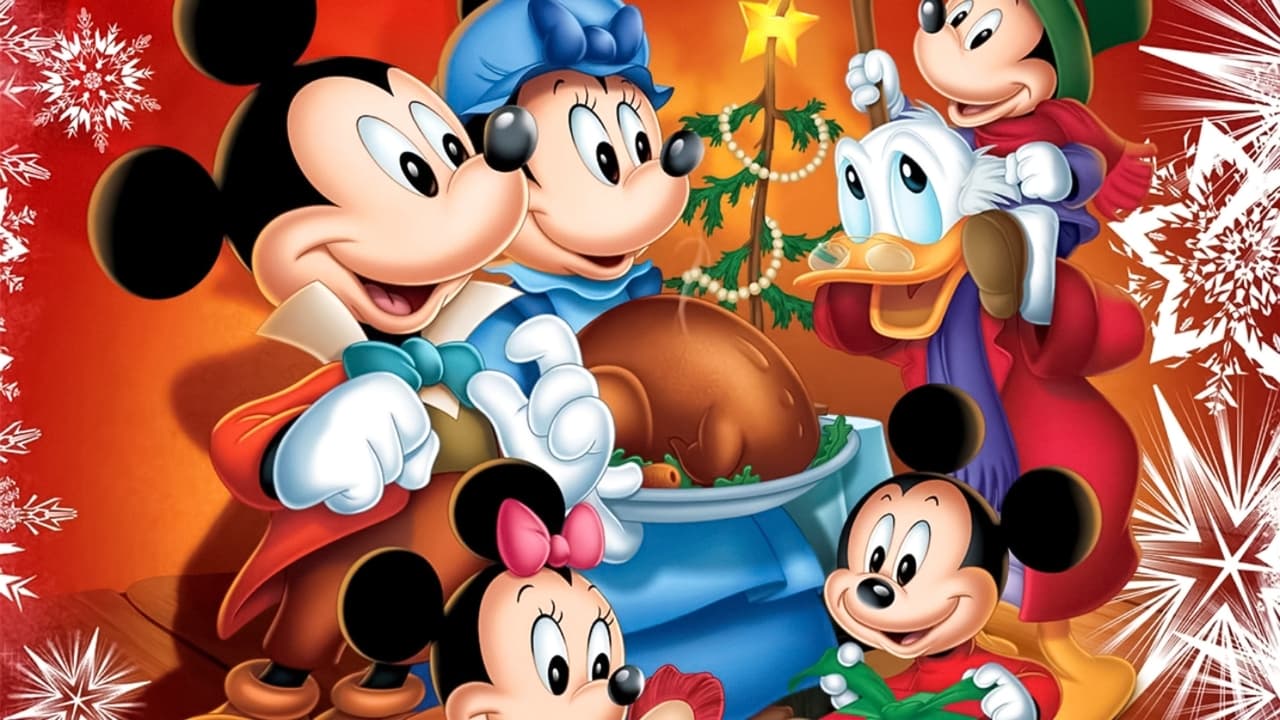
Remember those moments? Ratty and Moley (from The Wind in the Willows) collecting for the poor, braving Scrooge’s icy dismissal? Or the sheer delight of Fezziwig’s party, bursting with energy and familiar faces enjoying the festivities? These scenes weren't just plot points; they were little windows into a world we loved, populated by characters who felt like old friends. Even the darker moments, like the chilling reveal of the future gravestones (Ignorance and Want personified as desperate, shadowed children beneath the Ghost of Christmas Present's robe, and Scrooge's own neglected plot), carry weight without becoming overwhelmingly frightening for younger viewers – a testament to the careful tonal balance.
Retro Fun Facts & Enduring Appeal
Beyond its narrative strengths, Mickey's Christmas Carol holds a special place in Disney history. As mentioned, it broke Mickey's three-decade absence from theatrical shorts (his last having been 1953's The Simple Things). It wasn't just dumped onto home video either; it received a proper theatrical release, playing alongside the 1983 re-issue of The Rescuers (1977), giving audiences a double dose of Disney goodness. The critical reception was warm, culminating in a well-deserved nomination for the Academy Award for Best Animated Short Film – a significant nod for a project starring the company mascot.
Its life on VHS and television cemented its status as a holiday institution. For countless families, pulling out that tape or catching it during its annual broadcast became as much a part of the festive ritual as decorating the tree. It’s one of those rare pieces of animation that truly bridges generations; many of us who first saw it as kids now share it with our own children, finding its simple message of kindness and compassion resonates just as strongly today. There’s an earnestness to it, a lack of cynicism that feels refreshing.
The Verdict
Mickey's Christmas Carol is more than just a holiday special; it's a beautifully crafted piece of animation, a significant marker in Disney history, and a powerful dose of pure nostalgia. It takes a timeless story and imbues it with the unique charm and warmth that only Disney characters can provide. The voice acting is superb, the animation is classic, and the emotional core remains surprisingly potent. It efficiently delivers the heart of Dickens while celebrating the Disney legacy.
Rating: 9/10
This score reflects its near-perfect execution as a holiday short. It masterfully blends a classic tale with iconic characters, delivers genuine emotion alongside lighthearted fun, and holds immense nostalgic value as both a quality animation and a milestone for Mickey Mouse. It’s a compact gem that accomplished exactly what it set out to do, becoming an enduring part of the Christmas canon for generations.
It’s a reminder that sometimes, the most enduring gifts come in small packages – or, in this case, on a well-loved VHS tape, ready to transport us back to a place of festive wonder. Bah, humbug? Not a chance when this much heart is involved.