The low hum of the VCR, the clunk of the tape sliding home. Sometimes, the flickering image that followed wasn't about jump scares or slasher mayhem. Sometimes, it was about sheer, overwhelming scale, a dread born of city-leveling power and the chilling reminder of humanity's own destructive potential. That’s the feeling Godzilla 1985 brought back to living rooms – a somber weight largely missing since the original King of the Monsters first waded ashore decades earlier. This wasn't the sometimes-goofy defender of Earth from the later Showa era; this was a force of nature, grim and terrifyingly relevant.
### The King Returns in Shadow
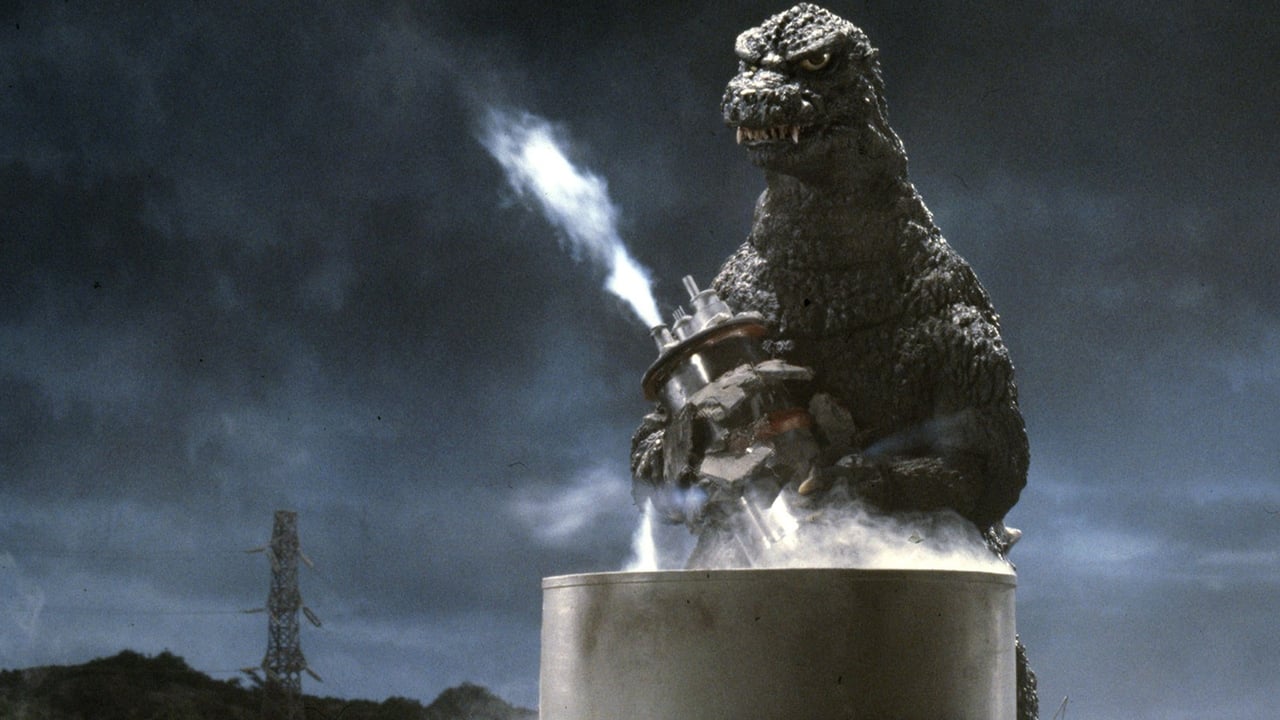
Forget the flying dropkicks and friendly monster tag-teams. Godzilla 1985 (the American re-edit and re-scoring of Toho's The Return of Godzilla (1984)) was a deliberate reset, a direct sequel only to the 1954 original, wiping the slate clean of the increasingly kid-friendly entries. The film opens with a palpable sense of unease: a derelict fishing vessel, the crew mysteriously dead, save for one survivor haunted by what he saw. The culprit? Not just Godzilla, but the parasitic Shockirus sea lice – a genuinely unsettling prologue that sets a darker tone. Director Koji Hashimoto, working from a story co-credited to franchise father Tomoyuki Tanaka, aimed to recapture the allegorical power of the original, positioning Godzilla once more as a consequence of the nuclear age, a terrifying symbol resurrected amidst Cold War tensions.
The Japanese original, The Return of Godzilla, was already a more serious affair, but the American version, helmed by R.J. Kizer and Tony Randel (who would later direct the wonderfully grimy Hellbound: Hellraiser II), doubled down on the East-West conflict. This is where the most fascinating, and perhaps controversial, aspect of Godzilla 1985 comes in: the return of Raymond Burr as Steve Martin (no, not that Steve Martin), the American reporter character inserted into the 1956 US version, Godzilla, King of the Monsters!.
### Anchored by a Ghost
Bringing Burr back was a stroke of marketing genius, providing a familiar face for American audiences and linking this reboot directly to the film many grew up with. Filmed separately and spliced into the Japanese footage, Burr's scenes depict Martin as a grizzled, almost mournful observer, confined to a Pentagon command center, offering commentary and gravitas. It’s undeniably awkward at times – characters reacting to monitors showing scenes Burr clearly wasn't present for – but his weighty presence adds a layer of solemnity. Burr reportedly took the role seriously, viewing Godzilla not just as a monster, but as a potent symbol, lending his performance a surprising sincerity that elevates the often clunky integration. These new scenes, written by Kizer and Randel, explicitly frame the narrative within US-Soviet tensions, making the nuclear threat feel immediate and contemporary to the mid-80s audience.
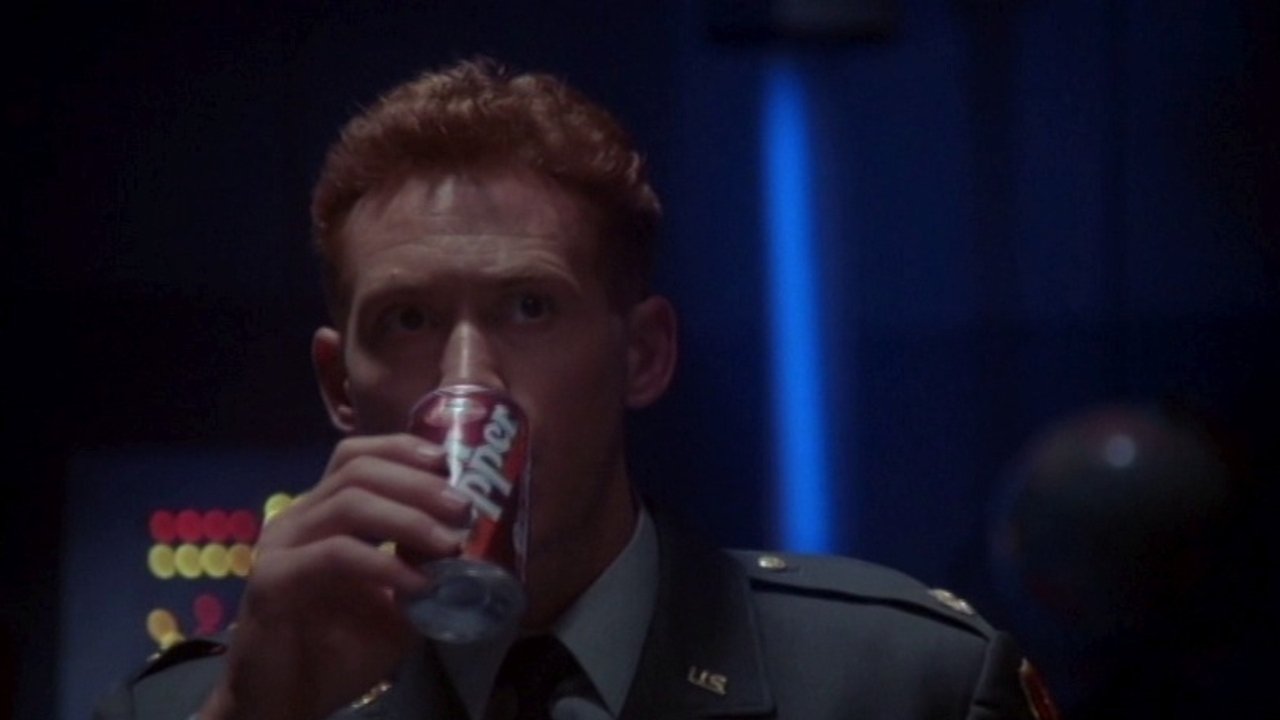
One can't discuss the American cut without mentioning the… aggressive product placement. Yes, the infamous Dr. Pepper moment, where the soda seemingly plays a key role, became an instant punchline. It’s a bafflingly conspicuous piece of corporate synergy that momentarily shatters the carefully constructed tension, a true relic of 80s blockbuster filmmaking sensibilities. Rumour has it that the Dr. Pepper Company paid a significant sum for this placement, a decision that certainly dates the film in a unique way.
### A Heavier, Meaner Titan
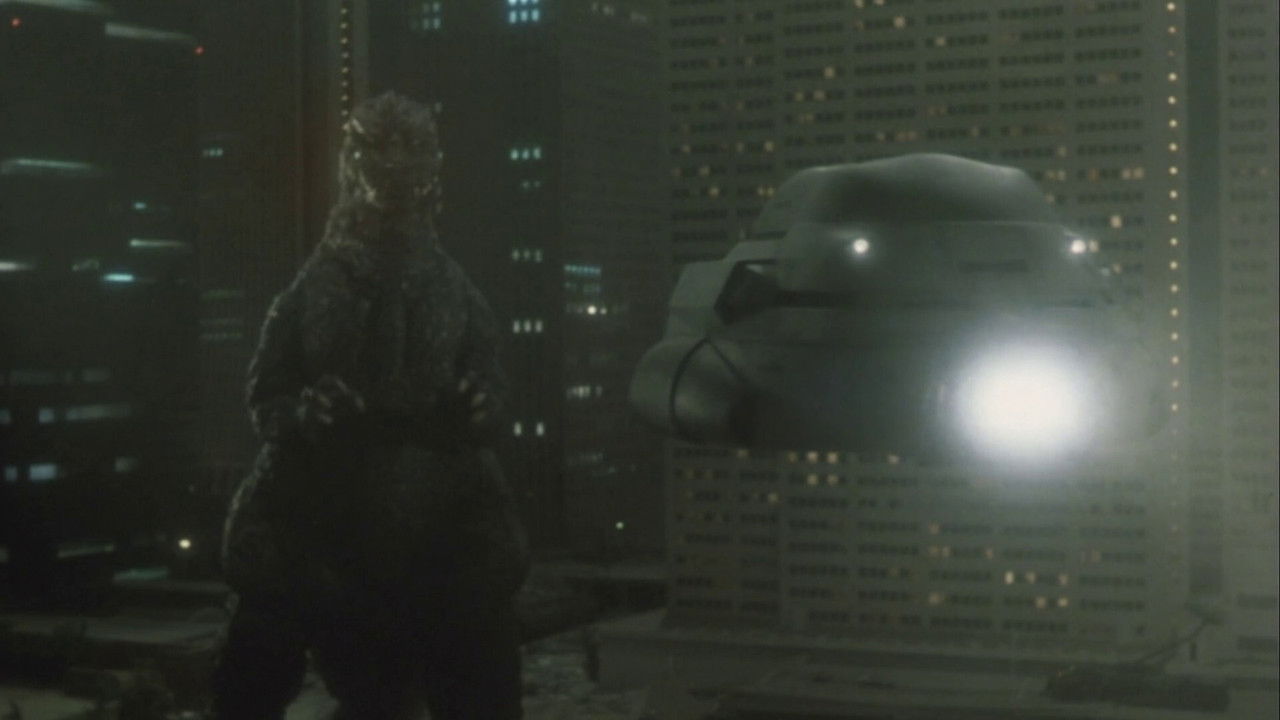
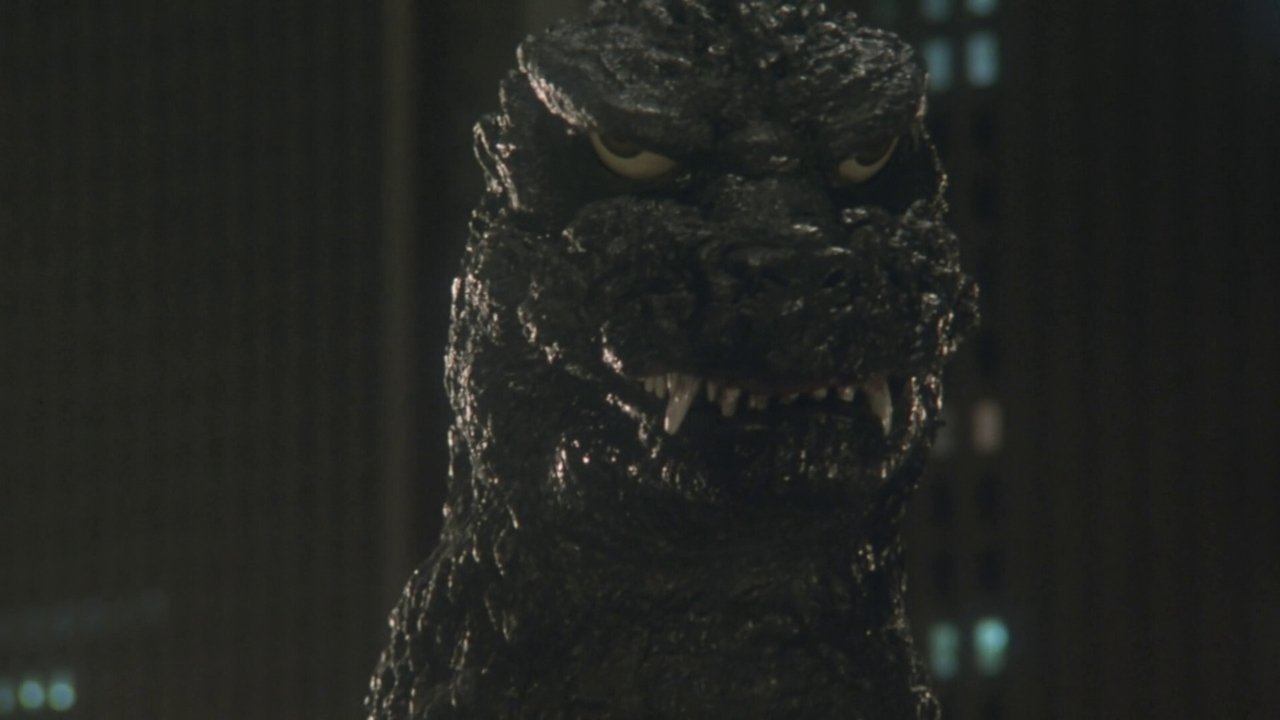
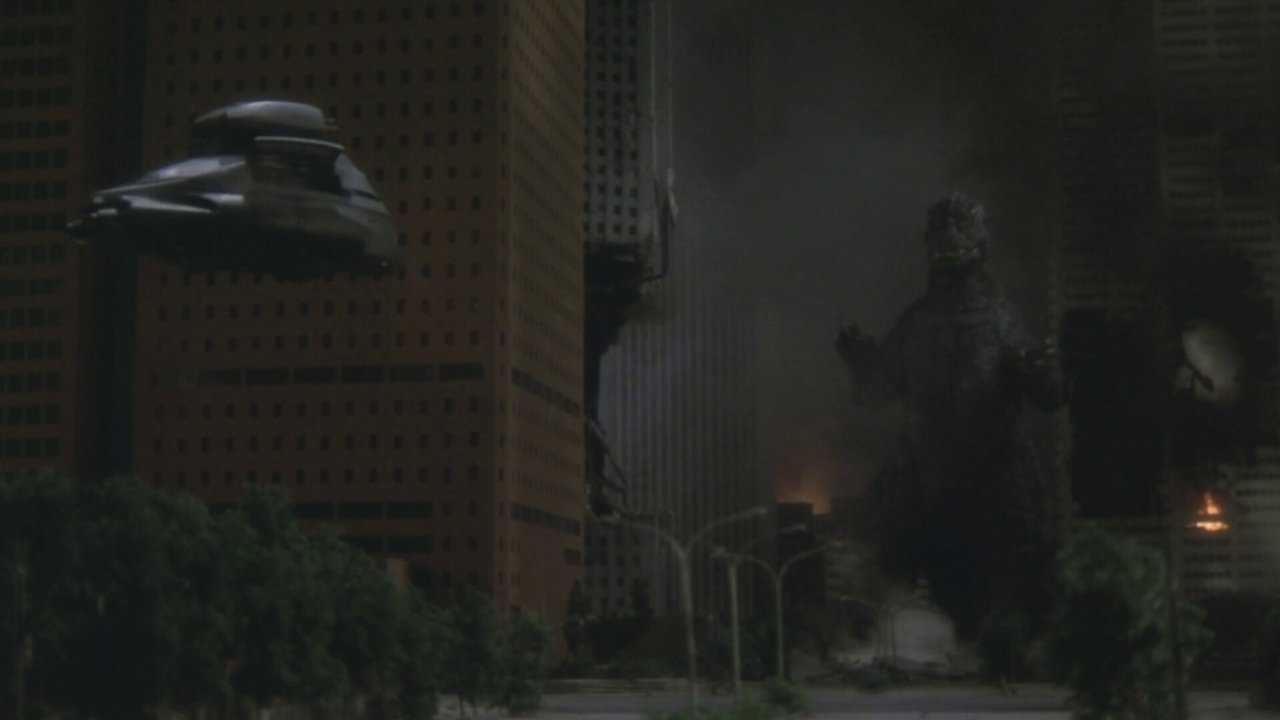
The Godzilla suit itself was a new beast. Toho invested heavily in the "Cybot Godzilla," a nearly 16-foot tall animatronic used for close-ups, capable of head movements and snarling lips. While groundbreaking for its time, it was notoriously heavy and cumbersome, limiting its use. For the city destruction scenes, veteran suit actor Kenpachiro Satsuma donned a more traditional, albeit redesigned and fiercer-looking, Godzilla suit. The effects, while obviously miniatures and suitmation by today's standards, carried a tangible weight back then. Seeing Godzilla stride through Tokyo, swatting beautifully detailed model tanks and absorbing laser fire from the futuristic Super-X jet, felt devastatingly real on a fuzzy CRT screen. The score, significantly altered for the US release with compositions by Christopher Young, adds to the ominous atmosphere, replacing some of the more heroic cues of the Japanese version with darker, more militaristic themes. Doesn't that towering silhouette against the burning cityscape still send a shiver down your spine?
### Nuclear Shadow Play
Beyond the monster mayhem, Godzilla 1985 tapped into real-world anxieties. The plot hinges on the refusal of the Japanese Prime Minister (a subtly powerful performance by Keiju Kobayashi) to use nuclear weapons against Godzilla, even under pressure from American and Soviet envoys eager to unleash their arsenals. It's a poignant reflection of Japan's unique post-war perspective on nuclear devastation. The American edit heightens this Cold War friction, making the threat of accidental escalation between the superpowers almost as dangerous as Godzilla himself. It’s a surprisingly thoughtful undercurrent for a giant monster movie, lending it a resonance that many of its flashier contemporaries lacked. I distinctly remember renting this tape from the local video store, the stark, dark cover promising something more intense than the usual Saturday morning creature feature.
The film wasn't a massive box office smash in the US (grossing just over $4 million against its combined production and marketing costs – though the original Japanese version was a success), and critical reception was mixed, with some finding it too somber or slow compared to American blockbusters. Yet, for fans who yearned for a return to Godzilla's darker roots, it was a welcome and significant event. It successfully revitalized the franchise, paving the way for the Heisei era (1984-1995), a series known for its continuity, increasingly complex plots, and powerful new adversaries.
***
VHS Heaven Rating: 7/10
Justification: Godzilla 1985 earns its 7 for successfully resurrecting the King of the Monsters as a serious threat, tapping into potent Cold War anxieties, and delivering some truly memorable large-scale destruction. Raymond Burr's return adds nostalgic weight, even if the integration is clunky. The practical effects and suitmation, while dated, possess a certain charm and heft. Points are deducted for the sometimes jarring American edits, the infamous product placement, and pacing that might feel sluggish to modern viewers accustomed to faster cuts. It's not perfect, but it's a crucial and atmospheric entry.
Final Thought: While perhaps overshadowed by later entries or the slickness of modern interpretations, Godzilla 1985 remains a fascinating time capsule – a somber, Reagan-era return for the ultimate symbol of nuclear consequence, best viewed late at night with the rain drumming against the window. It brought Godzilla back with a roar, not a wink.