The screen flickers to life, not with the pristine clarity of digital, but with that familiar, slightly soft glow of a well-loved tape. A shadow falls over Tokyo, vast and ancient, yet terrifyingly new. It wasn’t just another monster movie hitting the rental shelves back then; it felt like a course correction, a primal roar echoing from the East to reclaim a stolen throne. After the... controversial American interpretation in 1998, Toho Studios knew they had to bring their King back, and Godzilla 2000: Millennium (ゴジラ2000 ミレニアム) was the emphatic, city-stomping answer.

### The King Reborn, Sharper Edges Included
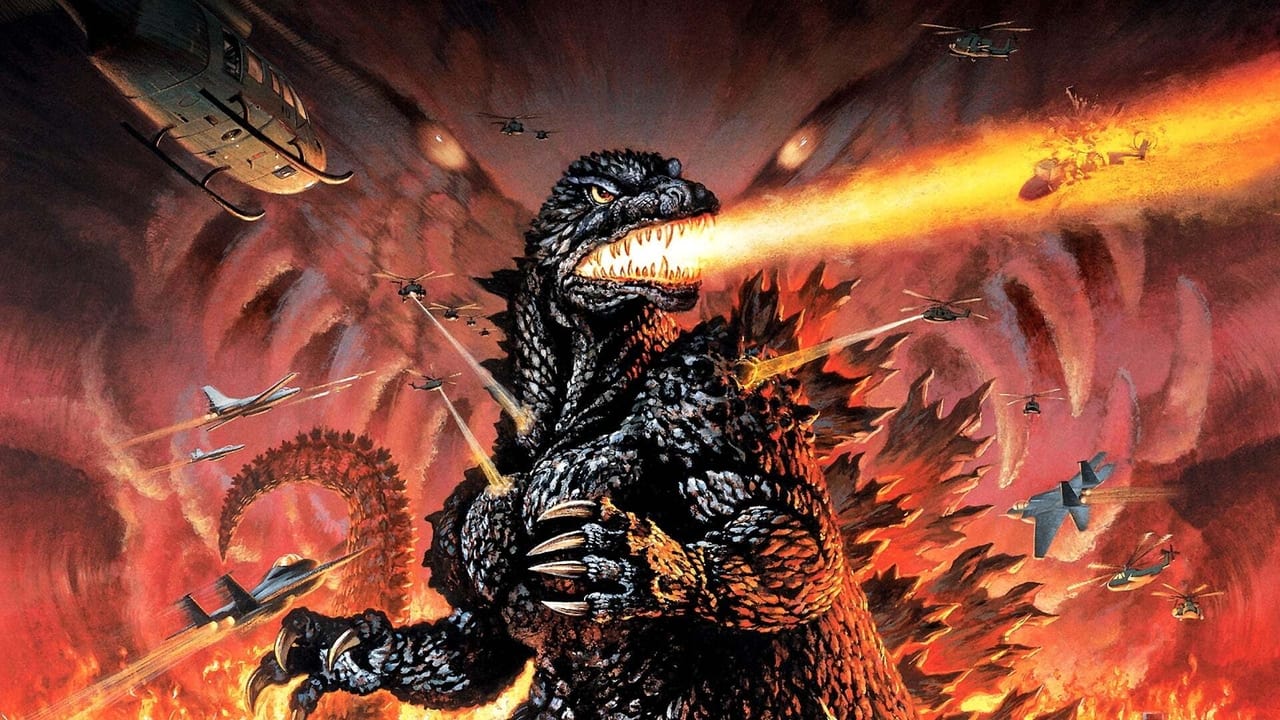
Forget the overgrown iguana. This was Godzilla, reimagined for a new era but rooted in that classic, destructive majesty. Director Takao Okawara, no stranger to the Big G after helming hits like Godzilla vs. Mothra (1992) and the poignant Godzilla vs. Destoroyah (1995), was brought back to usher in this Millennium series. The mandate felt clear: make Godzilla Godzilla again. And visually, they delivered. This wasn't the stoic protector or tragic anti-hero of the later Heisei era. This Godzilla was leaner, meaner, with jagged, almost crystalline dorsal fins that pulsed with menacing energy. The elongated snout, the fiery orange eyes, the burning red atomic breath – it was a design that screamed raw power and untamable natural force. I remember seeing promo shots and feeling a jolt – that was the silhouette that haunted childhood dreams, back with a vengeance. Reportedly, Toho fast-tracked this production specifically to counter the lingering taste of the '98 film, pouring resources into making their flagship monster feel undeniably Japanese and undeniably terrifying once more.
### Chasing the Storm
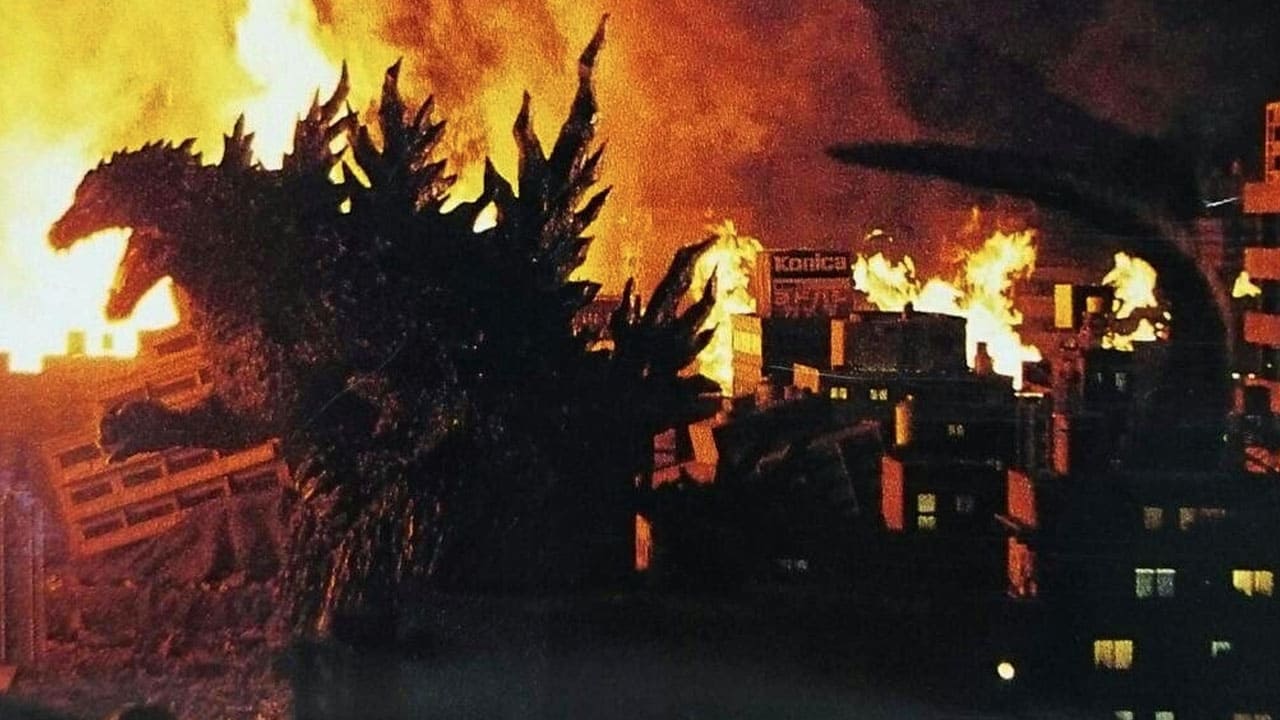
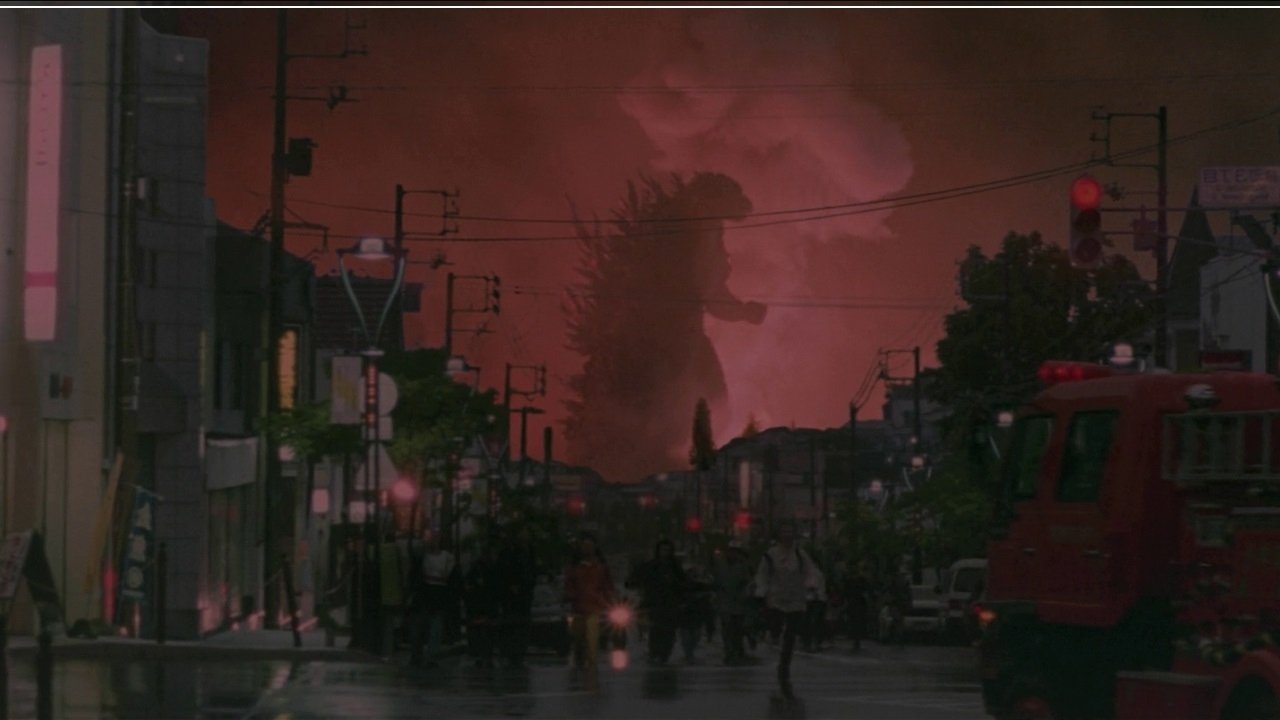
While Godzilla reclaiming his destructive crown is the main event, the human element centres around the scrappy Godzilla Prediction Network (GPN), led by the obsessive Yuji Shinoda (Takehiro Murata). Alongside his daughter Io (Naomi Nishida) and the initially skeptical reporter Yuki Ichinose (Hiroshi Abe, who brings a certain stoic charisma later seen in works like Trick), Shinoda represents that classic kaiju trope: the small group of dedicated, slightly unhinged individuals who truly understand the giant monster phenomenon. They aren't trying to weaponize Godzilla, just study and, perhaps foolishly, predict his movements. Their dynamic provides the ground-level view, the frantic chases just ahead of collapsing buildings, adding a necessary human scale to the god-like destruction. While the character arcs aren't revolutionary, their earnestness feels right at home in a classic Toho production.
### Visitors from the Void
The plot kicks into high gear with the discovery of a massive, multi-million-year-old UFO buried deep beneath the waves. Its awakening sets the stage for a different kind of threat, initially more mysterious than monstrous. The design of the sleek, almost organic-looking alien craft is quite striking, a departure from traditional saucers. It exudes an unsettling silence, a cold intelligence that contrasts sharply with Godzilla's purely instinctual rampages. This ancient vessel holds the Millennians, dormant alien entities seeking to regenerate using Godzilla's potent genetic material – the "Organizer G1" as Shinoda calls it. This sci-fi element, blending ancient mysteries with futuristic threats, gives Godzilla 2000 a distinct flavour within the franchise. It allows for moments of eerie tension, particularly during the sequences where the UFO silently hovers over the city or attempts to digitally assimilate Tokyo's networks. It’s a slow burn before the inevitable kaiju clash.

### Orchestrated Chaos: Practical Effects Reign
When the confrontation finally happens, it’s pure kaiju spectacle. The UFO, initially seeming technologically superior, finds itself surprisingly vulnerable to Godzilla's raw power. But the real throwdown begins when the Millennian entity, absorbing Godzilla's DNA, mutates into the hulking monstrosity known as Orga. This is where the film truly embraces its B-movie heart, and I mean that affectionately. Orga is a bizarre, top-heavy creature with massive claws and a distinctly alien physiology, clearly struggling to control its new Godzilla-infused form. The final battle is a glorious display of suitmation and miniature work. Remember how real those crumbling buildings felt on a CRT screen? The explosions, the physical weight of the suits colliding – there's a tactile quality to the destruction that CGI often lacks. Okawara knows how to stage these encounters, focusing on scale and impact. Seeing Godzilla physically rip chunks out of Orga, culminating in that infamous internal atomic breath finisher (a truly wild moment!), felt like a return to the gleefully destructive mayhem of the Showa era, albeit with slicker, late-90s production values. It's worth noting the US release, handled by TriStar, featured some re-editing and a completely different, more traditionally "action movie" score by J. Peter Robinson, alongside a sometimes campy dub ("Great Caesar's Ghost!"). While entertaining in its own right, the original Japanese cut with Takayuki Hattori's score offers a slightly different, perhaps more traditionally Godzilla-esque, atmosphere.
### Millennium's Dawn
Godzilla 2000: Millennium wasn't just a movie; it was a statement. It successfully rebooted the franchise for a new generation (spawning the Millennium series films that followed, each largely standalone), reaffirming Toho's vision of their iconic creation. It brought Godzilla back to his destructive roots, delivering thrilling action and showcasing the enduring power of practical effects in the face of burgeoning CGI dominance. It might not possess the thematic depth of Gojira (1954) or the complex continuity of the Heisei series, but it delivers exactly what it promises: Godzilla, unleashed and unapologetic.
VHS Heaven Rating: 7/10
Justification: The score reflects the film's success in revitalizing the character with a fantastic new design and delivering satisfying, practical-effects-driven kaiju action. It successfully course-corrected after the '98 film and launched a new series. Points are deducted for somewhat thin human characters and a plot that, while functional, leans heavily on familiar tropes. The US dub/rescore, while memorable for some, also alters the original tone.
Final Thought: For fans weary of the '98 attempt, popping this tape in felt like coming home – a loud, destructive, immensely satisfying homecoming for the true King of the Monsters. It’s a reminder that sometimes, you just need to see a giant radioactive lizard blow things up real good.