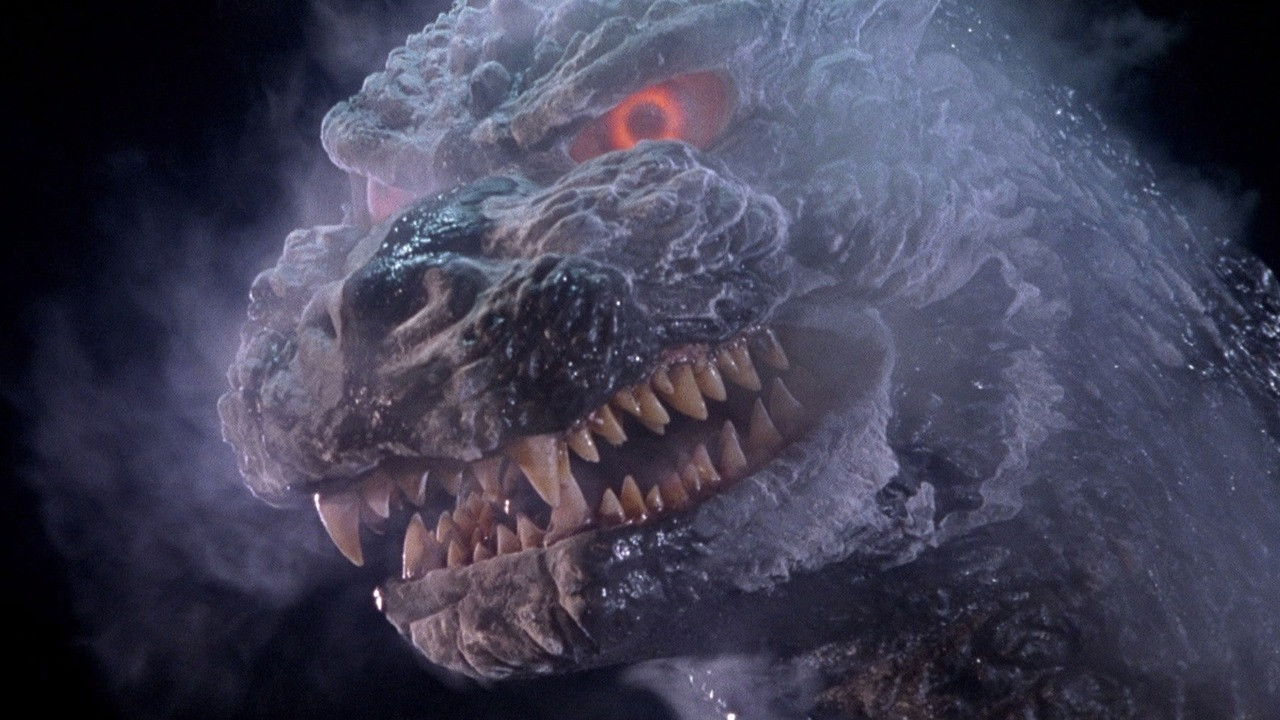
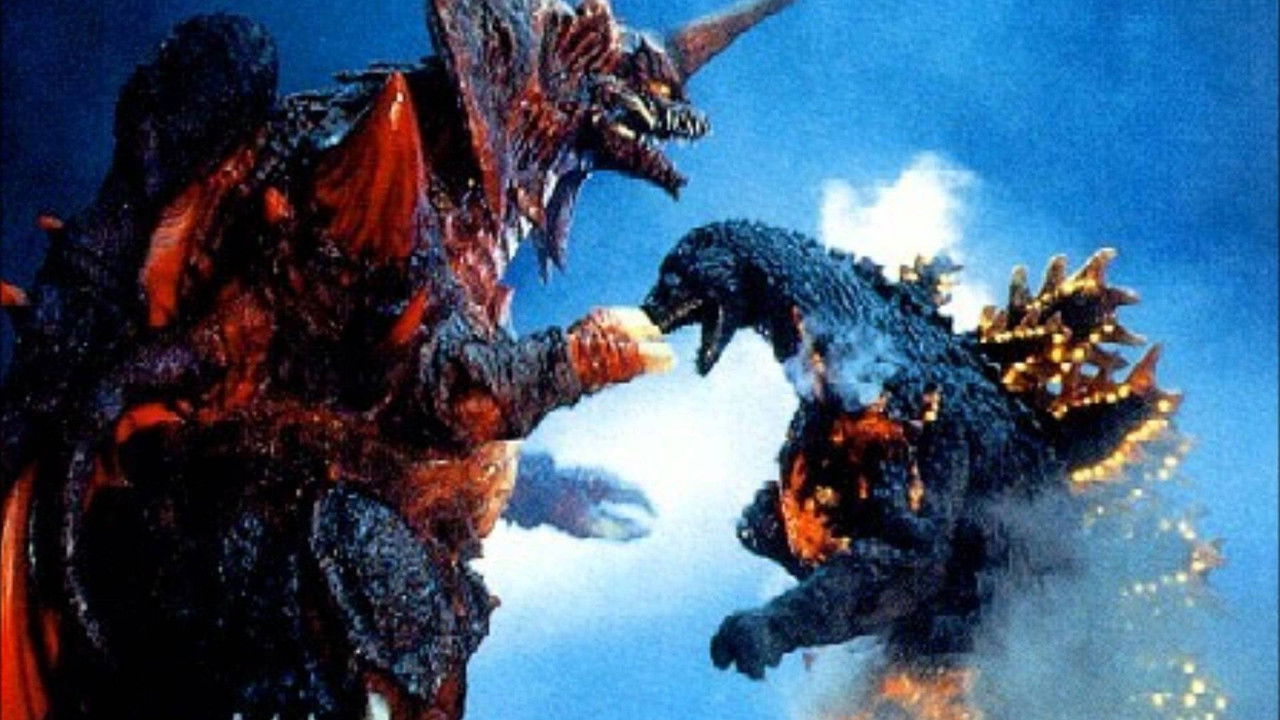
The air hangs thick and heavy, charged with an energy that feels fundamentally wrong. On screen, a familiar silhouette emerges from the smoke and ruin, but it’s bathed in an infernal, pulsating glow. Patches of its hide burn like volcanic fissures, steam hissing violently from its form. This isn't the King of the Monsters we knew. This is Godzilla burning from the inside out, a walking nuclear meltdown poised to incinerate the planet. This is the chilling, unforgettable image that kicks off Godzilla vs. Destoroyah (1995), and it signals from the outset that the usual city-stomping spectacle is about to take a turn into something far darker, something final.
The Beginning of the End
Coming off the heels of the more adventurous Godzilla vs. SpaceGodzilla (1994), director Takao Okawara (who previously helmed the Heisei hits Godzilla vs. Mothra and Godzilla vs. Mechagodzilla II) and writer Kazuki Ōmori (the visionary behind Godzilla vs. Biollante and Godzilla vs. King Ghidorah) returned to deliver a conclusion to the Heisei era, and they weren't pulling any punches. The central premise is pure dread: Godzilla's internal nuclear reactor is overloading. He’s stronger, yes, but dangerously unstable. If he explodes, the resulting cataclysm will ignite Earth's atmosphere. If they manage to cool him down too much, a catastrophic nuclear meltdown will poison the globe. It’s a no-win scenario that immediately imbues the film with a sense of tragic inevitability. Remember feeling that weight, even through the grainy tracking lines of a well-worn VHS tape? This wasn't just another monster mash; it felt like goodbye.
A Nightmare Born from History
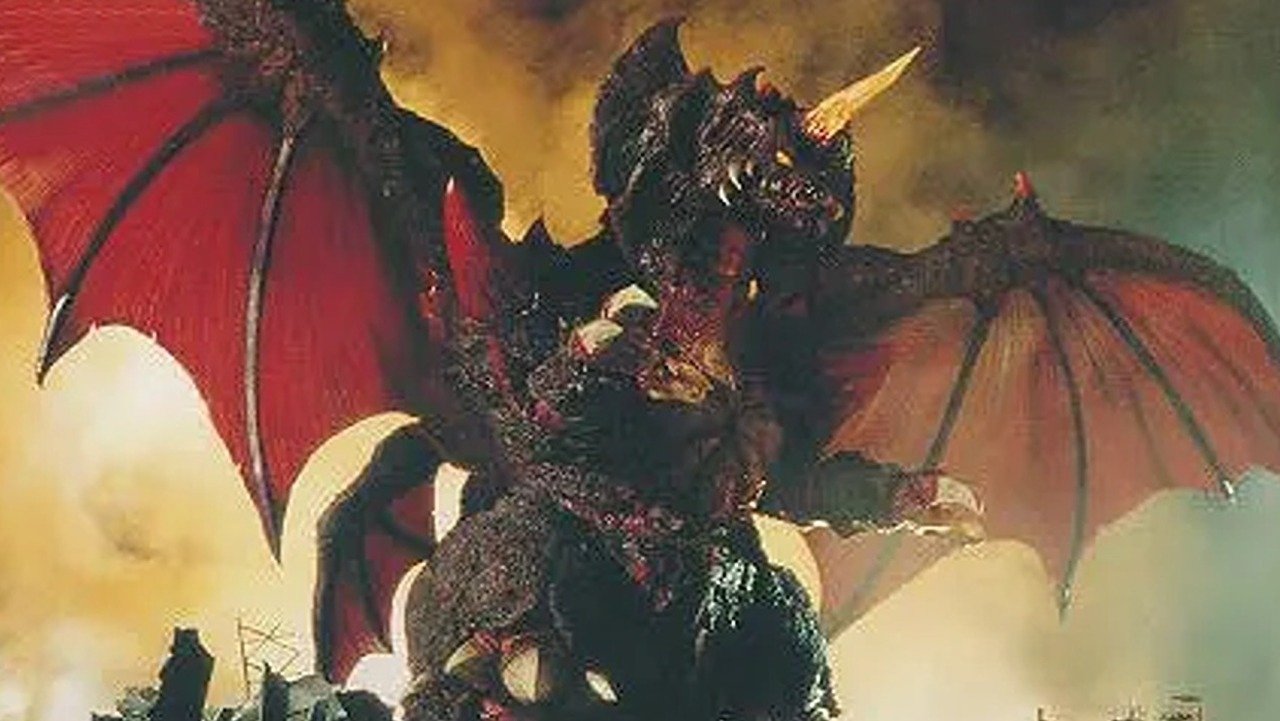
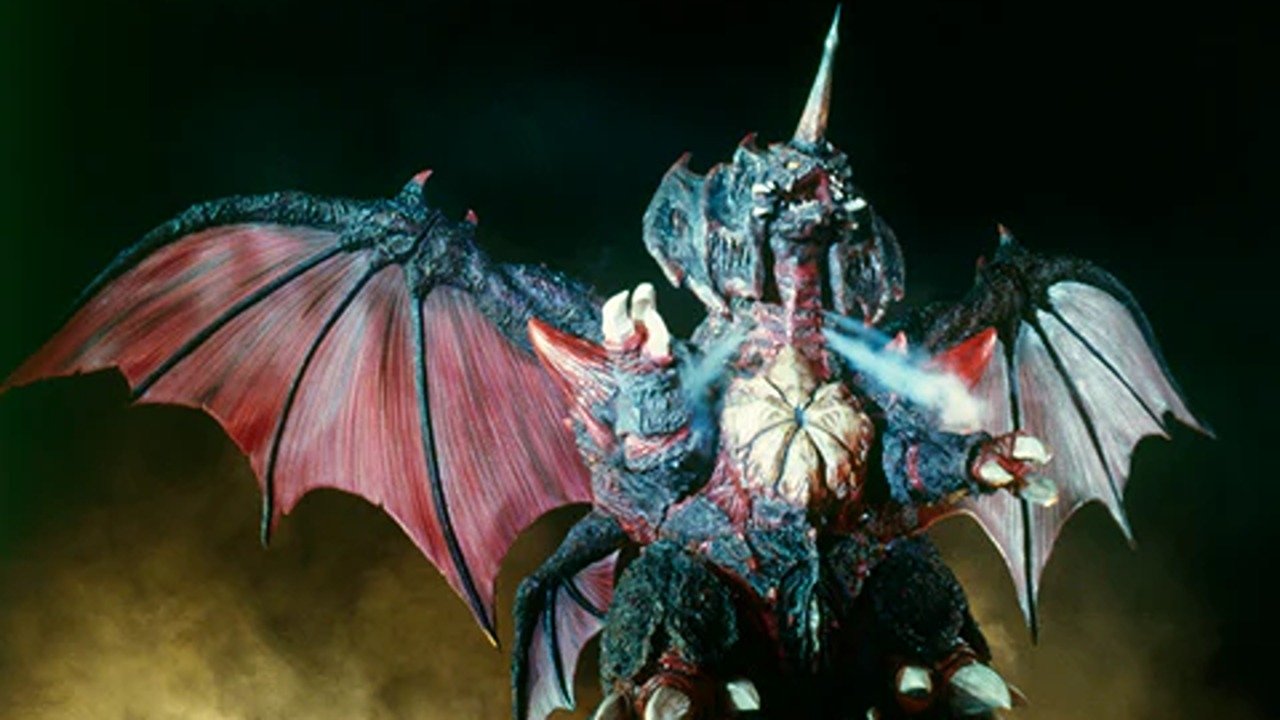
As humanity grapples with the impending Godzilla apocalypse, a far more insidious threat emerges from the deep. Microscopic organisms, mutated by the very Oxygen Destroyer that killed the original Godzilla in 1954, begin to coalesce, evolve, and wreak havoc. This connection isn't just a clever callback; it's the film's thematic core. Destoroyah, in its increasingly demonic forms – from man-sized crab-like horrors swarming buildings to its final, terrifying winged gargoyle state – is the living embodiment of the consequences of unchecked science, a ghost from the past made horrifyingly real. Its design is genuinely unsettling, moving away from reptilian or insectoid adversaries towards something truly alien and malevolent. Doesn't that final form, with its cruel visage and devastating micro-oxygen ray, still feel uniquely nightmarish compared to Godzilla's other foes?
The filmmakers powerfully underscore this link by bringing back Momoko Kōchi to reprise her role as Emiko Yamane from the original Gojira. Her presence, watching footage of the 1954 devastation and reflecting on Dr. Serizawa's sacrifice, lends a profound gravity to the proceedings. It’s a poignant bridge between generations of destruction, reminding us that the horrors unleashed decades prior have never truly vanished. This wasn't just fan service; it was a vital piece of storytelling that elevated the film beyond simple monster-on-monster action.
Spectacle Laced with Sorrow
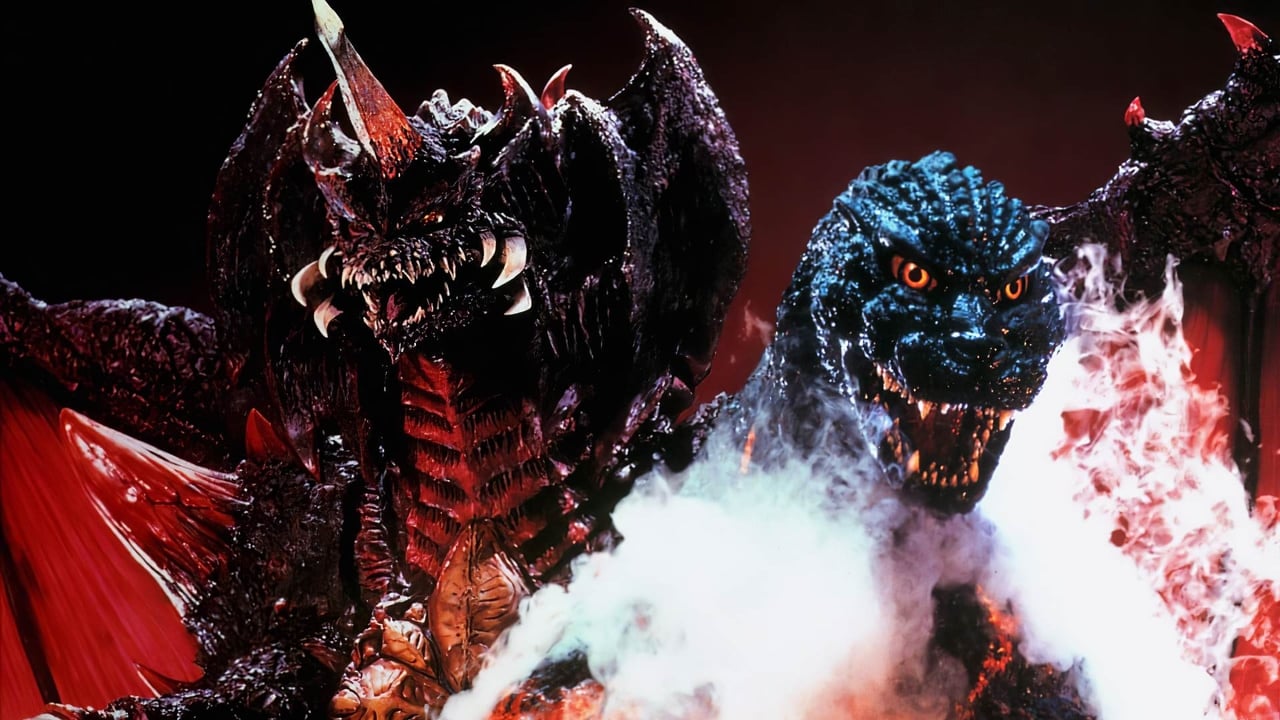
Let's talk about the star, though. "Burning Godzilla" is an incredible visual. The suit, designed by the legendary Eiji Tsuburaya protégé Koichi Kawakita (special effects director for the entire Heisei series), was reportedly a nightmare for suit actor Kenpachiro Satsuma. Packed with hundreds of lights to create the glowing effect and rigged to constantly vent steam, it was intensely hot and physically demanding. Satsuma, who embodied Godzilla throughout the Heisei era, famously endured immense physical challenges in these suits, and this final outing was perhaps the most arduous. Yet, the result on screen is breathtaking – a creature radiating immense power and palpable agony.
The practical effects work, a hallmark of this era, shines throughout. Destoroyah's various forms are realized with intricate puppetry and suitmation, retaining that tactile, monstrous quality that CGI often struggles to replicate. The miniature sets are detailed and demolished with gleeful abandon, particularly during the climactic battle in Tokyo's waterfront district. While some of the compositing might show its age on a crystal-clear Blu-ray, back on a CRT screen viewed via VHS, it felt utterly convincing and epic in scale. The score by Akira Ifukube, the maestro behind Godzilla's iconic theme, returns with thunderous power, incorporating familiar motifs while adding layers of melancholy and dread perfectly suited to the film's tone. He even provides chilling new themes for Destoroyah, emphasizing its demonic nature.
The Weight of Farewell
While the human drama involving psychic Miki Saegusa (Megumi Odaka, the only character to appear in every Heisei Godzilla film from Biollante onwards) and the scientists trying to avert disaster (Takuro Tatsumi, Yôko Ishino, Yasufumi Hayashi) serves its purpose, the emotional core truly rests with Godzilla and his adopted son, Godzilla Junior. Their relationship, developed across previous films, reaches a heartbreaking crescendo here. (Spoiler Alert!) The brutal mid-battle demise of Junior at the hands of Destoroyah fuels Godzilla's final, sorrowful rampage. It’s a moment that hits hard, transforming the King of the Monsters from a destructive force into a grieving father seeking vengeance before his own inevitable end.
Toho heavily marketed the film with the tagline "Godzilla Dies," a bold move that paid off handsomely. Godzilla vs. Destoroyah became a massive box office success in Japan, grossing approximately ¥2 billion (around $20 million USD in 1995, equivalent to roughly $40 million today) against a budget of ¥1 billion ($10 million USD). It truly felt like an event, the end of an era for Japan's most famous export. There were reportedly discussions about darker endings, including one where Destoroyah might have survived, leaving a lingering threat, but the filmmakers ultimately opted for the more definitive, poignant conclusion we see.
Final Meltdown
Godzilla vs. Destoroyah isn't just another entry; it’s a powerful, ambitious conclusion to a beloved era of kaiju filmmaking. It dared to inject genuine tragedy and horror into the formula, directly confronting the legacy of the 1954 original while delivering spectacular monster action. The pacing of the human plot can sometimes drag slightly, and like many kaiju films, the scientific explanations bend credibility. But the sheer audacity of the premise, the terrifying design of Destoroyah, the iconic spectacle of Burning Godzilla, and the surprisingly potent emotional weight of the finale make it a standout. It provided a sense of closure that few franchise entries ever achieve.
Rating: 9/10
This score reflects the film's success as a powerful, emotional, and visually stunning finale to the Heisei Godzilla series. It expertly blends high-stakes monster action with genuine dread and pathos, features an unforgettable antagonist, and pays meaningful tribute to the franchise's origins. Minor pacing issues with the human element prevent a perfect score, but its impact and ambition are undeniable. It’s a high point not just for Godzilla, but for 90s monster movies, a tape that truly earned its place in VHS Heaven.